
Articles + Recipes
Explore our blog and discover how Naked products can help you upgrade your nutrition with confidence.
Creatine Powder vs. Capsules: Which One Is Right for You?
Creatine is one of the most researched supplements for supporting strength, power, and exercise performance, but choosing a creatine supplement involves more than deciding whether to use it. Once someone decides creatine fits into their routine, there is another practical question: powder or capsules? Both forms can deliver creatine, and the body ultimately uses the same creatine molecule regardless of...

Dihydroberberine vs. Berberine: What's the Difference?
Berberine supplements come in several forms, including berberine hydrochloride (HCl) and dihydroberberine (DHB). Their labels may list substantially different amounts, raising questions about absorption, effectiveness, and side effects. As of 2026, small human studies suggest that DHB can produce greater blood concentrations of berberine under specific study conditions. However, these findings do not establish greater long-term health benefits. [1,2] This...

What Is Berberine? Benefits, Uses, and How It Works
You may have spotted berberine on a supplement label or seen it featured in a weight-loss claim. Before adding it to your routine, it helps to understand what researchers have actually studied, and whether those findings apply to you. The formula on the label matters, too. Different forms of berberine cannot automatically be compared by their milligram amounts. As of...

The Best Sparkling Energy Drink of 2026
What Is a Sparkling Energy Drink? A sparkling energy drink is a carbonated beverage that provides an energy boost, primarily from caffeine. The category has changed dramatically in recent years. The older model relied on large amounts of sugar, synthetic caffeine, and artificial colors, while the modern clean-energy segment emphasizes zero or low sugar, caffeine from natural sources, no artificial...

The Best Chocolate Collagen Peptides of 2026
21 min read
The Best Collagen Peptides with Hyaluronic Acid of 2026
What Are Collagen Peptides with Hyaluronic Acid? These products combine hydrolyzed collagen peptides, usually types I and III, with hyaluronic acid, a molecule that holds water in the skin and joints. The pairing is popular because the two ingredients work along complementary paths. Collagen supports the structure of skin and connective tissue, while hyaluronic acid supports hydration and cushioning, so...

The Best Glutamine Powder of 2026
What Is Glutamine Powder? Glutamine is the most abundant amino acid in the body, and the form found in supplements is L-glutamine. Under normal conditions the body makes enough on its own, but during periods of heavy training, physical stress, or illness, demand can outpace supply, which is why glutamine is described as conditionally essential. Supplementing it is aimed at...
The Best Electrolytes Powder of 2026
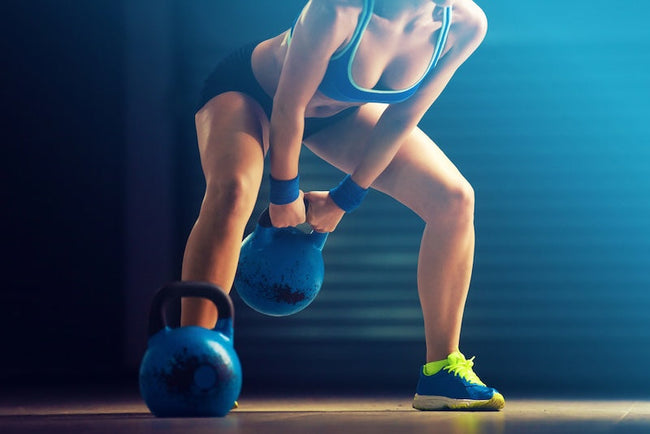
What Is an Electrolytes Powder? An electrolytes powder is a drink mix that delivers the key minerals the body loses through sweat and uses to stay hydrated. The core electrolytes are sodium, potassium, magnesium, and chloride, and together they support fluid balance, nerve signaling, and muscle function. When you sweat heavily, follow a low-carb diet, or spend time in the...

The Best Grass-Fed Colostrum of 2026
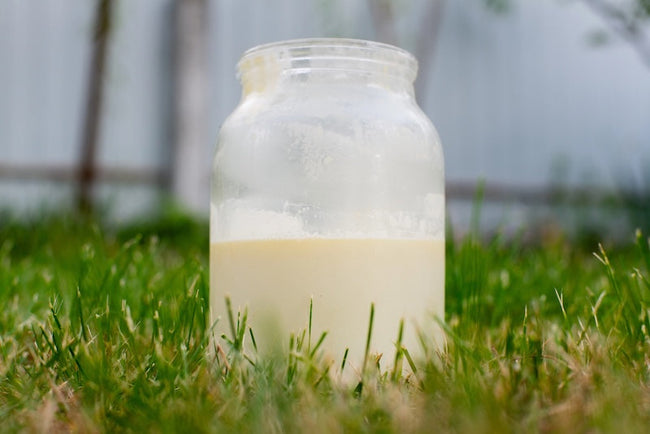
What Is Grass-Fed Colostrum? Colostrum is the first milk a cow produces in the days immediately after calving, and it is nutritionally distinct from the regular milk that follows. It is dense with bioactive compounds that a newborn calf relies on for early immune support, and those same compounds are what make it valuable as a supplement. Once collected, colostrum...
The Best Creatine HCl Powder of 2026
What Is Creatine HCl Powder? Creatine HCl, short for creatine hydrochloride, is creatine bonded to a hydrochloride group. That small change makes the molecule far more water-soluble than standard creatine monohydrate, and it is the reason HCl products are dosed differently. Where monohydrate is typically taken at around five grams per day, creatine HCl is usually dosed at roughly 750...

The Best Protein Powder Blend of 2026
What Is a Protein Powder Blend? A protein powder blend is a powder that combines two or more distinct protein sources in a single formula. On the animal side, that often means whey concentrate, whey isolate, and hydrolyzed whey together, sometimes with casein or egg added. On the plant side, it usually means a mix of sources such as pea,...
High Protein Snacks: Easy Ideas to Curb Hunger and Hit Your Goal
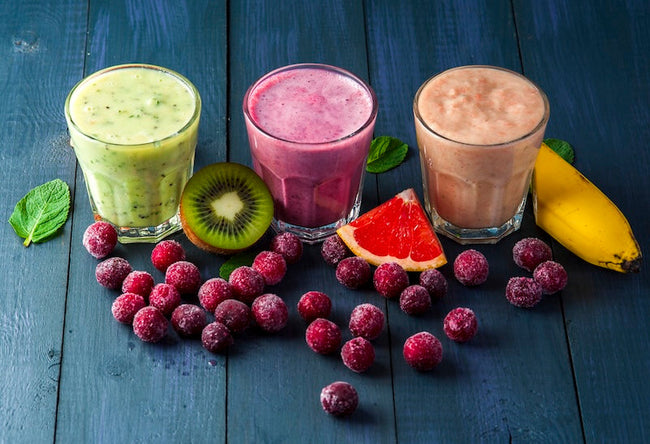
High-protein snacks are quick bites that deliver roughly 10 to 20 grams of protein, which curbs hunger between meals and helps you reach your daily protein target. Easy options include Greek yogurt, cottage cheese, hard-boiled eggs, jerky, edamame, roasted chickpeas, string cheese, tuna packets, nuts, and a protein shake. The best ones pair protein with fiber or healthy fat to...
High Protein Breakfast: Easy Ideas to Start Your Day Strong
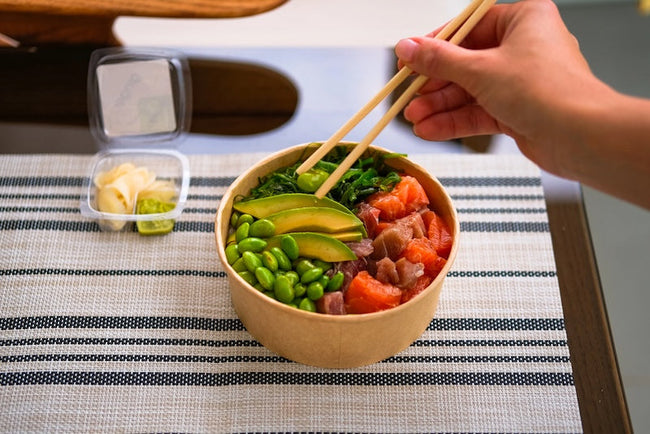
A high protein breakfast is one that delivers roughly 25 to 30 grams of protein, which helps you feel full, steadies your appetite through the morning, and supports muscle. Easy high-protein breakfast foods include eggs, Greek yogurt, cottage cheese, milk, and a protein shake, plus add-ons like nut butter, seeds, and beans. Combining two or three of these, for example...