




Key Takeaways
- Yes, you can: Protein powder mixes well with coffee — hot or cold — without losing its nutritional value.
- Type matters: Collagen peptides and whey dissolve most easily; plant-based proteins work better in cold or flavored coffee.
- Avoid clumping: Let hot coffee cool slightly, use a blender or frother, or mix with cold brew for the smoothest result.
- Heat doesn't destroy protein: High temperatures may affect texture and mixability, but the protein content and its benefits remain intact.
- Flavor pairings work: Chocolate, vanilla, and caramel protein powders turn your morning cup into a high-protein mocha or latte.
- Creatine fits too: Adding 3 to 5g of creatine monohydrate alongside protein powder creates an effective pre-workout drink with no loss of potency.
- Daily use is safe: Protein coffee is a practical, nutritionally sound way to hit your daily protein targets without adding a separate shake.

Vanilla Latte Protein Iced Coffee | Naked Protein Coffee - 17 Servings
- Grass-Fed Source
- No Artificial Additives
- Made in the USA
- Quality Verified
Can You Put Protein Powder in Coffee? Yes — Here's How to Do It Right

You've got your morning coffee brewing and a protein shake to make before the gym. The obvious question: can you just combine them? The answer is yes — and people have been doing it long enough that it has its own name. "Proffee" (protein + coffee) has become a fixture in fitness communities and on social media, and the concept is simple: add protein powder to your coffee and get two morning staples in one drink.
Whether you can put protein powder in coffee without ruining the texture, the taste, or the nutritional value is the more practical question. The short answer is that it works well when you know which protein type to use and how to mix it. Done right, you get a drink that delivers 20 to 25 grams of protein alongside a solid caffeine hit, with no blender required on the easy days.
This article covers everything you need to know: which protein powders work best in coffee, how to mix them without clumping, whether hot coffee affects protein quality, flavor combinations worth trying, and how to add creatine to the mix for a full pre-workout stack.
Why People Add Protein Powder to Coffee

The appeal is straightforward: most people already drink coffee in the morning, and most people struggle to hit their daily protein targets. Combining both saves time, reduces dishes, and front-loads your protein intake for the day — which research consistently links to better satiety and muscle protein synthesis.
For gym-goers, protein coffee doubles as a pre-workout. Caffeine sharpens focus and increases alertness before training, while protein primes muscle recovery. For busy professionals, it replaces both a separate shake and a sit-down breakfast without sacrificing nutrition. For anyone tracking macros, it's a clean, efficient way to add 20 to 25 grams of protein to a zero-protein drink they're already consuming.
📊 What Research Says
A study published in the American Journal of Clinical Nutrition found that consuming protein at breakfast improves satiety and reduces overall calorie intake throughout the day — making a high-protein morning coffee a practical dietary tool, not just a trend.
The "proffee" trend gained momentum on platforms like TikTok and Instagram, but it isn't driven purely by aesthetics. Athletes and coaches have long combined caffeine and protein around workouts. The social media version just made it mainstream. It's also worth noting that creatine can be added alongside protein powder for an even more complete pre-workout — something we cover later in this article.
Which Protein Powder Works Best in Coffee?

Not all protein powders behave the same way in coffee. The type of protein, the temperature of the coffee, and whether you're using a blender all affect the final result. Here's how the main options compare:
- Whey protein: Mixes well and dissolves quickly, producing a slightly foamy texture. Best in iced or lukewarm coffee. Very hot liquid can cause whey to clump or create a gritty texture, though the nutritional value isn't affected. Naked Whey — made from a single ingredient, grass-fed whey — is available in chocolate, vanilla, and unflavored options that pair naturally with coffee.
- Casein protein: Thickens more than whey due to its slower-digesting protein structure. This actually works in your favor with cold brew or iced coffee, creating a creamier, milkshake-like consistency. Naked Casein is a solid option for those who prefer a thicker protein coffee.
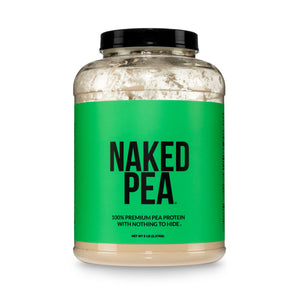
- Plant-based protein (pea, brown rice): Has an earthier, sometimes grainier flavor and doesn't dissolve as smoothly. Flavored options like chocolate or vanilla Naked Pea protein mask the earthiness well. Best results come from cold brew or blended iced coffee.
- Collagen peptides: The most forgiving option. Collagen dissolves easily in both hot and cold coffee, is nearly flavorless, and won't alter the taste of your cup. Naked Collagen is ideal if you want added protein without changing your coffee experience at all.
If you're new to protein coffee, start with collagen or a flavored whey and build from there based on texture and taste preferences.
How to Mix Protein Powder in Coffee Without Clumping

Clumping is the most common complaint about protein coffee, and it almost always comes down to one thing: adding protein powder directly to hot liquid. Heat causes whey proteins to partially denature, which makes them clump together rather than dissolve evenly. The fix isn't complicated, but it requires a small adjustment to your routine.
- Let the coffee cool first. Aim for around 130 to 140°F before adding protein powder. This is warm enough to aid dissolving without triggering protein denaturation.
- Create a slurry first. Add a small amount of cold water or milk to your protein powder and stir it into a paste before adding coffee. This prevents dry powder from seizing up on contact with liquid.
- Use a blender or milk frother. A 30-second blend creates a smooth, latte-like consistency from any protein type. A handheld frother works almost as well and takes five seconds.
- Start with cold brew or iced coffee. Cold temperatures don't trigger protein denaturation. Pouring protein powder over iced coffee is the easiest and most clump-free method.
- Choose collagen for hot coffee. Collagen peptides dissolve cleanly in hot liquid without any of the texture issues that whey can produce.
The blender method is the most reliable across all protein types and temperatures. If you're making iced protein coffee regularly, a bottle blender makes this a 60-second routine.
Can You Put Protein Powder in Hot Coffee?
Hot coffee and protein powder can coexist — but you need to manage expectations about texture. The concern most people have is whether heat destroys protein. The direct answer: no. High temperatures alter the shape of protein molecules (a process called denaturation), but denatured protein is still digested and absorbed by your body the same way. Cooking an egg denatures the protein. It doesn't make the egg less nutritious.
What heat does affect is texture and mixability. Whey protein added to a 190°F cup of coffee straight off the machine tends to clump, create a grainy mouthfeel, or produce a film on the surface. None of this is harmful, but it's unpleasant. The practical solution is to let your coffee cool for two to three minutes before stirring in the powder, or to use a blender regardless of temperature.
📊 What Research Says
Protein denaturation by heat does not reduce the amino acid content or bioavailability of whey protein. The digestive system breaks down both native and denatured proteins into the same amino acids — your muscles can't tell the difference.
Plant-based proteins and collagen handle heat better than whey from a texture standpoint. If a hot protein coffee is your preference, collagen peptides are the cleanest option — they dissolve fully in hot liquid and leave no trace of grittiness or altered flavor.
Flavor Combinations: Best Protein Powder Flavors for Coffee
Coffee is already a complex flavor, which means it pairs well with most protein powder flavors rather than clashing with them. The key is matching the intensity of the protein flavor to how strong your coffee is.
- Chocolate + coffee: The classic mocha combination. Chocolate whey or pea protein blends seamlessly with espresso or dark roast cold brew. Rich, satisfying, and indistinguishable from a coffeehouse mocha.
- Vanilla + coffee: Creates a straightforward vanilla latte profile. Vanilla whey or casein works especially well with medium roast coffee and a splash of oat milk.
- Unflavored + coffee: For people who want pure coffee taste with added protein and nothing else. Unflavored Naked Whey or Naked Collagen are the cleanest options here.
- Caramel or peanut butter: For a more creative pairing. Caramel protein powder over cold brew with almond milk is worth trying. Peanut butter protein powder with espresso and cocoa powder makes a more dessert-like option.
Mocha Creatine Protein Shake
This pre-workout shake combines the benefits of protein, creatine, and caffeine in one drink. Blend all ingredients until smooth and drink 30 to 45 minutes before training.
- 1 scoop creatine monohydrate powder
- 1 scoop Chocolate Naked Whey
- 1 tsp vanilla extract
- 1 tbsp instant espresso
- 1 cup unsweetened almond milk
Iced Protein Coffee (No Blender Required)
- 1 scoop vanilla or unflavored Naked Whey (or Naked Collagen)
- 1 cup cold brew coffee
- ½ cup unsweetened oat milk or almond milk
- Ice
Add protein powder to the milk first and stir until dissolved, then pour over ice and add cold brew. This slurry method prevents clumping and takes under two minutes.
Can You Add Creatine to Your Protein Coffee?

Yes, and it's a combination that makes practical sense. Creatine monohydrate is one of the most well-researched performance supplements available, and adding it to protein coffee creates a complete pre-workout drink: caffeine for alertness and focus, protein for muscle recovery, and creatine for ATP replenishment and strength output.
- Caffeine blocks adenosine receptors, reducing perceived fatigue and sharpening focus during training.
- Creatine increases phosphocreatine stores in muscle, accelerating ATP regeneration during high-intensity efforts like sprinting and heavy lifting.
- Protein provides amino acids that initiate muscle protein synthesis, supporting recovery from the workout you're about to do.
Research supports the combination. Studies show that creatine and caffeine taken together during HIIT training can increase sprinting speed, VO2 max, and lean body mass, as demonstrated in work published on PubMed [1] and PMC [2]. A pre-workout containing both creatine and caffeine has also been shown to be safe and effective for increasing aerobic capacity and muscular strength in healthy adults, according to a 2014 study [3].
The standard dose is 3 to 5 grams of creatine per serving. Creatine dissolves in both hot and cold coffee without losing effectiveness — and contrary to some concerns, the acidity of coffee does not degrade creatine's stability. Stir it directly into your protein coffee or blend it into the mocha shake recipe above. Consume the finished drink 30 to 60 minutes before your workout for optimal timing.
One caveat: some people experience digestive discomfort when combining caffeine and creatine, even if they tolerate each one separately. Start with a smaller creatine dose if you're new to the combination, and avoid taking it too close to bedtime since caffeine can disrupt sleep quality.
Naked Creatine Monohydrate contains a single ingredient — pure creatine monohydrate — with no fillers, flavors, or additives. It mixes cleanly into any protein coffee recipe.
Start with One Scoop and See How It Fits Your Routine
Protein coffee isn't a complicated concept, but the details determine whether you actually enjoy drinking it. Use collagen or a flavored whey if you're starting out. Cold brew makes mixing easier than hot coffee. A blender takes 30 seconds and eliminates every texture problem. One scoop gives you 20 to 25 grams of protein with zero additional meal prep.
If you're training in the morning, add 3 to 5 grams of creatine monohydrate to the same drink. You've now got caffeine, protein, and creatine in a single cup — an evidence-backed pre-workout stack that takes less time to make than a separate shake would.
Pick the protein type that matches your coffee temperature and flavor preference, try the mocha shake or iced coffee recipe once, and adjust from there. That's the practical starting point.
Frequently Asked Questions
Can you put protein powder in coffee?
Yes, you can mix protein powder into coffee without any nutritional drawbacks. The protein content remains intact, and you get the combined benefits of caffeine and amino acids in a single drink. Just know that hot coffee can cause some powders to clump, so mixing technique matters.
Does heat from hot coffee destroy the protein?
Heat denatures protein, meaning it changes the structure, but it doesn't destroy the amino acids or reduce the protein's nutritional value. Your body digests denatured protein just as effectively as its native form. The same process happens when you cook eggs or meat, and those are still solid protein sources.
Which protein powder mixes best with coffee?
Whey protein concentrate and whey isolate tend to mix the smoothest, especially in cold or lukewarm coffee. Casein and plant-based proteins like pea protein can clump more easily in hot liquid, so blending or using a frother helps. Collagen peptides dissolve almost completely in hot coffee and are a low-friction option if texture is your main concern.
Will mixing protein powder in coffee affect the taste?
It depends on the flavor of the protein powder and the roast of your coffee. Unflavored or vanilla protein powders tend to complement coffee without overwhelming it. Chocolate protein powder essentially turns your coffee into a mocha, which works well for most people but does add sweetness if the powder contains a sweetener.
How much protein powder should you add to coffee?
One standard serving, typically 20 to 30 grams of protein powder, is the practical starting point. Adding more than one scoop usually makes the drink too thick and harder to mix cleanly. Stick to one scoop and adjust based on your daily protein targets and how the texture sits with you.
Is protein coffee a good pre-workout option?
It can be, depending on your goals and timing. Caffeine from the coffee supports focus and performance, while protein primes muscle protein synthesis around your session. Research published in the Journal of the International Society of Sports Nutrition supports consuming protein close to training, so a protein coffee 30 to 60 minutes before a workout is a reasonable strategy.
Does caffeine interfere with protein absorption?
No evidence supports the idea that caffeine blocks or reduces protein absorption. The two are processed through separate pathways in the body. You don't need to separate your coffee and your protein shake out of concern for absorption interference.
Is protein coffee safe to drink every day?
For most healthy adults, yes. The combination of moderate caffeine intake and one serving of protein powder daily falls well within safe limits. If you're sensitive to caffeine, pregnant, or managing a kidney condition, check with your doctor before making protein coffee a daily habit, as both caffeine and elevated protein intake carry individual considerations in those cases.
Top General Nutrition Picks
Chosen by 1 million+ customers. Free shipping on orders over $100.

Grass Fed Whey Isolate Protein Powder | Naked Whey Isolate - 2LB
$51.99
- ✓ Zero Sugar & Zero Carbs
- ✓ Easy Digestion
- ✓ Maximum Pure Protein

Vanilla Whey Protein Powder | Naked Vanilla Whey - 2LB
$44.99
- ✓ Build and Maintain Lean Muscle Mass
- ✓ Boost Immune System
- ✓ Lose Fat
- ✓ Improve Heart Health

Collagen Peptides Protein Powder | Naked Collagen - 20 oz
$41.99
- ✓ 100% premium collagen peptides
- ✓ From grass-fed and pasture-raised European bovine hides
- ✓ 9g of protein and 0.6g of BCAA's per serving
- ✓ Odorless, tasteless, and easy to mix

Vanilla Collagen Creamer | Naked Collagen Creamer
$49.99
- ✓ Support Radiant Skin
- ✓ Promote Strong Hair and Nails
- ✓ Boost Joint Health