



There are many protein-packed foods, mixes, and bars on the market that claim to help you gain muscle.
From protein pancake mix to protein oatmeal, to protein muffins, there is no shortage of products available.
But which of these products is best for your goals? Can you really eat muffins and gain muscle?
Keep reading to find out how to best support your muscle-building goal with training and nutrition.
Training to Increase Muscle Mass

If you’re trying to gain muscle, there are a few things that need to happen. You must be training with intensity, eating to support muscle growth, and allowing your body to adequately rest and recover.
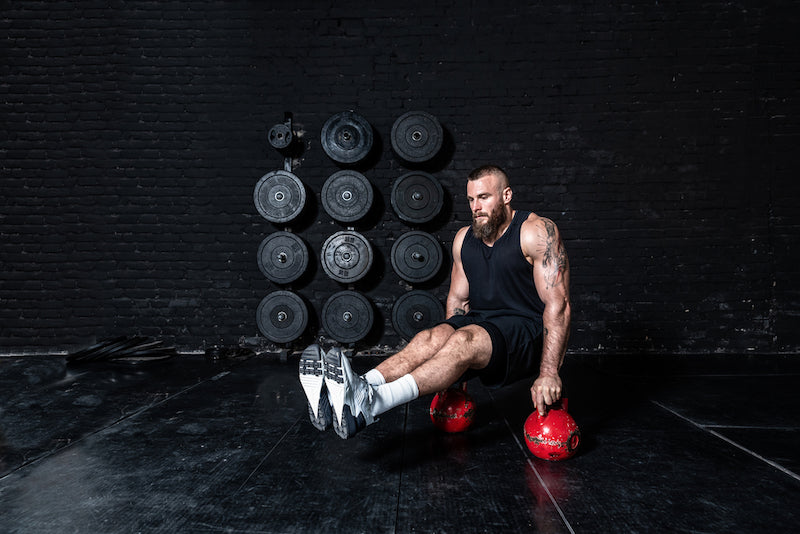
To build muscle, you must train with consistency and intensity. You need to lift heavy, lift often, and always be striving to do more than you did at your last session.
Muscle growth is stimulated by progressive overload. If you’re doing the same workout every time you go to the gym, you aren’t going to stimulate or break down the muscle fiber that promotes muscle growth.
Over time, you must progressively increase the load (the amount of weight you are lifting), the volume (the number of reps or sets you are performing), or both. You cannot expect to see results if week after week, you’re picking up the same weight and doing the same amount of volume. In order to achieve real results, you have to push yourself past what is comfortable.
Workouts that increase muscle are often repetitive and boring. The fancy workouts you see on IG or TikTok that are popular with influencers will not help you achieve the results you desire.
You need good old-fashioned compound movements (think squat, deadlift, press, and pull) and some accessory exercises to improve aesthetics.
If you aren't sure where to start or how to improve the workouts you are currently doing, you may want to consider working with an athletic trainer, preferably one who has a degree in kinesiology.
Eating to Increase Muscle Mass

Your resistance training workouts must also be supported by proper nutrition if you want to see results from the time and hard work you are putting in at the gym. To build muscle, you need to be in a caloric surplus. Your body cannot build anything if you are in a caloric deficit. This means you need to eat more calories than your body burns.
Calories
To calculate how many calories you need, you can calculate your BMR for your gender, height, weight, age, and activity level. Add 50-100 calories per day to your BMR to start. When you hit a plateau and are no longer gaining weight, increase your calories by another 50-100 calories. If you aren’t gaining weight, then you aren’t gaining significant muscle or size.
In addition to being in a caloric surplus, you need a good balance of all macronutrients, including protein, carbohydrates, and fat.
Carbs and Fat

While people often think of protein as being most important for muscle gain, carbohydrates and fat are just as important. Carbohydrates provide you with short-term energy to fuel your workouts. They also support recovery from those high-intensity sessions. Your carbohydrate intake should consist of about 45-55% of your daily calories.
Dietary fat provides long-term energy, supports your hormones, and aids in the absorption of certain nutrients. Your daily fat intake should be about 25-35% of your total calories.
Protein
There are different recommendations for protein intake based on age, activity level, and goals. Adequate protein intake is essential to gaining muscle.
Consuming 20–30% of your total calorie intake from protein is generally considered sufficient to provide health benefits. However, to maximize the muscle built from resistance exercise, daily protein intake should be roughly 1.6 - 2.2 grams per kilogram of body weight per day.
To efficiently build muscle, your body needs to make more proteins than it’s breaking down. This is why anyone who wants to build muscle needs to make sure they’re eating enough protein.
So, Can Muffins Help You Build Muscle?
Muffins can help you build muscle if they are high in protein and have a good serving of carbohydrates.
Our premium banana bread protein mix, Naked Bake, is a protein baking mix you can make muffins with.
One muffin provides 15 grams of protein and only 180 calories. All you have to do is add water and pop it in the microwave. You can also make pancaked or banana bread. This versatile protein powder is convenient and can help you build muscle.
Conclusion
To build muscle, you have to train hard, eat right, and make time for recovery. Make sure you are eating enough calories and protein to support optimal muscle growth. You can always include satisfying foods like muffins and pancakes. At the end of the day, if you are meeting your calorie and protein goal, any food can help you build muscle.