



Key Takeaways
- What it is: A meal replacement shake diet involves swapping one or two daily meals with a nutritionally complete shake to manage calorie intake, improve convenience, and support health goals.
- Not the same as protein shakes: Meal replacement shakes contain a full macronutrient profile including protein, carbohydrates, fats, fiber, vitamins, and minerals. Protein shakes are a supplement, not a substitute.
- It works for multiple goals: Whether you're trying to lose weight, maintain it, or build muscle, the structure of a meal replacement diet can be adjusted to fit your calorie targets.
- Research backs it: A meta-analysis of six studies found that replacing one or two meals per day with a shake produced 7 to 8% body weight loss at one year, compared to 3 to 7% in control groups.
- Quality matters: The best meal replacement shakes use minimal ingredients, avoid artificial sweeteners and excessive sugar, and deliver real nutritional completeness in every serving.
- Whole food meals still count: The meals you eat alongside your shakes determine whether this diet works. Poor-quality food choices will undercut any progress made through shake replacements.

Pumpkin Spice Protein Shake | Naked Shake - 30 Servings
- Nitric Oxide Booster
- No Artificial Additives
- Made in the USA
- Quality Verified
What Is a Meal Replacement Shake Diet?

You already know the scenario: it's 7 a.m., you're running late, and breakfast is whatever you grab on the way out the door. A meal replacement shake diet is a practical response to exactly that problem. It means strategically replacing one or two meals per day with a pre-formulated, nutritionally complete shake so you're not sacrificing your health goals every time your schedule gets tight.
The critical word here is complete. A meal replacement shake is not a protein shake. Protein shakes supply protein and little else; they're intended as a supplement to meals, not a substitute for them. A meal replacement shake delivers a balanced profile of macronutrients, protein, carbohydrates, and fats, alongside fiber, vitamins, and minerals. It's engineered to stand in for a full meal, not just top off your protein intake.
A meal replacement shake is also different from a homemade smoothie. Unless you're meticulously tracking every ingredient you blend, a smoothie may look healthy while quietly delivering 600 calories and minimal protein. Meal replacement products provide consistent, predictable nutrition in every serving, which is what makes them useful as a dietary tool.
This diet works best for people who struggle with meal prep consistency, want a reliable low-calorie option for busy mornings or midday meals, or need a structured approach to reducing overall calorie intake. It's not a rigid protocol. Most people replace breakfast, lunch, or both, while keeping one whole-food meal in their day. That flexibility is part of what makes it sustainable.
What to Look for in a Quality Meal Replacement Shake

The meal replacement market is cluttered with products that look nutritious on the front of the label and fall apart on the back. Knowing what to look for separates a shake that genuinely replaces a meal from one that just replaces calories with marketing.
Start with the macronutrient profile. A quality meal replacement shake should deliver:
- Protein: At least 15 to 25 grams per serving to support muscle retention, satiety, and metabolic function.
- Complex carbohydrates: For sustained energy, not a spike and crash from added sugars.
- Healthy fats: A small amount of fat, typically from sources like flaxseed or medium-chain triglycerides, to support absorption of fat-soluble vitamins and extend fullness.
- Fiber: At least 3 to 5 grams per serving. Fiber slows digestion, keeps you full longer, and supports gut health. Many shakes skip this entirely.
Beyond macros, check the micronutrient panel. A true meal replacement should contribute meaningful amounts of vitamins and minerals, particularly iron, calcium, magnesium, and B vitamins, since you're skipping a whole-food meal.
Equally important is what the shake should not contain. Avoid products loaded with artificial sweeteners, synthetic fillers, excessive added sugar, or long ingredient lists you'd need a chemistry background to decode. These additives don't improve the nutritional value of the shake; they reduce it.
Calorie range matters based on your goal. If you're losing weight, a shake in the 150 to 250 calorie range makes sense. For maintenance, 300 to 400 calories is more appropriate. If you're trying to gain weight or muscle, you'll want a higher-calorie option or plan to add whole-food ingredients to a base shake.
- 15 to 25 grams of high-quality protein from identifiable sources
- Complex carbohydrates with minimal added sugar (under 5 grams is ideal)
- At least 3 to 5 grams of dietary fiber per serving
- A broad spectrum of vitamins and minerals covering 20% or more of daily values
- A short, readable ingredient list with no artificial sweeteners or synthetic fillers
How to Start a Meal Replacement Shake Diet
Before you mix your first shake, get clear on your goal. The meal replacement shake diet is not a one-size-fits-all plan. You can use it to lose weight, maintain your current weight, or support muscle gain. Your goal determines your calorie target, and your calorie target determines which shake you choose and what you add to it.
Once you know your direction, calculate your daily calorie needs. There are simple TDEE (Total Daily Energy Expenditure) calculators online that factor in your age, weight, height, and activity level. From there, you can see how a meal replacement shake fits into your daily budget. If you're targeting a 500-calorie daily deficit for weight loss, a 150 to 200 calorie shake for breakfast and a 400-calorie whole-food dinner, for example, is a simple and realistic structure.
Choosing which meals to replace is straightforward for most people. Breakfast is the easiest starting point because mornings are typically rushed and decision fatigue is already high. If you're replacing two meals, lunch works well as the second swap, particularly if you usually eat at your desk or bring food from home anyway.
The meals you keep should be built around whole, nutrient-dense foods. Lean proteins, vegetables, legumes, whole grains, and healthy fats should anchor whatever non-shake meals remain in your day. Shakes handle the convenience side; real food handles the micronutrient depth and eating satisfaction that shakes alone can't fully replicate.
Customizing your shake is also an option worth using. A base shake at 150 calories can become a 300-calorie meal by adding a tablespoon of natural peanut butter, half a banana, or a handful of frozen berries. These additions boost satiety, flavor, and nutritional density without turning your shake into a sugar delivery system.
Sample Meal Replacement Shake Diet Plan
Seeing a practical one-day example makes the structure far easier to follow. The two plans below reflect different goals and show how the same basic framework adapts depending on your calorie needs.
Weight Loss Day (Target: ~1,500 calories)
- Breakfast: Meal replacement shake with water or unsweetened almond milk (150 to 200 calories)
- Mid-morning snack: Apple with a tablespoon of almond butter (180 calories)
- Lunch: Meal replacement shake with a handful of frozen berries blended in (200 to 250 calories)
- Afternoon snack: Greek yogurt, plain and unsweetened (100 calories)
- Dinner: Grilled salmon, roasted vegetables, and a small portion of brown rice (600 to 700 calories)
Maintenance Day (Target: ~2,000 calories)
- Breakfast: Meal replacement shake with a banana and tablespoon of peanut butter blended in (350 to 400 calories)
- Lunch: Large mixed salad with grilled chicken, avocado, olive oil dressing, and whole grain bread (550 to 600 calories)
- Snack: A handful of mixed nuts and a piece of fruit (200 calories)
- Dinner: Turkey or lentil stir-fry over quinoa with plenty of vegetables (700 to 800 calories)
Both plans share one principle: the meals surrounding the shakes are built with intention. Nutrient-dense whole foods aren't optional extras; they're what makes the overall diet nutritionally adequate. Planning these meals even loosely in advance prevents the default to convenience food when hunger peaks and willpower drops.
What Results Can You Expect from a Meal Replacement Shake Diet?

The honest answer is that results depend on the quality of your entire diet, your calorie consistency, and how long you stick with the approach. That said, the research on meal replacement diets is more encouraging than most people realize.
📊 What Research Says
A meta-analysis of six controlled studies found that participants who replaced one or two meals per day with a shake lost 7 to 8% of their body weight after one year. Control group participants following a conventional reduced-calorie diet lost only 3 to 7% over the same period. The structured simplicity of meal replacement appeared to drive better adherence and more consistent calorie control.
A separate study following 36 overweight adults with type 2 diabetes for one year found that those replacing two meals per day with a meal replacement shake lost an average of 4 kg. Beyond weight, researchers noted improvements in blood glucose markers, suggesting that the consistency and reduced calorie load from the shake protocol offered metabolic benefits beyond the scale.
Weight loss is the most studied outcome, but it's not the only benefit worth noting. People who follow a meal replacement diet consistently report reduced decision fatigue around food, fewer impulsive eating choices throughout the day, and improved overall nutrient intake compared to their previous eating habits. When breakfast is no longer a question, it removes one of the most consistently skipped and poorly planned meals of the day.
Results vary. If the meals you eat alongside your shakes are high in processed food, added sugar, or excessive calories, the shakes won't compensate for that. The meal replacement shake diet works because it introduces structure and calorie control. It only works when the rest of your diet supports that same direction.
Potential Side Effects and Who Should Be Cautious

A meal replacement shake diet is safe and practical for most healthy adults. But there are real risks when it's used incorrectly, and specific populations who should talk to a doctor before starting.
The most common issue is nutritional deficiency, and it almost always traces back to poor-quality whole food meals, not the shakes themselves. If your one remaining meal is fast food or ultra-processed convenience food, the shakes can't fill in the nutritional gap. This is why the quality of your non-shake meals matters as much as the shake you choose.
Digestive adjustments are common in the first week or two, particularly if your new shake is higher in fiber than your previous diet. Bloating and minor gastrointestinal discomfort are normal short-term responses as your gut adapts. Staying well hydrated and increasing fiber intake gradually can minimize this.
Replacing all meals with shakes long-term without medical supervision is not recommended for most people. The variety, phytonutrients, and psychological satisfaction of whole food eating contribute to long-term health in ways that shakes alone don't fully replicate. Short-term, structured programs of total meal replacement do exist under clinical supervision for specific medical purposes, but that's a different context from a general wellness diet.
The following groups should consult a healthcare provider before starting:
- Pregnant or breastfeeding women: Calorie and nutrient needs are elevated and highly specific during these periods.
- People with a history of eating disorders: Structured restriction can be triggering and may reinforce disordered patterns around food.
- People taking medication for diabetes or blood pressure: Significant dietary changes can affect how these medications work, and monitoring may be needed.
- Anyone with a diagnosed medical condition: Specific conditions carry specific dietary requirements that a standard meal replacement plan may not account for.
Why Naked Nutrition Meal Replacement Shakes Are a Clean Choice
Most meal replacement products on the market compromise somewhere. They use artificial sweeteners to cut calories, or synthetic fillers to inflate the serving size, or they include ingredient lists that require a forensic nutritionist to interpret. Naked Nutrition's approach is the opposite: start with the fewest, cleanest ingredients and build from there.
The Naked Nutrition meal replacement powder contains 150 calories per serving, which makes it a natural fit for a weight loss structure. It's low enough to create a meaningful calorie deficit at breakfast or lunch without leaving you running on empty by mid-morning. At the same time, 150 calories is a starting point, not a ceiling. Blend in a tablespoon of natural peanut butter and half a banana and you're closer to 300 calories, which works well for maintenance or for someone with a higher activity level.
The protein source is the same whey protein used in Naked Whey, one of Naked Nutrition's core products with a verified clean ingredient profile. That consistency matters. You're not getting a downgraded protein source repackaged under a different product line.
- Weight loss: Mix with water or unsweetened almond milk. Keep it at the base calorie count for maximum deficit.
- Maintenance: Add half a banana, a tablespoon of nut butter, or a handful of oats to reach 300 to 350 calories.
- Muscle gain: Blend with whole milk, a full banana, oats, and nut butter to hit 450 to 500 calories with a strong protein and carbohydrate base.
- General convenience: Use it as your go-to for any meal when time is short and you don't want to compromise on nutrition.
The add-in flexibility is a practical feature, not a workaround. It means one product can serve different people with different goals without requiring them to buy separate formulations. If your goal shifts from weight loss to maintenance, your shake adjusts with a few extra ingredients rather than a trip to find a different product. That simplicity, applied consistently, is what makes a meal replacement diet actually work over time.
Frequently Asked Questions
How many meals per day can I replace with a shake?
Most evidence supports replacing one to two meals per day, not all three. A 2018 review in Obesity Reviews found that partial meal replacement strategies produced better long-term adherence than full-day liquid diets. Keep at least one whole-food meal daily to maintain healthy eating habits and adequate fiber intake.
What should I look for in a meal replacement shake's ingredients?
Prioritize shakes with at least 20 grams of protein, 5 or more grams of fiber, and a complete micronutrient profile covering key vitamins and minerals. Watch out for shakes that load up on added sugars or use long lists of artificial additives to hit their macros. A short, clean ingredient list is a reliable signal that you're getting real nutrition rather than engineered filler.
Will a meal replacement shake diet actually help me lose weight?
Yes, when used correctly. A controlled study published in Diabetes, Obesity and Metabolism (Heymsfield et al., 2003) found that participants using structured meal replacement plans lost 7 to 8 percent of body weight over three months compared to 3 to 7 percent in conventional diet groups. The key driver is consistent calorie control, not anything magical about the shakes themselves.
Are meal replacement shakes safe for long-term use?
Replacing one meal per day with a high-quality shake is generally safe for most healthy adults over the long term. Problems arise when people rely on shakes exclusively for extended periods, which can lead to nutrient gaps and a poor relationship with food. If you have a medical condition, especially diabetes or kidney disease, check with your doctor before starting any structured meal replacement plan.
How much protein do I actually need in a meal replacement shake?
Aim for 20 to 30 grams of protein per serving. Research from the American Journal of Clinical Nutrition (Paddon-Jones et al., 2008) established that 25 to 30 grams of high-quality protein per meal is the threshold needed to maximally stimulate muscle protein synthesis in adults. Anything under 15 grams per serving is really closer to a snack than a meal replacement.
Are meal replacement shakes a good option if I'm trying to build muscle, not just lose fat?
They can be, but the formula matters. Shakes used for muscle building should deliver adequate protein alongside enough total calories to support training recovery, typically 400 to 500 calories per serving. Pairing a protein-forward shake with added whole-food ingredients like oats, nut butter, or fruit is a practical way to hit higher calorie targets without sacrificing quality.
Do Naked Nutrition meal replacement products have any third-party certifications?
Naked Nutrition products are made with non-GMO ingredients and are manufactured in facilities that follow current Good Manufacturing Practices (cGMP). The brand's commitment to short ingredient lists means you can verify exactly what you're consuming without needing to decode a chemical glossary. Always check the product page for the most up-to-date certification and testing information specific to each product.
How do meal replacement shakes compare in cost to cooking a whole-food meal?
A quality meal replacement shake typically runs between $3 and $6 per serving, which is competitive with a balanced home-cooked meal when you factor in groceries, prep time, and food waste. Budget shakes under $2 per serving often cut corners on protein quality or micronutrient completeness, so the lower price rarely represents better value. Evaluate cost per gram of protein and per serving nutrient density, not just the sticker price.
Top General Nutrition Picks
Chosen by 1 million+ customers. Free shipping on orders over $100.

Vanilla Protein Shake | Naked Shake - 30 Servings
$41.99
- ✓ Increase Protein Intake On A Busy Schedule
- ✓ Only The Purest Ingredients
- ✓ Preserve Muscle With Pea Protein
- ✓ Support Weight Loss Goals

Cinnamon Roll Protein Oats | Naked Oats
$29.99
- ✓ Gluten-free rolled oats + premium whey protein
- ✓ Minimally processed oats
- ✓ High protein, high fiber, and low sugar
- ✓ Supports lean muscle, steady energy, and optimal digestion

Grass Fed Whey Protein Powder | Naked Whey - 5LB
$99.99
- ✓ Build and Maintain Lean Muscle Mass
- ✓ Boost Immune System
- ✓ Lose Fat
- ✓ Improve Heart Health

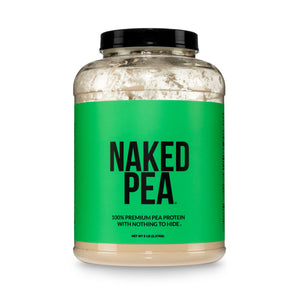
Pea Protein Powder | Naked Pea - 5LB
$57.99
- ✓ Sustainable Farming Practices
- ✓ Superior Amino Acid Profile
- ✓ Promote Muscle Gain
- ✓ Lose Weight