




Key Takeaways
- Short answer: Chewing gum can break a fast, but it depends on the gum type, your calorie threshold, and which fasting method you follow.
- Regular gum vs. sugar-free: Regular gum contains up to 30 calories per stick and added sugars that trigger insulin. Sugar-free gum typically contains 0–10 calories and is compatible with most intermittent fasting protocols.
- Fasting method matters: Intermittent fasting is more forgiving than water-only or religious fasting, where even sugar-free gum is off-limits.
- The 50-calorie guideline: Many IF practitioners use a 50-calorie threshold to define "breaking" a fast, but this isn't universally agreed upon and doesn't apply to autophagy-focused fasting.
- Best gum choice: Sugar-free gum sweetened with xylitol, under 15 calories per stick, is the safest option for most fasters.
- Breaking your fast right: When your fasting window ends, prioritize easily digestible, high-protein foods to support muscle and metabolic recovery.

Collagen Peptides Protein Powder | Naked Collagen - 20 oz
- 100% premium collagen peptides
- From grass-fed and pasture-raised European bovine hides
- 9g of protein and 0.6g of BCAA's per serving
- Odorless, tasteless, and easy to mix
Top Product Picks
Chosen by 1 million+ customers. Free shipping on orders over $100.

Essential Amino Acids Supplement | Naked EAAs - 50 Servings
$39.99
- ✓ Pharmaceutical-grade Essential Amino Acids
- ✓ Dissolves and mixes easily
- ✓ Quick absorption formula
- ✓ 2:1:1 ratio of L-Leucine, L-Isoleucine, and L-Valine

Branched Chain Amino Acids | Naked BCAAs - 100 Servings
$34.99
- ✓ Pharmaceutical-grade Branch Chain Amino Acids
- ✓ Dissolves and mixes easily
- ✓ Quick absorption formula
- ✓ 2:1:1 ratio of Leucine, Isoleucine, and Valine

Creatine Monohydrate Powder | Naked Creatine - 2.2LB
$35.99
- ✓ 100% premium creatine monohydrate
- ✓ Highest grade available: fast dissolving and quickly absorbed
- ✓ 5g of creatine per serving
- ✓ No artificial sweeteners, flavors, or colors
Does Chewing Gum Break a Fast? The Short Answer

You're two hours from the end of your fasting window and the hunger is creeping in. You reach for a stick of gum. Here's what you need to know before you chew: it depends on three things — the type of gum, its calorie content, and the fasting protocol you're following.
Regular gum contains sugar and enough calories to trigger an insulin response , which can pull you out of a fasted state. Sugar-free gum is far less likely to do that, but it's not automatically safe for every fasting method. A strict water-only fast or a religious fast like Ramadan doesn't allow for either.
The nuance matters. Chewing gum isn't a yes or no situation — it's a context question, and the answer changes depending on what you're fasting for and how strictly you're doing it.
How Fasting Works — And What Actually Breaks It

Fasting is simply a deliberate period of food restriction. People fast for a range of reasons: weight loss, improved insulin sensitivity, metabolic health, cellular repair through autophagy, or gut rest. Each of these goals responds differently to what enters your body during a fasting window.
There are two main mechanisms by which something can break a fast. First, caloric intake — consuming enough calories to signal your body that feeding has resumed, shifting it out of a fat-burning state. Second, an insulin response — even without significant calories, certain substances can prompt insulin release, which suppresses fat oxidation and may interrupt metabolic fasting benefits.
- Caloric intake above your fasting threshold signals the body to resume digestion and glucose metabolism
- An insulin response — triggered by sugar, some sweeteners, or even the anticipation of food — suppresses fat oxidation
- The cephalic phase insulin response (CPIR): the act of chewing and tasting something sweet can trigger a small insulin release before any food is even swallowed
- For autophagy-focused fasting, even minor caloric or insulin triggers may blunt cellular repair processes
This last point is worth understanding if you fast for autophagy — your body's process of clearing out damaged cells. Autophagy is exquisitely sensitive to nutrient signals. Even a trace caloric input or a modest insulin spike can slow it down. If longevity and cellular health are your primary fasting goals, the bar for "safe" additions to your fast is higher than it is for general intermittent fasting.
"Breaking a fast" genuinely means different things depending on why you're fasting. That's not a loophole — it's an important distinction that should guide every decision you make during a fasting window, including whether to reach for that stick of gum.
Does Gum Have Calories? Regular vs. Sugar-Free Gum Compared

Not all gum is created equal when it comes to calorie content. Regular chewing gum is sweetened with sugar or corn syrup and can contain up to 30 calories per stick, according to USDA nutrition data [1] [2] [3]. Chew three or four pieces and you've consumed close to 100 calories — enough to meaningfully interrupt a fast for most protocols.
Sugar-free gums typically contain 0 to 10 calories per stick. They replace sugar with sugar alcohols like xylitol, erythritol, or sorbitol. These compounds are only partially digested in the small intestine, which means they contribute fewer usable calories and produce a blunted glycemic response compared to regular sugar. That said, they aren't zero-impact — large quantities can cause GI distress, particularly sorbitol.
| Gum Type | Avg. Calories Per Stick | Contains Sugar | Fasting-Friendly? |
|---|---|---|---|
| Regular gum | 10–30 calories | Yes | No (for most protocols) |
| Sugar-free (sugar alcohol) | 0–10 calories | No | Yes, for IF (limit quantity) |
| Sugar-free (artificial sweetener) | 0–5 calories | No | Generally yes, with caveats |
| Water-only fast: any gum | Any | Either | No |
Some sugar-free gums rely on artificial sweeteners like aspartame or sucralose instead of sugar alcohols. These are essentially calorie-free but come with their own considerations — emerging research suggests they may influence the gut microbiome, though the clinical significance of this for short fasting windows is still being studied. If you want to minimize variables, choose gums sweetened with xylitol or erythritol over those with synthetic sweeteners.
Will Sugar-Free Gum Break a Fast? It Depends on Your Fasting Method

Sugar-free gum is unlikely to break an intermittent fast for most people, but that answer isn't universal. The fasting method you're using sets the rules.
📊 What Research Says
Research on sugar alcohols confirms that they are only partially absorbed in the gut, producing a lower glycemic and insulin response than regular sugar. However, as Mäkinen (2016) notes in the International Journal of Dentistry, large quantities of sorbitol in particular are associated with osmotic diarrhea and digestive discomfort — one more reason to keep gum consumption to 1–2 pieces during a fast [4].
Here's how gum maps to the most common fasting types:
- Intermittent fasting (16:8, 5:2): Sugar-free gum is generally compatible. Many practitioners apply an informal 50-calorie threshold — staying under this keeps the body in a functional fasted state. Note that this threshold isn't a universal clinical standard; it's a practical guideline used within the IF community.
- Water-only fasting: No gum of any kind. The goal here is complete digestive and metabolic rest, and even minimal caloric or taste stimuli are outside the protocol.
- Religious fasting (Ramadan, Yom Kippur): These fasts are governed by specific religious guidelines, not nutritional ones. Both typically prohibit gum, regardless of calorie content.
- Prolonged fasting (48+ hours): Similar restrictions to water-only fasting apply. The longer the fast, the more sensitive the system becomes to any input.
- Autophagy-focused fasting: Even trace calories or the cephalic phase insulin response from sweet flavors may blunt autophagy. Water is the only genuinely safe option here.
For standard intermittent fasting, 1–2 pieces of sugar-free gum during your fasting window is unlikely to cause a problem. The key is keeping an eye on total calorie intake across all your fasting-window choices, not just the gum.
What to Look For When Buying Gum While Fasting
If you're going to chew gum during a fast, choose deliberately. Not all sugar-free gums are equal in terms of sweetener type, calorie load, or downstream effects on hunger and digestion.
Here's what to look for on the label:
- Sugar-free label: This is the baseline. Don't assume — check the ingredient list.
- Under 15 calories per stick: This leaves you enough margin to chew 1–2 pieces without approaching any reasonable fasting threshold.
- Xylitol as the primary sweetener: Xylitol is the preferred choice. It has well-documented dental benefits, including reducing cavity-causing bacteria, and produces a minimal insulin response [5]. It's a practical double benefit during a fast.
Sweeteners to approach with more caution:
- Sorbitol: Fine in small amounts, but high quantities cause GI distress. If you're chewing gum to manage hunger through a long fast, this is a real risk.
- Aspartame and sucralose: Calorie-free, but contested in terms of gut microbiome effects. Not an immediate fast-breaking concern, but worth noting if gut health is part of your fasting goal.
One more consideration: the flavor itself. The cephalic phase insulin response means that tasting something sweet — even without swallowing it — can stimulate digestive enzyme release and appetite signals. Strong mint or fruit-flavored gums may paradoxically make you feel hungrier. If that's been your experience, it's not in your head.
A practical rule: stick to 1–2 pieces maximum during a fasting window, regardless of gum type.
What Else Can You Have While Fasting?
Gum isn't your only option for getting through a fasting window. Several zero or near-zero calorie options are compatible with most intermittent fasting protocols and carry less fasting risk than gum.
- Water: The one universal option across every fasting method. Still, plain, sparkling — all acceptable.
- Black coffee: Virtually calorie-free and well-tolerated in IF. It also supports fat oxidation during fasted periods. The moment you add creamer, milk, or a sweetener, you're introducing calories and potentially an insulin trigger.
- Plain herbal or green tea: Same principle as black coffee — nothing added. Some teas have mild appetite-suppressing effects, making them genuinely useful during a fast.
- Sparkling water: A useful tool for managing the feeling of an empty stomach. Carbonation provides physical volume without calories.
- Electrolyte supplements: For fasts lasting longer than 16–18 hours, electrolyte loss becomes relevant. Choose formulas with zero or near-zero calories — sodium, potassium, and magnesium without added sugar or significant carbohydrates.
- Sugar-free mints: A gum alternative with the same caveats. Check the calorie and sweetener content. Limit quantity for the same reasons.
The consistent thread: any addition to your fasting window that includes calories, sugar, or a strong sweet flavor introduces some level of fasting risk. Black coffee and plain water carry essentially none. Everything else requires a label check.
How to Break Your Fast the Right Way

What you eat when your fasting window ends matters as much as what you avoided during it. After an extended fast, your digestive system benefits from a gradual reintroduction of nutrients rather than an immediate large meal.
The goal is a first meal that's easy to digest, high in protein, and nutrient-dense. Protein is the priority — it supports muscle protein synthesis , helps rebuild glycogen stores, and keeps you satiated through the next phase of your day. Whole food sources also provide the vitamins, minerals, and fiber that your body has been running without.
- Greek yogurt with mixed berries and low-sugar granola — protein, probiotics, and easily digestible carbohydrates
- A plant protein smoothie with leafy greens, frozen fruit, and a tablespoon of ground flaxseed for fiber
- Eggs with leafy greens — complete protein, minimal GI burden
- Light whole foods like sliced fruit, avocado, or a small handful of nuts as an entry point before a larger meal
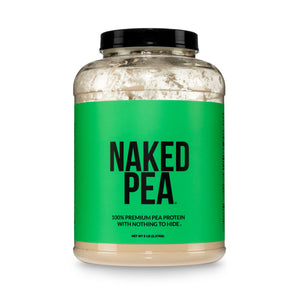
If you need something quick and easy to digest right at the end of your window, a high-quality protein powder blended into a smoothie is one of the most practical options. Naked Nutrition's plant protein powder is a clean choice here — no artificial additives, easy on the digestive system, and it delivers a solid protein dose to kick off muscle recovery. Blend one scoop with frozen mixed berries, a handful of fresh spinach, your milk of choice, and a tablespoon of ground flaxseed for a fast-breaking meal that covers protein, fiber, and micronutrients in one go.
Avoid jumping straight into heavy, high-fat, or highly processed meals after a fast. Your digestive system has been quiet — give it a gentle re-entry before loading it with a large plate of food.
Frequently Asked Questions
Does chewing gum break a fast?
It depends on the type of gum and your fasting goal. Sugar-free gum contains minimal to zero calories, so it's unlikely to meaningfully disrupt a fast focused on metabolic benefits like fat oxidation or ketosis. Gum sweetened with sugar, however, delivers a small glucose load that can trigger an insulin response and technically end your fast.
Does sugar-free gum raise insulin levels?
Some artificial sweeteners, particularly those derived from sugar alcohols like maltitol, can produce a modest insulin response. Xylitol and sorbitol, both common in sugar-free gum, have lower glycemic indices than sugar but aren't completely neutral. If strict insulin control is your fasting goal, plain water or black coffee is a safer choice than any flavored gum.
Will chewing gum affect autophagy during a fast?
Autophagy, the cellular cleanup process activated by prolonged calorie restriction, is sensitive to insulin and mTOR signaling. Chewing sugar-free gum introduces trace amounts of sweeteners and flavoring compounds that could theoretically blunt autophagy at the margins. The research on this specific interaction is limited, so if maximizing autophagy is your goal, eliminating gum is the conservative call.
Can chewing gum trigger the cephalic phase insulin response?
Yes. The cephalic phase insulin response is a reflex insulin release triggered by the smell, taste, or anticipation of food, even before any calories are absorbed. Chewing flavored gum can activate this response because your body perceives sweetness as a signal that food is incoming. The magnitude of this release is generally small, but it's a real physiological event worth accounting for if you're fasting for metabolic precision.
How many calories are in a piece of chewing gum?
Most sugar-free gum contains between 2 and 5 calories per piece, while regular sugar gum typically runs 10 to 25 calories per piece depending on the brand and size. At those numbers, a single piece of sugar-free gum is unlikely to disrupt fat burning on its own. The concern isn't the calorie count alone; it's the hormonal signals those calories and sweeteners send.
Is gum safe to chew while doing intermittent fasting for weight loss?
For most people doing intermittent fasting primarily for weight loss, one or two pieces of sugar-free gum during the fasting window won't derail results. The caloric impact is negligible, and if gum helps you stay consistent and avoid breaking your fast with actual food, it's a reasonable trade. Consistency with your eating window matters far more for long-term weight management than eliminating a two-calorie piece of gum.
What sweeteners in gum are least likely to interfere with a fast?
Xylitol and erythritol have the lowest glycemic impact among common gum sweeteners, making them the better options if you want to minimize insulin disruption. Aspartame and sucralose are calorie-free but may still trigger a cephalic phase response due to their sweet taste. Avoid gums listing maltitol or sorbitol high on the ingredient list, as those carry a more meaningful glycemic load.
Should you chew gum while fasting, or are there better alternatives?
If you're chewing gum to manage hunger or freshen breath during a fast, it works for many people without significant consequence. Black coffee, plain sparkling water, or herbal tea are cleaner options that provide zero sweetener exposure and still help curb appetite. Brushing your teeth with a non-sweet toothpaste is another effective breath solution that carries no fasting risk at all.