



On this page
Protein Powder Heavy Metals: What's Actually in Your Whey
Test results show detectable heavy metals in popular protein powders — here's what the levels actually mean for your health.

Key Takeaways
- Heavy metals are documented: Lead, cadmium, mercury, and arsenic have been found in measurable amounts across virtually all protein powder categories tested.
- Plant proteins test higher: The Clean Label Project's study of 134 protein powders found soy and hemp proteins carry significantly more heavy metal contamination than whey or egg protein.
- Risk compounds with daily use: Heavy metals bioaccumulate in the body over time. Athletes taking multiple servings per day face the greatest cumulative exposure risk.
- Organic doesn't mean clean: An organic certification does not protect against heavy metal contamination, because the metals enter through soil and water, not pesticide use.
- Third-party testing is your best filter: Look for NSF Certified for Sport, Informed Sport, or Clean Label Project verified badges, and prioritize brands that publish their actual lab results.

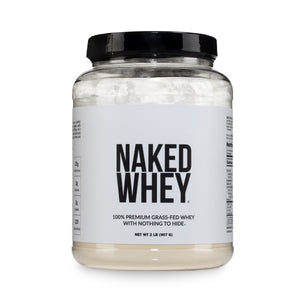
Grass Fed Whey Protein Powder | Naked Whey - 5LB
- Build and Maintain Lean Muscle Mass
- Boost Immune System
- Lose Fat
- Improve Heart Health
Are There Heavy Metals in Protein Powder? What the Research Says
If you're adding protein powder to multiple meals a day, you're not just managing your macros. You're also managing whatever else is in that powder, and the research is clear that heavy metals belong on that list. Lead, cadmium, mercury, and arsenic have all been detected in commercially available protein powders at measurable levels. This isn't fringe science or a one-off finding. It's a documented, replicated pattern.
The most comprehensive data comes from the Clean Label Project, which tested 134 protein powder products across major brands and categories. The results were striking: virtually every product contained at least one detectable heavy metal. Some contained multiple. The levels varied widely by protein type, brand, and sourcing, but no category was entirely clean.
For the average person who uses protein powder a few times a week, this might be a minor concern. For athletes, bodybuilders, or anyone supplementing two to three times daily over years, the math changes. Heavy metals accumulate in the body. They don't flush out between servings. That's the detail most supplement marketing leaves out, and it's exactly why this topic deserves a straightforward look.
This article breaks down how heavy metals get into protein powder, which types carry the most risk, what the health consequences of long-term exposure look like, and how to identify products that have actually been tested and verified as cleaner options.
How Do Heavy Metals Get Into Protein Powder?

Heavy metals don't get added to protein powder on purpose. They enter through agricultural and manufacturing systems that most consumers never see. Understanding the contamination pathway helps explain why the problem is so widespread, and why it's not as simple as choosing one brand over another.
The primary route is soil and water contamination. Industrial activity, mining, certain pesticides, and even natural geological deposits can leave heavy metals in the soil. Plants grown in that soil absorb those metals through their roots as part of normal nutrient uptake. The plant doesn't distinguish between beneficial minerals and toxic ones. Crops like soy and hemp, which are grown in soil that has been subjected to years of intensive agricultural use, are particularly susceptible to this pathway.
For animal-based proteins like whey, casein, and egg, the contamination route is indirect but still real. When livestock consume feed grown in contaminated soil, trace heavy metals enter their tissues, milk, and eggs. Pasture conditions, geographic region, and feed sourcing all affect how much contamination transfers to the final product. As the Environmental Defense Fund notes, this pathway is well established across multiple food categories, not just supplements [1].
A third route is the manufacturing process itself. Equipment, processing aids, and facility standards can introduce or concentrate heavy metals during production. This is why two products using the same raw ingredient can test differently depending on where and how they're processed.
- Soil absorption: Plants grown in heavy metal-contaminated soil take up those metals directly through their root systems.
- Animal feed transfer: Livestock eating contaminated crops pass trace metals into milk, eggs, and meat, affecting whey, casein, and egg proteins.
- Processing and manufacturing: Equipment and facility conditions can introduce or amplify contamination during production, regardless of ingredient quality.
No protein type is fully immune from this risk. But the contamination levels differ enough between categories to make sourcing and testing decisions meaningful.
Which Protein Powders Have the Most Heavy Metals?

Not all protein powders carry the same contamination risk. The Clean Label Project's testing of 134 protein powders found a consistent pattern: plant-based proteins, particularly soy and hemp, tested significantly higher for heavy metals than animal-based proteins like whey and egg [2].
The reason comes back to the soil absorption pathway. Plants concentrate heavy metals more directly than animals do. Soy is one of the most widely grown crops in the United States, often cultivated in soil with a long history of agricultural use and potential contamination. Hemp is a bioaccumulator by nature, meaning it actively draws contaminants from the soil, which is why it's sometimes used in phytoremediation projects to clean up polluted land. That biological efficiency works against you when it comes to protein powder purity.
Whey and egg proteins generally test lower because the contamination must pass through an additional biological filter: the animal itself. Animals don't accumulate heavy metals with the same efficiency as plants, which means the metals that do transfer are typically present at lower concentrations in the final product. This doesn't make whey or egg protein risk-free, but the baseline contamination level tends to be lower when sourcing is well-controlled.
📊 What Research Says
The Clean Label Project's analysis of 134 protein powders found that plant-based protein powders contained significantly higher concentrations of heavy metals compared to whey and egg proteins. Soy and hemp products were among the highest-testing categories. Virtually every product tested positive for at least one heavy metal, regardless of type [2].
One finding from the Clean Label Project deserves particular attention: organic-labeled protein powders were not cleaner than conventional ones. In some cases, they tested higher. An organic certification addresses pesticide use, not heavy metal contamination. If the soil or water source is contaminated, the crop will be contaminated regardless of how it was farmed. This is a meaningful distinction that many consumers overlook when making purchasing decisions.
What Are the Health Risks of Heavy Metals in Protein Powder?

The danger with heavy metals isn't usually a single exposure. It's accumulation. The body doesn't efficiently excrete lead, cadmium, mercury, or arsenic. They build up in organs and tissues over time, and the health consequences tend to appear years or decades after the exposure began. For someone using protein powder daily across a multi-year fitness routine, that timeline is directly relevant.
Each metal carries its own risk profile:
- Lead targets the nervous system and brain. Chronic low-level exposure is associated with cognitive decline, behavioral changes, and developmental damage in children.
- Cadmium accumulates in the kidneys with a biological half-life of 10 to 30 years. Long-term exposure is linked to kidney damage and bone density loss.
- Mercury affects the central nervous system. Symptoms of chronic exposure include neurological impairment, memory problems, and coordination issues.
- Arsenic is a known carcinogen. Chronic ingestion is associated with cancers of the bladder, lung, and skin, as well as cardiovascular disease and type 2 diabetes.
As the Environmental Defense Fund documents, heavy metal exposure has been linked to increased risk of cancer, kidney disease, cardiovascular disease, and neurological damage [1]. The populations most vulnerable are pregnant women, children, and high-volume athletes consuming two or more servings per day.
A 2020 study examining health risks from heavy metal ingestion in protein supplements found no immediate adverse health effects at typical serving levels [3]. But that finding has an important limitation: it assessed acute effects, not the long-term cumulative exposure that represents the actual concern. One serving isn't the problem. Three hundred servings a year for five years is a different calculation entirely.
The regulatory gap makes this worse. Dietary supplements in the United States are not subject to the same pre-market safety testing requirements as food products. Brands are not required to test for heavy metals before selling. That responsibility falls to the consumer, which is why third-party verification matters.
How to Choose a Protein Powder Free of Heavy Metals

You can't tell from the label whether a protein powder has been tested for heavy metals. Marketing language like "clean," "natural," or even "organic" tells you nothing about actual metal content. Here's what actually gives you usable information:
- Third-party testing certifications: Look for NSF Certified for Sport, Informed Sport, or Clean Label Project verified seals. These programs test finished products, not just raw ingredients, and hold brands accountable to specific contamination thresholds.
- Published lab results: The best brands don't just claim their products are tested. They post the results. If a brand can't show you actual numbers, treat the claims with skepticism.
- US or Canadian sourcing: Agricultural standards in the United States and Canada are generally stricter than those in many exporting countries. Protein sourced domestically carries a lower baseline risk of soil and water contamination from unregulated industrial activity.
- Pasture-raised sourcing for whey and casein: Cows that spend significant time on open pasture, rather than confined feeding operations, are less exposed to concentrated contaminated feed. This reduces the animal-feed contamination pathway meaningfully.
- Minimal ingredient lists: Proprietary blends and long additive lists make it harder to trace contamination sources. A shorter, fully disclosed ingredient list is a basic form of transparency that correlates with better quality control overall.
The organic label is not a heavy metal guarantee. Organic certification confirms that synthetic pesticides weren't used. It does not screen for lead, cadmium, arsenic, or mercury. If you're prioritizing heavy metal safety specifically, third-party testing certifications are the only label that directly addresses that concern.
These filters won't eliminate every risk, but they narrow the field significantly. Brands that invest in third-party testing, publish their results, and source carefully tend to produce cleaner products because the accountability structure demands it.
Why Naked Nutrition Whey Protein Is a Cleaner Choice
Naked Nutrition built its product line around the principle that fewer ingredients and greater transparency produce better supplements. That approach directly addresses the heavy metal contamination problem at its source.
Naked Whey is sourced exclusively from small dairy farms in Northern California and Idaho. The cows on these farms spend the majority of the year grazing on open pastures, which means they're consuming significantly less concentrated grain-based feed than conventionally raised dairy cows. Pasture-raised sourcing reduces the animal-feed contamination pathway that affects most whey proteins produced at industrial scale.
The ingredient list for Naked Whey is one ingredient: whey protein concentrate. No artificial sweeteners, no preservatives, no proprietary blends, no additives that obscure what you're actually consuming. That level of simplicity makes third-party testing more meaningful because there are fewer variables and sources of contamination to account for.
Naked Nutrition provides third-party heavy metal testing on its products, giving consumers access to the actual data rather than just a marketing claim. That transparency is the standard you should hold any protein brand to before committing to daily use.
For athletes who want the benefit of a slower-digesting option with the same sourcing standards, Naked Casein follows the same principles: single-source dairy, pasture-raised cows from US farms, and a minimal ingredient list designed for verified purity.
- Sourced from small US dairy farms in Northern California and Idaho, not international commodity suppliers
- Pasture-raised cows reduce the animal-feed contamination pathway that affects most conventional whey
- Single-ingredient formula with no additives, sweeteners, or proprietary blends that obscure sourcing
- Third-party heavy metal testing with published results, not just a certification claim
If you're weighing a plant-based option, the same due diligence applies. Prioritize brands in that category that test specifically for heavy metals, given that soy and hemp proteins carry a higher baseline contamination risk. The certification and transparency standards don't change just because the protein source does.
Key Takeaways: Protein Powder and Heavy Metals
Heavy metals in protein powder are a real concern, not a fringe worry. The contamination is documented, the health risks from long-term accumulation are serious, and the regulatory system doesn't require brands to test before they sell. That puts the work of verification on you as the consumer. Here's what to carry forward:
- The contamination is widespread. Virtually every protein powder tested by the Clean Label Project contained at least one detectable heavy metal. No category is fully exempt.
- Plant proteins, especially soy and hemp, test higher than whey and egg proteins. The soil absorption pathway concentrates metals more directly in plant-based products.
- Organic certification doesn't protect you from heavy metal contamination. Only third-party testing certifications that specifically screen for metals are relevant here.
- Daily use compounds the risk. Single-serving exposure may be within tolerable limits. Multi-serving daily use over years is a different calculation, and high-volume athletes need to take this seriously.
- Transparency is a practical filter. Brands that publish lab results, carry verified third-party certifications, and source from known US or Canadian farms reduce your risk more reliably than any label claim alone.
The supplement market has no shortage of products claiming to be clean. The ones that can prove it with third-party data and traceable sourcing are the ones worth buying. Check for the testing, read the results, and choose accordingly. That's the whole framework.
Frequently Asked Questions
Do all protein powders contain heavy metals?
Most protein powders contain trace amounts of heavy metals like lead, cadmium, arsenic, and mercury, because these elements occur naturally in soil and are absorbed by plants during growth. Animal-based proteins like whey and casein tend to test lower than plant-based options, though no category is entirely free of them. The real question isn't whether trace amounts exist, it's whether those amounts exceed safe thresholds.
Which protein powders have the highest heavy metal levels?
Plant-based protein powders, particularly those made from brown rice, hemp, and pea protein, consistently test higher for heavy metals than whey or egg white proteins. A 2018 Clean Label Project study found that plant-based blends averaged more than double the heavy metal content of animal-based proteins across 134 products tested. Chocolate-flavored powders also tended to score higher, likely due to cadmium naturally present in cacao.
Are heavy metals in protein powder actually dangerous?
At low levels, the trace heavy metals found in most protein powders are unlikely to cause harm for the average adult using one serving per day. The concern grows with high daily intake, long-term use, or products that consistently test near or above California's Prop 65 thresholds, which set a daily limit of 0.5 mcg for lead and 4.1 mcg for arsenic. Children, pregnant women, and individuals with impaired kidney function face greater risk and should be especially selective about sourcing.
How do I know if my protein powder has been tested for heavy metals?
Look for products that carry third-party certifications from organizations like NSF International, Informed Sport, or Banned Substances Control Group (BSCG), all of which include heavy metal testing in their protocols. A Certificate of Analysis (COA) from an independent lab is the most direct proof, and reputable brands will make these available on request or publish them online. If a brand can't produce a COA, treat that as a red flag.
Does whey protein contain heavy metals?
Whey protein does contain detectable heavy metals, but at levels that consistently test lower than most plant-based proteins. Because whey is derived from dairy, it bypasses the direct soil absorption that drives higher contamination in plant proteins. Third-party tested whey from grass-fed sources with transparent COAs represents one of the cleaner options available in the protein powder market.
What government standards regulate heavy metals in protein powder?
In the United States, the FDA does not set specific heavy metal limits for dietary supplements, which means protein powders aren't subject to mandatory contamination thresholds at the federal level. California's Proposition 65 is the most widely referenced standard, requiring warning labels when products expose consumers to lead above 0.5 mcg per day or cadmium above 4.1 mcg per day. The absence of federal limits makes independent third-party testing the most reliable safeguard for consumers.
Can I reduce my exposure to heavy metals from protein powder?
Yes, and the approach is straightforward. Choose products that have been independently tested and carry a current COA showing results below Prop 65 limits. Rotating protein sources, avoiding excessive daily servings, and prioritizing brands with transparent manufacturing practices all reduce cumulative exposure over time.
Is Naked Whey tested for heavy metals?
Naked Nutrition tests its products through accredited third-party labs and makes Certificates of Analysis available, covering heavy metals including lead, cadmium, arsenic, and mercury. Naked Whey uses a single ingredient, grass-fed whey protein concentrate, which keeps the potential sources of contamination minimal compared to multi-ingredient blends. You can request the most current COA directly through the Naked Nutrition website.
Top Whey Protein Picks
Chosen by 1 million+ customers. Free shipping on orders over $100.
Grass Fed Whey Protein Powder | Naked Whey - 5LB
$99.99
- ✓ Build and Maintain Lean Muscle Mass
- ✓ Boost Immune System
- ✓ Lose Fat
- ✓ Improve Heart Health

Chocolate Peanut Butter Whey Protein Powder 2LB | Naked Whey - 2LB
$44.99
- ✓ Whey Protein Base
- ✓ Third-Party Tested
- ✓ No Artificial Additives

Chocolate Peanut Butter Whey Protein Powder | Naked Whey - 5LB
$99.99
- ✓ Whey Protein Base
- ✓ Third-Party Tested
- ✓ No Artificial Additives

Chocolate Whey Protein Powder 1lb | Naked Chocolate Whey - 1LB
$26.99
- ✓ Whey Protein Base
- ✓ Non-GMO
- ✓ Grass-Fed Source