



Key Takeaways
- Yes, it's safe: Mixing BCAAs into coffee is safe for most healthy adults, with no direct negative interactions between caffeine and branched-chain amino acids.
- Heat is not a problem: Standard hot coffee sits well below the boiling threshold that would denature amino acids, so the BCAAs remain effective.
- Performance benefits stack: Caffeine stimulates the central nervous system while BCAAs provide direct muscle fuel and reduce glycogen depletion, making the combination useful pre-workout.
- Timing matters: Pre-workout (30 to 45 minutes before training) or first thing in the morning are the best windows. Avoid BCAA coffee in the evening due to caffeine's effect on sleep.
- Mixing technique matters: Use a frother or blender, let hot coffee cool slightly, or use cold brew for the smoothest result.
- Choose clean powder: Unflavored BCAAs with no artificial sweeteners or fillers mix best and avoid digestive issues.

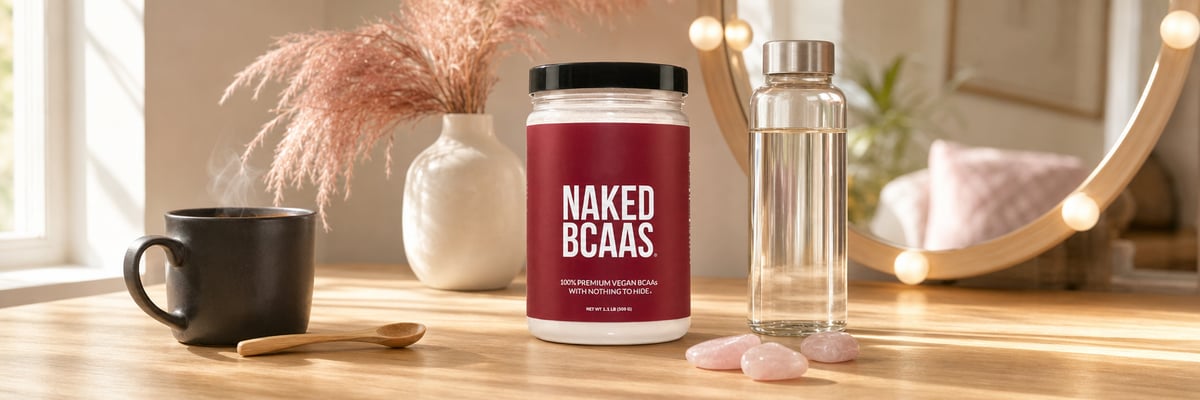
Branched Chain Amino Acids | Naked BCAAs - 100 Servings
- BCAA Formula
- No Artificial Additives
- Made in the USA
- Quality Verified
Can You Put BCAAs in Coffee? The Short Answer

You already drink coffee every morning. You're already taking BCAAs. The obvious question is whether you can combine them into one drink and skip a step. The answer is yes, and it's more than just a convenient shortcut.
BCAAs, short for branched-chain amino acids, are three essential amino acids: leucine, isoleucine, and valine. Unlike most amino acids, they bypass the liver after absorption and go directly into the bloodstream, where they serve as an immediate increase energy source for working muscles and can support muscle protein synthesis. Caffeine, on the other hand, works through the central nervous system to reduce perceived effort and delay fatigue.
Combining the two gives you a drink that works on two separate performance mechanisms at once. That's not marketing spin. It's physiology.
This guide covers everything you need to know about BCAA coffee: whether it's safe, whether heat damages the amino acids, how to mix it properly, when to take it, and what to watch out for. If you're going to do this regularly, it's worth doing it right.
Is It Safe to Mix BCAAs in Coffee?

For most healthy adults, yes. There are no direct negative interactions between caffeine and branched-chain amino acids. The two compounds work through different mechanisms and don't interfere with each other's absorption or function.
The main safety consideration is caffeine tolerance. Caffeine is a stimulant, and consuming too much can cause jitteriness, rapid heart rate, elevated blood pressure, agitation, and difficulty sleeping. If you're sensitive to caffeine or already drink multiple cups per day, adding more through a BCAA coffee routine can tip you over your tolerance threshold.
Timing is worth thinking about too. Avoid mixing BCAAs into coffee in the evening. Caffeine has a half-life of roughly five to six hours in most people, which means an afternoon cup can still be disrupting your sleep at midnight. Keep BCAA coffee to morning or pre-workout use.
Supplement quality also matters here. Low-quality BCAA powders that contain sugar alcohols, artificial sweeteners, or unregulated fillers can cause digestive distress. This is an issue with the supplement, not the combination itself. Choose a clean product with a minimal ingredient list.
One practical safety note: don't shake hot coffee in a sealed container. The pressure buildup from heat and agitation can cause the lid to blow off. Use an open vessel, a frother, or wait until the coffee has cooled before mixing.
Does Heat Affect BCAAs in Coffee?

This is one of the most common concerns, and the short answer is: not at the temperatures you're working with. BCAAs are amino acids, not complex proteins with fragile three-dimensional structures. They are chemically stable under normal hot coffee conditions.
Proteins denature when exposed to boiling temperatures (100°C or 212°F) for sustained periods. Your coffee, even freshly brewed, comes out of a machine at around 85 to 95°C and cools quickly in the cup. That's below the threshold needed to meaningfully alter the structure of free-form amino acids like leucine, isoleucine, and valine.
📊 What Research Says
Free-form amino acids like the BCAAs used in powdered supplements are significantly more heat-stable than intact proteins. Research on amino acid thermal stability confirms that standard food-preparation temperatures do not degrade the bioavailability of leucine, isoleucine, or valine. The concern about heat applies to complex protein structures, not isolated amino acids.
That said, letting your coffee cool for two to three minutes before adding BCAA powder does improve the mixing result. Very hot liquid makes clumping more likely, and a slightly cooler base gives you a smoother final texture. If you prefer cold brew or iced coffee as your base, that works equally well and often produces the cleanest mix.
Benefits of Mixing BCAAs with Coffee

Combining these two compounds isn't just about convenience. Each one delivers distinct performance benefits, and in several cases they work in a complementary way.
- Caffeine stimulates the central nervous system, reducing perceived effort and delaying the onset of fatigue.
- BCAAs bypass the liver and enter the bloodstream directly, providing muscles with an immediate energy source during training.
- Together, they target two separate fatigue pathways: central nervous system fatigue and peripheral muscle fatigue.
- BCAAs also compete with tryptophan for brain uptake, which during intense exercise delays the serotonin-driven feeling of tiredness.
Energy and focus: Caffeine and BCAAs have both been shown to improve energy levels and focus, particularly during endurance exercise. Caffeine handles the mental side, while BCAAs reduce the metabolic signals that tell your brain to slow down.
Workout performance: Caffeine encourages the body to oxidize fat as a fuel source rather than depleting glycogen reserves early. This extends performance capacity at higher intensities. BCAAs contribute to glycogen sparing by giving muscles an alternative fuel source, so the two compounds work in parallel to push your endurance ceiling higher.
Recovery: BCAAs reduce muscle protein breakdown during and after training. If drinking them in coffee is what makes you consistent with your intake, then the format is serving the function. Reduced delayed-onset muscle soreness (DOMS) means you can train again sooner with less accumulated fatigue.
Brain health: BCAAs influence the production of neurotransmitters including glutamate and GABA, which are involved in memory, focus, and mood regulation. The tryptophan competition effect is worth understanding: in high doses without sufficient dietary protein, BCAAs can reduce serotonin precursor availability. The practical fix is simple. Eat enough complete protein throughout the day and this isn't a concern.
How and When to Take BCAA Coffee for Best Results

Getting the dosage and timing right determines whether BCAA coffee is a useful performance tool or just an expensive morning drink.
Dosage: A standard effective dose of BCAAs is 5 to 10 grams per serving. Most research on muscle protein synthesis and recovery uses doses in this range. Going below 5g provides minimal benefit. Going significantly above 10g doesn't add proportional value and increases the risk of GI discomfort.
For caffeine, keep your BCAA coffee contribution in the range of 100 to 200 mg. This range enhances energy, endurance, and resistance to fatigue during prolonged exercise without triggering the negative side effects associated with excessive caffeine intake. A standard 8 oz brewed coffee typically contains 80 to 100 mg of caffeine, so a single cup keeps you comfortably within range.
Best timing windows:
- Pre-workout (30 to 45 minutes before training): This is the most effective window. Caffeine has time to reach peak plasma levels and BCAAs are available in the bloodstream when your muscles need them most.
- Morning fasted: If you train fasted or simply want muscle preservation during a long morning before eating, BCAA coffee covers both caffeine and amino acid needs simultaneously.
- Evening: not recommended. Caffeine will interfere with sleep quality regardless of whether BCAAs are present.
BCAA coffee vs. BCAAs in water: Neither is objectively better. The amino acids function the same way regardless of the liquid carrier. The advantage of coffee is the additive effect of caffeine and the consolidation of two habits into one. If you're not a coffee drinker, mixing BCAAs in water works just as well for the amino acid benefits. For more on timing, see our guide on When Should You Take BCAAs?
How to Mix BCAAs into Coffee Without Clumping
The biggest practical complaint about BCAA coffee is texture. Done carelessly, you get floating powder, gritty residue, or uneven flavor. Here's how to avoid all of that.
- Use a frother or blender: A milk frother is the easiest tool for smooth incorporation. A blender works well for larger volumes. Both produce a significantly better result than stirring with a spoon.
- Let the coffee cool slightly: Give your freshly brewed coffee two to three minutes before adding powder. The slight drop in temperature reduces clumping and makes the mix more workable.
- Start with cold brew or iced coffee: These are the most forgiving bases. Cold liquid mixes more smoothly with most BCAA powders and avoids the heat-related clumping problem entirely.
- Pre-mix with milk first: If you're adding any kind of milk or plant-based milk, mix the BCAA powder into that first in a shaker bottle, then add the milk mixture to your coffee. This creates a more uniform suspension.
- Choose unflavored BCAA powder: Flavored BCAAs can clash with coffee's natural bitterness and produce odd-tasting results. Unflavored powder integrates cleanly and lets the coffee flavor lead.
- Never use a sealed shaker bottle with hot liquid: Pressure buildup from heat and agitation is a spill hazard. Use an open container or wait until the coffee cools.
- Watch the add-ins: If you're using BCAA coffee to support body composition goals, heavy cream, flavored syrups, and large amounts of sugar add calories that work against you. Keep it clean or add a small amount of unsweetened milk.
Potential Downsides to Be Aware Of
BCAA coffee works well for most people, but there are a few situations where it can cause problems. Know these before making it a daily habit.
Digestive upset: Coffee is a GI stimulant. It increases colonic motility, which is useful when you need a bathroom break in the morning but less useful mid-run. Endurance athletes with sensitive stomachs, particularly runners, risk GI distress if they consume coffee close to a hard session. BCAAs from a clean powder don't typically cause digestive issues on their own. The problem usually comes from artificial sweeteners, sugar alcohols, or fillers in lower-quality products. Read ingredient labels carefully.
Caffeine overconsumption: The FDA considers 400 mg of caffeine per day safe for healthy adults. If BCAA coffee is on top of multiple other caffeinated drinks throughout your day, it's easy to exceed this. Side effects above 400 mg include anxiety, heart palpitations, elevated blood pressure, and significantly disrupted sleep. Track your total daily caffeine intake, not just what's in your morning cup.
Hydration: Caffeine has a mild diuretic effect. If you train immediately after drinking BCAA coffee without additional water intake, you're starting your session in a slight fluid deficit. Drink at least one full glass of water alongside your BCAA coffee before training. The general daily target is at least 64 oz of hydrating fluids, more on heavy training days.
Taste and texture conflicts: Even unflavored BCAA powders have a subtle flavor. Some protein powders (collagen, hemp) have strong flavor profiles that clash with coffee. Pure BCAA powders are generally neutral, but it's worth testing a small amount first before committing to a full serving in your morning cup.
Choosing the Right BCAA Supplement for Coffee
Not all BCAA powders perform equally well in coffee. The supplement market is full of products loaded with artificial sweeteners, anti-caking agents, and synthetic flavors. Some of these mix poorly, taste bad in coffee, and cause the digestive issues that people mistakenly blame on the BCAA-coffee combination itself.
Here's what to look for when choosing a BCAA powder specifically for use in coffee:
- Short ingredient list: The best BCAA powders contain BCAAs and nothing else, or very close to it. The fewer the additives, the cleaner the mix and the lower the GI risk.
- No artificial sweeteners: Sucralose, acesulfame potassium, and aspartame can produce bitter or metallic aftertastes in coffee. They also contribute to digestive distress in some people. Avoid them if coffee is your primary mixing liquid.
- Unflavored format: Flavored BCAAs are designed to taste good in water. In coffee, the flavoring compounds compete with coffee's bitterness and rarely produce a pleasant result. Unflavored is the practical choice for coffee-based use.
- 2:1:1 leucine-to-isoleucine-to-valine ratio: This is the most research-supported ratio for muscle protein synthesis and recovery. It's the standard benchmark to look for on any BCAA label.
Naked Nutrition's BCAA powder is a straightforward example of what this looks like in practice. It uses a 2:1:1 ratio, contains no artificial sweeteners, no fillers, and no synthetic additives. It mixes cleanly into both hot and cold coffee without clumping or flavor interference. If you want the performance benefits of BCAA coffee without spending time troubleshooting texture and taste issues, starting with a clean, unflavored powder removes most of the variables.
Ultimately, the best BCAA supplement for coffee is the one you'll use consistently. Getting the dosage, timing, and product quality right is what turns a morning habit into a performance tool. You can also explore related guidance on BCAAs Before or After a Workout?
Frequently Asked Questions
Can you put BCAAs in coffee?
Yes, you can mix BCAAs into coffee. BCAA powders dissolve reasonably well in hot liquids, and the combination gives you caffeine for alertness alongside leucine, isoleucine, and valine for muscle protein synthesis support. Flavored BCAA powders tend to blend better with coffee than unflavored versions, which can taste bitter on their own.
Does heat from hot coffee destroy BCAAs?
No, heat does not degrade BCAAs in any meaningful way. Amino acids are stable at the temperatures of a standard cup of coffee, typically between 140°F and 185°F. You won't lose potency by mixing your BCAA powder into a hot drink.
Will BCAAs in coffee help with pre-workout performance?
The combination can be effective as a pre-workout option. Caffeine has well-documented evidence for improving endurance, focus, and power output, while BCAAs help reduce exercise-induced muscle protein breakdown during training. Together, they cover two different performance bases without requiring a separate pre-workout supplement.
Does mixing BCAAs with coffee affect the taste of your coffee?
It depends on the BCAA product you use. Unflavored BCAAs have a naturally bitter, slightly sulfuric taste that can clash with coffee's flavor profile. Flavored options like fruit punch or citrus tend to work better, though some people prefer to add them to cold brew or iced coffee where the flavor contrast is less noticeable.
Is it safe to combine caffeine and BCAAs?
Yes, this combination is safe for healthy adults. There's no known negative interaction between caffeine and branched-chain amino acids. If you're sensitive to caffeine, stick to the amount you'd normally tolerate, since adding BCAAs doesn't change how caffeine affects your nervous system.
How much BCAA powder should you add to coffee?
A standard dose of 5 to 10 grams per serving is appropriate for most people. Research on leucine-driven muscle protein synthesis, including work by Norton and Layman published in the Journal of Nutrition, suggests at least 2 to 3 grams of leucine per dose to trigger a meaningful anabolic response. Check your BCAA product's label to confirm the leucine content per scoop.
Can you use BCAAs in coffee as a fasted morning workout strategy?
This is one of the most practical use cases for the combo. BCAAs provide amino acids to protect muscle tissue during fasted exercise without significantly disrupting a fasted state the way a full meal would. If you train early in the morning and don't want to eat beforehand, BCAA coffee is a reasonable middle-ground approach.
Are Naked Nutrition BCAAs third-party tested?
Naked Nutrition BCAA products are manufactured following current Good Manufacturing Practices (cGMP) and undergo third-party testing to verify label accuracy and screen for contaminants. This matters because the supplement industry isn't tightly regulated by the FDA, so independent verification is the standard you should hold any BCAA product to before buying.
Top General Nutrition Picks
Chosen by 1 million+ customers. Free shipping on orders over $100.

Strawberry Lemonade Branched Chain Amino Acids | Naked BCAAs - 34 Servings
$34.99
- ✓ Pharmaceutical-grade Branch Chain Amino Acids
- ✓ Dissolves and mixes easily
- ✓ Quick absorption formula
- ✓ 2:1:1 ratio of Leucine, Isoleucine, and Valine

Cherry Lime Branched Chain Amino Acids | Naked BCAAs - 34 Servings
$34.99
- ✓ Pharmaceutical-grade Branch Chain Amino Acids
- ✓ Dissolves and mixes easily
- ✓ Quick absorption formula
- ✓ 2:1:1 ratio of Leucine, Isoleucine, and Valine

Caramel Latte Protein Iced Coffee | Naked Protein Coffee - 17 Servings
$39.99
- ✓ 100% premium grass-fed whey from small dairy farms
- ✓ Real Colombian Coffee delivers 95mg of natural caffeine
- ✓ 20g of protein and 5.6g of BCAA's per serving
- ✓ Gluten free, soy free, GMO free

Hazelnut Latte Protein Iced Coffee | Naked Protein Coffee - 17 Servings
$39.99
- ✓ 100% premium grass-fed whey from small dairy farms
- ✓ Real Colombian Coffee delivers 95mg of natural caffeine
- ✓ 20g of protein and 5.6g of BCAA's per serving
- ✓ Gluten free, soy free, GMO free