


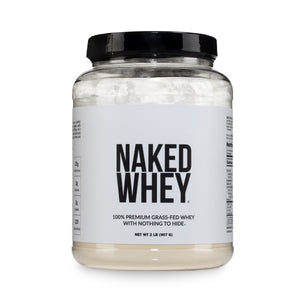
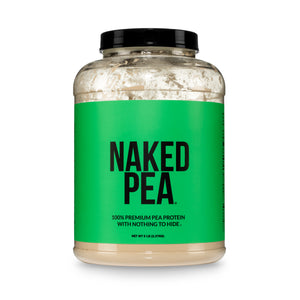

A brief look at the ingredients of the standard protein powder often yields some surprising results. After all, you would expect just one thing to be in that tub: your chosen variety of protein, right?
Unfortunately, this is seldom the case. Among the many additives that get tossed in with most protein powders, soy lecithin is one of the most common. There's a very good chance, then, that you've encountered this ingredient at some point in your career of taking protein powder. But what, exactly is soy lecithin? Why is in it in your protein powder?
What Is Soy Lecithin?
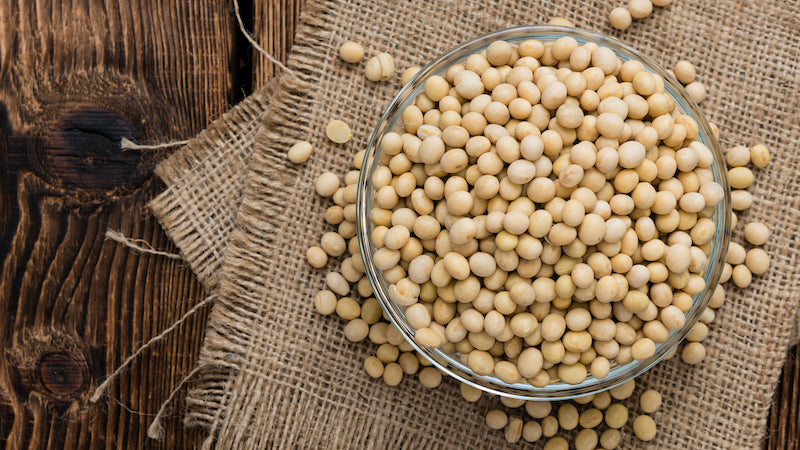
Soy lecithin is a collection of fats taken, in this case, from the ever-present and controversial soy bean. Other lecithins can be derived from eggs, sunflower seeds and tons of other food sources.
For the most part, all of these products have the same general use and purpose in processed foods: they act as a thickener. Thanks to all of the fat that they contain, lecithins help to provide a more pleasing, creamy texture to foods that are otherwise lacking.
But soy lecithin owes its popularity to one major advantage that it has over competing lecithins: it's cheap.
An Issue of Quality
But why do manufacturers feel the need to add thickeners like soy lecithin to their products? Aren't most protein powders derived from dairy or other foods that naturally have a pleasing texture? Yes, if things are handled properly.
Take whey and casein, the milk proteins, for example. When the cows are fed on a natural, grass-based diet, the milk that they produce is rich in healthy omega-3 and conjugated linoleic fatty acids. Most of the time, however, dairy cows are kept on feed lots where they are given a steady diet of grain and other foods that they would not normal eat. As a result, the milk taken from these cows is not structured the way that it should be. One of the ways this fault manifests itself is in the flavor and texture, which ends up being thin and watery.
To try to save their product and cover over the use of cheap source materials, companies add a cheap thickener like soy lecithin. Really, then, the addition of soy lecithin – and other similar substances – is a sign of a poorly-made product.
The Big Issue

But concerns over soy lecithin go much further than just complaints about quality and shady manufacturing practices. The real problem is that soy lecithin could be extremely detrimental to your health and well-being. Which is pretty counterproductive when it's included in something like protein powders, that you take to improve your health.
Much of the soy now grown for consumption is a Genetically Modified Organism (GMO). If you actively try to avoid these controversial foods, soy lecithin may be working against you. Soy lecithin also contains chemicals, called phytoestrogens, that act like the hormone estrogen once inside the human body, there are several potential complications that could arise.
Studies in rats, for example, have found that the children of mothers who ate a diet high in soy were at a significantly increased risk of developing sexual dysfunction as well as cognitive and behavioral problems as adults. These phytoestrogens also have the potential of worsening certain forms of breast cancer and should be avoided by individuals who are already dealing with this condition.