



Key Takeaways
- Brown rice carries measurable arsenic risk: The bran and hull layers that make brown rice nutritious also concentrate inorganic arsenic more than any other part of the grain.
- Inorganic arsenic is the dangerous form: Chronic exposure is linked to cancer, diabetes, cardiovascular disease, and cognitive impairment, with children and pregnant women at highest risk.
- Brown rice protein powders inherit the risk: Supplements made from brown rice carry the same arsenic profile as the source grain, so sourcing and testing matter.
- Third-party testing is the clearest safety signal: Look for brands that publish certificates of analysis for heavy metals, not just marketing claims about purity.
- Risk is manageable with informed choices: Certified organic sourcing, independent lab testing, and transparent manufacturing practices significantly reduce your exposure.

Organic Brown Rice Protein Powder | Naked Rice - 5lb
- Superior Amino Acid Profile
- Promote Muscle Gain
- Lose Weight
- Boost Protein Intake
Top Product Picks
Chosen by 1 million+ customers. Free shipping on orders over $100.

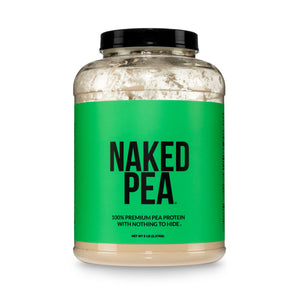
Pea Protein Powder | Naked Pea - 5LB
$57.99
- ✓ Sustainable Farming Practices
- ✓ Superior Amino Acid Profile
- ✓ Promote Muscle Gain
- ✓ Lose Weight

Seed Protein Powder | Naked Seed - 1LB
$34.99
- ✓ Seed only protein blend: organic pumpkins, sunflowers, watermelons, and organic chia
- ✓ High amino acid profile
- ✓ 20g of protein and 7.2g of amino acids per serving
- ✓ 0g of sugar

Grass Fed Whey Protein Powder | Naked Whey - 5LB
$99.99
- ✓ Build and Maintain Lean Muscle Mass
- ✓ Boost Immune System
- ✓ Lose Fat
- ✓ Improve Heart Health

Egg White Protein Powder | Naked Egg - 3LB
$79.99
- ✓ From non-GMO eggs exclusively from US farms
- ✓ Processed from fresh eggs into powder in under one day to retain a complete amino acid profile
- ✓ 25g of protein and 5.8g of BCAA's per serving
- ✓ Zero sugar
Understanding Brown Rice Arsenic Risk: What You Need to Know

Brown rice has a strong reputation as a wholesome, high-fiber food, and brown rice protein powders have earned a loyal following among people who avoid dairy or soy. Both are genuinely nutritious. But there's a real concern that often gets buried under the wellness marketing: brown rice arsenic risk is measurable, documented, and worth taking seriously before you make it a daily supplement habit.
This isn't a reason to panic or swear off brown rice protein entirely. It is a reason to understand what you're consuming and to ask harder questions about where your protein comes from and how it was tested. Arsenic contamination in rice is not a fringe concern raised by alarmists, it's a well-documented issue addressed by the FDA, the WHO, and independent consumer research organizations.
This article covers what arsenic is, how it ends up in brown rice, why the bran layer matters, what to look for in a protein powder, and how responsible brands handle the problem. By the end, you'll have a clear framework for evaluating any brown rice supplement on the market.
What Is Arsenic and Why Is It Dangerous?
Arsenic is a naturally occurring toxic trace element found in soil, water, and air. It's been present in the environment long before industrialization, but human activity has significantly elevated concentrations in certain regions. There are two chemically distinct forms, and the distinction matters for your health.
Organic arsenic is found primarily in seafood and passes through the body relatively quickly. Inorganic arsenic, the form found in soil and groundwater and concentrated in rice, is far more toxic. The World Health Organization classifies inorganic arsenic as a Group 1 carcinogen, meaning the evidence linking it to cancer in humans is definitive, not just suggestive.
📊 What Research Says
Chronic low-level exposure to inorganic arsenic is associated with bladder, lung, and skin cancers, as well as type 2 diabetes, cardiovascular disease, and impaired cognitive function in children. The FDA has set an action level of 10 parts per billion (ppb) for inorganic arsenic in apple juice, and similar risk-based thresholds guide its evaluation of rice and rice-based products.
Vulnerable populations face greater risk at lower exposure levels. Children, pregnant women, and people who consume rice as a dietary staple daily face the highest cumulative exposure. If brown rice protein powder is your primary protein source taken once or twice a day, that exposure adds up in ways a weekly serving of rice simply doesn't.
How Does Arsenic Get Into Brown Rice?

Inorganic arsenic exists naturally in the earth's crust, but mining operations, coal combustion, arsenic-based pesticides used historically on cotton fields, and industrial pollution have dramatically elevated arsenic concentrations in soil and groundwater across many regions. Once it's in the soil, it stays there for decades.
Rice absorbs arsenic more readily than most other crops for a structural reason: it's grown in flooded paddies. When fields are submerged, the anaerobic conditions in the soil mobilize arsenic, making it more bioavailable. The rice plant then absorbs water at a high rate through its roots, pulling arsenic along with it. Dartmouth College's Arsenic and You research project notes that rice accumulates inorganic arsenic at concentrations roughly 10 times higher than other cereal grains grown in the same soil.
Geography matters significantly. Rice grown in certain parts of the southern United States, particularly Arkansas, Louisiana, and Texas, where arsenic-containing pesticides were historically applied to cotton crops, tends to carry higher arsenic loads than rice grown in California or internationally in countries like India. Consumer Reports' extensive testing confirmed substantial variation in arsenic levels based on rice origin, which is why sourcing transparency isn't a marketing detail, it's a meaningful safety variable.
Why Does Brown Rice Contain More Arsenic Than White Rice?
The answer is the bran layer, and it's one of nutrition's more frustrating ironies. Brown rice retains its outer bran and germ layers, which is exactly why it delivers more fiber, more B vitamins, and more minerals than white rice. Those same layers are also where arsenic accumulates at the highest concentrations.
- Arsenic is absorbed through the rice plant's roots and transported upward through vascular tissue into the grain.
- As the grain develops, arsenic concentrates in the outer layers, particularly the bran and aleurone layers, rather than distributing evenly through the starchy endosperm.
- Milling white rice removes the bran and hull, which strips away a substantial portion of the arsenic along with fiber and micronutrients.
- Brown rice can contain 80 percent more inorganic arsenic than white rice milled from the same source grain, according to Consumer Reports' testing data.
This dynamic carries directly into brown rice protein powder. When manufacturers process brown rice into a protein concentrate, they're working with the whole grain including its bran. The arsenic doesn't disappear during protein extraction. It follows the bran fraction through processing and ends up in the finished powder. Any brown rice-derived supplement inherits the arsenic profile of the source grain, which makes sourcing and testing the two non-negotiable factors in evaluating product safety.
How to Evaluate Arsenic Levels in Brown Rice Protein Powders
The supplement industry is not required to test every batch for heavy metals before it reaches consumers. That regulatory gap means the burden falls on you to identify brands that test voluntarily and publish the results. Here's what to look for.
Third-party testing and certificates of analysis (COAs): A COA is a lab document showing the measured levels of contaminants, including heavy metals like arsenic, lead, cadmium, and mercury, in a specific product batch. Reputable brands make COAs available on request or publish them directly on their website. If a brand claims to test for heavy metals but won't show you the numbers, treat that as a red flag.
What "independently tested" actually means: Testing done by an accredited third-party lab, not the manufacturer's own facility, carries significantly more credibility. Look for labs certified under ISO 17025 standards, or testing partnerships with organizations like NSF International, Informed Sport, or USP.
FDA guidance on arsenic in food and supplements: The FDA has set an action level of 100 ppb for total arsenic in bottled water and 10 ppb for inorganic arsenic in apple juice. For rice and rice-based products, the FDA's guidance for infant rice cereals is 100 ppb inorganic arsenic. No binding federal limit exists specifically for protein powders, which makes voluntary third-party testing by manufacturers even more important.
Does organic certification reduce arsenic? USDA Organic certification prohibits synthetic arsenic-based pesticides, which can reduce one contamination pathway. However, arsenic already in the soil from historical pesticide use or natural deposits doesn't disappear with organic certification. Organic growing helps, but it doesn't eliminate the need for independent heavy metals testing. Both matter.
How Naked Nutrition Ensures Clean Brown Rice Protein

Naked Nutrition built its sourcing model around the exact problems described above. The brown rice used in Naked Rice Brown Rice Protein Powder is certified organically grown, which eliminates synthetic arsenic-containing agricultural inputs as a contamination source. But organic certification alone isn't the standard, it's the starting point.
Every batch undergoes independent third-party testing for heavy metals including arsenic, lead, cadmium, and mercury. This isn't a marketing claim, it's a testable commitment. The results are available so consumers can verify what's actually in the product rather than taking the label at face value. That level of transparency is what distinguishes a supplement worth trusting from one that simply sounds clean.
📊 What Research Says
The original article's core insight holds: the location where rice is grown and the agricultural methods used have a direct, measurable impact on arsenic levels in the finished product. Consumer Reports testing found that rice grown in specific U.S. regions carried meaningfully higher arsenic concentrations than rice sourced from lower-risk growing areas, confirming that sourcing geography is not a trivial variable.
If you're currently using a brown rice protein and you've never seen a COA for it, that's worth addressing. Contact the brand and ask for batch-specific heavy metals test results. A company confident in its sourcing and testing process will provide them without hesitation. If the response is evasive or you're directed to a generic quality statement instead of actual lab data, consider it a signal to look elsewhere.
Key Takeaways: Minimizing Brown Rice Arsenic Risk
Brown rice protein is a legitimate, effective protein source, particularly for people avoiding dairy, soy, or gluten. The arsenic concern doesn't disqualify it. It does require you to choose carefully.
- The risk is real but manageable: Inorganic arsenic in brown rice is a documented health concern, not a theoretical one. Chronic exposure is linked to serious conditions, but informed product choices substantially reduce your exposure.
- The bran layer is the critical variable: Brown rice contains more arsenic than white rice because the bran and hull concentrate the toxin. Brown rice protein powders carry this same profile by default.
- Geography and growing method matter: Rice sourced from lower-risk growing regions, using organic agricultural practices, starts with a cleaner contamination profile before any testing even occurs.
- Third-party testing is non-negotiable: Look for brands that provide certificates of analysis from independent, accredited labs. Batch-specific data is more meaningful than blanket purity claims.
- Consult a healthcare provider if you have concerns: If you consume brown rice protein daily or have children or pregnant family members with high rice intake, a conversation with a physician or registered dietitian about cumulative arsenic exposure is worthwhile.
The supplement market doesn't reward the consumer who assumes the label is accurate. It rewards the one who asks for the data. When you buy a protein powder , you're consuming it repeatedly over weeks and months. That accumulated exposure is exactly why the standard you apply to the products you use every day should be higher than the one you apply to anything you eat occasionally.
Frequently Asked Questions
How much arsenic is actually in brown rice?
Brown rice typically contains 0.15 to 0.25 mg of inorganic arsenic per kilogram, which is meaningfully higher than white rice because the bran layer is where arsenic accumulates. The FDA has measured inorganic arsenic levels in brown rice averaging around 154 parts per billion, compared to roughly 92 parts per billion in white rice. That gap matters when you're eating rice daily.
Is the arsenic in brown rice enough to actually harm you?
At occasional or moderate consumption, the risk for most healthy adults is low. The concern grows with daily, high-volume intake, particularly for pregnant women, infants, and people who rely on rice as their primary carbohydrate source. The EPA's reference dose for inorganic arsenic is 0.3 micrograms per kilogram of body weight per day, and heavy rice eaters can approach or exceed that threshold.
Does cooking brown rice reduce its arsenic content?
Yes, and the method matters significantly. Rinsing rice thoroughly before cooking and using a high water-to-rice ratio (about 6:1 water to rice, then draining) can reduce inorganic arsenic by up to 57 percent, according to research published in PLOS ONE by Carey et al. (2015). Cooking rice in its absorption water, which is the most common method, retains more arsenic by comparison.
Where rice is grown affects arsenic levels. Which origins are lower risk?
Rice grown in the southern United States, particularly Arkansas, Louisiana, and Texas, tends to carry higher arsenic levels because those soils were historically treated with arsenic-based pesticides. Rice from California, India, and Thailand generally tests lower for inorganic arsenic. Checking the origin of your rice brand and looking for third-party testing results is the most practical step you can take.
Should pregnant women avoid brown rice entirely?
Not necessarily, but pregnant women should be more cautious than the general population because developing fetuses are more vulnerable to arsenic exposure. The FDA recommends that pregnant women eat a varied diet that includes multiple grains rather than relying heavily on rice. Swapping some brown rice servings for quinoa, millet, or oats is a straightforward, low-effort way to reduce exposure during pregnancy.
How often can you eat brown rice without raising your risk?
For most adults, eating brown rice a few times per week while rotating in other whole grains keeps exposure well within a reasonable range. Eating it as your sole grain source every day is where the math starts working against you, especially if other arsenic-containing foods like apple juice, seafood, or well water are also regular parts of your diet. Variety is the practical solution here, not avoidance.
Does brown rice protein powder carry the same arsenic risk as whole brown rice?
It can, and this is worth checking specifically. Because brown rice protein is a concentrated product made from the whole grain including the bran, arsenic can concentrate in the final powder. Look for brands that publish third-party heavy metal testing results. Naked Nutrition tests its brown rice protein for heavy metals and makes those results available, which is the standard you should hold any rice-based protein to.
Are there whole grain alternatives to brown rice with lower arsenic exposure?
Several whole grains deliver comparable fiber and micronutrient profiles with far lower arsenic content. Quinoa, buckwheat, millet, and oats consistently test at levels well below rice across the board. Rotating these into your diet two to three times per week in place of rice gives you the digestive and nutritional benefits of whole grains without stacking your arsenic exposure.