suplementos
Creatina en polvo vs. cápsulas: ¿cuál es la opción adecuada para ti?
La creatina es uno de los suplementos más estudiados para favorecer la fuerza, la potencia y el rendimiento físico, pero elegir un suplemento de creatina implica algo más que decidir si se va a tomar. Una vez que alguien decide incorporar la creatina a su rutina, surge otra pregunta práctica: ¿en polvo o en cápsulas? Ambas formas pueden aportar creatina...
Dihidroberberina vs. berberina: ¿cuál es la diferencia?
Los suplementos de berberina se presentan en varias formas, como el clorhidrato de berberina (HCl) y la dihidroberberina (DHB). Sus etiquetas pueden indicar cantidades muy diferentes, lo que plantea dudas sobre la absorción, la eficacia y los efectos secundarios. A fecha de 2026, pequeños estudios en humanos sugieren que la DHB puede producir concentraciones sanguíneas más altas de berberina en...

¿Qué es la berberina? Beneficios, usos y cómo funciona
Quizá hayas visto berberina en la etiqueta de un suplemento o en alguna afirmación sobre la pérdida de peso. Antes de añadirla a tu rutina, conviene entender qué han estudiado realmente los investigadores y si esos resultados se aplican a tu caso. La fórmula que aparece en la etiqueta también importa. No se pueden comparar automáticamente distintas formas de berberina...

Los mejores péptidos de colágeno con chocolate de 2026
¿Qué son los péptidos de colágeno con chocolate? Los péptidos de colágeno con chocolate son colágeno hidrolizado, generalmente de tipo I y III, con sabor a cacao. El colágeno se descompone en péptidos pequeños para que se disuelva fácilmente y el organismo lo absorba con facilidad. Por lo general, proviene de piel de ganado alimentado con pasto o de pescado....

Los mejores péptidos de colágeno con ácido hialurónico de 2026
24 minute read
El mejor polvo de glutamina de 2026
¿Qué es el polvo de glutamina? La glutamina es el aminoácido más abundante del organismo, y la forma que se encuentra en los suplementos es la L-glutamina. En condiciones normales, el organismo produce suficiente por sí solo, pero durante periodos de entrenamiento intenso, estrés físico o enfermedad, la demanda puede superar la disponibilidad; por eso se considera que la glutamina...
El mejor polvo de electrolitos de 2026
¿Qué es un polvo de electrolitos? Un polvo de electrolitos es una mezcla para preparar una bebida que aporta los minerales clave que el cuerpo pierde al sudar y utiliza para mantenerse hidratado. Los electrolitos principales son el sodio, el potasio, el magnesio y el cloruro; juntos contribuyen al equilibrio de líquidos, la transmisión nerviosa y la función muscular. Cuando...
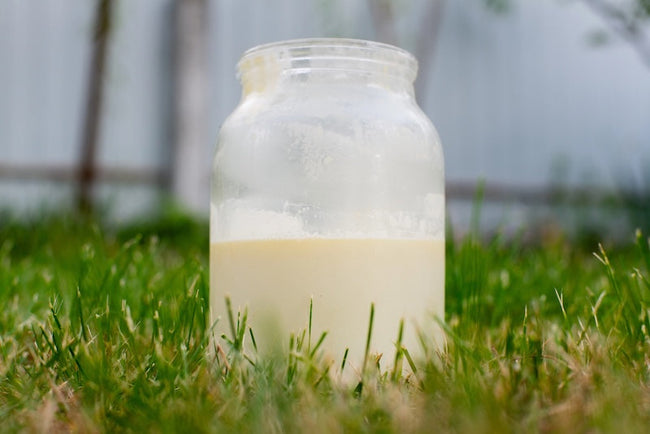
El mejor calostro de vacas alimentadas con pasto de 2026
¿Qué es el calostro de vacas alimentadas con pasto? El calostro es la primera leche que produce una vaca durante los días inmediatamente posteriores al parto y es nutricionalmente distinto de la leche normal que produce después. Es rico en compuestos bioactivos de los que depende el ternero recién nacido para recibir apoyo inmunitario en sus primeras etapas, y esos...
El mejor polvo de creatina HCl de 2026
¿Qué es el polvo de creatina HCl? La creatina HCl, abreviatura de clorhidrato de creatina, es creatina unida a un grupo de clorhidrato. Ese pequeño cambio hace que la molécula sea mucho más soluble en agua que la creatina monohidrato estándar, y es la razón por la que los productos de HCl se dosifican de forma distinta. Mientras que la...

¿La creatina es mala para los riñones? Lo que realmente dice la investigación
En las personas sanas, la creatina no es mala para los riñones. Varias revisiones y metaanálisis muestran que el monohidrato de creatina en dosis normales no daña la función renal. Puede elevar ligeramente un marcador sanguíneo llamado creatinina, lo que a veces parece indicar una función renal reducida en un análisis, pero esto refleja la creatina en el organismo, no...
¿La creatina es un esteroide? No, y esta es la verdadera diferencia.
No, la creatina no es un esteroide. Es un compuesto natural que el cuerpo produce a partir de aminoácidos y que también se obtiene de alimentos como la carne y el pescado; se almacena en los músculos y se utiliza para obtener energía rápida. Los esteroides anabólicos son hormonas sintéticas relacionadas con la testosterona que actúan de una forma completamente...
¿Cuánto tiempo permanece la creatina en el organismo?
Depende de qué quieras decir con «en el organismo». En la sangre, la creatina se elimina rápido: una sola dosis alcanza su punto máximo en aproximadamente una o dos horas y tiene una semivida de unas tres horas; los niveles en sangre y orina vuelven a la normalidad en aproximadamente una semana después de dejar de tomarla. En los músculos,...
Gomitas de creatina vs. creatina en polvo: ¿cuál es realmente mejor?
Tanto las gomitas de creatina como el polvo funcionan, siempre que el producto contenga realmente la creatina monohidrato que indica. La creatina actúa acumulándose en los músculos con el tiempo, así que el formato no cambia el resultado. El polvo es más barato, cuenta con respaldo científico y te permite controlar la dosis exacta, pero tienes que mezclarlo. Las gomitas...