


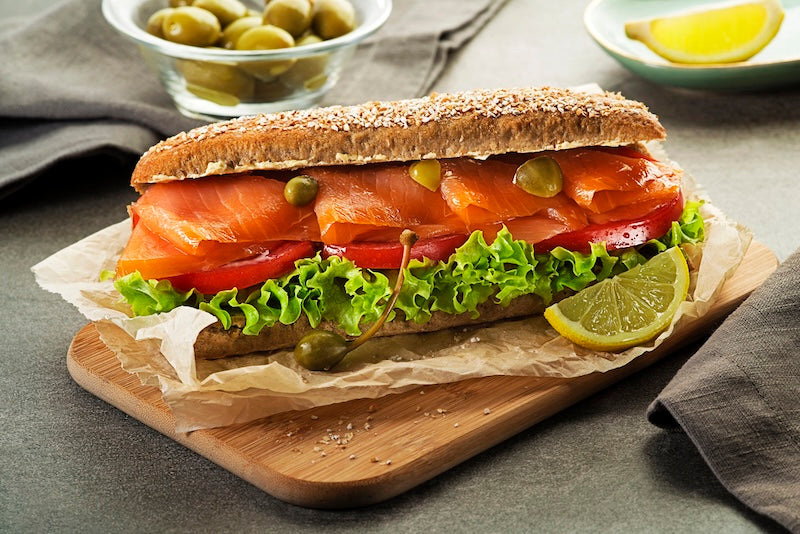

Un desayuno alto en proteínas es aquel que aporta aproximadamente 25 a 30 gramos de proteína, lo que te ayuda a sentirte lleno, estabiliza tu apetito durante la mañana y apoya los músculos. Alimentos fáciles para un desayuno alto en proteínas incluyen huevos, yogur griego, requesón, leche y un batido de proteínas, además de complementos como mantequilla de nueces, semillas y frijoles. Combinar dos o tres de estos, por ejemplo huevos con yogur griego, o avena con una porción de proteína, hace que alcanzar ese objetivo de 25 a 30 gramos sea sencillo sin mucha planificación.
En resumen: la mayoría de los desayunos tradicionales (cereal, tostadas, un pastelito, un tazón de fruta) son altos en carbohidratos y bajos en proteínas, por eso puedes sentir hambre otra vez una hora después. Consumir proteína al inicio del día cambia eso. Reduce el hambre, ayuda con los antojos más tarde y le da a tus músculos los bloques de construcción que necesitan. A continuación están los mejores alimentos para un desayuno alto en proteínas con sus cantidades de proteína, ideas simples que cumplen el objetivo y opciones para cada dieta y horario.
Por qué vale la pena un desayuno alto en proteínas

La proteína es el nutriente más saciante de los tres principales, y consumir suficiente en el desayuno da resultados durante toda la mañana:
-
Te mantiene lleno. Las comidas con más proteína aumentan la saciedad y ayudan a controlar el apetito, por lo que es menos probable que piques o comas en exceso después [1][2].
-
Energía más estable y menos antojos. Sustituir parte de un desayuno alto en carbohidratos por proteína ayuda a evitar la caída de energía a media mañana y los antojos de azúcar que suelen seguir.
-
Apoya los músculos. Distribuir la proteína a lo largo del día, comenzando en el desayuno, apoya mejor el mantenimiento y crecimiento muscular que consumirla toda en la cena [1][3].
-
Ayuda con los objetivos de peso. Como es saciante, un desayuno rico en proteínas puede facilitar comer menos calorías totales sin sentir privación [2].
Para un análisis más profundo de los beneficios, consulta nuestra explicación sobre beneficios de la proteína en el desayuno.
¿Cuánta proteína debe tener un desayuno?
Apunta a aproximadamente 25 a 30 gramos de proteína en el desayuno. Esa es la cantidad por comida que la investigación vincula con un mejor control del apetito y apoyo muscular [1]. También resulta ser un objetivo práctico: suficiente para mantenerte lleno, pero alcanzable con alimentos cotidianos.
La mayoría de los desayunos estándar se quedan muy cortos, a menudo proporcionando menos de 10 gramos. La buena noticia es que cerrar esa brecha es fácil una vez que sabes qué alimentos usar como base, y generalmente solo necesitas combinar dos fuentes de proteína para lograrlo.
Los mejores alimentos para desayunos altos en proteínas (con cantidades)
Aquí están los alimentos básicos para desayunos altos en proteínas más útiles y aproximadamente cuánta proteína aporta cada uno:
|
Alimento |
Porción |
Proteína (aprox.) |
|---|---|---|
|
Huevos |
2 grandes |
~12 g |
|
Claras de huevo |
1 taza |
~26 g |
|
Yogur griego (natural) |
1 taza |
~20 g |
|
Queso cottage |
1 taza |
~25 g |
|
Leche |
1 taza |
~8 g |
|
Proteína en polvo |
1 porción |
~20-25 g |
|
Tofu (revuelto) |
4 oz |
~10 g |
|
Salmón ahumado |
3 oz |
~16 g |
|
Mantequilla de maní |
2 cucharadas |
~8 g |
|
Avena (seca) |
1/2 cup |
~5 g |
|
Semillas de chía o cáñamo |
2 cucharadas |
~5-9 g |
|
Frijoles negros |
1/2 cup |
~7 g |
El truco es basar tu desayuno en uno de los alimentos con más proteínas (huevos, yogur griego, queso cottage o un batido de proteínas) y complementarlo con un segundo. Para más opciones, consulta nuestra lista de fuentes de proteína para el desayuno.
Ideas fáciles para desayunos altos en proteínas

Cada uno de estos alcanza o supera el objetivo de 25 a 30 gramos con un esfuerzo mínimo:
-
Revuelto de tres huevos con verduras y queso (~25 g): huevos más una rebanada de queso, con verduras.
-
Tazón de yogur griego (~28 g): 1 taza de yogur griego, una porción de proteína en polvo o una cucharada de mantequilla de nueces, bayas y semillas.
-
Avena proteica (~28 g): avena cocida con leche y una porción de proteína en polvo, cubierta con mantequilla de maní.
-
Tostada con queso cottage (~30 g): 1 taza de queso cottage en tostada integral, con huevos al lado.
-
Batido de proteínas (~30 g): una porción de proteína en polvo, leche o yogur griego, plátano y una cucharada de mantequilla de maní.
-
Salmón ahumado y huevos (~28 g): dos huevos más 3 oz de salmón ahumado en un bagel o tostada.
-
Revuelto de tofu con frijoles (~25 g): tofu revuelto con frijoles negros y verduras, una excelente opción vegana.
-
Tortilla de claras con queso cottage (~35 g): claras de huevo mezcladas con queso cottage y espinacas.
Si cocinas en lotes, muffins de huevo, avena proteica preparada la noche anterior y burritos de desayuno listos para llevar son prácticos y ahorran tiempo en las mañanas ocupadas. Nuestros recetas de desayunos altos en proteínas tienen más opciones para elegir.
Desayunos altos en proteínas para diferentes dietas
El objetivo de 25 a 30 gramos funciona para cualquier estilo de alimentación; solo eliges diferentes bloques de construcción:
-
Vegetariano: huevos, yogur griego, queso cottage, leche y proteína de suero facilitan la tarea.
-
Vegano: revuelto de tofu, leche de soja, un batido de proteína de guisante o arroz, semillas de chía y cáñamo, frijoles y mantequilla de maní. Combinar algunos te lleva a la meta.
-
Bajo en carbohidratos o keto: huevos, queso, salmón ahumado y un batido de proteínas bajo en carbohidratos.
-
Para llevar: un batido de proteínas, un vaso de yogur griego, huevos duros o un batido preparado con anticipación que puedas beber en el coche.
Cómo preparar un desayuno alto en proteínas (una fórmula sencilla)

Si no quieres seguir una receta, puedes armar un desayuno alto en proteína con una fórmula simple. Elige un artículo de cada grupo y alcanzarás confiablemente el objetivo de 25 a 30 gramos:
-
1. Un ancla de proteína (apunta a 20+ gramos): huevos o claras, yogur griego, requesón, revuelto de tofu o batido de proteína. Esto hace la mayor parte del trabajo.
-
2. Un impulso (5 a 10 gramos): una segunda fuente de proteína como leche, queso, una cucharada de mantequilla de nueces, semillas o frijoles.
-
3. Carbohidratos y productos para el equilibrio: avena, pan integral tostado, fruta o verduras. Estos añaden fibra, energía y nutrientes junto a la proteína.
-
4. Un poco de grasa saludable: aguacate, semillas o mantequilla de nueces para energía duradera y sabor.
Por ejemplo: yogur griego (ancla) más una cucharada de mantequilla de maní y semillas de chía (impulso) más bayas y un poco de granola (carbohidratos) es un desayuno completo y alto en proteína en dos minutos. El ancla es la parte que la mayoría de la gente omite, así que empieza por ahí y el resto encajará.
¿Importa el momento de consumir proteína en el desayuno?
Distribuir tu proteína de manera uniforme durante el día, en lugar de consumir la mayor parte en la cena, es un poco mejor para controlar el apetito y apoyar los músculos, y el desayuno es la comida en la que la gente más a menudo consume poca proteína [1]. Así que un desayuno rico en proteína ayuda a "equilibrar" tu ingesta. Dicho esto, lo más importante es tu proteína total diaria. El desayuno es un buen lugar para empezar, pero si las mañanas no son lo tuyo, puedes compensar la proteína más tarde, solo sé intencional al respecto. Piensa en un desayuno alto en proteína como la palanca más fácil de accionar, no como una regla estricta.
Desayunos altos en proteína para preparar con anticipación

La razón principal por la que la gente reduce la proteína en el desayuno es por falta de tiempo. Preparar con anticipación soluciona eso, para que tengas algo listo para tomar en las mañanas más ocupadas:
-
Muffins de huevo: bate huevos con verduras y queso, hornea en un molde para muffins y refrigera. Dos o tres muffins te dan una buena dosis de proteína y se recalientan en menos de un minuto.
-
Avena proteica nocturna: combina avena, leche, una cucharada de proteína en polvo y semillas de chía en un frasco durante la noche. Toma y come frío, no requiere cocción.
-
Burritos de desayuno: rellena tortillas con huevos revueltos, frijoles y queso, envuélvelas y congélalas. Calienta una directamente del congelador en el microondas.
-
Frascos de yogur griego: porciona yogur griego con semillas y fruta en frascos para la semana; añade una cucharada de proteína para un impulso extra.
-
Vasos de requesón: El requesón individual con toppings preporcionados es casi instantáneamente 25 gramos.
Dedicar 20 minutos una o dos veces por semana significa que tu desayuno alto en proteína está decidido antes de que empiece la mañana.
Errores comunes en desayunos altos en proteína
Unos pocos errores fáciles de corregir hacen que las personas no alcancen su objetivo:
-
Confiar solo en carbohidratos. Los cereales, tostadas, bagels, granola y fruta son principalmente carbohidratos. Están bien junto a la proteína, pero solos te dejan con hambre más pronto.
-
Subestimar los desayunos "saludables". Un batido solo de fruta, o avena hecha con agua, puede tener casi nada de proteína. Añade yogur griego, leche o polvo de proteína.
-
Yogur regular en lugar de griego. El yogur regular tiene aproximadamente la mitad de proteína que el griego. Cambiarlo es una victoria fácil.
-
Productos "proteicos" endulzados y bajos en proteína. Algunas barras y bebidas para el desayuno comercializadas son principalmente azúcar con poca proteína real. Revisa la etiqueta.
-
Saltar el desayuno y luego comer en exceso. Un desayuno con proteína ayuda a controlar el apetito durante todo el día, lo que es parte de su beneficio [2].
Formas simples de añadir proteína a cualquier desayuno

No tienes que cambiar completamente tu mañana. Unas pocas mejoras fáciles:
-
Revuelve una porción de polvo de proteína en la avena, el yogur o un batido.
-
Agrega huevos o claras de huevo a lo que ya estés comiendo.
-
Cambia el yogur regular por yogur griego para casi duplicar la proteína.
-
Cubre el pan tostado con requesón o mantequilla de nueces en lugar de mermelada.
-
Ten a mano huevos duros o yogures griegos individuales para mañanas rápidas.
Preguntas frecuentes
¿Qué es un buen desayuno alto en proteína? Uno basado en huevos, yogur griego, requesón o un batido de proteína, alcanzando unos 25 a 30 gramos de proteína. Por ejemplo, un bol de yogur griego con polvo de proteína y semillas, o un revuelto de tres huevos con queso [1].
¿Cuánta proteína debo consumir en el desayuno? Alrededor de 25 a 30 gramos es un objetivo práctico vinculado a un mejor control del apetito y apoyo muscular [1].
¿Cuál es el alimento para el desayuno con más proteína? Las claras de huevo, el requesón, el yogur griego y el polvo de proteína están entre los que más proteína aportan por porción, cada uno con aproximadamente 20 a 26 gramos.
¿Cómo puedo obtener 30 gramos de proteína en el desayuno sin carne? Combina fuentes vegetales y lácteas o de huevo: yogur griego más una porción de proteína, o un revuelto de tofu con frijoles, o avena hecha con leche y polvo de proteína.
¿Son los batidos de proteína un buen desayuno? Pueden ser una base conveniente, especialmente cuando se mezclan con leche o yogur, fruta y mantequilla de nueces. Combina el batido con un poco de comida real para una comida más completa.
¿Es bueno un desayuno alto en proteínas para perder peso? Sí. Porque la proteína sacia, un desayuno alto en proteínas ayuda a controlar el apetito y puede reducir el exceso de comida más tarde en el día, lo que apoya un déficit calórico [1][2].
¿Cuál es un desayuno rápido alto en proteínas para mañanas ocupadas? Un batido de proteínas, un vaso de yogur griego con semillas, huevos duros o un muffin de huevo preparado con anticipación, todos aportan más de 20 gramos con casi nada de preparación.
¿Puedo tomar un desayuno alto en proteínas todos los días? Sí. Un desayuno con predominancia de proteínas es un hábito diario sostenible y una forma fácil de asegurarte de empezar a alcanzar tu objetivo de proteínas temprano.
¿Qué es un desayuno vegano alto en proteínas? Un revuelto de tofu con frijoles negros y verduras, avena hecha con leche de soja y una cucharada de proteína vegetal, o un batido con proteína de guisante o arroz, leche de soja y mantequilla de maní, todos alcanzan 25 gramos o más.
¿Es la avena un desayuno alto en proteínas? La avena simple es bastante baja en proteínas (alrededor de 5 gramos por media taza). Cocínala en leche y mezcla una cucharada de polvo de proteína, y puedes convertir la avena en un desayuno de 25 a 30 gramos fácilmente.

Conclusión
Un desayuno alto en proteínas es una de las mejoras más simples que puedes hacer en tu día.
-
Apunta a unos 25 a 30 gramos de proteína para mantenerte lleno y apoyar el músculo [1][3].
-
Construye alrededor de huevos, yogur griego, requesón o un batido de proteínas, luego añade una segunda fuente.
-
Funciona para cualquier dieta, y una cucharada de polvo de proteína hace que alcanzar la meta sea sencillo.
Comienza mañana anclando el desayuno en un alimento alto en proteínas y añadiendo uno más. Ese único hábito te mantiene más saciado, reduce los antojos y establece un tono fuerte para el resto de las comidas del día.
Referencias
-
Leidy HJ, et al. (2015). El papel de las proteínas en la pérdida y mantenimiento del peso. American Journal of Clinical Nutrition. doi.org/10.3945/ajcn.114.084038
-
Moon J, Koh G (2020). Evidencia clínica y mecanismos de la pérdida de peso inducida por dietas altas en proteínas. Journal of Obesity & Metabolic Syndrome. doi.org/10.7570/jomes20028
-
Morton RW, et al. (2018). Una revisión sistemática, metaanálisis y metarregresión del efecto de la suplementación con proteínas en las ganancias de masa muscular y fuerza inducidas por el entrenamiento de resistencia. British Journal of Sports Medicine. doi.org/10.1136/bjsports-2017-097608