



Ya sea que estés tratando de ganar tus primeros 10 kilos de músculo o simplemente apoyar entrenamientos más intensos en el gimnasio, los carbohidratos merecen un lugar privilegiado en tu plato.
La proteína suele acaparar toda la atención cuando se trata de crecimiento muscular, y con razón, pero los carbohidratos son los que te permiten entrenar duro, recuperarte bien y comer suficientes calorías de forma constante para apoyar el crecimiento. Sin suficiente carbohidrato, tus entrenamientos se resienten, la recuperación se ralentiza y alcanzar un superávit calórico se vuelve mucho más difícil.
Los mejores carbohidratos para volumen no son necesariamente los que las redes sociales suelen etiquetar como los más saludables. Son alimentos que puedes digerir bien, disfrutar comer de forma constante y que ayudan a alimentar el entrenamiento mientras facilitan alcanzar tus objetivos calóricos.
De un vistazo: mejores carbohidratos para volumen
|
Objetivo |
Mejores opciones |
|
Mejores en general |
Arroz blanco, avena, batatas |
|
Los más fáciles de digerir |
Arroz blanco, papas blancas, tortas de arroz |
|
Mejores para antes del entrenamiento |
Avena, plátanos, arroz blanco |
|
Mejores para después del entrenamiento |
Arroz blanco, dextrosa, pan blanco |
|
Los más densos en calorías |
Pasta, bagels, frutas secas, granola |
|
Objetivo diario |
La mayoría de los levantadores activos se benefician con aproximadamente 3-7 g/kg de peso corporal, dependiendo del volumen de entrenamiento |
|
Momento ideal |
Prioriza los carbohidratos antes y después del entrenamiento, luego distribuye el resto durante el día |
¿Cuáles son los mejores carbohidratos para volumen?
Los mejores carbohidratos para volumen son aquellos que digieres bien y puedes comer de forma constante para mantener un superávit calórico. Alimentos como arroz blanco, avena, papas, pasta y fruta cumplen con estos requisitos.
Estos alimentos proporcionan la energía necesaria para apoyar entrenamientos intensos mientras facilitan mantener el superávit calórico requerido para el crecimiento muscular.
Un buen carbohidrato para volumen debe digerirse cómodamente, reponer el glucógeno muscular y ayudarte a cumplir con tus necesidades calóricas sin sensación excesiva de saciedad.
Cualquiera que haya intentado levantar pesas con el tanque vacío conoce la sensación: las pesas se sienten más pesadas, la resistencia disminuye y la calidad del entrenamiento se resiente.
Por eso, alimentos como el arroz blanco y la pasta suelen convertirse en básicos durante una fase de construcción muscular.
Estos alimentos son prácticos, versátiles y fáciles de comer en porciones más grandes.
En mi práctica, generalmente recomiendo priorizar carbohidratos de digestión más rápida y con menos fibra alrededor de los entrenamientos para apoyar el rendimiento y la recuperación, mientras se incorporan opciones más ricas en fibra como avena y batatas en las comidas más alejadas del entrenamiento.
En esta guía, cubriremos las mejores fuentes de carbohidratos para el volumen, cuánto necesitas, cuándo comerlos y cómo maximizar la ganancia muscular mientras minimizas la ganancia innecesaria de grasa.
Por qué los carbohidratos son importantes para el volumen

Los carbohidratos a menudo se malinterpretan, y hay mucha desinformación sobre por qué la gente debería evitarlos. La verdad es que todo cuerpo humano requiere carbohidratos para funcionar, ¡y más de lo que la mayoría piensa!
Especialmente cuando se trata de construir músculo, los carbohidratos son uno de tus mayores aliados.
El papel principal de los carbohidratos es proporcionar glucosa, que tu cuerpo almacena como glucógeno en tus músculos y en el hígado. El glucógeno muscular es la fuente de energía preferida de tu cuerpo durante el entrenamiento de resistencia. Cuanto más duro y más tiempo entrenes, más glucógeno utilizas.
Cuando las reservas de glucógeno están bien abastecidas, puedes mantener la intensidad del entrenamiento, realizar más trabajo total y recuperarte de manera más efectiva entre sesiones. A lo largo de semanas y meses, ese entrenamiento de mayor calidad se traduce en mayores ganancias de fuerza y músculo.
Los carbohidratos también estimulan la liberación de insulina. La insulina ayuda a transportar glucosa a las células musculares, apoya la reposición de glucógeno y reduce la degradación de proteínas musculares.
Este proceso, junto con consumir suficiente proteína y realizar entrenamiento de resistencia constante, crea un ambiente que favorece el crecimiento muscular.
Según un estudio en el International Journal of Exercise Science, los hombres que consumieron mayores cantidades de carbohidratos experimentaron más ganancias en masa muscular magra, así como mejor fuerza en el curl de brazo (1).
Los carbohidratos también facilitan mucho el consumo de suficientes calorías, especialmente cuando se trata de carbohidratos fácilmente digeribles. En comparación con la proteína y la grasa, generalmente son más fáciles de consumir en mayores cantidades.
La investigación actual en nutrición deportiva sigue apoyando una ingesta adecuada de carbohidratos para atletas y levantadores que buscan maximizar la calidad del entrenamiento, la recuperación y el aumento muscular.
Esencialmente, la proteína proporciona los bloques de construcción para el músculo y los carbohidratos proporcionan el combustible que te permite construirlo.
¿Qué hace que una fuente de carbohidratos sea buena para aumentar masa?
No todos los carbohidratos son igualmente prácticos durante una fase de volumen.
Un gran carbohidrato para aumentar masa no solo es nutritivo, sino que es algo que puedes comer de manera realista todos los días mientras apoyas tus objetivos de entrenamiento.
Primero, debe proporcionar suficientes calorías sin requerir porciones enormes. Durante un superávit calórico, el apetito puede convertirse en el factor limitante. Los alimentos que son demasiado voluminosos o extremadamente altos en fibra pueden dificultar consumir suficientes calorías de manera constante.
La digestibilidad es otra consideración importante. Si un alimento te deja constantemente hinchado o incómodo, probablemente no sea la mejor opción para tu plan de comidas diario, sin importar lo nutritivo que sea. La digestión de cada persona es diferente, por lo que el "mejor" carbohidrato es, en última instancia, aquel que tu cuerpo tolera bien.
Los buenos carbohidratos para aumentar masa muscular también deben apoyar el entrenamiento reponiendo eficientemente el glucógeno muscular. Muchos atletas se benefician de elegir carbohidratos que se digieren más rápido, especialmente cuando se consumen cerca de una sesión de ejercicio.
Por otro lado, las comidas consumidas más alejadas del entrenamiento pueden incluir opciones de digestión más lenta y mayor contenido de fibra.
Finalmente, las mejores fuentes de carbohidratos son asequibles, ampliamente disponibles y fáciles de preparar. Si consumes varios cientos de gramos de carbohidratos cada día, la conveniencia importa.
Granos Enteros vs. Carbohidratos Refinados para Ganancia Muscular

Muchas personas asumen que los granos enteros siempre son la mejor opción. Aunque ciertamente son nutritivos, la respuesta durante una fase de volumen es un poco más matizada.
Los granos enteros como el arroz integral, la quinoa y los productos de trigo integral contienen más fibra, vitaminas y minerales. Debido a su mayor contenido de fibra, tienden a ser más saciantes y se digieren más lentamente.
Los carbohidratos simples como el arroz blanco, la pasta, el pan blanco y los bagels se digieren más rápido y a menudo son más fáciles de consumir en mayores cantidades. Esa es una de las razones por las que son básicos entre culturistas y atletas de fuerza que intentan consumir dietas altas en calorías.
En mi práctica privada, rara vez recomiendo elegir uno exclusivamente sobre el otro.
El arroz blanco, la pasta, el pan y las papas no son carbohidratos "malos". Cuando intentas ganar músculo, en realidad pueden facilitar el entrenamiento, una buena recuperación y consumir suficiente para apoyar el crecimiento.
Por ejemplo, alguien que intenta consumir 450 gramos de carbohidratos al día probablemente encontrará mucho más fácil alcanzar esa meta usando una combinación de arroz blanco, pasta, avena, frutas y papas en lugar de depender únicamente del arroz integral y granos altos en fibra.
El objetivo no es evitar los carbohidratos refinados, sino consumirlos estratégicamente. Los granos enteros son excelentes opciones durante el día, mientras que los carbohidratos refinados pueden ser especialmente útiles antes y después del entrenamiento cuando la digestión rápida es beneficiosa.
Los 10 Mejores Carbohidratos para Aumentar Masa Muscular

1. Arroz Blanco
Si tuviera que recomendar un carbohidrato para aumentar masa muscular, probablemente sería el arroz blanco.
Es económico, versátil, fácil de digerir y combina prácticamente con cualquier proteína o vegetal. Una taza cocida aporta alrededor de 200 calorías, lo que facilita aumentar las porciones a medida que crecen las necesidades calóricas.
Debido a que tiene relativamente poca fibra, el arroz blanco también repone el glucógeno de manera eficiente después del entrenamiento sin causar una sensación excesiva de llenura.
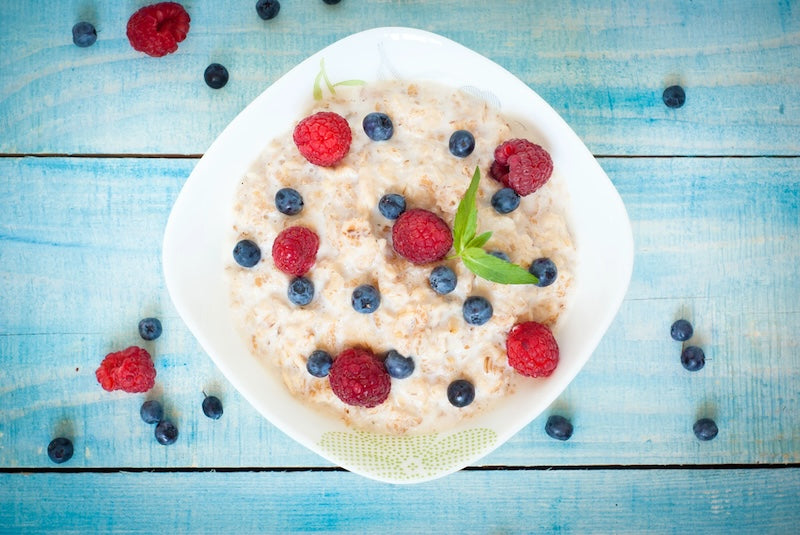
2. Avena
La avena es uno de mis carbohidratos favoritos para el desayuno porque proporciona energía duradera y ofrece nutrientes importantes como magnesio, manganeso y fibra soluble.
Una taza de avena seca aporta aproximadamente 300 calorías y puede personalizarse fácilmente con fruta, mantequilla de nueces, miel o proteína en polvo.
Son especialmente útiles de una a tres horas antes del entrenamiento cuando quieres energía sostenida en lugar de un pico rápido de azúcar en sangre.
3. Batatas
Las batatas ofrecen una excelente combinación de carbohidratos y micronutrientes, incluyendo vitamina A, vitamina C y potasio.
Aunque son un poco más saciantes que las papas blancas o el arroz, son una excelente fuente diaria de carbohidratos que puede incluirse en una dieta equilibrada, incluso durante la fase de volumen.

4. Papas blancas
Las papas blancas aportan aproximadamente 160 calorías por papa mediana.
Son naturalmente ricas en potasio, fáciles de preparar y constituyen un excelente acompañamiento post-entrenamiento junto con proteínas magras.
Como son sorprendentemente saciantes, pueden no ser la mejor opción si tienes dificultades para consumir suficientes calorías.
5. Pasta
La pasta es una de las formas más fáciles de aumentar la ingesta de carbohidratos sin aumentar drásticamente el volumen de la comida.
Una taza cocida contiene alrededor de 200 calorías y puede combinarse con pollo, carne de res, mariscos o tofu para una comida completa.
Para los atletas con necesidades calóricas especialmente altas, la pasta suele ser una de las formas más sencillas de aumentar la ingesta diaria de carbohidratos.
6. Pan blanco y bagels
A veces, la conveniencia gana.
El pan y los bagels son rápidos, portátiles y fáciles de digerir. Un bagel puede aportar entre 250 y 300 calorías junto con una cantidad considerable de carbohidratos, lo que lo convierte en una excelente opción antes del entrenamiento o cuando el apetito es bajo.
7. Pasteles de arroz
Los pasteles de arroz son ligeros, crujientes y sorprendentemente útiles cuando estás en fase de volumen.
Son fáciles de digerir y funcionan bien con mantequilla de maní, mermelada, miel, requesón o pavo en lonchas, dependiendo de tus objetivos.
Un pastel de arroz promedio contiene solo alrededor de 7 u 8 gramos de carbohidratos, por lo que generalmente querrás varios a la vez o combinarlos con otras fuentes de carbohidratos como mermelada, miel o fruta.
8. Plátanos
Los plátanos aportan unas 100 calorías junto con carbohidratos fácilmente digeribles y potasio.
Son uno de mis snacks favoritos antes del entrenamiento porque son portátiles, convenientes y proporcionan energía rápida sin hacerte sentir pesado.

9. Fruta seca
Los dátiles, las pasas, el mango seco y los albaricoques secos contienen una cantidad sorprendente de carbohidratos en una porción muy pequeña.
Si eres alguien que se llena rápido, la fruta seca es una de las formas más fáciles de añadir calorías sin aumentar significativamente el tamaño de la comida.
10. Miel y jarabe de arce
Los carbohidratos líquidos y semilíquidos suelen ser mucho más fáciles de digerir que otro plato de arroz.
Agregar miel o jarabe de arce a la avena, yogur, batidos o licuados de proteína es una forma sencilla de aumentar la ingesta de carbohidratos sin mucho esfuerzo adicional.
¿Cuántos carbohidratos necesitas para hacer volumen?
No existe un objetivo único de carbohidratos que funcione para todos.
Tu ingesta ideal depende de factores como el tamaño corporal, volumen de entrenamiento, necesidades calóricas totales y cuán agresivamente intentas ganar músculo.
Para la mayoría de los levantadores recreativos y atletas de fuerza, un buen punto de partida es aproximadamente 3-7 gramos de carbohidratos por kilogramo de peso corporal, que es aproximadamente 1.5-3 gramos por libra.
Alguien que pese 180 libras podría comenzar con alrededor de 250-400 gramos diarios, mientras que atletas que entrenan varias horas al día pueden beneficiarse de mucho más.
En lugar de buscar un número específico de inmediato, generalmente recomiendo comenzar en el extremo inferior del rango, monitorear el peso corporal y el rendimiento en el gimnasio durante dos o tres semanas, y ajustar a partir de ahí.
Si el peso corporal no aumenta y los entrenamientos se sienten lentos, añadir entre 25 y 50 gramos más de carbohidratos al día suele ser suficiente para activar el progreso.
¿Cuándo deberías comer carbohidratos mientras haces volumen?

Aunque la ingesta total diaria de carbohidratos es lo más importante, el momento puede ayudar a optimizar el rendimiento y la recuperación.
Procura incluir carbohidratos de una a tres horas antes del entrenamiento. Alimentos como avena, arroz, papas, tostadas o fruta proporcionan combustible disponible para tu sesión.
Durante sesiones de entrenamiento particularmente largas o intensas, generalmente de más de 90 minutos, algunos atletas también pueden beneficiarse de carbohidratos intra-entrenamiento como la dextrina cíclica altamente ramificada o bebidas deportivas.
Un documento de posición de la Journal of the International Society of Sports Nutrition recomienda consumir una solución de carbohidratos al 6-8% cada 15-20 minutos durante el ejercicio intenso para mantener los niveles de glucosa en sangre (2).
Después del entrenamiento, prioriza los carbohidratos junto con la proteína dentro de las siguientes horas. Esto ayuda a reponer las reservas de glucógeno y apoya la recuperación, especialmente si vas a entrenar nuevamente al día siguiente.
Durante el resto del día, simplemente distribuye tus carbohidratos en las comidas de la manera que mejor se adapte a tu horario y apetito.
Contrario a la creencia popular, no hay razón para evitar los carbohidratos por la noche si te ayudan a cumplir tus objetivos nutricionales.
Cómo evitar engordar demasiado mientras haces volumen
Un aumento de volumen exitoso no se trata de ganar peso lo más rápido posible.
El objetivo es crear un pequeño superávit calórico que apoye el crecimiento muscular mientras se minimiza la ganancia innecesaria de grasa.
Generalmente recomiendo apuntar a aproximadamente 0.25-0.5% de tu peso corporal por semana, lo que suele traducirse en alrededor de 0.5-1 libra semanal para muchos levantadores.
Mantén alta la ingesta de proteínas, consume suficientes carbohidratos para apoyar el entrenamiento y evita aumentar drásticamente las calorías solo porque estás en fase de volumen. Los estudios sugieren que los aumentos generales en la ingesta energética, junto con el entrenamiento de resistencia, pueden inducir tanto masa muscular como masa grasa (3).
Pésate de forma constante, monitorea el progreso durante varias semanas y realiza ajustes graduales si es necesario. Si el peso aumenta más rápido de lo planeado durante varias semanas, reducir los carbohidratos diarios en 25-50 gramos suele ser suficiente para volver a un superávit más productivo.
Preguntas frecuentes

¿Debo comer carbohidratos complejos o simples para aumentar masa muscular?
Tanto los carbohidratos complejos como los simples tienen un lugar en un plan de dieta equilibrado para aumentar masa muscular. Los carbohidratos complejos como la avena, las batatas y los granos enteros proporcionan fibra y energía sostenida, por lo que son excelentes opciones durante todo el día.
Los carbohidratos de digestión rápida como el arroz blanco, las papas, la fruta y el pan son especialmente útiles antes y después de los entrenamientos cuando la digestión rápida es beneficiosa.
¿Puedo aumentar masa muscular con una dieta baja en carbohidratos?
Es posible ganar músculo con una dieta baja en carbohidratos si consumes suficientes calorías y proteínas. Sin embargo, muchas personas encuentran más difícil mantener entrenamientos de alta calidad y recuperarse óptimamente sin una cantidad adecuada de carbohidratos.
¿Necesito carbohidratos inmediatamente después de entrenar?
No necesariamente. Aunque comer carbohidratos después de un entrenamiento ayuda a reponer las reservas de glucógeno, especialmente si vas a entrenar de nuevo pronto, la ingesta total diaria de carbohidratos suele ser más importante que consumirlos inmediatamente después de terminar tu entrenamiento.
Sin embargo, para optimizar el glucógeno muscular e incluso el crecimiento muscular, se ha demostrado que consumir carbohidratos junto con proteínas dentro de los 30 minutos posteriores al ejercicio es lo más beneficioso (4,2).
Conclusión
Los carbohidratos son una de las herramientas más valiosas para apoyar el crecimiento muscular. Mientras que la proteína proporciona los bloques constructores, los carbohidratos alimentan los entrenamientos, la recuperación y la ingesta calórica necesaria para progresar.
Las mejores fuentes de carbohidratos para aumentar masa muscular son aquellas que digieres bien y puedes consumir de forma constante. El arroz blanco, la avena, las papas, la pasta, la fruta y otros carbohidratos fáciles de digerir facilitan mucho alimentar entrenamientos intensos sin sentirte demasiado lleno.
Concéntrate primero en cumplir tus objetivos diarios de calorías y proteínas, prioriza los carbohidratos alrededor de tus entrenamientos y realiza ajustes graduales según tu progreso. El aumento de músculo se basa en la constancia, no en encontrar un carbohidrato perfecto.