



Cutting comes with the challenge of eating fewer calories while trying to keep the muscle you worked to build. Protein is the macronutrient that helps support muscle retention and can make meals more satisfying, but choosing sources that fit your calorie budget matters too.
As of 2026, the practical approach remains straightforward: combine adequate protein with resistance training and a manageable calorie deficit. This guide covers why protein matters on a cut, the best protein sources for fat loss, how much to eat, and whether timing makes a meaningful difference.
At a Glance: Best Proteins for Cutting
Chicken breast, whey isolate, egg whites, and white fish are strong starting points because they deliver plenty of protein for relatively few calories.
|
Category |
Best Choice |
|---|---|
|
Best Overall |
Chicken breast, whey isolate, egg whites, white fish |
|
Most Filling |
Chicken breast, greek yogurt, lean fish |
|
Lowest Calorie Per Gram Protein |
Egg whites, whey isolate, white fish |
|
Best Plant Based |
Soy, pea protein, tofu, tempeh |
|
Daily Target |
~1g protein per lb of goal body weight |
|
Why it Matters on a Cut |
Preserves muscle, high satiety, high thermic effect |
The best protein for weight loss is ultimately one you enjoy, tolerate, and can consistently fit into balanced meals.
Do You Need More Protein When Cutting?

Yes, protein needs often increase during a calorie deficit, particularly for lean people who lift weights. Eating fewer calories can make maintaining muscle more challenging, so adequate protein becomes especially useful alongside consistent resistance training.
Your body constantly breaks down and rebuilds proteins, including muscle tissue. Dietary protein supplies amino acids needed for this process, although it cannot fully offset an overly aggressive deficit or replace the stimulus provided by strength training.
A 2014 systematic review of lean, resistance-trained athletes by Helms and colleagues suggested about 2 to 3 grams of protein per kilogram of fat-free mass during energy restriction. This recommendation refers to lean mass, rather than total body weight, and is not a requirement for everyone trying to lose weight.
Protein can also help manage hunger while calories are lower. A review of protein and weight management found modest improvements in fullness after higher-protein meals, although feeling fuller does not necessarily mean eating less at the next meal.
Finally, protein has a higher thermic effect than carbohydrate or fat, meaning your body uses more energy to digest and metabolize it. This contributes modestly to daily energy expenditure but does not override calorie balance or make additional protein a shortcut to faster fat loss.
Ultimately, prioritize enough protein, keep lifting, and maintain a manageable deficit that leaves room for carbohydrates, fats, and other nutritious foods.
What Makes a Protein Good for Cutting?

A good cutting protein offers plenty of protein per calorie, helps you feel full, and supplies essential amino acids. Among people managing a cut, lean, high-protein foods are widely regarded as the easiest way to hit a daily protein target without using a large share of the calorie budget.
Protein density is a useful first comparison. A food providing 25 grams of protein for 120 calories leaves more room for vegetables, carbohydrates, and fats than one providing the same protein for 300 calories.
A complete protein contains all nine essential amino acids in adequate proportions. Animal proteins and soy meet this definition, while a varied plant-based diet can also supply all the essential amino acids you need across the day.
Leucine is an essential amino acid involved in signaling muscle protein synthesis. Whey, dairy, eggs, meat, fish, and soy contribute leucine, but you generally do not need to track it separately when eating enough varied, high-quality protein.
Lean does not mean fat-free is always better. Salmon, whole eggs, and tempeh offer valuable nutrients, while nuts and seeds contribute fats and smaller amounts of protein; their calories simply need to fit the overall plan.
Whole foods and powders serve different purposes. Whole foods offer texture, meal volume, and other nutrients, while powders can conveniently fill a protein gap when cooking or eating a full meal is impractical.
For satisfying meals, combine your protein with produce and an appropriate carbohydrate portion. Our Best Carbs for Cutting guide covers options for building out the rest of your plate.
What Are The Top 10 Best Proteins for Cutting?

The best proteins for weight loss deliver plenty of protein without excessive calories, helping you support muscle retention while staying within your daily calorie target.
1. Chicken Breast
A 3-ounce serving of cooked, skinless chicken breast provides approximately 26 grams of protein and 130 calories. Widely considered a staple lean protein source, it works in salads, grain bowls, soups, and meal prep without requiring complicated recipes.
Best for: An all-purpose lean protein for lunch and dinner.
2. Whey Protein Isolate
A serving typically provides 25-30 grams of protein for 100-130 calories, depending on the product. Fast-digesting and easy to mix, isolate is a go-to choice among people cutting who need convenient protein. For example, unflavored Naked Whey Iso provides 30 grams of protein for 120 calories per serving.
Best for: Filling protein gaps with minimal preparation.
3. Egg Whites
Five large egg whites provide approximately 18 grams of protein and 85 calories. They add protein to scrambles, omelets, and breakfast sandwiches with very little fat, and combining them with a whole egg adds flavor and nutrients while keeping the meal relatively lean.
Best for: Adding breakfast protein without many extra calories.
4. White Fish
According to the FDA's cooked seafood table, 3 ounces of cod provides about 20 grams of protein and 90 calories. Haddock and tilapia are also lean choices; bake, poach, or grill them and account for added cooking fat.
Best for: Light main meals with a high protein-to-calorie ratio.
5. Nonfat Greek Yogurt
A 170-gram serving of plain nonfat Greek yogurt typically supplies 16-18 grams of protein and 90-110 calories. Its thick texture makes it useful for substantial snacks, breakfast bowls, and savory sauces, especially when paired with fruit or vegetables for additional volume.
Best for: Easy breakfasts, snacks, and higher-protein dips.
6. Lean Turkey
A 4-ounce raw serving of 99% lean ground turkey typically provides 26 grams of protein and 120 calories. Turkey is a practical alternative for people who prefer ground meat, working well in chili, burgers, meatballs, and taco bowls.
Best for: Versatile batch cooking and ground-meat recipes.
7. Tuna Canned in Water
A 3-ounce drained serving of light tuna canned in water provides approximately 20 grams of protein and 90 calories. It requires no cooking and works in sandwiches, salads, and rice bowls.
Best for: Quick, shelf-stable meals when time is limited.
8. Low-Fat Cottage Cheese
A half-cup of 1% cottage cheese typically provides 12-14 grams of protein and 80-100 calories. Its dairy protein includes slowly digested casein, making it an option for an evening snack, although eating it before bed is optional rather than necessary for fat loss.
Best for: Simple snacks and an optional pre-bed protein serving.
9. Tofu and Tempeh
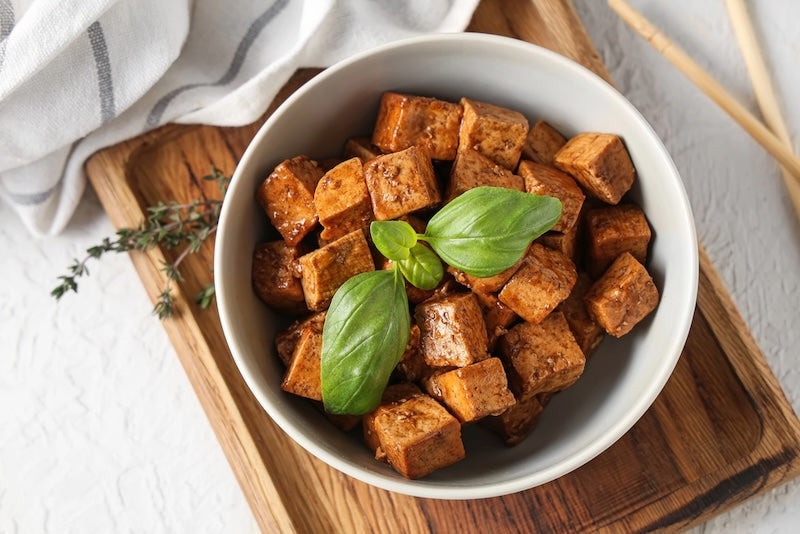
A 100-gram serving of firm tofu often provides approximately 10-17 grams of protein and 80-150 calories, while tempeh supplies roughly 19-20 grams and 190-200 calories. Soy foods are widely considered versatile plant-based staples, with tempeh generally contributing more fat and fiber than tofu.
Best for: Plant-based meals with adaptable flavors and textures.
10. Pea or Soy Protein Powder
A serving generally supplies 20-27 grams of protein and 100-140 calories, depending on the formula. These powders are often preferred by people avoiding dairy. Soy provides a complete amino acid profile, while pea can fit into a varied plant-based eating pattern.
Best for: Convenient vegan or dairy-free protein supplementation.
Protein Sources Compared: Protein and Calories Per Serving

This quick reference ranks the sources above by how much protein they deliver for relatively few calories. Figures are approximate and reflect the serving sizes listed earlier.
|
Protein Source |
Typical Serving |
Protein |
Calories |
|---|---|---|---|
|
Egg whites |
5 large |
18 g |
85 |
|
White fish (cod) |
3 oz |
20 g |
90 |
|
Tuna, canned in water |
3 oz |
20 g |
90 |
|
Chicken breast |
3 oz |
26 g |
130 |
|
Lean turkey (99%) |
4 oz raw |
26 g |
120 |
|
Whey protein isolate |
1 scoop |
25-30 g |
100-130 |
|
Nonfat Greek yogurt |
170 g |
16-18 g |
90-110 |
|
Low-fat cottage cheese (1%) |
1/2 cup |
12-14 g |
80-100 |
|
Pea or soy protein powder |
1 scoop |
20-27 g |
100-140 |
|
Tempeh |
100 g |
19-20 g |
190-200 |
|
Tofu (firm) |
100 g |
10-17 g |
80-150 |
How Much Protein Should You Eat While Cutting?
Around 1 gram per pound of goal body weight is a useful starting point for many active adults. Adjust your target based on training, body composition, and calorie intake.
A commonly used sports-nutrition planning range is approximately 1.6-2.2 grams per kilogram of current body weight, or roughly 0.7-1 gram per pound.
The International Society of Sports Nutrition (ISSN) protein position stand (Jäger and colleagues, 2017) places most exercising adults at 1.4-2.0 grams per kilogram daily and notes that higher intakes may be useful during energy restriction. The appropriate target depends on training, leanness, deficit size, and how much weight someone has to lose.
For example, someone with a 160-pound goal weight could use approximately 160 grams daily as an initial planning target.
Lean athletes and people using more aggressive deficits may benefit from the upper end of an individualized range. However, raising protein should not replace enough carbohydrate to train well, adequate dietary fat, or a more moderate deficit when recovery suffers.
Spread your target across meals to make it manageable. Four eating occasions with approximately 40 grams each would provide 160 grams without requiring an unusually large dinner.
When Should You Eat Protein While Cutting?

Total daily protein matters more than precise timing, but spreading it across the day is a practical strategy. Three to five protein-containing meals or snacks can help you meet your target and support muscle recovery.
For many people, roughly 25-40 grams at a meal is a useful starting point, with larger servings appropriate for higher daily targets. There is no strict 30-gram absorption limit, and a bigger protein serving is not automatically wasted.
A protein-forward breakfast can make distribution easier, particularly if your usual breakfast contains little protein. Try Greek yogurt with oats, eggs with extra whites, or tofu alongside toast and vegetables.
Around training, choose whichever meal or snack fits comfortably before or after your workout. If you trained after several hours without food, having protein afterward is sensible, but you do not need to race against a tiny post-workout window.
Cottage cheese or casein before bed can help complete your daily intake. Research on nighttime protein mainly concerns muscle recovery and training adaptations, so choose it if it helps you meet your protein target and suits your evening routine.
What Protein Mistakes Should You Avoid While Cutting?
The biggest mistakes when cutting are eating too little protein, overlooking calories in protein-rich foods, and expecting protein alone to cause fat loss. A consistent calorie deficit and resistance training remain central to a muscle-conscious cut.
Leaving protein until dinner
A low-protein breakfast and lunch can make the daily target difficult to reach. Add an intentional protein source earlier instead of trying to make up everything at night.
Relying only on higher-fat choices
Cheese, fatty meats, and nut butters can use substantial calories before providing enough protein. Keep foods you enjoy, but use lean protein sources regularly to leave room for a balanced diet.
Counting every protein food as equivalent
A spoonful of peanut butter and a serving of Greek yogurt provide very different amounts of protein per calorie. Compare actual portions rather than relying on a high-protein label.
Adding shakes without adjusting the day
A shake can help meet your target, but it still contributes calories. Using high protein for cutting works best when it fits your overall intake rather than becoming an automatic extra.
Frequently Asked Questions About Protein and Cutting

How much protein do I need to cut without losing muscle?
Many active adults use roughly 0.7-1 gram per pound of current body weight. No intake guarantees zero muscle loss, as resistance training, a moderate deficit, and recovery also matter, especially as you become leaner.
Is whey or isolate better for cutting?
Whey isolate usually contains more protein relative to its calories and less lactose than whey concentrate. Either can fit a cut, and the practical difference may be small. Make sure to compare labels, price, taste, and digestive tolerance rather than expecting isolate to produce greater fat loss.
Can you cut on plant-based protein?
Yes, a plant-based diet can provide enough protein during a calorie deficit. Build meals around soy foods, legumes, and suitable protein powders, and eat varied sources across the day. Portions may need more planning to meet protein goals within your calorie budget.
Does high protein help you lose belly fat?
Higher protein can support fullness and muscle retention while you lose body fat, but it cannot target belly fat specifically. Fat loss results from an overall energy deficit, and genetics and other individual factors influence where changes appear first.
Should you eat protein before or after a workout when cutting?
Either works, provided your daily intake is adequate. A protein-containing meal a few hours before training or a meal afterward is usually practical. Prioritize getting protein after fasted training rather than worrying about an exact minute-by-minute schedule.
What Is the Bottom Line on Protein for Cutting?
The best proteins for cutting provide useful amounts of protein, fit your calorie budget, and make meals satisfying enough to repeat. Chicken, fish, eggs, dairy, soy foods, and protein powders can all play a role.
Set a realistic daily target, spread it across meals, and keep lifting while maintaining a moderate deficit. Lean, high-quality proteins are widely considered the most practical foundation for a muscle-conscious cut, but consistency and a balanced overall diet matter more than choosing one supposedly perfect food.