


Key Takeaways
- Lower calories, same flavor: Powdered peanut butter delivers roughly 45 calories and 1.5g fat per 2-tablespoon serving compared to about 190 calories and 16g fat in regular peanut butter, without sacrificing taste.
- Protein-forward ingredient: The cold-pressing process removes most of the fat while preserving the protein, making powdered PB a smart addition to high-protein recipes.
- More versatile than traditional PB: Because it's a powder, it blends directly into batters, smoothies, sauces, and dry mixes without changing the texture of your recipe.
- Three ready-to-use recipes included: Protein muffins, a mug cake, and apple peanut butter nachos, plus four additional quick-prep ideas.
- Pro baking tip: When substituting powdered PB for regular peanut butter in baking, use a 1:1 ratio by volume and add extra liquid to compensate for the missing fat content.

Powdered Peanut Butter | Naked PB
- Third-Party Tested
- Non-GMO
- No Artificial Additives
- Made in the USA
What Are Powdered Peanut Butter Protein Recipes and Why Should You Try Them?

If you've been adding regular peanut butter to your post-workout shakes or protein bakes and wondering why the calorie count is spiraling, powdered peanut butter is worth your attention. It delivers the same unmistakable peanut butter flavor with a fraction of the fat and calories, and it works in recipes where traditional PB would be awkward or impractical.
Powdered peanut butter is made by cold-pressing roasted peanuts to remove most of the natural oils. What's left is then ground into a fine powder. The process strips out the majority of the fat, bringing a 2-tablespoon serving down to approximately 45 calories and 1.5g of fat compared to roughly 190 calories and 16g of fat in the same volume of regular peanut butter. The protein content, however, stays largely intact at around 6g per serving.
📊 What Research Says
Peanuts are one of the most protein-dense legumes available, providing all 20 amino acids including all nine essential amino acids. Research published in the Journal of Food Science and Technology confirms that cold-pressing and defatting peanuts preserves the majority of their protein content, making powdered peanut butter a nutritionally efficient alternative to the whole food form.
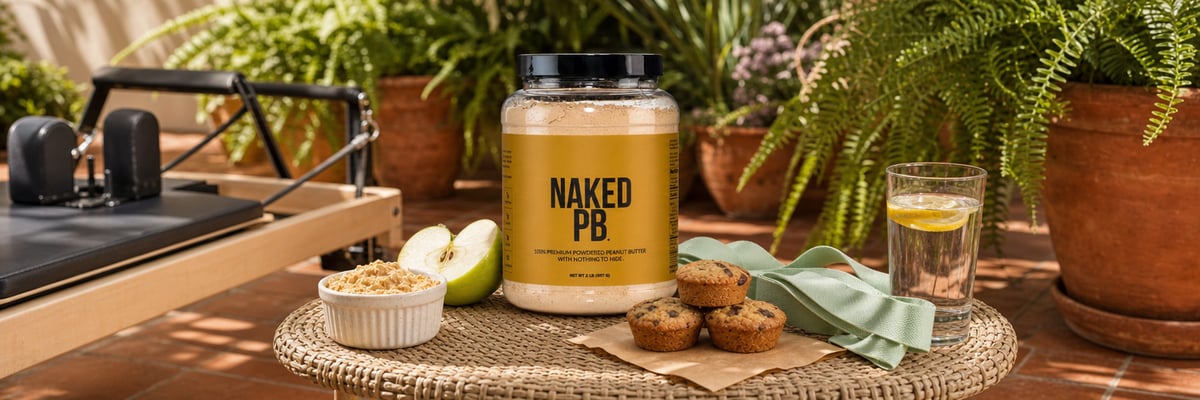
The powder format also opens up applications that traditional peanut butter can't. You can stir it directly into dry ingredients, whisk it into sauces, or blend it seamlessly into a shake without dealing with sticky clumps or oil separation. Throughout the recipes below, we're using Naked PB, Naked Nutrition's single-ingredient powdered peanut butter made from 100% US-grown peanuts with no additives, fillers, or artificial sweeteners. These powdered peanut butter protein recipes are built around that simplicity.
Benefits of Using Naked PB in High-Protein Recipes

Not all powdered peanut butters are equal. Many contain added sugars, palm oil derivatives, or artificial flavoring to compensate for the removed fat. Naked PB uses one ingredient: peanuts. That matters when you're stacking it with a protein powder that already has a full ingredient panel, because the last thing you need is redundant sweeteners or mystery additives.
- Approximately 6g of protein per 2-tablespoon serving with minimal fat and carbohydrate impact
- Blends smoothly into both wet and dry ingredients without clumping or oil separation
- Single-ingredient formula with no artificial sweeteners, fillers, or palm oil
- Pairs directly with Naked Whey or Naked Casein to stack protein content across a single recipe
- Shelf-stable longer than traditional peanut butter once opened
From a macro standpoint, Naked PB gives you a high protein-to-calorie ratio that works across baking, blending, and stovetop cooking. Because it's a dry powder, it integrates into batters and doughs without adding excess moisture or fat that could change your recipe's structure. For anyone tracking macros seriously, that predictability is useful.
Naked PB also pairs naturally with other Naked Nutrition products. Combining a serving of Naked PB with a scoop of Naked Whey in a smoothie pushes the protein content above 30g in a single drink. Add it to overnight oats made with Naked Casein and you have a slow-digesting, high-protein breakfast that holds through a morning training session. The compatibility is straightforward and the flavor combination works without any adjustment.
Peanut Butter Protein Muffins Recipe
These muffins use Naked PB as a primary dry ingredient alongside flour, which means the peanut butter flavor runs through the entire muffin rather than sitting as a swirl or topping. Ripe banana adds natural sweetness and moisture, reducing the need for added fat. Greek yogurt contributes a secondary protein hit and keeps the texture tender.
Ingredients (makes 12 muffins):
- 1 cup flour
- 1 cup Naked PB powdered peanut butter
- 1/3 cup granulated white sugar
- 1 tsp baking soda
- 1/2 tsp cinnamon
- 1/2 tsp baking powder
- 1/4 tsp salt
- 3/4 cup fat-free plain Greek yogurt
- 1 egg, beaten
- 1/2 tsp vanilla extract
- 1 cup mashed very ripe banana (about 2 large bananas)
- 1/4 cup chopped peanuts
- 1 cup water
Instructions:
Preheat oven to 375°F. Line or spray a 12-cup muffin tin. In a large bowl, combine flour, Naked PB, sugar, baking soda, cinnamon, baking powder, and salt. Mix well. In a separate bowl, whisk together yogurt, egg, vanilla extract, and water until combined. Add the wet mixture to the dry ingredients and stir until uniform and thick. Fold in mashed banana and 2 tablespoons of chopped peanuts. Distribute batter evenly among the muffin cups, smooth the surfaces, and sprinkle the remaining chopped peanuts on top. Bake for 20 to 22 minutes, or until a toothpick inserted into the center comes out clean.
Estimated macros per muffin: approximately 160 calories, 9g protein, 24g carbohydrates, 4g fat.
Pro tip: Powdered peanut butter is more absorbent than flour. If your batter looks too thick after mixing, add water one tablespoon at a time until it loosens. For an extra protein boost, fold in one scoop of Naked Whey Vanilla with the dry ingredients and add an additional 2 to 3 tablespoons of water to maintain the correct batter consistency.
Powdered Peanut Butter Mug Cake Recipe
A mug cake is the fastest high-protein dessert you can make: under two minutes from mixing bowl to plate. This one uses Naked PB as the dominant flavor with a small amount of flour for structure. It's not trying to replicate a bakery cake. It's a warm, satisfying single-serve dessert that fits a reasonable macro budget.
Ingredients (serves 1):
- 1 tbsp flour
- 2 tbsp Naked PB powdered peanut butter
- 1/4 tsp baking powder
- 2 tbsp sugar or preferred sweetener
- 1 egg, beaten
- 1 tbsp milk of choice
- 1/8 tsp vanilla extract
- 2 tbsp water
Instructions:
Spray a large microwave-safe mug with nonstick spray. Add flour, Naked PB, baking powder, and sweetener directly to the mug and stir to combine. Add egg, milk, vanilla extract, and water, then stir until the batter is smooth and uniform. Microwave on medium-high power for 1 minute and 15 seconds, or until the cake is set in the center. Run a knife along the edges immediately after cooking, then place a plate firmly over the mug and flip. Gently shake to release the cake onto the plate and serve warm.
Estimated macros: approximately 280 calories, 14g protein, 38g carbohydrates, 7g fat.
Microwave tip: Cooking times vary significantly between microwaves. If your mug cake comes out wet in the center, add 15-second intervals until set. Overcooking will make it rubbery. Start conservative and check early.
Optional toppings: a spoonful of Greek yogurt (adds protein and a cooling contrast), banana slices, a few dark chocolate chips, or a light drizzle of reconstituted Naked PB for extra peanut butter intensity.
Apple and Peanut Butter Protein Nachos Recipe
This one requires no cooking, takes about five minutes to put together, and covers the post-workout snack window well: natural sugars from the apple for glycogen replenishment, protein from the Naked PB drizzle, and optional toppings to push the macros further in whatever direction you need. The "nachos" format, apple slices laid flat and drizzled rather than dipped, makes it shareable and practical for meal prep presentation.
Ingredients (serves 1):
- 1 large apple, cored and sliced thin
- 3 tbsp Naked PB powdered peanut butter
- 1/8 tsp cinnamon
- 3 tbsp water
- 1 tsp mini semi-sweet chocolate chips (optional)
- 1 tbsp chopped peanuts (optional)
Instructions:
Arrange apple slices flat on a large plate and sprinkle with cinnamon. In a small bowl, whisk together Naked PB and water until smooth and pourable, adjusting water one teaspoon at a time to reach a drizzleable consistency. Pour the peanut butter mixture evenly over the apple slices. Add optional toppings and serve immediately.
Estimated macros (without optional toppings): approximately 185 calories, 8g protein, 33g carbohydrates, 2g fat.
Extra protein toppings to consider: hemp seeds (adds 3g protein per tablespoon), a sprinkle of low-sugar granola, crushed mixed nuts, or a light dusting of additional Naked PB powder straight from the container. This snack works as a pre-workout option too, the apple provides fast-acting carbohydrates while the peanut butter slows digestion just enough to prevent a sugar spike.
More Easy Powdered Peanut Butter Protein Recipes to Try

Once you have Naked PB in your pantry, the application list extends well beyond the three recipes above. Here are four additional options that keep prep minimal and protein output high.
Peanut Butter Protein Shake
Blend together: 1 cup unsweetened almond milk, 1 scoop Naked Whey (vanilla or unflavored), 2 tablespoons Naked PB, 1 frozen banana, and a handful of ice. This clears 35g of protein per serving and takes under two minutes. The Naked PB dissolves completely in the blender without any dry clumping.
Peanut Butter Overnight Oats
Combine in a jar: 1/2 cup rolled oats, 1 cup Greek yogurt, 2 tablespoons Naked PB, 1 teaspoon honey, and 1/4 cup milk of choice. Stir well, seal, and refrigerate overnight. In the morning you have a no-cook, high-protein breakfast with approximately 25g of protein before you add any toppings.
Savory Peanut Sauce
Whisk together: 3 tablespoons Naked PB, 2 tablespoons low-sodium soy sauce or tamari, 1 tablespoon rice vinegar, 1 teaspoon sesame oil, 1 teaspoon maple syrup, and 3 to 4 tablespoons warm water. This sauce works over noodles, as a stir-fry finishing sauce, or as a dipping sauce for grilled proteins. It comes together in under three minutes and adds a clean peanut flavor without the heaviness of regular peanut butter.
No-Bake Peanut Butter Energy Balls
Mix together: 1 cup rolled oats, 3 tablespoons Naked PB, 2 tablespoons honey, 1 scoop Naked Whey (chocolate works well here), 2 tablespoons mini chocolate chips, and 1 to 2 tablespoons water to bind. Roll into 12 balls and refrigerate for 30 minutes. Each ball delivers approximately 8g of protein and stores in the fridge for up to a week.
Tips for Cooking and Baking With Powdered Peanut Butter

Switching from regular peanut butter to the powdered version isn't complicated, but there are a few things worth knowing before you start substituting in your existing recipes.
Reconstituting for spreads and sauces: The standard ratio is 2 tablespoons of Naked PB to 1 to 1.5 tablespoons of water. Start with less water and add gradually. The texture firms up as it sits, so make it slightly looser than you want the final result to be.
Substituting in baking: Replace regular peanut butter with Naked PB using a rough 3:1 powder-to-liquid ratio by weight. For every 3 tablespoons of peanut butter a recipe calls for, use 3 tablespoons of Naked PB powder plus 1.5 tablespoons of water. Because you're removing the fat, baked goods may come out slightly drier. Add a tablespoon of melted coconut oil or an extra egg yolk to compensate when needed.
Using it dry: Naked PB can go directly into dry ingredient mixes without reconstituting first. This works well in muffins, pancake batter, protein balls, and overnight oats. The powder hydrates during the cooking or soaking process.
Stacking with protein powder: When combining Naked PB with a protein powder in the same recipe, reduce liquid slightly, as both are highly absorbent. Add liquid one tablespoon at a time and mix between additions to avoid over-thinning a batter.
Storage: Powdered peanut butter has a significantly longer shelf life than traditional peanut butter once opened because there is no fat to go rancid. Store Naked PB in a cool, dry location with the lid sealed. It typically stays fresh for 4 to 6 months after opening without refrigeration.
📊 What Research Says
Research published in the British Journal of Nutrition found that including protein-rich snacks and ingredients in meals increases satiety and reduces overall daily calorie intake compared to lower-protein equivalents. Building powdered peanut butter into everyday recipes, such as overnight oats and energy balls, is a practical way to raise baseline protein intake without adding significant caloric load.
One final practical note: if a recipe calls for peanut butter as a binding agent (such as in protein bars or energy balls), powdered PB reconstituted slightly thicker than usual works well. The paste form holds ingredients together effectively while keeping the fat content lower than traditional peanut butter would provide.
Frequently Asked Questions
What is powdered peanut butter and how does it differ from regular peanut butter?
Powdered peanut butter is made by pressing roasted peanuts to remove most of the natural oils, then grinding the remaining solids into a fine powder. The result is a product with roughly 85 to 90 percent less fat than traditional peanut butter, while still delivering a concentrated peanut flavor and a solid hit of protein. You reconstitute it with water, or add it dry directly into smoothies, batters, and protein shakes.
How much protein does powdered peanut butter actually contain per serving?
Most powdered peanut butter products provide 5 to 6 grams of protein per two-tablespoon serving, compared to around 7 to 8 grams in the same volume of regular peanut butter. The difference isn't dramatic, but the calorie savings are significant: roughly 45 calories per serving versus 190 for traditional peanut butter. When you combine it with a protein powder like whey or pea protein, that per-serving total climbs fast.
Can I substitute powdered peanut butter 1:1 for regular peanut butter in recipes?
Not directly, because the fat content and texture are completely different. To substitute, mix two tablespoons of powdered peanut butter with one tablespoon of water to approximate the consistency of one tablespoon of regular peanut butter. In dry recipes like protein balls or baked goods, you can often add it straight without reconstituting, but expect a drier, denser result if you don't adjust your liquid ratios accordingly.
What types of protein powder pair best with powdered peanut butter in recipes?
Whey protein is the most common pairing because it blends smoothly and complements the peanut flavor without overpowering it. Pea protein is a solid plant-based option that holds up well in baked recipes and protein balls. Casein works particularly well in overnight oats and thicker no-bake recipes because its slow-digesting nature gives those dishes a creamier, pudding-like texture.
Are powdered peanut butter protein recipes suitable for people with peanut allergies?
No. Powdered peanut butter is made directly from peanuts and contains the same allergenic proteins found in regular peanut butter. Anyone with a peanut allergy should avoid it entirely. If you're looking for a similar flavor profile without the allergen risk, powdered sunflower seed butter is an emerging alternative, though it has a noticeably different taste and nutritional breakdown.
How do I store powdered peanut butter to keep it fresh?
Store it in a cool, dry place with the lid sealed tightly, and it will typically stay fresh for 12 to 18 months unopened. Once opened, keep it away from humidity, which can cause clumping and accelerate rancidity in any remaining oils. There's no need to refrigerate it in its dry form, but once reconstituted with water, treat it like regular peanut butter and refrigerate any leftovers.
How many calories are in a typical powdered peanut butter protein recipe?
It depends heavily on the recipe, but most single-serving options like a protein smoothie or a small batch of protein energy balls fall between 200 and 400 calories. The powdered peanut butter itself contributes roughly 45 calories per two-tablespoon serving, while a standard scoop of protein powder adds another 100 to 150 calories. Keeping those two anchors in mind makes it straightforward to build recipes that fit your specific calorie targets.
Does Naked Nutrition's powdered peanut butter contain added sugars or artificial ingredients?
Naked Nutrition's Naked PB contains one ingredient: peanuts. There are no added sugars, artificial sweeteners, or fillers. This keeps total carbohydrates low and makes it easy to add natural sweetness on your own terms, using options like honey, dates, or a small amount of maple syrup depending on your recipe goals.
Top General Nutrition Picks
Chosen by 1 million+ customers. Free shipping on orders over $100.

Chocolate Peanut Butter Pea Protein Powder | Naked Pea - 5LB
$57.99
- ✓ Sustainable Farming Practices
- ✓ Superior Amino Acid Profile
- ✓ Promote Muscle Gain
- ✓ Lose Weight

PB Blueberry Vegan Protein | Naked Shake - 30 Servings
$41.99
- ✓ Increase Protein Intake On A Busy Schedule
- ✓ Only The Purest Ingredients
- ✓ Preserve Muscle With Pea Protein
- ✓ Support Weight Loss Goals

Organic Powdered Peanut Butter | Organic Naked PB - 1.5LB
$23.49
- ✓ Lose Weight
- ✓ Boost Protein Intake
- ✓ Mix Easily With Your Favorite Food