


Artikel + Rezepte
Entdecke unseren Blog und erfahre, wie du mit Naked-Produkten deine Ernährung ganz einfach verbessern kannst.
The Best Creatine HCl Powder of 2026
What Is Creatine HCl Powder? Creatine HCl, short for creatine hydrochloride, is creatine bonded to a hydrochloride group. That small change makes the molecule far more water-soluble than standard creatine monohydrate, and it is the reason HCl products are dosed differently. Where monohydrate is typically taken at around five grams per day, creatine HCl is usually dosed at roughly 750...
The Best Protein Powder Blend of 2026
What Is a Protein Powder Blend? A protein powder blend is a powder that combines two or more distinct protein sources in a single formula. On the animal side, that often means whey concentrate, whey isolate, and hydrolyzed whey together, sometimes with casein or egg added. On the plant side, it usually means a mix of sources such as pea,...
High Protein Snacks: Easy Ideas to Curb Hunger and Hit Your Goal
High-protein snacks are quick bites that deliver roughly 10 to 20 grams of protein, which curbs hunger between meals and helps you reach your daily protein target. Easy options include Greek yogurt, cottage cheese, hard-boiled eggs, jerky, edamame, roasted chickpeas, string cheese, tuna packets, nuts, and a protein shake. The best ones pair protein with fiber or healthy fat to...
Proteinreiches Frühstück: Einfache Ideen für einen kraftvollen Start in den Tag
Ein proteinreiches Frühstück liefert etwa 25 bis 30 Gramm Protein, was hilft, satt zu bleiben, den Appetit am Vormittag zu stabilisieren und die Muskeln zu unterstützen. Einfache proteinreiche Frühstückslebensmittel sind Eier, griechischer Joghurt, Hüttenkäse, Milch und ein Proteinshake sowie Ergänzungen wie Nussbutter, Samen und Bohnen. Die Kombination von zwei oder drei dieser Lebensmittel, zum Beispiel Eier mit griechischem Joghurt oder...
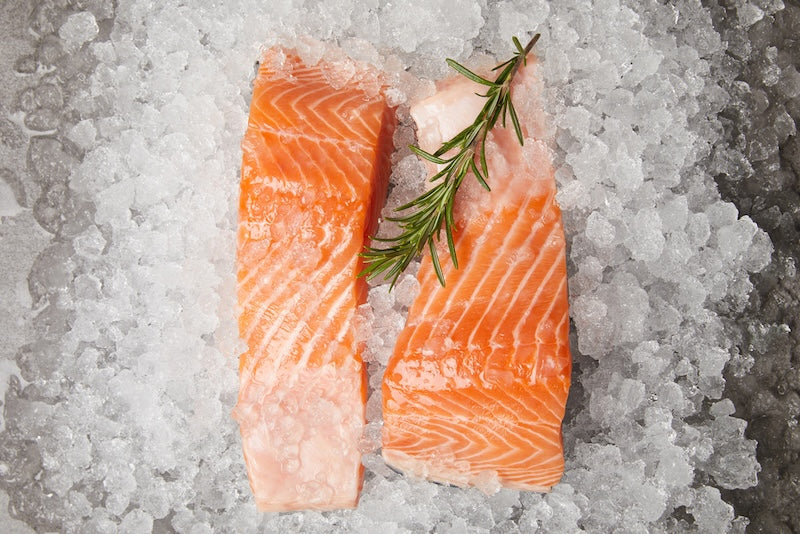
High Protein Foods: The Best Animal and Plant Sources
7 minute read
Is Creatine Bad for Your Kidneys? What the Research Actually Says
For healthy people, creatine is not bad for the kidneys. Multiple reviews and meta-analyses show that creatine monohydrate at normal doses does not damage kidney function. It can slightly raise a blood marker called creatinine, which sometimes looks like reduced kidney function on a test, but that reflects creatine in your body, not actual harm. The main caution is for...
How Much Protein Per Day to Lose Weight: A Simple Guide
To lose weight, most people do best eating roughly 1.2 to 1.6 grams of protein per kilogram of body weight per day, which is about 0.5 to 0.7 grams per pound. For a 165-pound person, that is around 90 to 120 grams daily. Higher protein helps you lose fat while keeping muscle, and it keeps you fuller so you naturally...

Can Pea Rice Protein Build Muscle as Well as Whey?
On this page Overview Can Pea and Rice Protein Help You Build Muscle? What Is Pea Protein and What Makes It Effective? What Is Rice Protein and Why Do Athletes Use It? Why Combining Pea and Rice Protein Creates a Complete Protein How Pea and Rice Protein Support Muscle Growth and Recovery How Much Pea and Rice Protein Do You...

Is Creatine a Steroid? No, and Here's the Real Difference
No, creatine is not a steroid. Creatine is a natural compound your body makes from amino acids and also gets from foods like meat and fish; it is stored in muscle and used for quick energy. Anabolic steroids are synthetic hormones related to testosterone that work in a completely different way. Creatine is legal, sold as a dietary supplement, not...
FFMI Calculator: Measure Your Fat-Free Mass Index & Muscle Potential
The FFMI calculator provides your FFMI score and corresponding classification. The FFMI measures how much fat-free mass you carry relative to your height, making it a more useful gauge of muscularity than BMI alone. Fat-free mass index separates lean mass from body fat, which is why it’s often helpful to track whether a change in scale weight reflects muscle mass...

Protein Powder Heavy Metals: What's Actually in Your Whey
On this page Overview Are There Heavy Metals in Protein Powder? What the Research Says How Do Heavy Metals Get Into Protein Powder? Which Protein Powders Have the Most Heavy Metals? What Are the Health Risks of Heavy Metals in Protein Powder? How to Choose a Protein Powder Free of Heavy Metals Why Naked Nutrition Whey Protein Is a Cleaner...

How Long Does Creatine Stay in Your System?
It depends on what you mean by "in your system." In your blood, creatine clears fast: a single dose peaks within about an hour or two and has a half-life of roughly three hours, with blood and urine levels returning to normal within about a week of stopping. In your muscles, where it actually works, it lasts much longer: muscle...

Does Protein Powder Expire? Shelf Life, Safety, and Storage
Yes, protein powder expires, but slowly. Most powders carry a "best by" date one to two years out, and because they are dry, low-moisture products, they resist the bacteria that spoil fresh food. Used shortly past the date and stored cool and dry, protein powder is usually still safe; it mainly loses quality as the amino acid lysine slowly breaks...
