


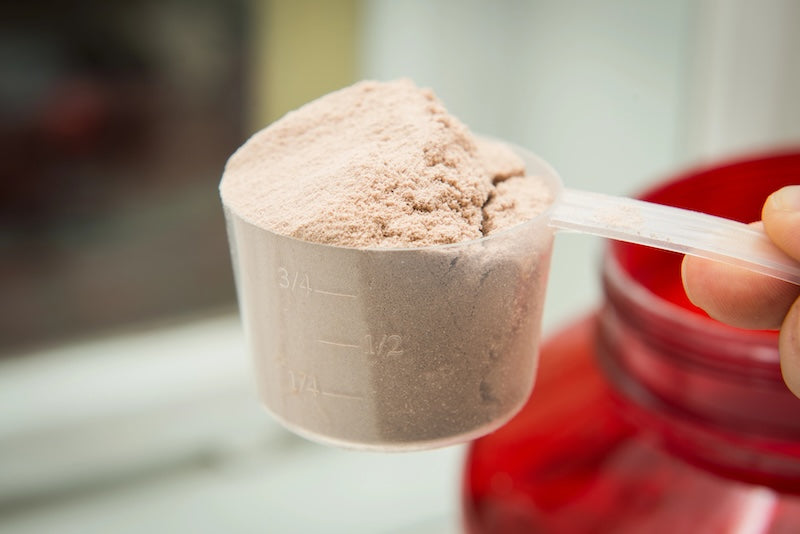

¿Qué es un ganador de masa vegano?
Un ganador de masa vegano es un suplemento alto en calorías diseñado para ayudar a personas con dietas basadas en plantas a lograr un superávit calórico para aumentar de peso y desarrollar músculo. A diferencia de los polvos de proteína estándar que principalmente aportan proteína, estas fórmulas combinan proteínas vegetales (comúnmente guisante y arroz) con fuentes de carbohidratos como avena, maltodextrina de tapioca o dextrina de arroz, y en algunos casos, pequeñas cantidades de grasas saludables. Debido a que la mayoría de las proteínas vegetales individuales son incompletas por sí solas, los ganadores de masa veganos suelen usar mezclas para ofrecer un perfil de aminoácidos más completo.
Esta categoría existe por una razón específica. Construir músculo y aumentar de peso requiere un superávit calórico constante, y para muchas personas con dietas basadas en plantas, alcanzar ese superávit solo con alimentos enteros es realmente difícil. Un solo batido que aporta varias cientos o más de mil calorías resuelve un problema real para quienes tienen dificultad para ganar peso y atletas de alto rendimiento que simplemente no pueden consumir suficiente volumen para alcanzar sus objetivos.
Ganador de masa vegano vs polvo de proteína regular

Un ganador de masa suele aportar entre 400 y más de 1,200 calorías por porción y está diseñado para apoyar un superávit calórico. El contenido de carbohidratos es intencionalmente alto para apoyar la reposición de glucógeno y la ingesta energética general, y algunas fórmulas incluyen grasas o enzimas digestivas para ayudar a la absorción.
Un polvo de proteína estándar se centra en la ingesta de proteínas y generalmente contiene entre 100 y 200 calorías por porción. Los carbohidratos y las grasas se mantienen bajos, lo que lo hace más adecuado para la suplementación general de proteínas o la recuperación, en lugar de para promover el aumento de peso.
Ganadores de masa veganos vs tradicionales
Los ganadores de masa veganos utilizan proteínas de guisante, arroz u otras plantas y evitan todos los ingredientes lácteos. Debido a que las proteínas vegetales individuales suelen carecer de ciertos aminoácidos esenciales, los formuladores recurren a mezclas como guisante más arroz o guisante más haba para completar el perfil de aminoácidos.
Los ganadores de masa tradicionales suelen estar basados en suero, lo que proporciona más leucina por gramo y un perfil de aminoácidos naturalmente completo. Estas fórmulas a menudo contienen azúcares lácteos y no son adecuadas para personas con intolerancia a la lactosa o que siguen dietas basadas en plantas.
¿Quién debería usar un ganador de masa vegano?
Los ganadores de masa veganos son ideales para personas con dificultad para aumentar de peso a pesar de comer regularmente, atletas veganos o intolerantes a los lácteos que necesitan un superávit calórico, personas con altas demandas energéticas, como atletas de resistencia o quienes realizan trabajos físicamente exigentes, y cualquiera que busque una forma conveniente y portátil de añadir calorías cuando cocinar o comer grandes comidas no es práctico.
Cómo clasificamos los mejores ganadores de masa veganos

Para identificar los mejores polvos de proteína vegana para ganancia de masa disponibles en 2026, nuestro equipo de investigación analizó más de 30 productos usando un modelo de puntuación ponderado basado en los criterios más importantes para atletas veganos y personas con dificultad para ganar peso. Cada producto fue evaluado usando etiquetas nutricionales públicas, listas de ingredientes, certificaciones, divulgaciones de pruebas por terceros, datos de precios y temas agregados de reseñas de consumidores.
Densidad Calórica y Perfil de Macronutrientes (25%): Evaluamos las calorías por porción, la proporción proteína-carbohidratos y el contenido de azúcar frente a carbohidratos complejos.
Calidad y Completitud de la Proteína (20%): Evaluamos si las fórmulas usaban proteínas vegetales mezcladas para ofrecer un perfil completo de aminoácidos y si se divulgaba el contenido de BCAA.
Calidad de la Fuente de Carbohidratos (15%): Preferimos productos basados en carbohidratos complejos como avena, tapioca y dextrina de arroz sobre fórmulas dominadas por azúcares añadidos.
Simplicidad de Ingredientes y Aditivos (10%): Preferimos productos con listas de ingredientes más cortas, sin edulcorantes ni sabores artificiales, y sin rellenos o gomas innecesarias.
Pruebas y Seguridad por Terceros (15%): Dimos crédito por pruebas independientes, detección de metales pesados y certificaciones reconocidas como Informed Sport y NSF Content Certified. Este factor tiene un peso extra en esta categoría porque las proteínas vegetales pueden absorber metales pesados del suelo, haciendo que la verificación por terceros sea especialmente importante.
Digestibilidad y Tolerancia (10%): Consideramos el contenido de fibra, la inclusión de enzimas digestivas y la tolerancia reportada según reseñas de consumidores.
Precio por 1,000 Calorías (5%): Evaluamos la eficiencia de costo para aumentar masa, calculada a partir del precio del envase y las calorías totales entregadas.
Mejores Polvos de Proteína para Ganancia de Masa Vegana: Tabla Comparativa 2026
|
Clasificación |
Marca |
Calorías por Porción |
Proteína (g) |
Carbohidratos (g) |
Azúcar (g) |
Fuente de Proteína |
Probado por Terceros |
Mejor Para |
|
1 |
Naked Nutrition - Naked Vegan Mass |
1,230 |
50 g |
248g |
1g |
Guisante + arroz integral |
Sí (Certificado NSF Content) |
Volumen serio con aditivos mínimos |
|
2 |
VEGAIN - Ganador de Masa a Base de Plantas |
677 |
68g |
106g |
7g |
Mezcla de guisante + haba |
Sí (pruebas de metales pesados + microbianas) |
Ganancia de masa alta en proteínas sin lácteos ni soja |
|
3 |
MyProtein - Mezcla Vegana para Ganancia de Peso |
402 |
29g |
39g |
1g |
Aislado de proteína de guisante + avena |
No especificado |
Aumento moderado de calorías con macros equilibrados |
|
4 |
Raw Sport - Ganador de Masa |
~406 |
32g |
56g |
5g |
Proteína de guisante biofermentada |
Sí (aprobado por Informed Sport) |
Perfil completo de aminoácidos con enzimas digestivas |
|
5 |
Iron Vegan - Ganador para Atletas |
720 |
42g |
~120g |
1g |
Guisante fermentado + arroz integral germinado |
Sí (certificado por Informed Sport) |
Personas con dificultad para ganar peso que buscan proteínas fermentadas y bajo contenido de azúcar |
|
6 |
A granel - Ganador de Masa Vegano |
369 (por 100g) |
31g |
44g |
2.5g |
Mezcla V+ (guisante, arroz integral, semilla de calabaza, semilla de lino, quinoa) |
No anunciado |
Atletas que desean calorías moderadas con enzimas digestivas |
|
7 |
Huel Black Edition (Chocolate) |
400 |
35g |
30g |
6g |
Aislado de proteína de guisante + arroz |
El fabricante declara pruebas de metales pesados |
Reemplazo de comida nutricionalmente completo |
|
8 |
OxiN Nutrition - Ganador de Masa Vegano |
~390 |
20g |
No especificado |
Sin edulcorantes artificiales |
Mezcla de proteínas vegetales |
Sí (pruebas de metales pesados reclamadas) |
Principiantes que necesitan calorías moderadas |
|
9 |
Nutricost - Comida vegana orgánica |
120 |
24g |
3g |
Bajo |
Guisante orgánico + arroz integral |
No especificado |
Ganadores de masa magra o suplementación proteica baja en calorías |
Los datos de precios y porciones reflejan listados típicos de minoristas a mayo de 2026. Los precios varían según el minorista y la moneda.
Reseñas individuales de productos

#1 - Naked Nutrition: Naked Vegan Mass
Naked Vegan Mass ocupa el primer lugar en esta reseña, y no es una decisión reñida. Después de evaluar más de 30 ganadores de masa veganos, ningún otro producto combina una fórmula verdadera de tres ingredientes, la mayor carga calórica en esta reseña con 1,230 calorías por porción, 50 g de proteína vegetal y la certificación NSF Content. Los competidores que igualan su densidad calórica suelen usar listas de ingredientes más largas con edulcorantes, sabores o rellenos añadidos. Los competidores que igualan su minimalismo en ingredientes ofrecen muchas menos calorías por porción. Naked Vegan Mass se sitúa en la intersección de alta densidad calórica y simplicidad de etiqueta limpia que ningún otro producto en esta reseña alcanza.
La versión sin sabor se basa en tres ingredientes: proteína de guisante, proteína de arroz integral orgánica y maltodextrina de tapioca orgánica. La base de carbohidratos es compleja en lugar de azucarada, con solo 1 g de azúcar por porción. El producto está certificado por NSF Content, lo que significa que se prueba de forma independiente para garantizar pureza y precisión en la etiqueta, una credencial importante en una categoría donde las proteínas vegetales pueden contener metales pesados del suelo. Para quienes tienen dificultad para ganar peso y para quienes buscan un aumento de masa serio con un ganancia limpia y alta en calorías a base de plantas sin la carga de aditivos común en esta categoría, Naked Vegan Mass es la respuesta más directa disponible.
Especificaciones clave del producto
-
Calorías por porción: 1,230
-
Proteína por porción: 50 g
-
Carbohidratos por porción: 248 g (carbohidratos complejos)
-
Contenido de azúcar: 1 g (sin sabor)
-
Fuente de proteína: Proteína de guisante + proteína de arroz integral
-
Fuente de carbohidratos: Maltodextrina de tapioca orgánica
-
Ingredientes añadidos: Ninguno en la versión sin sabor
-
Probado por terceros: Sí (Certificado NSF Content)
-
Precio: ~$69.99 por envase de 8 lb (~11 porciones)
-
Precio por 1,000 calorías: ~$5.20
Fortalezas
-
Fórmula de tres ingredientes en la versión sin sabor: proteína de guisante, proteína de arroz integral y maltodextrina de tapioca orgánica
-
1,230 calorías por porción, la mayor densidad calórica en esta reseña, ideal para un aumento de masa serio
-
50 g de proteína vegetal por porción de una mezcla complementaria de guisante y arroz integral para un perfil completo de aminoácidos
-
248 g de carbohidratos complejos con solo 1 g de azúcar
-
Certificado NSF Content por pureza y precisión en la etiqueta
-
Libre de edulcorantes artificiales, sabores y rellenos
-
Se puede mezclar en batidos, avena o licuados para un uso flexible
-
Naked Nutrition fue fundada en 2014 con una misión constante de nutrición con un solo ingrediente y con ingredientes mínimos
Consideraciones
-
El tamaño de la porción de 321 g es grande; muchos usuarios la dividen en dos batidos o la mezclan con comida en lugar de beberla toda de una vez
-
La alta carga de carbohidratos puede resultar pesada para usuarios nuevos en ganadores de masa
-
El perfil sin sabor es neutro; hay versiones con sabor disponibles para quienes prefieren un gusto añadido
Resumen de opiniones de clientes
Los clientes elogian constantemente Naked Vegan Mass por su lista limpia de ingredientes y efectividad para ganar peso. Muchos usuarios reportan mezclar el polvo en batidos, avena o batidos caseros en lugar de beberlo directamente, lo que describen como la forma más fácil de consumir la gran porción. El panel mínimo de ingredientes se cita frecuentemente como la principal razón de compra, especialmente entre compradores que han dejado atrás ganadores cargados de edulcorantes artificiales o azúcar. Un pequeño número de evaluadores menciona textura espesa o hinchazón leve, ambos atribuidos a la alta carga de carbohidratos que define la categoría del producto.
#2 - VEGAIN: Ganador de Masa a Base de Plantas
VEGAIN ocupa el segundo lugar por su densidad proteica y credenciales de pruebas. Cada porción de 200g aporta 68g de proteína de una mezcla de guisante y haba junto con 106g de carbohidratos y solo 7g de azúcar, para 677 calorías por porción. La marca enfatiza pruebas de metales pesados, microbianos y de terceros, lo cual es importante en una categoría donde la contaminación de proteínas vegetales es una preocupación real. Es ideal para atletas que desean alta proteína y una fuente libre de lácteos y soja en una sola fórmula.
Especificaciones clave del producto
-
Calorías por porción: ~677 (4 cucharadas, 200g)
-
Proteína por porción: 68g
-
Carbohidratos por porción: 106g
-
Contenido de azúcar: 7g
-
Fuente de proteína: Mezcla de proteínas de guisante y haba
-
Fuente de carbohidratos: Maltodextrina, almidón de guisante, tapioca
-
Ingredientes añadidos: Sabores naturales, crema no láctea
-
Probado por terceros: Sí (pruebas de metales pesados, microbianos y contaminantes)
-
Precio: ~THB 3,339 por 6.6 lb / 3 kg (20 porciones)
-
Precio por 1,000 calorías: ~THB 246.6
Fortalezas
-
Contenido muy alto de proteína con 68g por porción
-
Mezcla de guisante y haba que apoya un perfil más completo de aminoácidos
-
Contenido divulgado de BCAA y EAA (27g por porción)
-
Pruebas independientes para metales pesados y contaminantes microbianos
-
Carga calórica significativa adecuada para ganancia de masa
Consideraciones
-
El contenido de sodio es alto, con 724 mg por porción de 200g
-
Usa maltodextrina, que eleva el impacto glucémico y puede no ser adecuada para compradores que limitan los carbohidratos simples
Resumen de opiniones de clientes
Los evaluadores elogian la textura cremosa y el sabor rico, y muchos reportan ganancia constante de peso y músculo sin hinchazón significativa. Las quejas más comunes involucran problemas con el sello del envase y el precio en relación con alternativas.
#3 - MyProtein: Mezcla Vegana para Ganancia de Peso

MyProtein ofrece una opción de calorías más moderada con 402 calorías por porción de 100g, con 29g de proteína y 39g de carbohidratos. La base proteica es aislado de guisante combinado con avena finamente molida para una liberación constante de carbohidratos. Es más adecuado para compradores que desean aumentar las calorías gradualmente en lugar de buscar la mayor carga posible en un solo batido, o para quienes prefieren combinar su ganancia con comidas de alimentos integrales.
Especificaciones clave del producto
-
Calorías por porción: 402 (por 100g)
-
Proteína por porción: 29g
-
Carbohidratos por porción: 39g
-
Contenido de azúcar: 1g
-
Fuente de proteína: Aislado de proteína de guisante
-
Fuente de carbohidratos: Avena finamente molida y jarabe de arroz integral
-
Ingredientes añadidos: Polvo de aceite de coco, estevia, sabores naturales
-
Probado por terceros: No especificado
-
Precio: ~£39.99 por 2.5 kg (25 porciones)
-
Precio por 1,000 calorías: ~£4.70
Fortalezas
-
Perfil equilibrado de macronutrientes con bajo contenido de azúcar
-
La avena proporciona carbohidratos complejos en lugar de depender únicamente de maltodextrina
-
Adecuado para atletas que no necesitan calorías extremadamente altas por porción
Consideraciones
-
No se anuncia prueba por terceros
-
La carga calórica más baja puede no ser adecuada para personas con dificultad para ganar peso que necesitan más de 600 calorías por batido
Resumen de opiniones de clientes
Los evaluadores valoran la digestibilidad y el perfil de sabor natural, y muchos usan el polvo para la recuperación post-entrenamiento en lugar de un aumento agresivo de masa. Una minoría reporta una textura ligeramente granulada si no se mezcla bien.
#4 - Raw Sport: Ganador de Masa
Raw Sport's Plant-Based Mass Gainer ofrece aproximadamente 406 calorías por porción con 32g de proteína de guisante biofermentada y 56g de carbohidratos complejos de avena sin gluten. La fórmula añade 8g de BCAA en una proporción 2:1:1. Raw Sport enfatiza ingredientes naturales y pruebas de terceros, y el producto está aprobado por Informed Sport y analizado para metales pesados. Es ideal para compradores que buscan una base de proteína fermentada junto con enzimas digestivas y pruebas verificadas de sustancias prohibidas.
Especificaciones clave del producto
-
Calorías por porción: ~406
-
Proteína por porción: 32g (proteína de guisante biofermentada)
-
Carbohidratos por porción: 56g
-
Contenido de azúcar: 5g (de azúcar de coco)
-
Fuente de proteína: Proteína fermentada de guisante con BCAA añadidos
-
Fuente de carbohidratos: Avena sin gluten
-
Ingredientes añadidos: Azúcar de coco, enzimas digestivas
-
Probado por terceros: Sí (aprobado por Informed Sport, analizado para metales pesados)
-
Precio: ~£39.99 por 2 kg (20 porciones)
-
Precio por 1,000 calorías: ~£5.90
Fortalezas
-
Proteína fermentada y enzimas digestivas añadidas que apoyan la absorción
-
Contenido de BCAA declarado con una proporción 2:1:1
-
La aprobación de Informed Sport reduce el riesgo de sustancias prohibidas
-
Aditivos artificiales mínimos
Consideraciones
-
Densidad calórica menor que los mejores en esta reseña
-
El azúcar de coco aporta 5g de azúcar por porción
Resumen de opiniones de clientes
Los evaluadores elogian el sabor y la digestibilidad, y muchos reportan una mejor recuperación. Algunos mencionan que el polvo es espeso o requiere más agua para un batido más suave.
#5 - Iron Vegan: Athlete's Gainer

Iron Vegan's Athlete's Gainer es una de las opciones de alta caloría más limpias en la reseña. Cada porción aporta 720 calorías con 42g de proteína de una mezcla de guisante fermentado y arroz integral germinado, aproximadamente 120g de carbohidratos, 12g de fibra y solo 1g de azúcar. El producto está certificado por Informed Sport, y la marca destaca pruebas de metales pesados y pureza. Es ideal para personas con dificultad para ganar peso que buscan una alta carga calórica junto con proteínas fermentadas y azúcar mínima.
Especificaciones clave del producto
-
Calorías por porción: 720
-
Proteína por porción: 42g
-
Carbohidratos por porción: ~120g (aproximadamente 2.85:1 proporción carbohidratos a proteínas)
-
Contenido de azúcar: 1g
-
Fuente de proteína: Proteína fermentada de guisante + arroz integral germinado
-
Fuente de carbohidratos: Avena orgánica, jarabe de arroz integral
-
Ingredientes añadidos: MCT, fibra, edulcorantes naturales
-
Probado por terceros: Sí (certificado por Informed Sport)
-
Precio: ~CA$64.99 por 2.5 kg (13 porciones)
-
Precio por 1,000 calorías: ~CA$6.30
Fortalezas
-
Proteínas fermentadas y alto contenido de fibra que apoyan la digestión
-
Muy bajo en azúcar en relación con la alta carga calórica
-
Certificado por Informed Sport y analizado para metales pesados
-
Fuerte proporción de carbohidratos a proteínas para un aumento limpio de masa
Consideraciones
-
El envase de 2.5 kg ofrece solo 13 porciones, lo que hace que el costo por porción sea relativamente alto
-
Opciones de sabor limitadas (Chocolate y Vainilla)
Resumen de opiniones de clientes
Muchos atletas aprecian el sabor suave y reportan molestias digestivas mínimas. Un pequeño número de reseñas menciona dificultad para disolver completamente el polvo sin una licuadora potente.
#6 - Bulk: Ganador de Masa Vegano
Bulk's Vegan Mass Gainer ofrece un perfil moderado de calorías y macronutrientes con 369 calorías por 100g, 31g de proteína y 44g de carbohidratos. La fórmula utiliza cinco fuentes de proteína vegetal (guisante, arroz integral, semilla de calabaza, semilla de lino y quinoa) combinadas con avena ultrafina y un complejo de enzimas digestivas. Es ideal para atletas que desean un batido moderado en calorías basado en una mezcla de proteínas de múltiples fuentes con soporte enzimático.
Especificaciones clave del producto
-
Calorías por porción: 369 (por 100g)
-
Proteína por porción: 31g
-
Carbohidratos por porción: 44g
-
Contenido de azúcar: 2.5g
-
Fuente de proteína: Mezcla V+ (guisante, arroz integral, semilla de calabaza, semilla de lino, quinoa)
-
Fuente de carbohidratos: Avena ultrafina
-
Ingredientes añadidos: Complejo enzimático DigeZyme (amilasa, proteasa, lipasa, lactasa, celulasa)
-
Probado por terceros: No anunciado
-
Precio: £39.99 por 2.5 kg (25 porciones)
-
Precio por 1,000 calorías: ~£5.00
Fortalezas
-
Mezcla de proteínas de múltiples fuentes que apoya un perfil completo de aminoácidos
-
Las enzimas digestivas incluidas ayudan a la digestión
-
Bajo contenido de azúcar con carga calórica moderada
Consideraciones
-
No certificado por Informed Sport; no se anuncia específicamente la prueba de metales pesados
-
Densidad calórica menor que la de los principales ganadores de masa en esta revisión
Resumen de opiniones de clientes
A los clientes les gusta el sabor natural y la digestibilidad. Algunos encuentran la consistencia espesa cuando se mezcla solo con agua, y otros notan que las porciones son más pequeñas de lo esperado para un ganador de masa.
#7 - Huel Black Edition (Chocolate)

Huel Black Edition se posiciona como un reemplazo completo de comida más que como un ganador de masa dedicado. Cada porción de dos cucharadas (90g) aporta 400 calorías con 35g de proteína, 30g de carbohidratos y 17g de grasa. La fórmula combina aislado de proteína de guisante y arroz con semilla de lino, aceite de girasol, azúcar de coco y una mezcla de vitaminas y minerales. La grasa representa una parte significativa de la carga calórica. Es ideal para compradores que desean un reemplazo de comida equilibrado con mayor grasa y menos carbohidratos en lugar de un ganador de masa puro.
Especificaciones clave del producto
-
Calorías por porción: 400 (por 90g)
-
Proteína por porción: 35g
-
Carbohidratos por porción: 30g
-
Contenido de azúcar: 6g
-
Fuente de proteína: Aislado de proteína de guisante + arroz
-
Fuente de carbohidratos: Almidón de tapioca, avena, azúcar de coco
-
Ingredientes añadidos: Semilla de lino, aceite de girasol, polvo de MCT, mezcla de vitaminas y minerales
-
Probado por terceros: El fabricante indica que se realizan pruebas de metales pesados
-
Precio: ~$48 por 17 porciones
-
Precio por 1,000 calorías: ~$4.80
Fortalezas
-
Proporciona una comida completa con fibra, grasas esenciales y micronutrientes añadidos
-
El mayor contenido de grasa favorece la saciedad
-
Libre de gluten y sin OGM
Consideraciones
-
La carga calórica es menor que la de los ganadores de masa dedicados
-
Contiene aceites y grasas añadidas, que pueden no ser adecuadas para usuarios enfocados estrictamente en masa magra
Resumen de opiniones de clientes
Muchos compradores valoran la conveniencia y la nutrición equilibrada, usándolo a menudo como reemplazo de comida durante días ocupados. Algunos notan un sabor terroso o una ligera textura granulada, y el costo por caloría es más alto que el de fórmulas dedicadas para aumentar masa.
#8 - OxiN Nutrition: Ganador de Masa Vegano
OxiN Nutrition ofrece una fórmula más modesta, con cada porción proporcionando aproximadamente 20g de proteína vegetal y alrededor de 390 calorías. La marca enfatiza un perfil completo de aminoácidos, omite edulcorantes y sabores artificiales, y destaca el embalaje ecológico y las pruebas de calidad de terceros. Es ideal para principiantes o compradores que desean un aumento moderado de calorías con un enfoque en la sostenibilidad.
Especificaciones clave del producto
-
Calorías por porción: ~390
-
Proteína por porción: 20g
-
Carbohidratos por porción: No especificado (descrito como una mezcla equilibrada de carbohidratos y grasas)
-
Contenido de azúcar: Sin edulcorantes artificiales
-
Fuente de proteína: Mezcla de proteínas vegetales (guisante y otras)
-
Fuente de carbohidratos: Mezcla equilibrada de carbohidratos y grasas
-
Ingredientes añadidos: Libre de edulcorantes artificiales y lactosa
-
Probado por terceros: Sí (pruebas declaradas de metales pesados y calidad)
-
Precio: ~₹3,999 por 1 kg (10 porciones)
-
Precio por 1,000 calorías: ~₹490
Fortalezas
-
Adecuado para principiantes o quienes buscan un aumento moderado de calorías
-
Empaque ecológico y abastecimiento libre de crueldad
-
Libre de aditivos artificiales
Consideraciones
-
Menor densidad de proteínas y calorías que los principales ganancia de masa
-
El contenido de carbohidratos no está completamente especificado, lo que dificulta una planificación precisa de macronutrientes
Resumen de opiniones de clientes
Los evaluadores notan el sabor limpio y la ausencia de edulcorantes, y algunos usan el producto como batido para el desayuno. Otros mencionan que el contenido calórico por sí solo es insuficiente para un verdadero aumento de masa y sugieren combinarlo con fuentes adicionales de calorías.
#9 - Nutricost: Organic Vegan Meal

Organic Vegan Meal de Nutricost se acerca más a un reemplazo de comida alto en proteínas que a un verdadero ganancia de masa. Cada porción proporciona solo 120 calorías pero ofrece 24g de proteína junto con 3g de carbohidratos, 2g de grasa y 2g de fibra. Es completamente vegano y libre de edulcorantes artificiales, lo que lo convierte en una opción útil para un aumento de masa magra o como base a la que se pueden añadir carbohidratos adicionales. Es más adecuado para compradores que desean un reemplazo de comida bajo en calorías y enfocado en proteínas en lugar de una fórmula dedicada para aumentar masa.
Especificaciones clave del producto
-
Calorías por porción: 120
-
Proteína por porción: 24g
-
Carbohidratos por porción: 3g
-
Contenido de azúcar: Bajo
-
Fuente de proteína: Aislado de proteína de guisante orgánico + proteína de arroz integral
-
Fuente de carbohidratos: Fórmula baja en carbohidratos
-
Ingredientes añadidos: Enzimas digestivas, sabores naturales
-
Probado por terceros: No especificado
-
Precio: ~$29.95 por 20 porciones
-
Precio por 1,000 calorías: ~$12
Fortalezas
-
Alto en proteína con contenido muy bajo de carbohidratos y calorías
-
Libre de edulcorantes artificiales con ingredientes orgánicos
-
Útil como reemplazo de comida magra o impulso de proteína
Consideraciones
-
No es un verdadero ganancia de masa debido a la baja carga calórica
-
Costo más alto por 1,000 calorías
-
Los compradores necesitarán añadir carbohidratos adicionales para lograr un superávit calórico significativo
Resumen de opiniones de clientes
Los evaluadores disfrutan de la lista limpia de ingredientes y frecuentemente usan el producto como un impulso de proteína en batidos. Muchos señalan que no es lo suficientemente saciante por sí solo y sugieren agregar avena, plátano u otros alimentos integrales para aumentar las calorías.
Cómo evaluar un ganancia de masa vegano
Elegir el ganancia de masa vegano adecuado se reduce a combinar la fórmula con tus objetivos, tu digestión y tu tolerancia a una ingesta más alta de carbohidratos. El siguiente marco ayuda a separar productos realmente útiles de fórmulas que parecen altas en calorías en papel pero que no cumplen en la práctica.
Comienza con la densidad calórica en relación con tus objetivos. Si eres una persona que realmente tiene dificultad para ganar peso y le cuesta consumir suficiente volumen, una fórmula de más de 1,000 calorías como Naked Vegan Mass resuelve tu problema en un solo batido. Si solo necesitas un aumento moderado de calorías además de una rutina sólida de alimentación, una fórmula de 400 calorías puede ser más adecuada.
Observa la mezcla de proteínas, no solo la cantidad de proteína. Las proteínas vegetales de una sola fuente suelen ser incompletas por sí solas. Las mezclas que combinan guisante con arroz u otras legumbres ofrecen un perfil de aminoácidos más completo, lo cual es más importante que el número total de proteínas.
Examina la fuente de carbohidratos. Los carbohidratos complejos de avena, tapioca o dextrina de arroz mantienen la energía de forma más efectiva que los azúcares añadidos. Una fórmula con 1 g de azúcar y carbohidratos complejos es significativamente diferente de una con 15 g de azúcar añadida, incluso cuando el conteo total de carbohidratos es similar.
Prioriza las pruebas de terceros. Las proteínas vegetales pueden absorber metales pesados del suelo, lo que hace que las pruebas independientes sean más importantes en esta categoría que en muchas otras. Busca certificaciones NSF, Informed Sport o análisis específicos de metales pesados.
Calcula el precio por 1,000 calorías, no el precio por porción. Las fórmulas con más calorías suelen ofrecer mejor valor por caloría, incluso cuando el envase parece más caro al principio.
|
Factor |
Mínima |
Promedio |
Excelente |
|
Calidad de la proteína |
Proteína vegetal de una sola fuente |
Mezclas simples |
Mezcla completa (guisante + arroz u otras legumbres) con BCAA revelados |
|
Calidad de los carbohidratos |
Maltodextrina con alto contenido de azúcar |
Mezcla de carbohidratos simples y complejos |
Principalmente carbohidratos complejos (avena, tapioca, dextrina de arroz) con bajo contenido de azúcar |
|
Pruebas |
Sin afirmaciones de pruebas |
Solo GMP |
Probado por terceros para metales pesados y sustancias prohibidas |
|
Digestibilidad |
Reportes frecuentes de hinchazón |
Opiniones mixtas |
Enzimas digestivas añadidas o proteínas fermentadas |
|
Ingredientes |
Edulcorantes y sabores artificiales |
Una mezcla de naturales y artificiales |
Ingredientes mínimos, sin aditivos artificiales |
Preguntas para hacer antes de comprar un ganador de masa vegano
Antes de comprometerte con un producto, las siguientes preguntas te ayudarán a ir más allá del texto publicitario y enfocarte en los detalles que importan.
¿La mezcla de proteínas es completa, combinando guisante, arroz u otras proteínas vegetales para proporcionar todos los aminoácidos esenciales? ¿Cuáles son las principales fuentes de carbohidratos y son carbohidratos complejos o principalmente azúcares añadidos? ¿Cuánto azúcar contiene realmente la fórmula por porción? ¿El producto ha sido probado de forma independiente para detectar metales pesados y otros contaminantes? ¿Cuántas calorías aporta cada porción y coincide eso con el superávit calórico que necesitas? ¿Cuál es el costo por 1,000 calorías al comparar los productos que estás considerando?
¿Son seguros los ganadores de masa veganos?

Los ganadores de masa veganos son generalmente seguros cuando se usan adecuadamente. La consideración de seguridad más importante en esta categoría es la contaminación por metales pesados. Las proteínas de origen vegetal pueden absorber metales pesados del suelo en el que crecen, lo que hace que las pruebas independientes sean mucho más importantes aquí que en las categorías de proteínas derivadas de lácteos. Busque productos con certificación NSF, aprobación Informed Sport o que revelen específicamente el análisis de metales pesados.
La ingesta calórica debe coincidir con tu nivel de actividad. Consumir batidos altos en calorías sin un estímulo de entrenamiento suficiente puede llevar a un aumento no deseado de grasa en lugar de masa magra.
La tolerancia digestiva varía significativamente entre individuos. Algunas personas manejan grandes cantidades de avena, maltodextrina o fibra cómodamente, mientras que otras experimentan hinchazón. Comenzar con una porción más pequeña e incrementarla gradualmente es un enfoque sensato.
Cualquier persona con una condición médica subyacente, incluyendo problemas renales o trastornos digestivos, debe consultar a un profesional de la salud antes de adoptar un régimen de suplementación alta en calorías.
¿Quién debería elegir un ganancia de masa vegano?
Un ganancia de masa vegano es una herramienta útil para quienes tienen dificultad para consumir suficientes calorías solo con alimentos enteros, atletas veganos y libres de lácteos que necesitan nutrición vegetal alta en calorías, personas con altas demandas energéticas como atletas de resistencia o quienes tienen trabajos físicamente exigentes, y cualquiera que trabaje para alcanzar objetivos calóricos específicos para el crecimiento muscular o la recuperación.
Las personas con alergias a los lácteos que de otro modo usarían un ganancia de masa a base de suero encontrarán en las fórmulas veganas un sustituto directo. Los compradores enfocados puramente en la suplementación con proteína magra en lugar del superávit calórico pueden estar mejor servidos con un polvo de proteína vegetal estándar en lugar de un ganancia de masa dedicado.
Recomendación final
Para la gran mayoría de los compradores, Naked Vegan Mass de Naked Nutrition es la respuesta. Es el único producto en esta revisión que ofrece simultáneamente una fórmula verdadera de tres ingredientes, la mayor densidad calórica en la categoría con 1,230 calorías por porción, 50 g de proteína vegetal de una mezcla complementaria de guisante y arroz integral, solo 1 g de azúcar y la Certificación de Contenido NSF por pureza verificada y precisión en la etiqueta.
Algunos compradores específicos tienen razones legítimas para buscar otras opciones. Los atletas que desean específicamente una certificación de sustancias prohibidas a través de Informed Sport pueden considerar Raw Sport o Iron Vegan. Los compradores que buscan un reemplazo de comida completo con micronutrientes añadidos en lugar de un simple ganancia de masa pueden preferir Huel Black Edition. Pero para cualquiera cuya prioridad sea un ganancia de masa vegana limpia, alta en calorías y verificada que resuelva el problema del superávit calórico en un solo batido, ningún producto en esta revisión se acerca más a hacerlo todo bien. Puedes aprender más sobre Naked Vegan Mass en el sitio web de Naked Nutrition.
Los datos de precios reflejan los precios minoristas típicos a partir de mayo de 2026. Los precios pueden variar según el minorista, la región y con el tiempo. Los datos nutricionales provienen de etiquetas nutricionales disponibles públicamente e información del producto proporcionada por el fabricante.