


proteína
Does Pea Protein Cause Acne? What the Science Really Says
The short answer: No, pea protein does not cause acne. In fact, research suggests that pea protein may support skin health and barrier function, making it a better choice than some other protein sources for people with acne-prone skin [1,2]. Unlike dairy-based proteins that have been linked to acne development, pea protein is hypoallergenic, anti-inflammatory, and doesn't trigger the hormonal...
What Is Protein Coffee? Everything You Need to Know About This Popular Trend
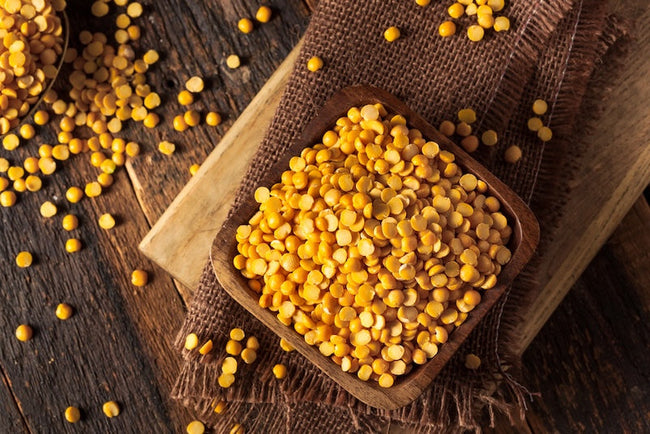
Protein coffee is exactly what it sounds like: coffee that's been enhanced with added protein, either from natural coffee bean proteins or by combining regular brewed coffee with protein powder supplements. This combination delivers both the energy benefits of caffeine and the nutritional advantages of protein in a single convenient beverage that supports muscle maintenance, curbs hunger, and provides sustained...

How Much Protein You Need: Build Muscle & Burn Fat | Science-Backed Guide
Struggling to build muscle while shedding fat? The answer might be on your plate. Protein isn't just another nutrient—it's the foundation of your fitness journey, providing the building blocks your body needs to transform your physique. When you're working toward that lean, muscular look, finding the optimal protein balance becomes crucial. Too little, and your muscles won't have the resources...

Whey vs. Plant Protein: Which is Better for Your Fitness Goals?
When you're looking to boost your protein intake, the choice between whey and plant protein isn't always straightforward. Both options have loyal followers, with whey protein traditionally dominating the fitness industry and plant-based alternatives gaining rapid popularity in recent years. As you navigate your fitness journey, understanding which protein source best supports your goals is crucial. Whey offers a complete...


How to Calculate Your Protein Needs: A Simple Guide to Optimal Intake
19 minute read
¿Puedes tomar colágeno para bajar de peso?
El colágeno es una proteína que se encuentra de forma natural en el organismo y es un suplemento muy popular. Tomar colágeno puede ayudar a perder peso al promover la saciedad y cambiar la forma en que el cuerpo almacena la grasa. El interés por utilizar suplementos de colágeno para bajar de peso ha aumentado, pero las investigaciones aún no...

The Ultimate Guide to Casein Protein: Benefits, Timing, and Best Uses
You’ve heard the hype about whey protein, but what about casein? Casein is the other protein found in milk. It makes up about 80% of the milk proteins and is best known for its slow-digesting properties compared to whey protein [1]. But why does that matter? Whey protein digests quickly, giving your muscles access to essential amino acids for optimal...

El mejor polvo de proteína para aumentar de peso
Cuando se utilizan correctamente y se eligen con cuidado, las proteínas en polvo pueden ser herramientas poderosas para desarrollar músculos y ganar peso. Pero, ¿qué significa eso? ¿Qué deberías buscar? En concreto, ¿cuál es la mejor proteína en polvo para ganar peso?
¿Qué hace el colágeno?
El colágeno se ha convertido en un suplemento muy popular. Entonces, ¿para qué sirve exactamente el colágeno? ¿Qué hace el colágeno que le ha permitido volverse tan popular?

When to Drink Protein Shakes for Maximum Results: A Science-Backed Guide
Wondering when to drink that protein shake for maximum benefits? The timing of your protein consumption can significantly impact your fitness results and overall health outcomes. Research shows that strategic protein intake throughout the day—whether in the morning to preserve muscle mass, immediately after exercise to enhance recovery, before meals to support weight management, or in the evening to improve...
¿Cuánto colágeno debes tomar al día?
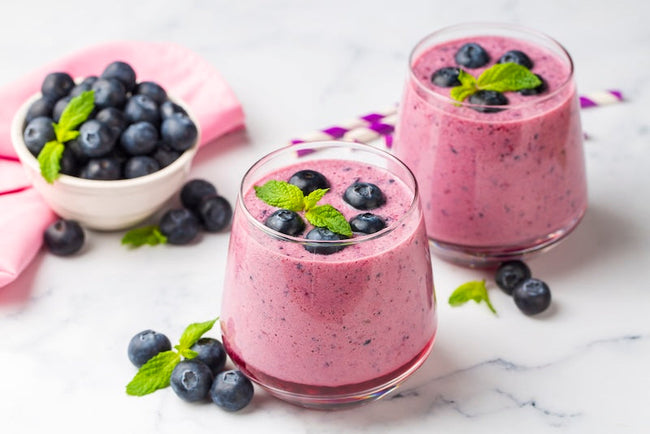
Para que el colágeno sea efectivo, se recomienda tomar entre 2,5 y 15 gramos cada día, según sus necesidades y objetivos individuales. Puntos clave sobre la cantidad diaria de colágeno La cantidad adecuada de colágeno a tomar diariamente varía de persona a persona, pero como regla general los expertos recomiendan consumir entre 2,5 g y 15 g de colágeno al...

Concentrado de proteína de suero vs. aislado: por un nutricionista
Existen muchas formas distintas de suero de leche en el mercado y puede resultar difícil saber cuál elegir: ¿concentrado de proteína de suero de leche o aislado de proteína de suero de leche? ¿Cuál es la diferencia?
¿Cuál es el mejor momento para tomar colágeno?
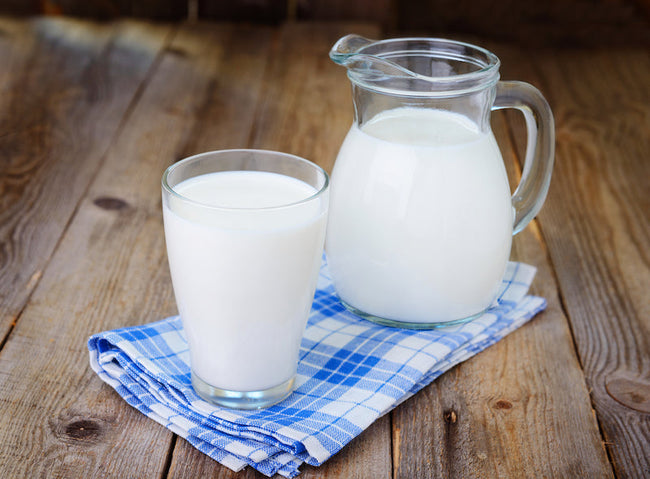
Muchas personas toman colágeno para mejorar su salud, bienestar y belleza. Quizás te preguntes si existe un momento óptimo del día para consumir colágeno y aprovechar al máximo sus beneficios. Si bien es beneficioso tomar suplementos de colágeno en cualquier momento del día, puedes optimizar tu ingesta de colágeno tomándolo en un momento estratégico, según tus objetivos. Continúe leyendo para...
