
Suplementy
The Best Electrolytes Powder of 2026
What Is an Electrolytes Powder? An electrolytes powder is a drink mix that delivers the key minerals the body loses through sweat and uses to stay hydrated. The core electrolytes are sodium, potassium, magnesium, and chloride, and together they support fluid balance, nerve signaling, and muscle function. When you sweat heavily, follow a low-carb diet, or spend time in the...

The Best Grass-Fed Colostrum of 2026
What Is Grass-Fed Colostrum? Colostrum is the first milk a cow produces in the days immediately after calving, and it is nutritionally distinct from the regular milk that follows. It is dense with bioactive compounds that a newborn calf relies on for early immune support, and those same compounds are what make it valuable as a supplement. Once collected, colostrum...
The Best Creatine HCl Powder of 2026
What Is Creatine HCl Powder? Creatine HCl, short for creatine hydrochloride, is creatine bonded to a hydrochloride group. That small change makes the molecule far more water-soluble than standard creatine monohydrate, and it is the reason HCl products are dosed differently. Where monohydrate is typically taken at around five grams per day, creatine HCl is usually dosed at roughly 750...

Is Creatine Bad for Your Kidneys? What the Research Actually Says
For healthy people, creatine is not bad for the kidneys. Multiple reviews and meta-analyses show that creatine monohydrate at normal doses does not damage kidney function. It can slightly raise a blood marker called creatinine, which sometimes looks like reduced kidney function on a test, but that reflects creatine in your body, not actual harm. The main caution is for...


Is Creatine a Steroid? No, and Here's the Real Difference
7 minute read
How Long Does Creatine Stay in Your System?
It depends on what you mean by "in your system." In your blood, creatine clears fast: a single dose peaks within about an hour or two and has a half-life of roughly three hours, with blood and urine levels returning to normal within about a week of stopping. In your muscles, where it actually works, it lasts much longer: muscle...

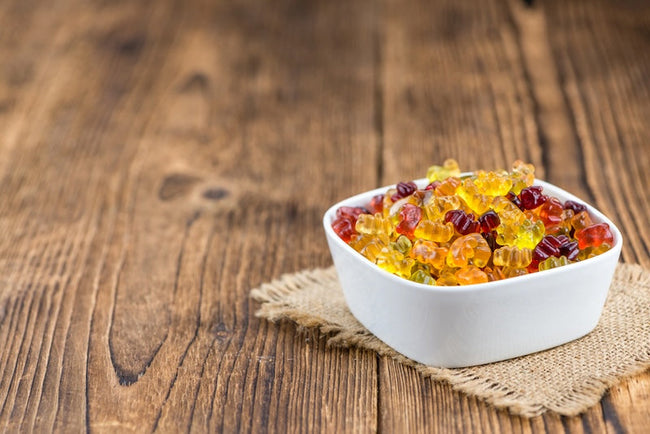
Creatine Gummies vs. Powder: Which Is Actually Better?
Both creatine gummies and powder work, as long as the product actually contains the creatine monohydrate it claims. Creatine works by building up in your muscles over time, so the format does not change the result. Powder is cheaper, research-backed, and lets you control the exact dose, but you have to mix it. Gummies are convenient and tasty, but often...
Does Creatine Have Caffeine? What You Need to Know
No, creatine does not contain caffeine. Creatine and caffeine are two completely different supplements: creatine is an energy compound that builds up in your muscles over time, while caffeine is a fast-acting stimulant. The two are often sold together in pre-workout powders, which is where the confusion comes from, but plain creatine has no caffeine and is not a stimulant....

Can You Dry Scoop Creatine? Safety, Risks, and Better Ways to Take It
Yes, you technically can dry scoop creatine, meaning swallow the dry powder without mixing it into water, but there is no reason to, and a few real risks. Dry scooping does not make creatine work faster or better because creatine builds up in your muscles over days, no matter how you take it. It does raise the chance of choking,...
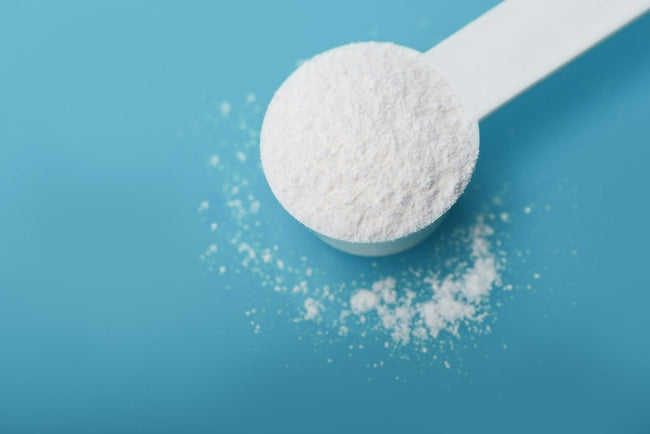
Czy kreatyna może powodować bóle głowy? Co naprawdę pokazują dowody
Sama kreatyna nie jest udowodnioną przyczyną bólów głowy. Duże przeglądy bezpieczeństwa nie wymieniają bólów głowy jako rozpoznanego skutku ubocznego, a kreatyna jest generalnie dobrze tolerowana. Gdy ludzie doświadczają „bólu głowy po kreatynie”, zwykle wiąże się to z odwodnieniem, wysoką dawką nasycającą, intensywniejszym treningiem lub kofeiną w połączonym preparacie przedtreningowym, a nie bezpośrednio z kreatyną. Większość można zapobiec, pijąc wystarczająco dużo...

Produkty bogate w kreatynę: pełna lista (z zawartością każdej z nich)
Kreatyna występuje niemal wyłącznie w produktach zwierzęcych, a śledź, wieprzowina, wołowina, łosoś, tuńczyk, dorsz i kurczak należą do najbogatszych źródeł. Porcja 4 uncji większości mięs lub ryb dostarcza około 0,3 do 1 grama kreatyny, a gotowanie może obniżyć tę ilość o 10 do 30 procent. Twoje ciało produkuje około 1 grama dziennie, a typowa dieta mięsożercy dostarcza dodatkowo 1 do...

Najlepsze zielone proszki superfood w 2026 roku
Czym jest zielony proszek superfood? Zielone proszki superfood to suplementy diety powstające przez suszenie i rozdrabnianie roślin bogatych w składniki odżywcze. Większość formuł łączy sproszkowane zielone liście, takie jak jarmuż i szpinak, trawy takie jak trawa pszeniczna i jęczmienna, algi takie jak spirulina i chlorella oraz inne składniki roślinne, w tym owoce, zioła, adaptogeny, probiotyki lub enzymy trawienne. Ze względu...
Ile kreatyny powinienem przyjmować?
Przyjmuj codziennie od 3 do 5 g monohydratu kreatyny, aby zmaksymalizować zapasy mięśniowe i siłę. Fazy ładowania są opcjonalne. Dowiedz się, jak dostosować swoją dawkę.