
Skip to content

★★★★★ 1,000,000+ Happy Customers

Free Shipping On Orders $99+

Take the quizLink to /en-uk/pages/supplements-quiz

Your cart is empty

Continue shopping or browse the categories below to add items to your cart.

Collagen Powder vs Pill: Which One is Better?

Collagen Powder vs Pill: Which One is Better?

You already know that taking collagen is good for your skin, joints, muscles, and bones. If you’re on the hunt for the best supplement, you may be wondering if you should take collagen in pill form or as a protein powder. 


In this article, we’ll explain the difference between collagen protein powder and the pill to help you decide which option is best for you.  

Collagen powder vs pill: does it matter? 

Whether you choose a pill or powder, the most important thing is the type of collagen the product contains. To see the best results, choose a high-quality supplement made with hydrolyzed collagen peptides


Hydrolyzed peptides are already broken down into smaller amino acid chains, making the collagen more dissolvable and easy for your body to digest. This helps the collagen get into your body quickly with less waste. 


Choosing this highly efficient type of collagen is important to get more collagen into your cells to relieve joint pain, improve skin elasticity and improve muscle recovery. 


Is it better to take a collagen pill or powder?


Neither form is necessarily “better” than the other. It all comes down to your personal preference. Taking a collagen pill is quick, convenient, and easy to take with other supplements. 


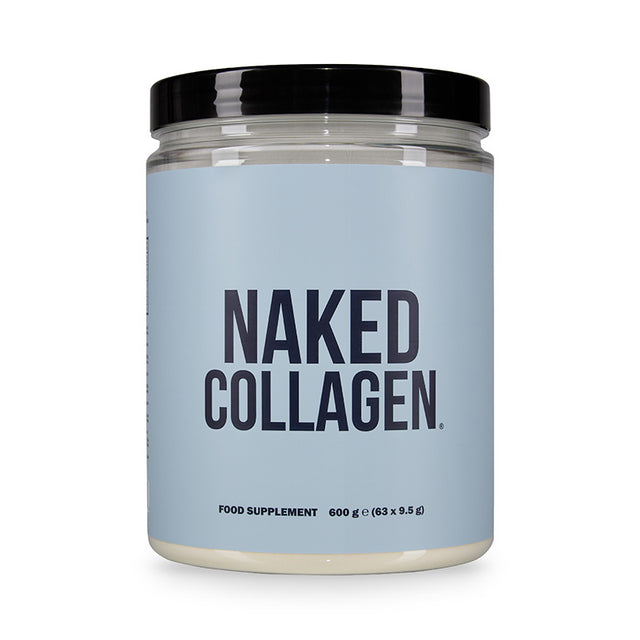
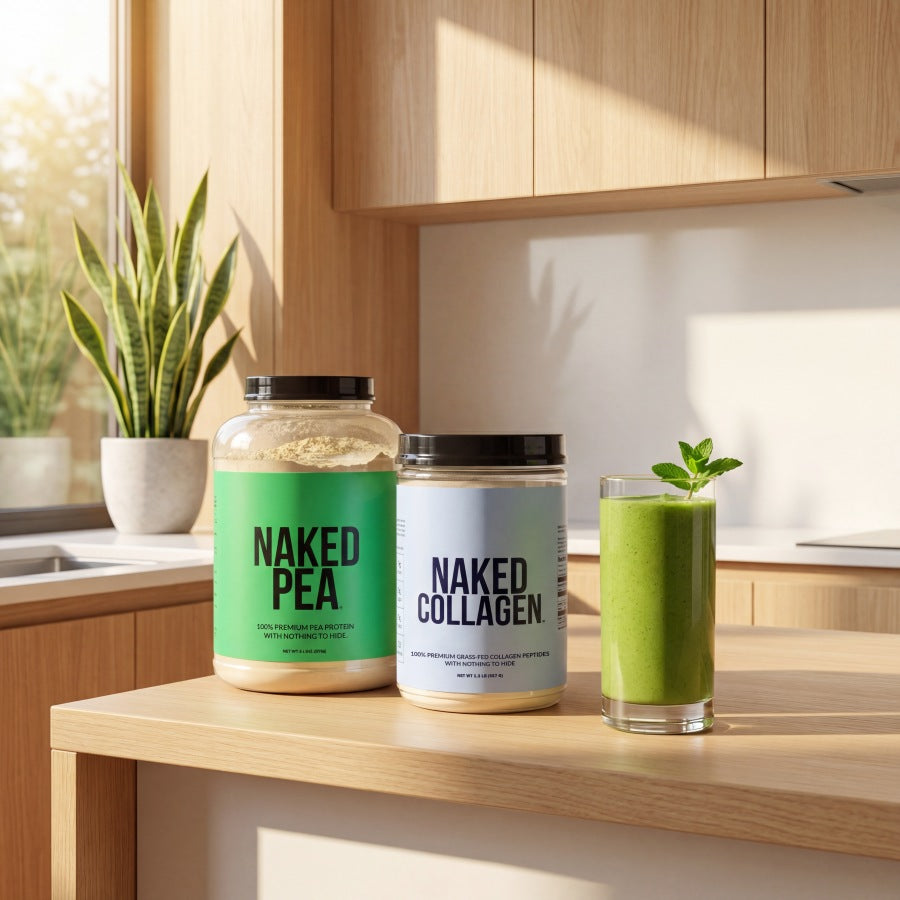
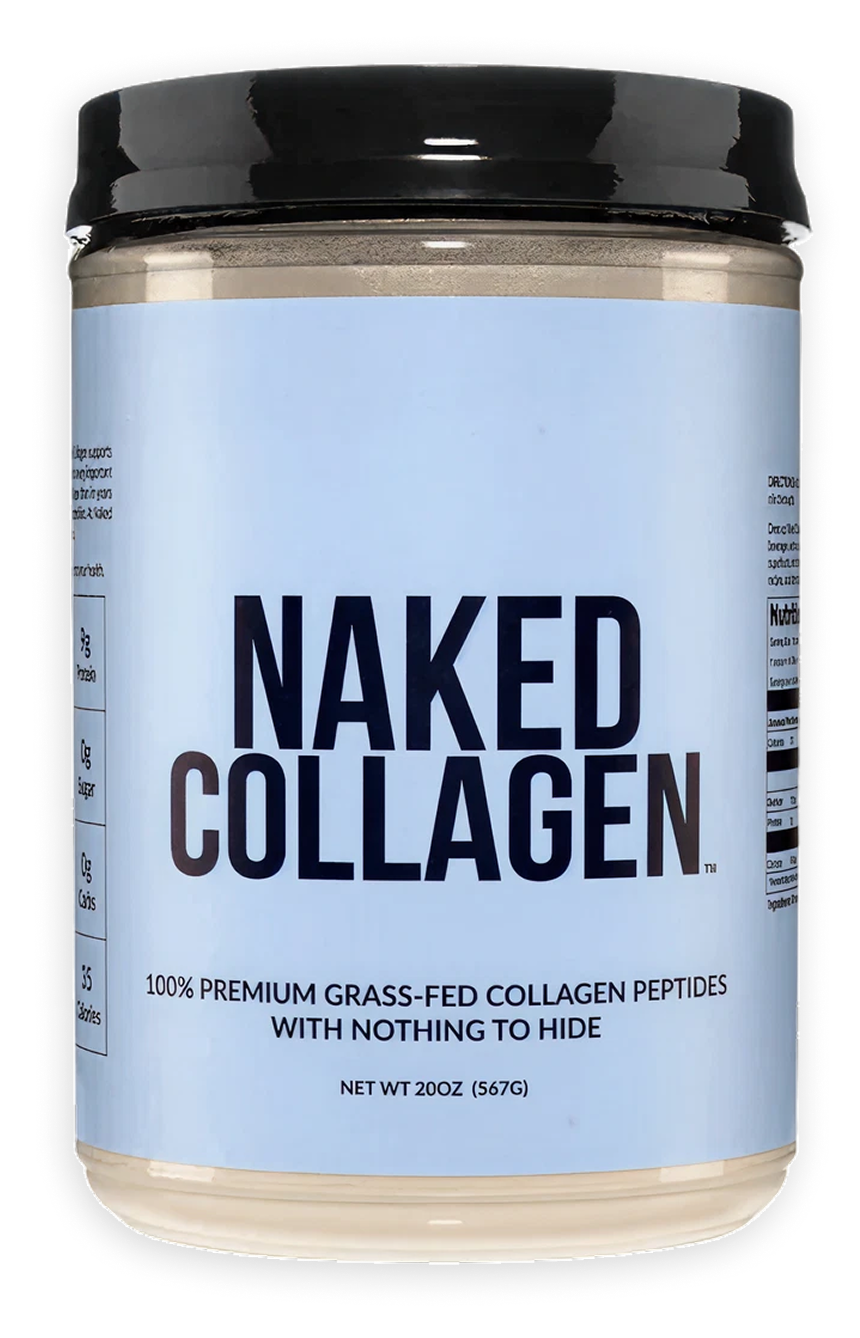
However, the benefit of taking a collagen powder like Naked Collagen is the ability to better control how much collagen you’re taking. Collagen powder is also odorless and flavorless, and easily mixes with a variety of beverages and dishes. 


What is the best way to take collagen powder? 

You can mix collagen powder into virtually anything you want. Many people mix a scoop into their morning coffee, smoothie, or even oatmeal. Since hydrolyzed collagen peptides don’t gel, it won’t change the texture when you mix it into a food or beverage. 


Here are some quick, tasty recipes to try if you decide to take collagen powder.


Collagen Strawberry Smoothie 

Ingredients

  • 1 cup of frozen strawberries
  • 1 teaspoon vanilla extract
  • 2 cups of milk (of your choice)
  • 1 tbsp. of honey
  • 1 scoop of collagen protein powder

Instructions

To start, add a cup of frozen strawberries to your blender and then pour in the milk of your choice. While it’s generally your pick of which type of milk you use, cow’s milk does make the shake a lot thicker than dairy-free alternatives, so keep that in mind!


Give the mixture a quick blend until the two are combined. Then add in the honey, vanilla, and a scoop of collagen peptides powder to make sure you’re getting all those nutrients in. Mix together until smooth and then you’re done!


To finish, serve up your tasty milkshake in the glass of your choice. Feel free to add some more strawberries to top it off, or add a little flair with throwing in some chia seeds.


Vanilla Protein Muffins 


Ingredients

  • 1 large ripe banana, mashed
  • 3/4 cup egg whites
  • 1/2 cup plain low fat Greek yogurt
  • 3/4 cup oats
  • 2 scoops Naked Collagen
  • 1/2 cup sweetener (of choice)
  • 1 tsp baking powder
  • 1 tsp baking soda
  • 1/2 tsp cinnamon


Instructions 

Preheat your oven to 350 degrees F and prepare a muffin pan. Place all of the ingredients in a blender and combine until smooth. Divide the batter evenly between your muffin tins and bake for 15-18 minutes.


A toothpick or knife poked into the middle of a muffin should come out clean.


Related Posts:

What does collagen do?

How much collagen per day

Best supplements for gut health

Related Articles

Does Creatine HCL Cause Bloating? What Science and Users Say

The Creatine Bloating Myth  Creatine is one of the most researched and effective supplements for improving strength, building muscle, and enhancing exercise performance. However, there are many misconceptions about creatine especially when it comes to feeling bloated and puffy.  The fear of creatine causing puffiness, bloating, or just general discomfort keeps many people from trying a supplement that has the...

Link to theDoes Creatine HCL Cause Bloating? What Science and Users Sayarticle

When to Take Zinc: Morning or Night?

Who This Guide Is For: Zinc supplement users confused about optimal timing for maximum absorption and benefits Health-conscious individuals wanting to maximize their supplement effectiveness Athletes and fitness enthusiasts optimizing their supplement schedules around workouts People with digestive sensitivities seeking the best timing to minimize side effects Shift workers and irregular schedules needing flexible supplementation strategies Healthcare providers counseling patients...

Link to theWhen to Take Zinc: Morning or Night?article

The Complete Guide to Using Collagen Peptides: Benefits, Types & Daily Tips

Ever wondered why collagen peptides have become a staple in wellness routines? These versatile supplements offer numerous benefits for your skin, joints, and overall health.  As collagen production naturally decreases with age, incorporating these peptides into your daily regimen can help maintain that youthful glow and physical mobility. Knowing how to use collagen peptides effectively can maximize their benefits. Whether...

Link to theThe Complete Guide to Using Collagen Peptides: Benefits, Types & Daily Tipsarticle

Vitamin D3 vs D2: Which One Should You Take?

Quick Answer – Is D3 Better Than D2? Vitamin D3 is generally more effective at increasing vitamin D levels in the body compared to vitamin D2. Vitamin D3 increases serum 25-hydroxyvitamin D concentrations efficiently and effectively as it is more readily absorbed by the body than D2. Vitamin D3 can more sustainably maintain healthy vitamin D levels since this form...

Link to theVitamin D3 vs D2: Which One Should You Take?article