

Supplements
What Is Berberine? Benefits, Uses, and How It Works
You may have spotted berberine on a supplement label or seen it featured in a weight-loss claim. Before adding it to your routine, it helps to understand what researchers have actually studied, and whether those findings apply to you. The formula on the label matters, too. Different forms of berberine cannot automatically be compared by their milligram amounts. As of...

The Best Chocolate Collagen Peptides of 2026
What Are Chocolate Collagen Peptides? Chocolate collagen peptides are hydrolyzed collagen, typically types I and III, flavored with cocoa. The collagen is broken down into small peptides so that it dissolves easily and is readily absorbed, and it is usually sourced from grass-fed bovine hide or from marine fish. Most products deliver somewhere between 10 and 20 grams of collagen...
The Best Collagen Peptides with Hyaluronic Acid of 2026
What Are Collagen Peptides with Hyaluronic Acid? These products combine hydrolyzed collagen peptides, usually types I and III, with hyaluronic acid, a molecule that holds water in the skin and joints. The pairing is popular because the two ingredients work along complementary paths. Collagen supports the structure of skin and connective tissue, while hyaluronic acid supports hydration and cushioning, so...

The Best Glutamine Powder of 2026
What Is Glutamine Powder? Glutamine is the most abundant amino acid in the body, and the form found in supplements is L-glutamine. Under normal conditions the body makes enough on its own, but during periods of heavy training, physical stress, or illness, demand can outpace supply, which is why glutamine is described as conditionally essential. Supplementing it is aimed at...

The Best Electrolytes Powder of 2026
20 min read
The Best Grass-Fed Colostrum of 2026
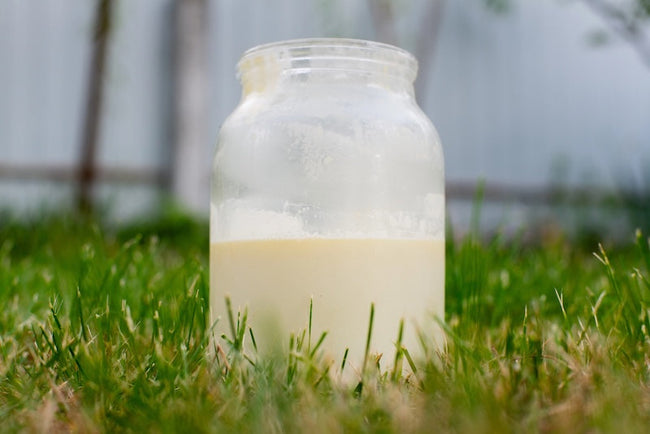
What Is Grass-Fed Colostrum? Colostrum is the first milk a cow produces in the days immediately after calving, and it is nutritionally distinct from the regular milk that follows. It is dense with bioactive compounds that a newborn calf relies on for early immune support, and those same compounds are what make it valuable as a supplement. Once collected, colostrum...
The Best Creatine HCl Powder of 2026
What Is Creatine HCl Powder? Creatine HCl, short for creatine hydrochloride, is creatine bonded to a hydrochloride group. That small change makes the molecule far more water-soluble than standard creatine monohydrate, and it is the reason HCl products are dosed differently. Where monohydrate is typically taken at around five grams per day, creatine HCl is usually dosed at roughly 750...

Is Creatine Bad for Your Kidneys? What the Research Actually Says
For healthy people, creatine is not bad for the kidneys. Multiple reviews and meta-analyses show that creatine monohydrate at normal doses does not damage kidney function. It can slightly raise a blood marker called creatinine, which sometimes looks like reduced kidney function on a test, but that reflects creatine in your body, not actual harm. The main caution is for...
Is Creatine a Steroid? No, and Here's the Real Difference
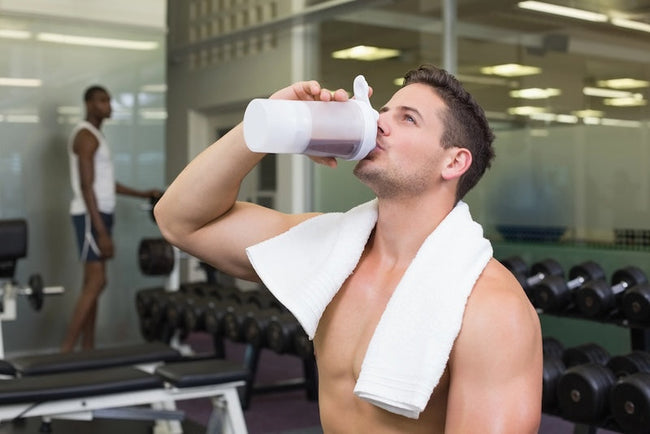
No, creatine is not a steroid. Creatine is a natural compound your body makes from amino acids and also gets from foods like meat and fish; it is stored in muscle and used for quick energy. Anabolic steroids are synthetic hormones related to testosterone that work in a completely different way. Creatine is legal, sold as a dietary supplement, not...
How Long Does Creatine Stay in Your System?
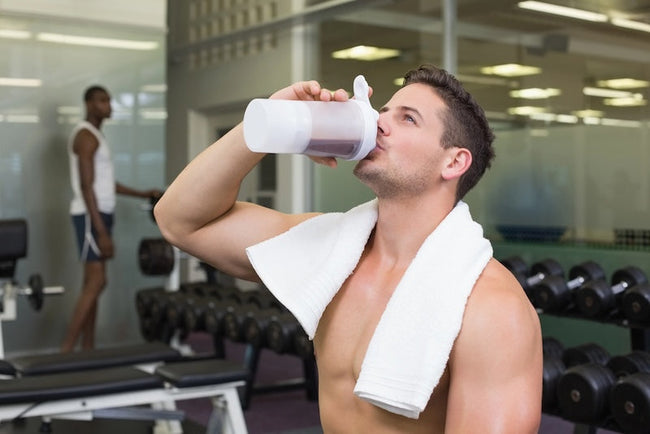
It depends on what you mean by "in your system." In your blood, creatine clears fast: a single dose peaks within about an hour or two and has a half-life of roughly three hours, with blood and urine levels returning to normal within about a week of stopping. In your muscles, where it actually works, it lasts much longer: muscle...

Creatine Gummies vs. Powder: Which Is Actually Better?
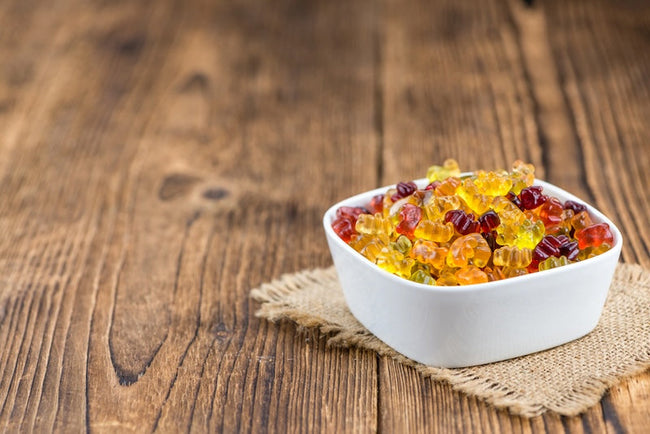
Both creatine gummies and powder work, as long as the product actually contains the creatine monohydrate it claims. Creatine works by building up in your muscles over time, so the format does not change the result. Powder is cheaper, research-backed, and lets you control the exact dose, but you have to mix it. Gummies are convenient and tasty, but often...
Does Creatine Have Caffeine? What You Need to Know
No, creatine does not contain caffeine. Creatine and caffeine are two completely different supplements: creatine is an energy compound that builds up in your muscles over time, while caffeine is a fast-acting stimulant. The two are often sold together in pre-workout powders, which is where the confusion comes from, but plain creatine has no caffeine and is not a stimulant....

Can You Dry Scoop Creatine? Safety, Risks, and Better Ways to Take It
Yes, you technically can dry scoop creatine, meaning swallow the dry powder without mixing it into water, but there is no reason to, and a few real risks. Dry scooping does not make creatine work faster or better because creatine builds up in your muscles over days, no matter how you take it. It does raise the chance of choking,...