



Casein and whey are two terms that get thrown around a lot when discussing protein sources. Both have some similarities, but they are different and act differently in our bodies. Is one better than the other? Not necessarily. In this article, you will learn more about what makes each of these proteins unique, and who can benefit from them.
How are Casein and Whey Proteins Similar?
When dairy foods like milk are discussed, oftentimes the proteins found in these foods are referred to as “milk protein”. While it is true that dairy foods like cow’s milk and yogurt contain milk protein, the description can be broken down a bit further.
Cow’s milk protein is made of casein and whey protein. Both casein and whey can be found in dairy foods. Casein is the part of the protein that is used to create more solid foods like cheese, and the whey protein is water-soluble and is more of a liquid consistency.
For a visual understanding, think about the last time you opened a container of dairy yogurt. You may have seen a clear liquid sitting on top of the more solid yogurt part. The clear liquid is whey protein, and the more solid portion is casein. Both are sources of high-quality protein, both provide important amino acids, and both are naturally found in cow’s milk. But each protein digests differently in the body and plays different roles in food science.

What is Casein Protein?
Casein is a milk protein that is used to make more solid foods like cheese. When casein is mixed with an acidic substance like vinegar, lemon juice, or even stomach acid, it can curdle and form curds. Curds are what you see when you find the solid pieces of cheese in your cottage cheese container or ricotta. Conversely, if you mix whey protein with acid, it will not solidify.
Casein is a complete protein and provides all of the essential amino acids that humans require.
Casein is slower to digest when compared with whey protein’s digestion rate, and can be a satiating option. Casein can help people feel fuller for longer and is a great option for those who need some substance in their body. It is also a good option for people in the evening to help with recovery and to reduce muscle breakdown while they sleep.
Additionally, casein contains several components that have been linked to immune and digestive health.
In terms of muscle growth, choosing casein protein may offer a unique benefit. Data suggests that those who eat casein protein experience more muscle growth and triple the fat loss compared to those who do not eat casein protein.
Foods that contain casein include cheeses, butter, and casein protein powders like Naked Casein.

What is Whey Protein?
Whey protein is a component of milk protein. It is water-soluble, liquid, and quick to digest. Whey protein is low in lactose and contains all 9 essential amino acids.
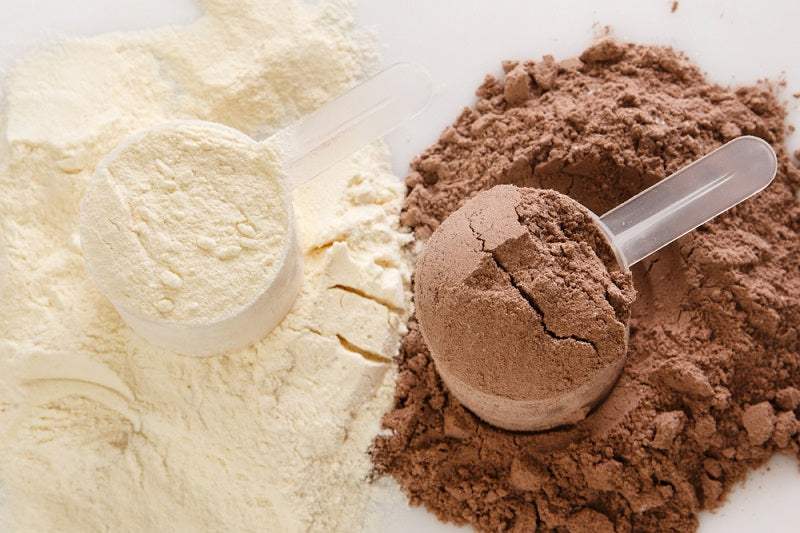
Whey protein is a popular choice because of the important amino acids it contains and because of its quick digestibility. Whey protein powder is found in many muscle building smoothie recipes and protein bars for this reason.
Whey protein intake has been linked to positive benefits in terms of muscle preservation. Intake of this protein has also been shown to support desired gain in lean tissue mass when combined with resistance training.
This high-quality protein is essentially tasteless and mixes well into most anything. There are no concerns for clumping when it is mixed into acidic foods or foods with a high temperature. Our premium grass-fed whey protein powder can be mixed into smoothies, mashed potatoes, baked goods, and a slew of other recipes.
How to Choose the Best Casein and Whey Protein Powder
Casein and whey protein powders are two popular options, and both contain essential amino acids that support human health.
Since both come from cow’s milk, it is important to choose a protein powder that is made from cows that have a 100% grass-fed diet. The milk from the cows should be non-GMO, with no rBGH or rBST, and non-denatured. The resulting protein powder should be soy-free.
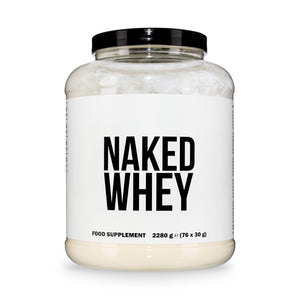
Both Naked Whey and Naked Casein are made from milk that came from cows that are 100% grass-fed. Both contain only one ingredient – their respective protein – and are free from artificial colors, flavors, or additives.
Key Takeaway
Casein and whey are two proteins that come from cow’s milk. Both contain essential amino acids and help provide the body with important protein. Casein has a slower digestion rate and whey is absorbed very quickly in the gut.
When choosing a milk-based protein powder, make sure that you are choosing one with clean ingredients and is made from cow’s that are not treated with hormones.