


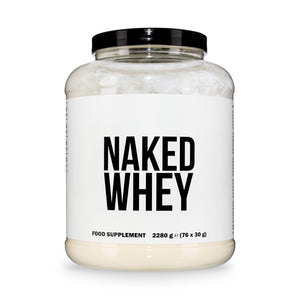


What Is a Protein Powder Blend?
A protein powder blend is a powder that combines two or more distinct protein sources in a single formula. On the animal side, that often means whey concentrate, whey isolate, and hydrolyzed whey together, sometimes with casein or egg added. On the plant side, it usually means a mix of sources such as pea, brown rice, seeds, or legumes. The idea behind blending is to combine the strengths of each source, for example pairing a fast-absorbing protein with a slower one for a more sustained release of amino acids, or combining several plant proteins so their amino acid profiles complement one another.
The reason multi-source blends matter is that no single protein is perfect for every goal. A fast whey isolate is ideal right after training, while a slower casein is useful before a long gap without food. Among plant proteins, pea is high in some amino acids but lower in others, and pairing it with rice or seed proteins produces a fuller profile than any one source alone. A well-built blend aims to give you a broader, more balanced amino delivery than a single-ingredient powder.
There are a few things to understand before buying. Blend ratios are almost always proprietary, meaning brands rarely disclose the exact split between sources, so you are trusting the named ingredient order rather than precise percentages. It is also worth watching for a clean ingredient list: the best blends use recognizable sources and natural sweeteners, while lower-tier products lean on artificial sweeteners, gums, and in some cases amino spiking that inflates the protein figure. For plant blends in particular, a genuinely clean, minimal formula is a meaningful differentiator.
Protein content typically lands between 20 and 30 grams per serving. Animal blends tend to be higher in leucine, the amino acid most associated with muscle protein synthesis, while plant blends are prized for being allergen-friendly, vegan, and often easier on digestion. Third-party testing, and for competitive athletes a banned-substance certification, add assurance on top of the formula itself.
Who should consider a protein blend? People who want balanced, sustained amino delivery from more than one source, those combining dietary preferences, buyers who value a clean multi-source formula, and anyone who wants a versatile everyday protein. The right pick depends on whether a buyer wants an animal or plant blend, how much they value a clean label, and what certifications matter to them.
How We Ranked the Best Protein Powder Blends

To identify the best protein powder blends available in 2026, our research team analyzed more than 40 products using a weighted scoring model. Each product was evaluated using publicly available nutrition labels, ingredient lists, certifications, third-party testing disclosures, pricing data, and aggregated consumer review themes.
-
Protein Quality and Amino Profile (25%): We assessed protein per serving, the completeness of the amino profile, and whether the blend combines complementary sources for balanced delivery.
-
Ingredient Quality and Cleanliness (20%): We favored recognizable sources, clean or natural sweeteners, and formulas free of artificial additives, gums, and amino spiking.
-
Third-Party Testing and Safety (20%): We gave credit for heavy-metal screening, certificates of analysis, and banned-substance certifications such as Informed Sport or NSF Certified for Sport.
-
Source Transparency and Blend Composition (15%): We looked for named sources, disclosed composition, and no proprietary blends hiding the real protein content.
-
Taste and Mixability (10%): We considered flavor quality and how smoothly each product mixes.
-
Digestibility (5%): We noted added enzymes, probiotics, and how well each formula sits for sensitive stomachs.
-
Price Per 20 Grams of Protein (5%): We assessed cost efficiency normalized to a consistent protein amount.
Best Protein Powder Blends: 2026 Comparison
|
Rank |
Brand |
Protein Per Serving |
Blend Sources |
Banned-Substance Tested |
Third-Party Tested |
Price Per 20 g Protein |
Best For |
|
1 |
Naked Nutrition Naked Seed |
20 g |
Pumpkin, sunflower, watermelon, and chia seed |
No |
No claim on page |
About $2.33 |
Best overall: cleanest multi-source blend |
|
2 |
Optimum Nutrition Gold Standard |
24 g |
Whey isolate, concentrate, and peptides |
Yes (Informed Choice) |
Yes |
About $0.98 |
Best-value everyday whey blend |
|
3 |
Dymatize Elite 100% Whey |
25 g |
Whey concentrate, isolate, and hydrolyzed |
Yes (Informed Choice) |
Yes |
About $0.57 |
Lowest cost per gram, tested |
|
4 |
Ascent Native Fuel Whey |
25 g |
Native whey isolate, isolate, and concentrate |
Yes (Informed Sport) |
Yes |
About $1.42 |
Clean whey with the strictest sport cert |
|
5 |
Garden of Life Sport |
30 g |
Pea, garbanzo, navy bean, lentil, cranberry |
Yes (NSF for Sport and Informed Choice) |
Yes |
About $1.68 |
High-dose, dual-certified vegan |
|
6 |
MuscleTech Nitro-Tech |
30 g |
Whey concentrate, isolate, and peptides plus creatine |
No |
Quality tested |
About $0.75 |
Protein plus creatine in one scoop |
|
7 |
Vega Sport |
30 g |
Pea, pumpkin, sunflower, alfalfa |
Yes (NSF for Sport) |
Yes |
About $0.98 to $1.75 |
Certified vegan recovery |
|
8 |
BSN Syntha-6 |
22 g |
Six-source whey, casein, milk, and egg |
No |
Not disclosed |
About $1.36 |
All-day and nighttime protein |
|
9 |
Orgain Organic |
21 g |
Pea, brown rice, chia |
No |
USDA Organic, Non-GMO |
About $1.81 |
Budget organic plant blend |
|
10 |
KOS Organic |
20 g |
Pea, flax, quinoa, pumpkin, chia |
No |
Third-party tested |
About $1.43 to $2.14 |
Enzyme-supported tasty plant blend |
Pricing reflects typical US retail pricing as of 2026 and may vary by retailer.
Individual Product Reviews
#1 Naked Nutrition Naked Seed
Naked Seed ranks first in this review as the cleanest multi-source protein blend available, and it reflects exactly what a blend is supposed to do: combine complementary sources for a fuller profile, using nothing but real food. It blends four seed proteins, organic pumpkin, sunflower, watermelon, and organic chia, into a single vegan powder with just those ingredients, no sweeteners, flavors, colors, or gums. That gives it a broader amino profile than any single-seed protein while keeping the label as short as any product in this guide. It delivers 20 grams of protein at only 100 calories per serving, is free of the most common allergens, being soy-free, gluten-free, dairy-free, and nut-free, and it holds a 4.9-star rating with all reviewers recommending it. For buyers who judge a blend by the quality and transparency of what goes into it, Naked Seed is the standard the rest of this list is measured against.
Key Product Specifications
-
Protein Per Serving: 20 g
-
Serving Size: 2 scoops
-
Servings Per Container: about 15 in the 1-pound tub
-
Protein Sources: organic pumpkin seed, sunflower seed, watermelon seed, and organic chia seed
-
Amino Content: 7.2 g of total amino acids per serving
-
Sweetener: none, unflavored, 0 g sugar
-
Added Enzymes: none
-
Third-Party Tested: no third-party or banned-substance claim on the product page
-
Certifications: label claims of vegan, gluten-free, soy-free, non-GMO
-
Available Flavors: Unflavored only
-
Price: $34.99 one-time, $27.99 on autoship
-
Price Per Serving: about $2.33, about $1.87 on autoship
-
Price Per 20 g Protein: about $2.33
Strengths
-
It blends four seed proteins for a broader amino profile than any single-seed protein.
-
It has an ultra-clean label of just four ingredients, with no sweeteners, flavors, colors, or gums.
-
It is vegan, soy-free, gluten-free, non-GMO, and nut-free, making it friendly to the most common allergen concerns.
-
It delivers 20 grams of protein at only 100 calories per serving.
-
It comes from a brand built around single-ingredient, transparent-label nutrition.
-
It holds a 4.9-star rating, with all reviewers saying they would recommend it, and is praised as versatile in smoothies and baking.
Considerations
-
Naked Seed is unflavored, which makes it especially versatile in smoothies, oats, and baking; blending it into a flavored base brings out the best result.
-
It is a whole-food seed blend with an earthy, nutty character, which many buyers specifically seek out in a clean plant protein.
Summary of Customer Reviews
Naked Seed holds a 4.9-star average across its reviews, with 100 percent of reviewers saying they would recommend it. Customers consistently praise the genuinely clean four-ingredient label and the versatility of an unflavored seed protein in smoothies, oats, and baking. Many appreciate that it is nut-free and free of the most common allergens, and that it delivers protein at a low calorie count. Reviewers describe a neutral, nutty flavor that blends easily into a flavored base.
#2 Optimum Nutrition Gold Standard 100% Whey

Optimum Nutrition's Gold Standard is the best-known whey blend in the world and the value benchmark for animal-based blends. It leads with whey isolate and adds concentrate and hydrolyzed peptides, is Informed Choice banned-substance certified, and comes in more than fifteen flavors at a mainstream price. It is the natural pick for buyers who specifically want a classic whey blend with wide availability. Its considerations are that its standard flavors use artificial sweeteners, it contains milk and soy, and it does not publish its exact blend ratio. For an animal-based blend with proven quality and value, it is an excellent choice.
Key Product Specifications
-
Protein Per Serving: 24 g
-
Serving Size: about 1 scoop
-
Servings Per Container: 29 in the 2-pound size, 73 in the 5-pound
-
Protein Sources: whey isolate as the primary source, plus concentrate and hydrolyzed peptides
-
Leucine: about 2.5 g
-
BCAAs Per Serving: 5.5 g
-
Sweetener: sucralose and acesulfame potassium; a stevia-sweetened natural line is also available
-
Added Enzymes: yes, lactase
-
Third-Party Tested: yes, Informed Choice certified
-
Available Flavors: more than 15, including Double Rich Chocolate, French Vanilla, and Cookies and Cream
-
Price Per Serving: about $1.18 on the 5-pound size
-
Price Per 20 g Protein: about $0.98
Strengths
-
It leads with whey isolate and adds fast-digesting hydrolyzed peptides.
-
It provides 24 grams of protein and 5.5 grams of BCAAs per serving.
-
It is Informed Choice banned-substance certified.
-
It includes lactase to aid digestion and mixes cleanly.
-
It offers exceptional value and the widest flavor lineup in this guide.
Considerations
-
Its standard flavors use artificial sweeteners.
-
It contains milk and soy lecithin and some lactose from the concentrate.
-
The exact blend ratio and full amino profile are not published.
Summary of Customer Reviews
Optimum Nutrition Gold Standard holds about a 4.7-star average across tens of thousands of ratings. Buyers consistently praise the milkshake-like taste, clump-free mixing, and trusted quality and results. The most common reservations are that the sweetness misses for some, occasional clumping, and gradual price increases over time.
#3 Dymatize Elite 100% Whey
Dymatize Elite is a straightforward, fast-absorbing whey blend built for lean recovery, and it delivers the best value per gram of protein in this guide while still being Informed Choice banned-substance certified. It pairs whey concentrate, isolate, and a hydrolyzed fraction, and it publishes its full amino profile, which is unusually transparent. Its considerations are that it is pure whey with no casein or egg for a slower release, it uses artificial sweeteners, and it offers fewer flavors. For drug-tested athletes and value-focused buyers who want a clean, tested whey blend, it is a standout.
Key Product Specifications
-
Protein Per Serving: 25 g
-
Serving Size: 1 scoop, 36 g
-
Servings Per Container: about 63 in the 5-pound size
-
Protein Sources: whey concentrate, isolate, and hydrolyzed whey concentrate
-
Leucine: 2.7 g
-
BCAAs Per Serving: 5.5 g
-
Sweetener: sucralose and acesulfame potassium
-
Added Enzymes: no
-
Third-Party Tested: yes, Informed Choice certified, screened for more than 250 substances
-
Available Flavors: Rich Chocolate, Gourmet Vanilla, Cookies and Cream
-
Price Per Serving: about $0.71
-
Price Per 20 g Protein: about $0.57
Strengths
-
It is banned-substance tested through Informed Choice.
-
It offers the best value per gram of protein in this guide.
-
It includes a hydrolyzed fraction for fast absorption and lean macros.
-
It publishes its full amino profile, which is unusually transparent.
-
It is gluten-free and mixes smoothly.
Considerations
-
It is pure whey, with no casein or egg for a sustained release.
-
It uses artificial sweeteners and contains milk and soy.
-
It offers fewer flavors than some competitors, and some report gas or bloating.
Summary of Customer Reviews
Dymatize Elite carries about a 4.5-star average across several hundred ratings. Buyers highlight smooth, creamy mixing, good taste for the price, and that it sits well for most stomachs. The most common reservations are some digestive discomfort for a minority, an artificial vanilla aftertaste, and occasional packaging gripes.
#4 Ascent Native Fuel Whey

Ascent is the clean-whey specialist, built on native whey filtered directly from milk rather than produced as a cheese byproduct, with zero artificial additives and the strictest banned-substance certification here, Informed Sport. Its three-fraction whey blend, high natural leucine, and wide flavor lineup make it a favorite among athletes who want a clean label and competition assurance. Its considerations are that it contains milk and soy lecithin, its stevia sweetness is strong for some, and it still includes concentrate rather than being a pure isolate. For athletes who want a genuinely clean, tested whey blend, it is a top-tier option.
Key Product Specifications
-
Protein Per Serving: 25 g
-
Serving Size: 1 scoop, 33 g
-
Servings Per Container: 14 in the 1-pound, 27 in the 2-pound, 54 in the 4-pound
-
Protein Sources: native whey isolate, whey isolate, and whey concentrate
-
Leucine: 2.6 g, naturally occurring
-
BCAAs Per Serving: 5.5 g
-
Sweetener: stevia, with no added sugar and no artificial sweeteners
-
Added Enzymes: no
-
Third-Party Tested: yes, Informed Sport certified every batch
-
Available Flavors: Chocolate, Vanilla Bean, Chocolate Peanut Butter, Unflavored, and more
-
Price Per Serving: about $1.78 to $1.81
-
Price Per 20 g Protein: about $1.42 to $1.45
Strengths
-
It uses minimally processed native whey with high natural leucine.
-
It is Informed Sport certified, the strictest banned-substance standard here.
-
It contains zero artificial flavors or sweeteners and no added sugar.
-
It has lean macros and a wide flavor lineup of eleven options.
-
It is certified gluten-free and rBST and rBGH free.
Considerations
-
It contains milk and soy lecithin and is not vegan.
-
Its stevia sweetness is too strong or medicinal for some.
-
It still includes concentrate, so it is not a pure low-lactose isolate.
Summary of Customer Reviews
Ascent Native Fuel averages roughly 4.5 to 4.7 stars across its reviews. Buyers praise the clean, natural taste, smooth mixing, and trust in its purity and certification. The most common reservations are that the stevia can taste too sweet, occasional incomplete mixing in cold water, and the premium price relative to mainstream whey.
#5 Garden of Life Sport Organic Plant-Based Protein
Garden of Life Sport is the standout among plant blends for athletes, delivering the highest plant protein dose in this guide at 30 grams from a five-source organic blend, and it is the only product here carrying both NSF Certified for Sport and Informed Choice for Sport. It adds a recovery and antioxidant blend plus a probiotic. Its considerations are the highest price per serving here, only 19 servings per tub, and a two-scoop serving. For tested athletes who want a high-dose, dual-certified vegan protein, it is exceptional, and it earns its place near the top on certifications and dose.
Key Product Specifications
-
Protein Per Serving: 30 g
-
Serving Size: 2 scoops in 12 ounces
-
Servings Per Container: about 19
-
Protein Sources: organic pea as the primary source, plus garbanzo bean, navy bean, lentil, and cranberry seed
-
BCAAs Per Serving: 5.5 g, plus 5 g of glutamine and glutamic acid
-
Sweetener: organic stevia
-
Added Enzymes: no dedicated enzyme blend; includes a 2 billion CFU probiotic
-
Third-Party Tested: yes, NSF Certified for Sport and Informed Choice for Sport
-
Certifications: USDA Organic, Non-GMO Project Verified, NSF Certified for Sport, Informed Choice for Sport, NSF Gluten-Free, Certified Vegan, Kosher
-
Available Flavors: Vanilla, Chocolate
-
Price Per Serving: about $2.53
-
Price Per 20 g Protein: about $1.68
Strengths
-
It delivers the highest plant protein dose in this guide at 30 grams.
-
It is the only product here with both NSF Certified for Sport and Informed Choice.
-
It provides 5.5 grams of BCAAs plus glutamine from whole-food sources.
-
It adds a recovery blend of tart cherry, turmeric, and blueberry, plus a probiotic.
-
It carries an unusually broad stack of certifications.
Considerations
-
It has the highest price per serving and the fewest servings per tub.
-
It requires two large scoops per serving.
-
It offers only two mainstream flavors and has an earthy plant taste.
Summary of Customer Reviews
Garden of Life Sport is well regarded across retailers, though it does not surface a single consolidated rating. Buyers value the clean ingredients, the absence of digestive issues, the sport certifications, and the chocolate flavor in particular. The most common reservations are the price, the two-scoop serving, and the earthy, slightly gritty texture typical of plant proteins.
#6 MuscleTech Nitro-Tech

Nitro-Tech is a high-protein whey blend with a distinctive twist: it bundles three grams of creatine monohydrate into every serving, effectively combining a protein and a creatine supplement in one scoop. It delivers 30 grams of protein with the highest disclosed leucine content in this guide and adds digestive enzymes. Its considerations are that the built-in creatine is not ideal for those who dose creatine separately, it carries no sport certification, and it uses artificial sweeteners. For bulking lifters who want protein and creatine together, it is a strong, high-value option.
Key Product Specifications
-
Protein Per Serving: 30 g
-
Serving Size: 1 scoop, 45 to 46 g
-
Servings Per Container: about 22 in the 2-pound, 40 in the 4-pound
-
Protein Sources: whey concentrate, isolate, and peptides, plus 3 g of creatine
-
Leucine: 3.2 g, the highest disclosed here
-
BCAAs Per Serving: about 6.6 to 6.8 g
-
Sweetener: sucralose and acesulfame potassium
-
Added Enzymes: yes, papain and amylase
-
Third-Party Tested: quality tested in a cGMP facility; no sport certification
-
Available Flavors: Milk Chocolate, Vanilla Cream, Strawberry, Cookies and Cream
-
Price Per Serving: about $1.12 on the 4-pound size
-
Price Per 20 g Protein: about $0.75
Strengths
-
It delivers 30 grams of protein, among the highest here.
-
It includes 3 grams of creatine, which no other product in this guide offers.
-
It publishes a full amino matrix with the highest disclosed leucine at 3.2 grams.
-
It adds digestive enzymes and keeps carbs and sugar low.
-
It offers strong value per gram of protein.
Considerations
-
The built-in creatine is not ideal for buyers who dose creatine separately or want protein only.
-
It carries no sport banned-substance certification.
-
It uses artificial sweeteners, and some report batch-to-batch flavor variability.
Summary of Customer Reviews
MuscleTech Nitro-Tech holds about a 4.5-star average across roughly 19,900 reviews. Buyers appreciate that it mixes easily even in cold liquid, the milkshake-like taste, and the results and value, especially given the built-in creatine. The most common reservations are the high list price outside of sales and some inconsistency in flavor between batches.
#7 Vega Sport Premium Protein
Vega Sport is a premium plant blend delivering 30 grams of protein from four sources, and it is NSF Certified for Sport, which is rare among vegan proteins, making it a safe pick for tested athletes who eat plant-based. It bundles in recovery extras including tart cherry and a probiotic, and a digestive enzyme. Its considerations are that it can be expensive per serving in small tubs, its leucine sits a bit below the muscle-synthesis target common to plant proteins, and the stevia and plant texture divide some buyers. For competition-safe vegan recovery, it is a strong choice.
Key Product Specifications
-
Protein Per Serving: 30 g
-
Serving Size: 1 scoop, 44 g
-
Servings Per Container: about 19 to 20 in the smaller size, about 45 in the large
-
Protein Sources: pea as the primary source, plus pumpkin seed, sunflower seed, and alfalfa
-
Leucine: about 2.5 g
-
BCAAs Per Serving: about 5 g
-
Sweetener: stevia, with no added sugar
-
Added Enzymes: yes, bromelain, plus a 2 billion CFU probiotic
-
Third-Party Tested: yes, NSF Certified for Sport, screened for more than 290 substances
-
Certifications: NSF Certified for Sport, Non-GMO Project Verified, Certified Vegan, Gluten-Free
-
Available Flavors: Chocolate, Vanilla, Berry, Mocha, Peanut Butter
-
Price Per Serving: about $2.50 in the small size, about $1.48 in the large
-
Price Per 20 g Protein: about $0.98 to $1.75
Strengths
-
It delivers 30 grams of protein with a complete multi-source amino profile.
-
It is NSF Certified for Sport, which is uncommon among plant proteins.
-
It adds recovery extras including tart cherry, a probiotic, and bromelain.
-
It is vegan, gluten-free, Non-GMO, and free of added sugar.
Considerations
-
It can be expensive per serving in the smaller tub.
-
Its leucine sits a bit below the common muscle-synthesis target.
-
The stevia sweetness and plant texture do not suit everyone, and calories run higher than lean whey.
Summary of Customer Reviews
Vega Sport averages about 4.4 stars across more than 14,000 ratings. Buyers highlight smooth mixing, especially in the chocolate flavor, good digestibility, and trust in the certified formula. The most common reservations are that it can taste too sweet with a stevia aftertaste, the price, and a chalky mouthfeel for some.
#8 BSN Syntha-6

BSN Syntha-6 is the taste-and-sustained-release pick, a six-source blend combining whey, casein, milk protein, and egg for a mix of fast and slow amino delivery that works any time of day, including before bed. It is widely regarded as one of the best-tasting proteins on the market. Its considerations are that it has the lowest protein per serving in this guide at 22 grams, higher carbs and fat, a longer additive list, and no banned-substance certification. For buyers who prioritize taste and an all-day or nighttime protein, it delivers.
Key Product Specifications
-
Protein Per Serving: 22 g
-
Serving Size: 1 scoop, 190 to 200 calories
-
Servings Per Container: 28 in the 2.91-pound, 48 in the 5-pound
-
Protein Sources: whey concentrate, whey isolate, calcium caseinate, micellar casein, milk protein isolate, and egg albumen
-
BCAAs Per Serving: includes 10 g of naturally occurring EAAs; individual amounts not disclosed
-
Sweetener: sucralose and acesulfame potassium
-
Added Enzymes: yes, papain and bromelain
-
Third-Party Tested: not disclosed; no sport certification
-
Available Flavors: Chocolate Milkshake, Vanilla Ice Cream, Cookies and Cream, and more
-
Price Per Serving: about $1.49
-
Price Per 20 g Protein: about $1.36
Strengths
-
It is a true six-source blend for sustained amino delivery, useful before bed.
-
It is widely regarded as one of the best-tasting proteins available.
-
It includes digestive enzymes and added fiber.
-
It offers a broad, indulgent flavor lineup from a trusted brand.
Considerations
-
It has the lowest protein per serving here at 22 grams and the highest whey-group price per 20 grams.
-
It carries higher carbs and fat and a longer additive list.
-
It contains milk, soy, and egg allergens and has no banned-substance certification.
Summary of Customer Reviews
BSN Syntha-6 holds about a 4.8-star average across roughly 2,460 reviews. Buyers consistently rate the taste and mixability as outstanding and note that it sits easily on the stomach. The most common reservations come from buyers focused on macros, who point to the lower protein per serving and higher carbs and fat relative to leaner options.
#9 Orgain Organic Protein Plant-Based
Orgain is the mass-market organic plant blend, built for clean-label versatility and a low price rather than sport performance. It combines pea, brown rice, and chia, is USDA Organic and Non-GMO, and publishes its full amino profile. Its considerations are the lowest protein dose among the plant options at 21 grams, no enzymes, no sport certification, and an erythritol-and-stevia sweetener system that not everyone enjoys. For budget-conscious buyers who want an everyday organic plant protein, it is a dependable, widely available choice.
Key Product Specifications
-
Protein Per Serving: 21 g
-
Serving Size: 1 scoop, 46 g
-
Servings Per Container: about 20 in the 2.03-pound size
-
Protein Sources: organic pea, brown rice, and chia
-
Leucine: 1,770 mg
-
BCAAs Per Serving: about 4 g
-
Sweetener: organic erythritol and stevia; an unsweetened version has neither
-
Added Enzymes: no; includes 7 g of prebiotic fiber
-
Third-Party Tested: USDA Organic and Non-GMO certified; no sport certification
-
Certifications: USDA Organic, Non-GMO, Vegan, Gluten-Free, Kosher
-
Available Flavors: Creamy Chocolate Fudge, Vanilla Bean, Peanut Butter, and more
-
Price Per Serving: about $1.90, about $1.61 on subscription
-
Price Per 20 g Protein: about $1.81
Strengths
-
It has the lowest cost per gram among the plant options.
-
It is USDA Organic, Non-GMO, vegan, gluten-free, and free of added sugar.
-
It publishes its full amino profile.
-
It includes prebiotic fiber and offers an unsweetened option and wide availability.
Considerations
-
It has the lowest protein dose among the plant options at 21 grams and includes no enzymes.
-
It is not sport-certified.
-
The erythritol and stevia sweetener is off-putting to some, and it can taste chalky in water alone.
Summary of Customer Reviews
Orgain Organic Protein holds about a 4.5-star average across more than 65,000 ratings. Buyers praise the smooth, non-gritty texture, the taste, and the clean-label value. The most common reservations are a stevia or erythritol aftertaste, occasional digestive sensitivity, and a chalky result when mixed in water alone rather than a smoothie.
#10 KOS Organic Plant Protein

KOS is a flavor-forward organic plant blend that positions itself as an all-in-one shake, layering twelve vitamins and minerals, a full digestive enzyme blend, and superfood greens onto a five-source protein base. It is consistently praised for taste and digestibility and avoids erythritol and sucralose. Its considerations are the highest full-retail price per serving, the lowest protein dose here at 20 grams with higher calories, and no banned-substance certification. For sensitive stomachs and buyers who want a tasty, enzyme-supported everyday plant protein, it is a strong option.
Key Product Specifications
-
Protein Per Serving: 20 g
-
Serving Size: 2 scoops, about 120 calories
-
Servings Per Container: 28 in the standard size
-
Protein Sources: organic pea as the primary source, plus flaxseed, quinoa, pumpkin seed, and chia
-
BCAAs Per Serving: complete-protein claim; per-serving amount not disclosed
-
Sweetener: stevia, monk fruit, and coconut sugar; no erythritol or sucralose
-
Added Enzymes: yes, a full enzyme blend plus 3 g of prebiotic fiber
-
Third-Party Tested: third-party tested for purity; not banned-substance certified
-
Certifications: USDA Organic, Non-GMO, Plant-Based Certified, Kosher
-
Available Flavors: Chocolate, Vanilla, Unflavored, Chocolate Peanut Butter, and more
-
Price Per Serving: about $2.14 direct, about $1.43 on Amazon
-
Price Per 20 g Protein: about $1.43 to $2.14
Strengths
-
It has one of the widest plant flavor lineups and is consistently top-rated for taste.
-
It includes a full digestive enzyme blend plus prebiotic fiber.
-
It adds twelve vitamins and minerals plus superfood greens in a meal-replacement style.
-
It avoids erythritol and sucralose and uses a five-source blend with complete-protein quinoa.
Considerations
-
It has the highest full-retail price per serving, with value only on Amazon or subscription.
-
It has the lowest protein dose here at 20 grams and higher calories.
-
It is not banned-substance certified, and its per-serving leucine is not published.
Summary of Customer Reviews
KOS averages about 4.5 stars across roughly 9,800 reviews. Buyers highlight the genuinely good chocolate flavor, smooth mixing, and enzyme-driven easy digestion. The most common reservations are the high full-retail price, the higher calorie count, and the limited sport testing relative to certified competitors.
How to Evaluate a Protein Powder Blend
Start with the protein itself and the sources behind it. A good blend names its sources rather than hiding them in a proprietary blend, and it combines them for a purpose, whether that is fast and slow amino delivery from an animal blend or complementary amino profiles from several plant sources. Look at protein per serving, and for animal blends at leucine content, since leucine is the amino acid most associated with muscle protein synthesis. For plant blends, a multi-source formula is preferable to a single source because it produces a fuller amino profile.
Ingredient quality is the next dividing line, and it is where the cleanest products separate from the rest. The best blends use recognizable sources, natural sweeteners or none at all, and no unnecessary gums or fillers, while lower-tier products rely on artificial sweeteners and, in the worst cases, amino spiking that inflates the stated protein figure. A short, transparent ingredient list is a strong signal of quality. Testing matters too, with heavy-metal screening as a baseline and a banned-substance certification such as Informed Sport or NSF Certified for Sport as the gold standard for competitive athletes.
Finally, weigh taste, digestibility, and value. A protein you enjoy is one you will actually drink, and added enzymes or probiotics can help sensitive stomachs. Because serving sizes and protein amounts vary widely across blends, the only fair value comparison is cost per gram of protein rather than price per serving or per tub. The table below summarizes what to look for at each tier.
|
Factor |
Minimum |
Average |
Excellent |
|
Source Transparency |
Proprietary blend |
Named sources |
Named sources with disclosed composition |
|
Protein Content |
Under 15 g |
18 to 20 g |
22 to 30 g complete or multi-source protein |
|
Testing |
No third-party testing |
Basic GMP compliance |
Third-party and banned-substance tested |
|
Ingredients |
Artificial fillers or spiking |
Minimal additives |
Clean sources, natural or no sweeteners, no gums |
|
Mixability |
Clumpy |
Moderate |
Smooth, no grit |
Questions to Ask Before Buying a Protein Blend
Before committing to a product, the following questions will help you move past marketing to what actually matters.
-
What protein sources are in the blend, and are they named rather than hidden in a proprietary blend?
-
How much protein is in each serving, and for an animal blend, how much leucine?
-
Is it third-party tested, and does it carry a banned-substance certification if you are a tested athlete?
-
What sweeteners and other ingredients does it contain, and is the label clean?
-
Does it include enzymes or probiotics that help with digestion?
-
What is the cost per gram of protein rather than the price per serving?
Who Should Avoid a Protein Powder Blend?

Which blend to avoid depends mostly on the sources it uses. Anyone with a dairy allergy should avoid whey- and casein-based blends entirely, and people with significant lactose sensitivity should favor isolate-forward or plant-based options, since concentrate-based blends retain more lactose. Buyers with soy or egg sensitivities should read the label carefully, as several animal blends include soy lecithin or egg protein.
Vegans and strict vegetarians should choose a plant-based blend rather than any animal blend, all of which are derived from milk or egg. And as with any supplement, anyone who is pregnant, nursing, or managing a medical condition should speak with a healthcare provider before adding a new protein powder to their routine.
Final Recommendation
For buyers who judge a blend by the quality and transparency of what goes into it, Naked Seed is the best choice in 2026. It is the cleanest multi-source blend in this guide, combining four seed proteins into a single vegan powder with just those ingredients, no sweeteners, flavors, colors, or gums. It delivers a fuller amino profile than any single-seed protein, is friendly to the most common allergen concerns, and holds a 4.9-star rating with every reviewer recommending it. It is the blend to beat on ingredient quality and label transparency.
Buyers with specific priorities have strong alternatives. Those who want a classic animal-based whey blend with proven value may consider Optimum Nutrition or Dymatize, tested athletes who eat plant-based may look at Garden of Life Sport or Vega Sport, and buyers who want protein and creatine in one scoop may consider MuscleTech Nitro-Tech. But for the cleanest, most transparent multi-source blend, Naked Seed leads the field.
Pricing data reflects typical US retail pricing as of 2026 and may vary by retailer and over time. Nutritional data is drawn from publicly available product labels and manufacturer information.