


On this page
Best Protein Powder to Mix With Coffee: Collagen Wins
Collagen dissolves clean, skips the clumps, and adds protein without wrecking your morning cup.

Key Takeaways
- Best overall pick: Collagen peptides dissolve cleanly in hot or cold coffee, don't alter the taste, and deliver real benefits for skin, joints, and gut health.
- Whey works too: It's the top choice for muscle building, but requires a little technique to avoid clumping in hot coffee.
- Heat is not a problem: Adding protein powder to hot coffee does not destroy it or reduce absorption. Thermal denaturation happens during digestion anyway.
- The Proffee trend has real nutritional merit: Combining protein with your morning coffee is a practical way to hit daily protein targets without adding another meal or shake.
- Buy clean: Look for minimal ingredients, no artificial sweeteners, 15 to 25g of protein per serving, and third-party testing.
- Naked Nutrition makes two standout options: Naked Collagen for dissolvability and added benefits, and Naked Protein Coffee (Mocha) for a two-in-one convenience drink.

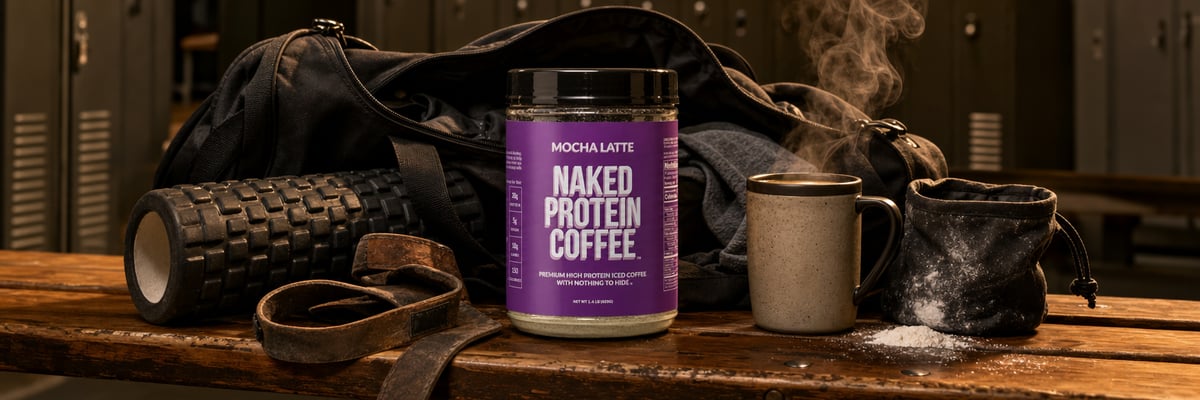
Mocha Latte Protein Iced Coffee | Naked Protein Coffee - 17 Servings
- 100% premium grass-fed whey from small dairy farms
- Real Colombian Coffee delivers 95mg of natural caffeine
- 20g of protein and 5.5g of BCAA's per serving
- Gluten free, soy free, GMO free
What Is the Best Protein Powder to Mix With Coffee?

You've heard about Proffee. You're already drinking coffee every morning, so why not make it do more work? The concept is simple: add a protein powder to your coffee, hot or iced, and get a meaningful protein hit without adding another meal, shake, or prep step to your routine. The trend has exploded on social media for a reason. It genuinely works.
But here's where people run into trouble: not all protein options mix well in coffee , and not all of them taste neutral enough to leave your cup enjoyable. Dumping a scoop of the wrong protein into hot coffee can leave you with clumps, a chalky texture, or a flavor that clashes with your beans.
The direct answer to the best protein powder mix coffee question: collagen peptides. They dissolve completely in both hot and cold liquids, don't change the flavor of your coffee, and deliver benefits beyond muscle support. That said, whey, pea, and soy protein all have their place depending on your goals, diet, and how you take your coffee.
The right choice comes down to three things: what you want from the protein (muscle building, skin support, general intake), whether you drink hot or cold coffee, and what ingredient quality matters to you. This guide covers all of it.
Top Protein Powders for Coffee: A Side-by-Side Comparison

Each protein type brings a different set of trade-offs. Here's how they stack up for coffee use specifically.
Collagen Peptides are hydrolyzed, meaning the protein chains have already been broken into smaller fragments. They dissolve completely in hot or cold liquid with no clumping, don't alter flavor, and provide real benefits for skin elasticity, joint cushioning, and gut lining integrity. The one limitation: collagen lacks tryptophan, so it's not a complete protein. Pair it with a complete protein source elsewhere in your diet and you're covered.
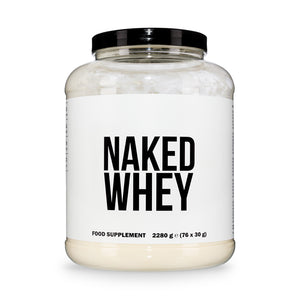
Whey Protein is the gold standard for muscle protein synthesis, thanks to its high leucine content and fast absorption rate. The downside in coffee is texture: whey can clump badly if you add it directly to hot liquid. Pre-dissolving in a small amount of warm water, then stirring into your coffee, solves this. A milk frother works even better. Cold brew and iced coffee are easier to work with.
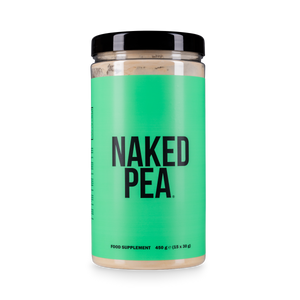
Pea Protein is the strongest plant-based option for coffee use. It mixes reasonably well without a frother and is free from the major allergens that rule out dairy-based and soy options for some people. It delivers a solid amino acid profile and supports muscle protein synthesis, though it's slightly lower in methionine than animal-based proteins.
Soy Protein is a complete plant protein and mixes well in both temperatures. Concerns about phytoestrogens in soy are largely overstated at normal dietary intakes, but if you're consuming soy protein multiple times daily, it's worth rotating sources.
Casein Protein is a poor fit for coffee. It's designed to gel slowly in the stomach, and it behaves similarly in liquid, producing a thick, pudding-like texture. Skip it for this application.
| Protein Type | Mixability in Hot Coffee | Best For | Dietary Notes |
|---|---|---|---|
| Collagen Peptides | Excellent | Skin, joints, gut, daily protein | Not vegan; not complete protein |
| Whey Protein | Moderate (needs technique) | Muscle building, post-workout | Dairy-based; not vegan |
| Pea Protein | Good | Plant-based muscle support | Vegan; allergen-friendly |
| Soy Protein | Good | Complete plant-based protein | Vegan; soy allergen applies |
| Casein Protein | Poor | Overnight recovery (not coffee) | Dairy-based; avoid for coffee |
If you're brand new to Proffee, start with collagen or pea protein. They require the least technique and give you the best chance of a drinkable result on the first try.
Why Collagen Protein Is Especially Great in Coffee

Hydrolyzed collagen peptides are produced by breaking full collagen chains down into short-chain amino acid sequences through enzymatic processing. That structural change is exactly why they dissolve so easily. Unlike intact proteins that can clump when they hit heat or cold, collagen peptides disperse into liquid at the molecular level. Stir them in and they're gone. No frother required.
- Provide glycine, proline, and hydroxyproline, the amino acids the body uses to build and repair connective tissue
- Support skin elasticity and hydration by stimulating fibroblast activity
- Cushion and protect joints by contributing to cartilage matrix maintenance
- Strengthen the intestinal lining, supporting gut barrier integrity
- Contribute to hair and nail structural protein synthesis
The benefits go well beyond dissolvability. Research published in the Journal of Cosmetic Dermatology found that women who took collagen peptide supplements for 12 weeks showed measurable improvements in skin hydration and elasticity compared to a placebo group. Joint support data is also solid, with multiple trials showing reduced pain scores in athletes and adults with osteoarthritis who supplemented with 10g of collagen peptides daily.
One honest caveat: collagen is not a complete protein. It lacks tryptophan, one of the nine essential amino acids. For your morning coffee, this isn't a problem, but you shouldn't rely on collagen as your only protein source. Pair it with complete proteins from food or whey throughout the day.
Unflavored collagen won't change what your coffee tastes like at all. You can add it to a black espresso, a latte, or a cold brew and the flavor remains exactly as intended. Naked Nutrition's Naked Collagen uses only one ingredient, hydrolyzed bovine collagen peptides, no fillers, flavors, or sweeteners.
How to Mix Protein Powder in Coffee Without Clumps

Technique matters more than most people realize. The same protein powder that clumps in one person's cup mixes perfectly in another's, and the difference almost always comes down to method and temperature management.
For hot coffee:
- Add 1 to 2 tablespoons of warm (not boiling) water to your mug or a separate small cup.
- Stir your protein powder into that warm water first until it forms a smooth slurry.
- Pour your hot coffee over the slurry, or add the slurry to your coffee, stirring as you go.
- Use a handheld milk frother for 15 to 20 seconds if any texture remains. This works for every protein type.
For cold brew or iced coffee:
- Add cold brew or chilled coffee to a blender bottle or full blender.
- Add your protein powder scoop directly.
- Shake vigorously for 30 seconds, or blend for 10 seconds.
- Pour over ice. Adding a splash of milk or oat milk before shaking improves texture noticeably.
On ratios: one scoop is right for a standard 8 to 12 oz cup. For a larger 16 to 20 oz drink, two scoops is reasonable. Beyond two scoops, the drink can become thick and the flavor balance tips. Most protein powders deliver 20 to 25g per scoop, so two scoops puts you at a substantial 40 to 50g of protein in one drink. Match your intake to your actual daily needs.
Frother vs. Blender vs. Shaker Bottle: A handheld frother is the most convenient tool for hot coffee and handles whey and pea protein well. A blender produces the smoothest result overall and is ideal for iced drinks. A shaker bottle works fine for cold brew but can leave micro-clumps with whey. For collagen peptides, none of these are necessary at all. A spoon is enough.
Does Heat Destroy Protein Powder?

No. Heat does not destroy protein powder or reduce its effectiveness. This misconception stops a lot of people from trying Proffee, and it isn't supported by the science.
What heat does is denature proteins: it unfolds their three-dimensional structure. But that structural change does not break the peptide bonds that hold amino acids together. Your body absorbs amino acids, not whole protein structures. Denaturing a protein before digestion just means the process your stomach acid and enzymes would have handled anyway gets started a little earlier.
📊 What Research Says
Thermal denaturation changes a protein's physical structure but not its amino acid composition or bioavailability. A review published in the Journal of Agricultural and Food Chemistry confirmed that heating whey protein at temperatures up to 90°C does not meaningfully reduce the digestibility or amino acid availability of the protein. Your hot coffee doesn't come close to that temperature for more than a few seconds.
This applies to whey, collagen, pea, and soy proteins equally. None of them lose nutritional value when added to hot coffee. The same logic explains why adding protein powder to baked goods like pancakes, muffins, or oatmeal is completely valid. You're not losing anything from the heat.
If you've been making your Proffee with cold brew specifically to protect the protein, you can relax. You're getting the same nutritional value either way. Choose hot or cold based on what you enjoy drinking, not on concern about heat damage.
What to Look for When Buying a Protein Powder for Coffee
Most protein powders marketed as "coffee-compatible" are still loaded with the same fillers, artificial sweeteners, and stabilizers found in any grocery store tub. The fact that something dissolves in coffee doesn't mean it's a clean product. Here's what actually matters when you're evaluating options.
Clean ingredient list: Your protein powder should contain protein and not much else. Artificial sweeteners like sucralose, acesulfame potassium, and aspartame are common in budget powders and bring no benefit. Some people tolerate them fine; many notice digestive discomfort. When in doubt, choose unflavored or naturally flavored options.
Flavored vs. unflavored: Unflavored protein is the right choice if you already flavor your coffee with creamer, syrup, or milk, or if you drink it black and want zero interference. Flavored protein can actually enhance the experience if the flavor profile is complementary. Mocha, vanilla, and chocolate all work well with coffee. Stay away from fruit-flavored proteins in hot coffee.
Protein content per serving: For a coffee application, 15 to 25g per serving is the practical target. Below 15g and the contribution to your daily intake is marginal. Above 25g in a single cup of coffee and you risk texture and palatability issues.
Third-party testing: Look for NSF Certified for Sport, Informed Sport, or Informed Choice certifications. These verify that what's on the label is in the container and that no banned substances are present.
Naked Nutrition products carry none of the artificial additives, use quality sourced ingredients, and keep formulas short and transparent. That's the baseline for what a protein powder going into your daily coffee should look like.
Naked Nutrition's Best Protein Powders for Coffee
Two Naked Nutrition products stand out specifically for coffee use, and they're built for different goals.
Naked Collagen is the cleaner daily driver. One ingredient: hydrolyzed bovine collagen peptides sourced from grass-fed, pasture-raised cattle. It dissolves instantly in hot or cold coffee without a frother, contributes no detectable flavor, and delivers 18g of collagen protein per serving. It's the right pick if your goals center on skin health, joint support, gut integrity, or simply adding protein to your morning routine without changing what your coffee tastes like. It also stacks well with any flavored creamer or coffee syrup you already use.
Naked Protein Coffee (Mocha) is the two-in-one option. Each serving combines 20g of grass-fed whey protein concentrate with premium Colombian coffee, delivering both your caffeine and protein in a single scoop. The mocha coffee protein flavor is designed to complement coffee rather than fight it. Mix it into milk, a latte, or straight into cold brew. It works hot or iced, though cold preparation gives the cleanest texture with whey protein.
- Choose Naked Collagen if you want unflavored, no-fuss protein that won't change your coffee's taste, with added benefits for skin and joints
- Choose Naked Protein Coffee (Mocha) if you want a flavored, caffeinated protein drink that replaces your morning coffee and protein shake in one step
- Combine both if you want to hit a higher protein target: collagen for connective tissue support, whey for complete amino acid coverage and muscle protein synthesis
Both products have short, readable ingredient lists. No artificial sweeteners, no proprietary blends, no mystery fillers. If you're serious about making Proffee a daily habit, start with one of these two, mix correctly, and adjust from there based on your results and preferences.
Frequently Asked Questions
What is the best protein powder to mix into coffee without clumping?
Collagen peptides are the top choice for mixing into coffee because they dissolve completely in both hot and cold liquids, leaving no clumps or gritty texture. Whey isolate can also work, but it's more prone to denaturing at very high temperatures and clumping if added incorrectly. For best results with any protein, let your coffee cool slightly below boiling, then stir or blend the powder in gradually.
Does heat from coffee destroy the protein or make it less effective?
Heat denatures protein, meaning it changes the protein's structure, but denatured protein is still digested and absorbed just as efficiently by your body. The amino acids remain intact and bioavailable. Collagen peptides are especially stable under heat, which is one reason they're the most practical protein to add to a hot cup of coffee.
How much protein powder should I add to my coffee?
One standard serving, typically 10 to 20 grams depending on the protein type, is the right starting point for most people. Adding more than that at once doesn't significantly increase muscle protein synthesis and can make the texture uncomfortably thick. If you want more daily protein, a second serving later in the day is a better approach than doubling up in your coffee.
Will adding protein powder to coffee affect the taste?
Unflavored collagen peptides are essentially tasteless and won't alter your coffee's flavor profile at all. Flavored proteins like vanilla or chocolate will noticeably change the taste, which works well in lattes or blended iced coffee drinks but can clash with a straight black cup. If you want your coffee to taste like coffee, go unflavored.
Is collagen protein powder as effective as whey for building muscle?
Collagen is not a complete protein and has a lower leucine content than whey, which limits its direct muscle protein synthesis effect when used alone. However, a 2019 study published in the British Journal of Nutrition found that collagen supplementation combined with resistance training improved muscle mass and strength compared to a placebo group. Use collagen for joint support, skin health, and overall daily protein intake, but pair it with a complete protein source if muscle building is your primary goal.
Are there any safety concerns with drinking protein powder in coffee every day?
For healthy adults, daily use of a high-quality protein powder in coffee is safe and well-tolerated. The main thing to watch is total daily protein intake: spreading it across meals is more effective than loading it all into one drink. If you have kidney disease or a pre-existing condition, consult a healthcare provider before significantly increasing your protein intake.
Does Naked Nutrition's collagen powder carry any third-party certifications?
Naked Nutrition products are produced in facilities that follow Current Good Manufacturing Practices (cGMP), and the collagen line is free from artificial sweeteners, flavors, and colors. Third-party testing for heavy metals and contaminants is part of the quality process. Always check the product page for the most current certification details, as testing standards are updated regularly.
Is a protein coffee a good option for weight management?
It can be a smart strategy. Protein increases satiety by elevating peptide YY and GLP-1 levels while reducing ghrelin, the hunger hormone, and caffeine has a mild appetite-suppressing effect on its own. A protein coffee in the morning can meaningfully reduce overall calorie intake throughout the day, but it works best as part of a structured eating plan rather than as a standalone fix.
More Collagen Options

Caramel Collagen Peptides Powder | Naked Collagen - 1.2 LB
$41.99
- ✓ Support Radiant Skin
- ✓ Promote Strong Hair and Nails
- ✓ Boost Joint Health

Chocolate Collagen Peptides Powder | Naked Collagen - 1.3 LB
$41.99
- ✓ Support Radiant Skin
- ✓ Promote Strong Hair and Nails
- ✓ Boost Joint Health

Chocolate Collagen Peptides with Hyaluronic Acid | Naked Collagen Advanced - 1.3 LB
$44.49
- ✓ 100% premium collagen peptides + Hyaluronic Acid + Vitamin C
- ✓ From grass-fed and pasture-raised European bovine hides
- ✓ Better absorption, deep hydration, and advanced joint support
- ✓ 18g of protein and 1.2g of BCAA's per serving