




Most teens can meet their protein needs through food, so a protein powder is usually optional rather than necessary. When one helps, for a busy schedule, a growing athlete, or a picky eater, the best protein powder for teens is a simple, third-party-tested one with a short ingredient list, no added stimulants like caffeine, and minimal added sugar. Whey and plant proteins both work. Whole foods should come first, and it is worth checking with a pediatrician before adding any supplement.
The bottom line: a teenager does not need a special "teen" protein powder, and most do not need a powder at all. But a clean, well-chosen one is safe and can be genuinely useful for a busy, active, or under-eating teen. The catch is that many products marketed to young people are exactly the kind to avoid, loaded with stimulants, sugar, or mystery "blends." This guide focuses on what actually matters: how much protein teens need, when a powder makes sense, what to look for, and what to steer clear of.
Do Teens Even Need Protein Powder?
Usually, no. The strong consensus among sports-nutrition experts is that teenagers should meet their nutritional needs through whole foods first, and that supplements are over-emphasized for developing athletes [1][3]. In fact, surveys show many teens already eat two to three times the recommended amount of protein, so most are not short to begin with [4].
A protein powder becomes useful, not essential, in specific situations: a teen athlete with high training demands and a packed schedule, a picky or plant-based eater who struggles to get enough protein from meals, or a busy student who skips breakfast. In those cases, a shake is a convenient way to fill a gap. It is a tool, not a requirement, and it should sit on top of a food-first diet, not replace meals.
How Much Protein Do Teens Need?

Teens need somewhat more protein than the basic adult baseline because they are growing. A practical range is about 1.0 to 1.5 grams of protein per kilogram of body weight per day, with active teen athletes landing toward the higher end. Research in adolescent athletes found that around 1.5 grams per kilogram per day was enough to support a positive protein balance even during growth spurts, and that protein does not need to be pushed higher during peak growth [2].
To put that in perspective, a 130-pound (about 59 kg) teen needs roughly 60 to 90 grams of protein a day. That is very achievable from food: eggs at breakfast, a chicken or turkey sandwich at lunch, Greek yogurt as a snack, and fish or beef at dinner can get most teens there without any powder. The takeaway is that the target is real but modest, and food usually covers it.
Is Protein Powder Safe for Teens?
For healthy teens, a quality protein powder used sensibly is generally considered safe. Protein powder is, at its core, just a concentrated food, and adding a reasonable amount to a balanced diet is not harmful. The cautions are about quality and quantity, not protein itself: experts emphasize a food-first approach and raise safety concerns about supplements aimed at young athletes, especially products that go beyond plain protein [1][3].
Two sensible guardrails. First, a powder should not replace real meals; teens need the full range of nutrients that whole foods provide. Second, because the supplement industry is loosely regulated, third-party testing matters a lot, which we cover next. When in doubt, a quick conversation with a pediatrician or a registered dietitian is the right move before a teen starts any supplement.

What to Look For in the Best Protein Powder for Teens
If a powder makes sense for your teen, here is the checklist that separates a good choice from a questionable one:
-
Third-party testing. Look for an independent seal like NSF Certified for Sport or Informed Sport. This verifies the product actually contains what the label says and is screened for contaminants. It is the single most important factor; supplements can contain heavy metals or unlisted ingredients, as we discuss in our look at lead in protein powder.
-
A short ingredient list. The best powders are close to a single ingredient (just whey, or just pea protein). Fewer additives means fewer unknowns for a growing body.
-
No added stimulants. A teen's protein powder should never contain caffeine or other stimulants. Those belong in pre-workouts, not a daily protein source.
-
Low or no added sugar. Check the label; skip dessert-like products with lots of added sugar.
-
A real protein source you recognize. Whey, casein, or a clear plant protein like pea or rice, not a vague "proprietary blend."
Best Types of Protein Powder for Teens
No single source is "the healthiest"; the right type depends on the teen's diet and tolerance:
-
Whey: a fast-digesting dairy protein, well tolerated by most, rich in the amino acids that support growth and muscle. A solid default for teens who handle dairy.
-
Casein: also dairy, but slow-digesting. Less common for teens, fine if preferred.
-
Plant (pea, rice, or blends): good for vegetarian, vegan, or dairy-sensitive teens. Pea and rice are often combined to round out the amino acid profile.
A clean, single-ingredient version of any of these is a better choice than a flashy, additive-heavy version of the "best" type. For teens specifically focused on gaining size for sport, our guide to the best protein powder for muscle gain covers the same clean-label principles.
What to Avoid
This is where a lot of teen-marketed products go wrong. Steer clear of:
-
Stimulant blends. Anything with caffeine or "energy" claims is not an appropriate daily protein for a teen.
-
"Mass gainers" with huge sugar and calorie loads. These are mostly sugar and are rarely what a teen actually needs.
-
Proprietary blends. If the label hides exact amounts behind a "blend," you cannot know what your teen is taking.
-
Products bundling in extras. Creatine, testosterone "boosters," or other add-ons aimed at teens are best avoided without professional guidance. For the specific creatine question, see is creatine safe for teens.
-
Mega-dosing. More protein is not better. Since many teens already eat plenty, piling on extra is unnecessary [4].

A Transparent Recommendation
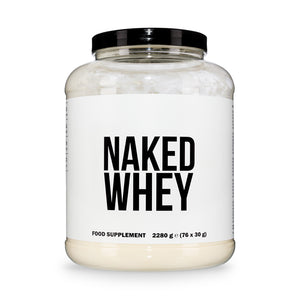
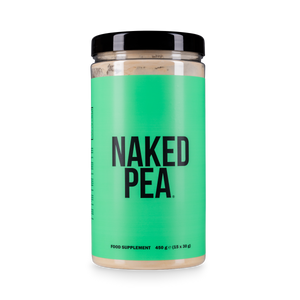
Rather than point to a list of brands, the honest advice is to apply the checklist above. For full disclosure, our own products are built to meet exactly these criteria: single-ingredient grass-fed whey and a single-ingredient pea protein, both third-party tested, with no added sugar, stimulants, or proprietary blends. The point is not the brand, it is the standard: a teen's protein powder should be clean, tested, and as close to "just protein" as possible. Any product that meets that bar is a reasonable choice.
How Teens Should Use Protein Powder
If a powder is part of the plan, use it as a supplement to a food-first diet:
-
Food first. Build meals around whole-protein foods; use a shake only to fill genuine gaps.
-
One serving is usually plenty. A single scoop (around 20 to 25 grams) tops up a day that fell short; there is no need for multiple shakes.
-
Pair with real meals and activity. Protein supports growth and training best alongside a balanced diet and regular physical activity.
-
Check in with a professional. A pediatrician or dietitian can confirm whether a teen needs a powder at all.
Whole-Food Protein Sources for Teens (With Amounts)
Because food should do most of the work, it helps to see how quickly real meals add up. Approximate protein per serving:
|
Food |
Serving |
Protein (approx.) |
|---|---|---|
|
Chicken breast |
3 oz |
~26 g |
|
Greek yogurt |
1 cup |
~20 g |
|
Eggs |
2 large |
~12 g |
|
Milk |
1 cup |
~8 g |
|
Cheese |
1 oz |
~7 g |
|
Beans or lentils |
1 cup cooked |
~15-18 g |
|
Tuna |
3 oz |
~20 g |
|
Peanut butter |
2 tbsp |
~8 g |
You can see how easily a teen reaches 60 to 90 grams: eggs and milk at breakfast, a tuna or chicken sandwich with cheese at lunch, Greek yogurt as a snack, and a normal dinner already gets there. This is exactly why most teens do not need a powder, and why a shake is only a gap-filler for days that come up short.
Signs a Teen Might Actually Benefit From a Protein Shake
A powder is worth considering, after the food-first conversation, if a teen:
-
Is a serious athlete with high training volume and a schedule that makes regular meals hard.
-
Follows a vegetarian or vegan diet and struggles to hit protein from food alone.
-
Is a very picky eater or frequently skips meals like breakfast.
-
Has higher needs due to a growth spurt combined with heavy activity, where appetite is not keeping up.
Even then, the shake supplements meals rather than replacing them. If none of these apply, a teen eating a normal, varied diet almost certainly does not need a protein powder at all.

Frequently Asked Questions
What is the best protein powder for teens? A simple, third-party-tested, single-ingredient powder with no stimulants and minimal sugar. Whey or a clean plant protein both work; the clean label matters more than the brand or type.
Do teenagers need protein powder? Usually not. Most teens get enough protein from food and may already exceed recommendations [4]. A powder is a convenience for busy, active, or under-eating teens, not a necessity.
Is protein powder safe for a 14- or 15-year-old? A quality, clean protein powder used in moderation is generally considered safe for healthy teens, alongside a food-first diet [1][3]. Check with a pediatrician first, and avoid products with stimulants or proprietary blends.
How much protein does a teen need per day? Roughly 1.0 to 1.5 grams per kilogram of body weight, with active teens toward the higher end. Around 1.5 g/kg covers needs even during growth [2].
Can protein powder stunt growth? No, reasonable protein intake does not stunt growth. The concern in research is about chronically excessive intake in kids who already eat plenty, which is a reason to avoid mega-dosing, not to fear normal amounts [4].
Is whey or plant protein better for teens? Neither is clearly better; both supply quality protein. Whey suits teens who tolerate dairy, while pea or rice blends suit vegetarian, vegan, or dairy-sensitive teens. The clean label matters more than the source.
When is the best time for a teen to drink a protein shake? Timing is not critical. A shake works as a convenient breakfast, an after-school or post-practice snack, or any time a meal falls short on protein. Total daily protein matters far more than the exact timing.
Conclusion
So, what is the best protein powder for teens? The simplest, cleanest one, used only when food falls short.
-
Most teens meet their protein needs through food and do not need a powder [1][4].
-
When one helps, choose third-party tested, single-ingredient, stimulant-free, and low in added sugar.
-
Avoid stimulant blends, mass gainers, proprietary blends, and mega-dosing; keep whole food first [3][4].
For a growing teen, the goal is simple: real food first, and if a shake is needed, a clean, tested, "just protein" powder to fill the gap. That approach gives a teen the benefits of convenient protein without the junk that fills so many products aimed at them. And when you are unsure whether a powder is needed at all, a quick check with a pediatrician or registered dietitian is always the safest starting point, since the right answer for one teen is not the same as for another.
References
-
Desbrow B, et al. (2014). Sports Dietitians Australia position statement: sports nutrition for the adolescent athlete. International Journal of Sport Nutrition and Exercise Metabolism. doi.org/10.1123/ijsnem.2014-0031
-
Aerenhouts D, et al. (2013). Influence of growth rate on nitrogen balance in adolescent sprint athletes. International Journal of Sport Nutrition and Exercise Metabolism. doi.org/10.1123/ijsnem.23.4.409
-
Everett S (2025). Optimizing Performance Nutrition for Adolescent Athletes: A Review of Dietary Needs, Risks, and Practical Strategies. Nutrients. doi.org/10.3390/nu17172792
-
Xiong T, et al. (2023). Associations between High Protein Intake, Linear Growth, and Stunting in Children and Adolescents. Nutrients. doi.org/10.3390/nu15224821