


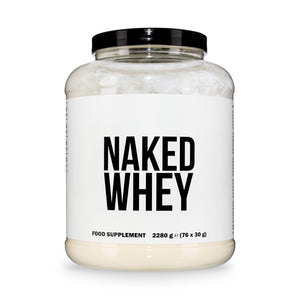


Protein powder supplements can be a great way to ensure you are meeting your body’s protein needs during pregnancy, but there are certain safety measures that must be taken.
It’s necessary to ensure the supplement is high-quality and is free of additives.
As of 2025, protein needs during pregnancy are well-established with clear increases recommended for the second and third trimesters to support rapid fetal growth, placental development, and maternal tissue expansion.
Recent research suggests that optimal intake may be higher than previously recommended, especially in late pregnancy.
While protein from food is ideal, supplements can be safe when chosen carefully and used appropriately.
This article reviews current medical guidelines and research on protein supplementation during pregnancy. It will cover safety guidelines, different types of supplements available, appropriate dosing recommendations, and when to avoid it altogether.
Do You Need Extra Protein During Pregnancy?

How Protein Needs Change During Pregnancy
Protein needs increase during pregnancy, but not dramatically at first. The Recommended Daily Allowance (RDA) for protein in non-pregnant adults is 0.8 grams per kilogram of body weight, or about 55 grams per day for a 150-pound woman.
During pregnancy, needs shift to support both maternal changes and fetal development. In the first trimester, protein requirements remain about the same as pre-pregnancy needs. However, in the second and third trimesters, protein needs rise to approximately 71 grams per day, or about 1.1 grams per kilogram of body weight. Some experts suggest aiming for 80 to 100 grams daily depending on individual body size, activity level, and overall nutritional status.
Why Protein Matters for You and Your Baby
Protein plays a critical role throughout pregnancy. It provides the building blocks for your baby’s developing brain, organs, and muscles, and is essential for forming the placenta and amniotic fluid.
For the mother, protein supports the expansion of blood volume, growth of breast and uterine tissue, and helps maintain energy levels. Adequate intake also supports recovery after birth and prepares the body for breastfeeding.
Can You Get Enough Protein from Food Alone?

In most cases, yes. Many women can meet their protein needs through a balanced diet that includes foods like eggs, poultry, fish, Greek yogurt, beans, lentils, nuts, and seeds.
However, there are situations where meeting protein needs through food alone can be challenging.
During the first trimester, nausea and food aversions may make protein-rich foods unappealing. I’ve worked with clients who could tolerate little beyond simple carbohydrates. I worked with one client who was able to tolerate oatmeal mixed with protein powder so she could then meet her protein needs.
Women following vegetarian or vegan diets, or those carrying multiples, may also require more intentional planning. In these cases, a high-quality protein supplement can be a helpful and practical tool to ensure adequate intake.
Is Protein Powder Safe During Pregnancy?

What the Research Says
Protein powder can be a safe and useful addition during pregnancy. Current research from the American College of Obstetricians and Gynecologists emphasizes that protein intake is essential for fetal growth and maternal health.
A recent systematic review and meta analysis concluded that protein supplementation is beneficial for pregnancy and birth outcomes particularly if the mother is undernourished (1).
Many commercially available protein powders contain additives, sweeteners, or contaminants that are not ideal during pregnancy.
Choosing a clean, third-party tested protein is essential during pregnancy. What is safe for the average adult may not be appropriate for expectant mothers. Independent testing (such as NSF or USP certification) helps ensure that a product contains what it claims.
While protein supplementation is generally considered safe, it’s always best to consult with a healthcare provider before adding any supplement.
Types of Protein Powder: Which Are Safest?

Whey Protein Isolate
This is a highly purified form of whey protein. It contains all essential amino acids and is generally well tolerated. Choose unflavored or naturally flavored versions from reputable brands.
Casein Protein
Casein is another milk-derived protein that digests more slowly. It’s safe during pregnancy and can be helpful for sustained protein intake, such as before bed.
Pea Protein
A plant-based, hypoallergenic option ideal for those avoiding dairy. It’s safe and effective, especially when sourced from third-party tested brands.
Rice Protein
Rice protein is easy to digest but lower in certain amino acids. It should be paired with pea protein for a more complete profile.
Collagen Protein
Collagen supports skin and connective tissue health and is generally safe, but it is not a complete protein.
Hemp Protein
Hemp provides plant-based protein along with omega-3 fatty acids. Ensure products are tested to avoid trace THC contamination.
Soy Protein
Soy is a great plant-based complete protein. Moderate intake is generally considered safe, though some providers recommend caution.
Ingredients to Avoid in Protein Powders

When selecting a protein powder during pregnancy, it’s important to pay attention to the ingredient list.
Certain additives may not be appropriate for expectant mothers. For example, artificial sweeteners, such as saccharin, are best avoided due to concerns about how they are metabolized during pregnancy.
It’s also important to be mindful of added vitamins, especially vitamin A, as excessive intake can be harmful to fetal development.
Many protein powders include herbal blends or “adaptogens” like ashwagandha, rhodiola, or maca, which are often marketed for stress or energy support but have limited safety data in pregnancy and should generally be avoided.
Similarly, some products contain added caffeine or stimulants, which can quickly push intake beyond recommended limits when combined with other dietary sources.
Beyond specific ingredients, overall product quality matters. Fillers, gums, and unnecessary additives can make products harder to digest.
Contamination with heavy metals such as lead, arsenic, and cadmium has been found in some protein powders, making third-party testing especially important.
Ultimately, choosing a protein powder with a short, simple ingredient list and verified testing can help ensure both safety and peace of mind during pregnancy.
How Much Protein Powder Can You Take While Pregnant?

Safe Serving Sizes
For most pregnant women, protein powder should be used as a supplement for whole food protein. A typical and safe recommendation is up to one serving per day, which provides around 20 to 25 grams of protein. This can help fill in gaps, especially on days when meeting protein needs through food feels challenging.
Total daily protein needs during pregnancy generally fall between 80 to 120 grams, depending on body weight, activity level, and individual needs.
Aim to get the majority of protein from nutrient-dense whole foods like eggs, poultry, fish, dairy, legumes, and nuts.
It’s also beneficial to spread protein intake throughout the day instead. This supports more consistent energy levels, better digestion, and optimal use of amino acids for both maternal and fetal needs.
Timing Your Protein Intake
Protein powder can be incorporated at different times of day depending on individual preferences and needs.
Some women find that a protein shake in the morning is easier to tolerate, especially if nausea makes solid food unappealing. Having protein after a workout can support muscle recovery and overall strength.
Using protein between meals can also help stabilize blood sugar and prevent energy crashes, which is especially helpful during pregnancy when energy demands are higher.
In some cases, a slow-digesting protein like casein before bed may support a steady release of amino acids overnight.
Can You Have Too Much Protein During Pregnancy?
While protein is essential, more is not always better. Extremely high intakes over 150 grams per day, may place unnecessary stress on the kidneys and can crowd out other important nutrients like healthy fats and carbohydrates.
Including protein alongside complex carbohydrates and healthy fats is essential for supporting both maternal and fetal health.
Current evidence suggests that moderate supplementation, such as 20 to 30 grams of protein powder per day, is safe and does not pose harm during pregnancy when used appropriately.
When Should You Avoid Protein Powder During Pregnancy?

Medical Conditions That May Require Caution
While protein powder is generally safe, there are certain situations where extra caution may be necessary.
Women with kidney disease or impaired kidney function should be especially mindful, as excess protein can place additional strain on the kidneys.
Women with phenylketonuria (PKU) must avoid certain protein sources and additives, particularly aspartame, due to their inability to properly metabolize phenylalanine.
Women with gestational diabetes should be mindful of flavored protein powders that contain added sugars or sweeteners as this may impact blood sugar control.
Similarly, women with preeclampsia or high blood pressure should be aware of sodium content in certain protein products, as excessive sodium intake can worsen fluid retention and blood pressure levels.
Severe morning sickness, also known as hyperemesis gravidarum, can complicate supplement use.
In these cases, it’s best to consult a healthcare provider before introducing protein powders, as tolerance and hydration status vary significantly.
Women with pre-existing kidney conditions should work closely with their healthcare provider to determine safe protein levels, as excessive intake can strain kidney function.
First Trimester Considerations
The first trimester is the most sensitive period for fetal development, and many women prefer to be more cautious with supplements during this time.
While protein powder is not inherently unsafe, it’s wise to prioritize whole food sources of protein whenever possible, especially early on.
If supplementation is needed, choosing the simplest, cleanest option is key. Look for products with minimal ingredients, no unnecessary additives, and verified third-party testing.
Red Flags: When to Stop and Call Your Doctor
It’s important to pay attention to how your body responds to any supplement. If you experience digestive discomfort such as cramping, bloating, or diarrhea after consuming protein powder, it may not be the right fit.
Allergic reactions including rash, swelling, or difficulty breathing require immediate medical attention.
Symptoms like unusual swelling or rapid weight gain should be evaluated by a healthcare provider, as they may signal underlying concerns unrelated to protein intake.
If you ever feel unsure about a product’s ingredients, dosage, or how it fits into your overall diet, it’s best to discontinue and consult your provider.
Protein Powder vs. Whole Food Protein During Pregnancy

Why Whole Foods Are Preferred
Whole food sources of protein should be the foundation of a pregnancy diet. Eggs, poultry, fish, dairy, beans, lentils, nuts, and seeds provide protein along with essential vitamins, minerals, and healthy fats.
These nutrients work together to support fetal development, maternal health, and overall energy levels in a way that isolated protein powders cannot fully replicate.
Whole foods tend to be more satiating, helping to keep you full longer and better regulate appetite. This can be especially helpful during pregnancy, when blood sugar stability and consistent energy are key.
Additionally, choosing whole foods eliminates concerns about additives or artificial ingredients that can sometimes be found in protein powders.
Relying primarily on whole foods supports a more balanced, diverse diet that benefits both mom and baby.
When Protein Powder Makes Sense
Protein powder can play a helpful and practical role in certain situations.
While whole food protein is ideal, protein powder can serve as a practical backup when dietary intake falls short. Think of it as insurance, not a replacement.
For example, during the first trimester, morning sickness and food aversions can make it difficult to tolerate protein-rich foods.
Women following vegetarian or vegan diets may also find it challenging to consistently meet higher protein needs without some level of supplementation.
Protein powder can be useful during travel or busy periods when access to balanced meals is limited. For those who continue exercising during pregnancy, it offers a convenient post-workout option to support recovery.
Even later in pregnancy, when appetite may decrease due to physical discomfort, protein shakes can provide an easy way to maintain adequate intake.
Protein powder can complement a strong whole-food foundation without replacing it.
How to Choose a Safe Protein Powder for Pregnancy

Third-Party Testing and Certifications
When choosing a protein powder during pregnancy, third-party testing should be a top priority. Unlike medications, supplements are not strictly regulated, which means quality and purity can vary widely between brands.
Certifications such as NSF Certified for Sport, Informed Choice, and USP Verified indicate that a product has been independently tested for safety, ingredient accuracy, and contaminants.
This is especially important when it comes to heavy metals like lead, arsenic, and cadmium, which have been found in some protein powders. While trace amounts can occur naturally, excessive exposure during pregnancy is a concern.
Third-party testing helps ensure that levels remain within safe limits and that what’s listed on the label matches what’s actually in the product.
Reading Labels: What to Look For
When scanning a protein powder label, think in terms of green flags and red flags to quickly assess quality and safety.
Green flags include a short, simple ingredient list and minimal additives. Ideally, the protein source is clearly stated, and there are no artificial sweeteners. If sweetness is included, natural options like stevia or monk fruit are generally better choices.
For dairy-based powders, grass-fed whey can indicate higher sourcing standards, and while not essential, organic certification can be an added bonus for those prioritizing ingredient quality.
Red flags include vague or non-transparent labeling, such as proprietary blends that don’t disclose exact ingredient amounts. Products that advertise weight loss, fat burning, or energy boosts should be avoided, as they often contain stimulants or unnecessary additives.
Herbal extracts and adaptogens like ashwagandha, rhodiola, or maca are also best avoided due to limited safety data in pregnancy.
Additionally, watch for excessive vitamin A, which can be harmful in high amounts, and warnings such as California Prop 65, which may indicate the presence of contaminants like heavy metals.
Trusted Brands for Pregnancy
Rather than focusing on specific brand names, it’s more helpful to look for companies that prioritize transparency and quality. Brands that clearly disclose their sourcing, manufacturing practices, and testing results tend to be more reliable.
Checking a company’s recall history and reading reviews can offer additional insight into product safety and tolerability.
When in doubt, consulting your OB-GYN or healthcare provider can help guide you toward options that align with your individual needs and ensure you’re making a safe choice.
Frequently Asked Questions

Can I drink protein shakes while pregnant?
Yes, protein shakes are generally safe during pregnancy when made with clean, third-party tested protein powder and consumed in moderation.
Sticking to about one serving per day is a good guideline, and it’s important to choose products without harmful additives.
As always, check with your healthcare provider to ensure it aligns with your individual needs.
Is whey protein safe during pregnancy?
Yes, whey protein is safe during pregnancy for most women. Choose high-quality whey protein isolate from reputable brands that have been third-party tested for purity and contaminants.
Can protein powder cause birth defects?
No, there is no evidence that protein powder itself causes birth defects.
The concern lies more with low-quality products that may contain harmful additives, contaminants, or unregulated ingredients. This is why selecting a clean, well-tested product is so important during pregnancy.
What type of protein powder is best for pregnancy?
Whey protein isolate and pea protein are two of the best options during pregnancy due to their safety, digestibility, and strong amino acid profiles.
Unflavored or naturally flavored versions are ideal, as they tend to have fewer additives and unnecessary ingredients.
How much protein do I need in each trimester?
Protein needs increase as pregnancy progresses.
In general, about 60 grams per day may be sufficient in the first trimester, increasing to around 70-80 grams in the second trimester and 80-100 grams in the third trimester. Individual needs can vary based on body weight, activity level, and overall diet.
Can too much protein harm my baby?
Moderate protein intake is both safe and beneficial during pregnancy. Most women fall within a healthy range of 80-120 grams per day.
Extremely high intakes, consistently above 150 grams per day, may place unnecessary strain on the kidneys, but this is uncommon with typical diets and moderate supplementation.
Should I avoid protein powder in the first trimester?
Not necessarily, but extra caution is recommended during the first trimester, as this is a critical period for fetal development.
Prioritizing whole food protein sources is ideal, but if protein powder is needed due to nausea or food aversions, choosing a clean, minimal-ingredient product and consulting your healthcare provider is the safest approach.
Bottom Line
Summary of Safety Guidelines
Protein supplementation during pregnancy is safe and beneficial when approached thoughtfully. Choosing a clean, third-party tested protein is essential to minimize exposure to contaminants. It’s equally important to avoid products with herbal additives, excessive vitamins, or additives.
That said, whole foods should always be the foundation of your diet. Foods like eggs, fish, poultry, dairy, beans, and lentils provide a broader range of nutrients that support both maternal health and fetal development.
Supplements should be used to fill in gaps, not replace these nutrient-dense options.
For healthy pregnant women struggling to meet protein needs through diet, protein powder can be a solution, but it should complement, not replace, nutrient-dense whole foods.
Talk to Your Doctor First
Every pregnancy is different, and individual factors like medical history, dietary patterns, and specific nutrient needs all play a role in determining what’s appropriate.
Consulting with your healthcare provider before adding a protein supplement is always the safest approach. They can help guide you toward the right type and amount, and monitor your intake if needed.
As nutritional research continues to evolve in 2025, the consensus remains clear: protein is essential during pregnancy, and supplementation can be safe when done thoughtfully and under medical guidance.