




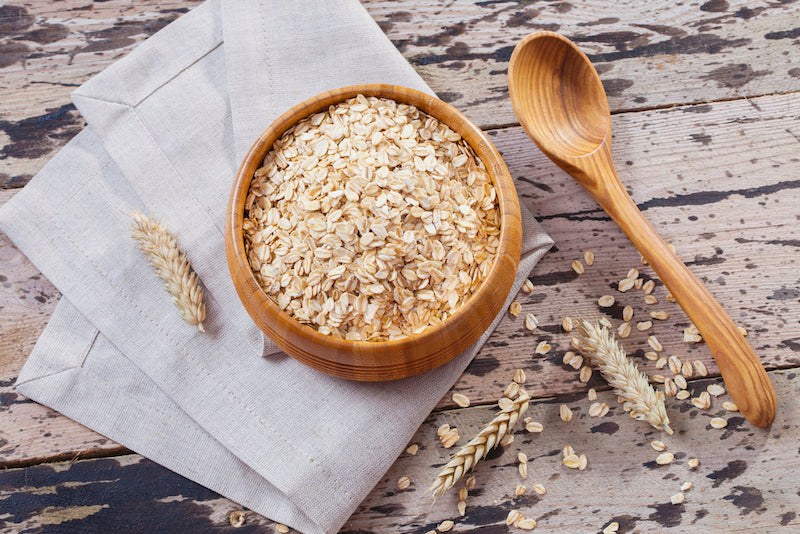

Oats are a popular health food, primarily for breakfast meals. With various culinary uses, oats can be enjoyed in the form of oatmeal, overnight oats, baked oats, or added as an ingredient to smoothies, protein shakes, and baked goods.
Oats are rich in many nutrients, but many wonder if it is considered a high-protein food. While oats contain protein, they are mainly composed of carbohydrates and are not considered a good protein source. But that doesn’t mean they can’t be a part of a high-protein meal.
How Much Protein in Oats?
Like many cereal grains, oats contain some protein but not enough to be considered a good protein source.
For example, a ½ cup serving of uncooked rolled oats contains about 5 grams of protein. To put that into perspective, a 4-ounce portion of ground beef contains about 20 grams of protein [1,2].
Animal products, such as meat, fish, poultry, eggs, and dairy, are considered the best source of protein; however, other foods such as oats do contribute to overall protein intake. This means oats should be included with a protein source and not as the protein source.

Are Oats High in Carbs?
The bulk of the calories in oats come from carbohydrates. This is why oats are considered a carbohydrate source and not a protein source.
Just like other cereal grains, oats are considered high in carbs. Again, because they are a carbohydrate source. However, oats are also rich in fiber, particularly soluble fiber, which can help to provide many health benefits including bowel regularity, weight management, heart health, and glucose control [3, 4].
A ½ cup serving of uncooked oats contains a whopping 5 grams of fiber or 18% of the daily value (%DV). However, oats can still cause glucose spikes in some due to the carbohydrate content.
Health Benefits of Oats
As mentioned earlier, oats are a rich source of soluble fiber which touts some pretty impressive health benefits, including helping to promote heart health by reducing cholesterol levels and improving blood sugar management [3].
Additionally, oats are rich in antioxidants, such as vitamin E, phytic acid, and phenolic compounds. When consumed regularly, these compounds are associated with a reduced risk of developing various chronic diseases including heart disease and cancer [3, 5].
Oats can also help improve gut health. The phytochemicals in oats play an essential role in the health and functioning of our gut microbiota and digestive system which in turn can prevent various diseases such as obesity, diabetes, and colorectal cancer [3].

Are Oats Good For Muscle Growth?
Because oats are considered a carbohydrate source and are lacking a significant source of protein, oats are not good for muscle growth on their own. However, oats can certainly be a part of a healthy diet that encourages muscle growth.
Carbohydrates are an essential fuel source of our body. We need carbs to give us energy in the gym to build those muscle gains. While they don’t play as active a role as protein, they are still an essential component of any diet for muscle growth and should not be excluded.
Be sure to check out our strawberry cream protein oats.
Are Oats Good For Weight Loss?
Because oats contain a rich source of fiber, they are a great option to include for those looking to lose weight. Not only are oats a nutritious whole grain, but they are more filling due to the presence of soluble fiber.
Soluble fiber absorbs water and creates a gel-like consistency in your digestive tract. This increases satiety and promotes gut health, both essential components for healthy and sustainable weight loss [6, 7].
Are Oats the Ideal Breakfast Before the Gym?
The carbohydrates in oats can provide quick energy that can be beneficial for those who like to hit the gym first thing in the morning. If you enjoy oats, this whole grain can be easily added to a variety of different pre-workout breakfasts.
Consider combining your oats with something that also includes protein to get the most out of your pre-workout meal, such as oatmeal w/diced walnuts or a spoon full of nut butter mixed in.
Are Oats Gluten Free?
Oats are naturally gluten-free however, that doesn’t mean that all oats are safe for those following a gluten-free diet. Oats can become contaminated with gluten during processing. If you are following a gluten-free diet, be sure to look for the “Certified Gluten-Free” seal in the packaging prior to purchase.
How to Make High-Protein Oats?

If you love oats but want to make them high-protein, consider adding in nut butters, egg whites, or a protein powder to your oats to help you meet your protein goals.
For a convenient alternative, you can also look for high-protein pre-made oat options, such as Naked Nutrition’s Naked Oats which includes 20 grams of protein and 9 grams of fiber and can be conveniently prepped ahead the night before.