


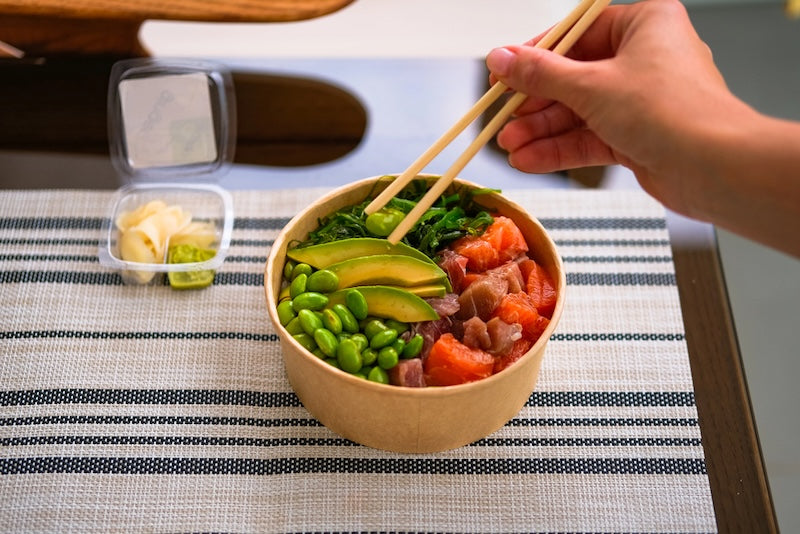

High-protein snacks are quick bites that deliver roughly 10 to 20 grams of protein, which curbs hunger between meals and helps you reach your daily protein target. Easy options include Greek yogurt, cottage cheese, hard-boiled eggs, jerky, edamame, roasted chickpeas, string cheese, tuna packets, nuts, and a protein shake. The best ones pair protein with fiber or healthy fat to stay filling, and lean toward whole foods over sugary bars. Keeping a few on hand makes it easy to snack with a purpose instead of grabbing empty calories.
The bottom line: most grab-and-go snacks (chips, crackers, granola bars, cookies) are mostly refined carbs and leave you hungry again fast. Swapping in protein-rich snacks changes that. Protein is the most filling nutrient, so a smart snack holds you over until your next meal, helps control cravings, and chips away at your daily protein goal. Below are dozens of high-protein snack ideas sorted by how much effort they take, with protein amounts, plus picks for weight loss, muscle, and busy days.
Why High-Protein Snacks Are Worth It

A snack is only as useful as what it does for you, and protein snacks earn their place:
-
They keep you full. Protein increases satiety and helps control appetite, so a protein snack actually holds you over instead of leaving you hungry an hour later [1][2].
-
They curb cravings. Replacing a sugar-and-carb snack with protein helps avoid the spike-and-crash that drives more snacking.
-
They help you hit your protein target. Most people fall short of their daily protein; snacks are an easy place to add 10 to 20 grams and support muscle [1][3].
-
They support weight goals. Because they are filling, protein snacks can reduce overall calorie intake without leaving you deprived [2].
How Much Protein Should a Snack Have?
A good rule of thumb is 10 to 20 grams of protein per snack. That is enough to be genuinely filling and to make a real contribution to your daily total, without being a full meal. Pairing the protein with some fiber (from fruit, vegetables, or whole grains) or a healthy fat (like nuts) makes the snack even more satisfying and steadies your energy.
If a "snack" has barely any protein, like a handful of crackers or a piece of fruit alone, it will not hold you over. Adding a protein source, such as cheese with the crackers or peanut butter with the fruit, turns it into a snack that works.
The Best High-Protein Snacks (With Amounts)
Here is a big list of reliable high-protein snacks and roughly how much protein each provides:
|
Snack |
Serving |
Protein (approx.) |
|---|---|---|
|
Greek yogurt (plain) |
1 cup |
~20 g |
|
Cottage cheese |
1 cup |
~25 g |
|
Hard-boiled eggs |
2 |
~12 g |
|
Beef or turkey jerky |
1 oz |
~9-12 g |
|
Edamame |
1 cup |
~18 g |
|
Roasted chickpeas |
1/2 cup |
~10 g |
|
String cheese |
2 sticks |
~14 g |
|
Tuna pouch |
1 pouch |
~17 g |
|
Protein shake |
1 scoop |
~20-25 g |
|
Mixed nuts |
1 oz |
~6 g |
|
Peanut butter |
2 tbsp |
~8 g |
|
Roasted edamame or soy nuts |
1/4 cup |
~12 g |
|
Tofu or tempeh cubes |
3 oz |
~9-16 g |
|
Protein bar (clean) |
1 bar |
~15-20 g |
Notice the standouts: cottage cheese, Greek yogurt, a protein shake, edamame, and a tuna pouch all clear the 15-gram mark on their own, while smaller items like nuts and peanut butter are best as boosters added to something else.
Grab-and-Go High-Protein Snacks (No Prep)

For busy days, these require zero preparation; just keep them stocked:
-
Single-serve Greek yogurt or cottage cheese cups
-
Hard-boiled eggs (sold pre-cooked at most stores)
-
Jerky or meat sticks (look for lower-sugar options)
-
String cheese or cheese rounds
-
Tuna or salmon pouches
-
A ready-to-drink protein shake
-
Roasted chickpeas or edamame
-
A clean protein bar
These are lifesavers for the office, the gym bag, or the car. For more ideas built around activity, see our list of exercise snacks.
Easy Homemade High-Protein Snacks

If you have a couple of minutes, these DIY combos punch above grab-and-go options on both protein and taste:
-
Greek yogurt bowl: yogurt with berries, seeds, and a drizzle of nut butter (~22 g).
-
Cottage cheese and fruit: cottage cheese with pineapple or peaches (~25 g).
-
Apple or banana with peanut butter (~8 g, a good booster snack).
-
Protein smoothie: a scoop of protein powder blended with milk and fruit (~30 g).
-
Tuna or egg salad on cucumber slices or whole-grain crackers (~17 g).
-
Edamame sprinkled with sea salt (~18 g).
-
Homemade protein energy balls: oats, peanut butter, and a scoop of protein powder rolled into bites.
-
Cheese and whole-grain crackers with a piece of fruit (~14 g).
Making a batch of energy balls or pre-portioning yogurt bowls on the weekend means a homemade high-protein snack is ready all week. For relaxed evenings, our healthy snack ideas have more options.
High-Protein Snacks for Your Goal
The best snack depends on what you are after:
-
For weight loss: lean, filling, lower-calorie options like Greek yogurt, cottage cheese, edamame, jerky, hard-boiled eggs, and tuna. High protein, not much else. Protein bars can help too, just watch the sugar, as we discuss in are protein bars good for weight loss.
-
For building muscle: higher-protein and higher-calorie combos like a protein shake with milk and peanut butter, Greek yogurt with granola and nut butter, or cottage cheese with fruit and seeds.
-
For energy before a workout: a snack pairing protein with some carbs, like yogurt with fruit or a banana with a small protein shake.
-
For kids and families: string cheese, yogurt tubes, hard-boiled eggs, hummus with veggies, and edamame are easy crowd-pleasers.
Vegan and Plant-Based High-Protein Snacks
Plenty of high-protein snacks need no animal products:
-
Edamame and roasted soy nuts
-
Roasted chickpeas
-
Hummus with vegetables or whole-grain pita
-
A plant protein shake (pea or rice-based)
-
Tofu or tempeh cubes
-
Nut butter on apple or whole-grain toast
-
Trail mix with nuts, seeds, and soy nuts
Combining a couple of these, for example, hummus with edamame, easily reaches a solid protein snack.
How to Build a High-Protein Snack (Formula)
If you do not want to memorize a list, use a simple two-part formula, and you can turn almost anything into a satisfying high-protein snack:
-
Start with a protein base (10 to 20 grams): Greek yogurt, cottage cheese, eggs, jerky, edamame, a protein shake, or tuna. This is the part that keeps you full.
-
Add a fiber or fat partner: fruit, vegetables, whole-grain crackers, nuts, or seeds. This adds crunch, nutrients, and staying power.
For example, cottage cheese (base) plus sliced peaches and a few almonds (partner), or a tuna pouch (base) on cucumber rounds (partner). The base does the heavy lifting on protein, and the partner makes it a snack you actually look forward to. Pairing the two is also more filling than either alone, because protein plus fiber is the combination that blunts hunger best.
When and How Often to Snack on Protein
There is no magic timing, but a protein snack is most useful in a few moments: in the long stretch between lunch and dinner, before or after a workout, or in the evening if you are still short on your daily protein. The goal of a snack is to bridge a gap, not to add unnecessary calories, so let hunger and your protein total guide you rather than snacking out of habit.
Portion matters too. A protein-forward snack of 150 to 250 calories is usually plenty to hold you over. Be a little careful with calorie-dense options like nuts and nut butter, which are nutritious but easy to overdo. One reasonable serving of a high-protein snack should leave you satisfied, not stuffed, until your next meal.
What to Watch Out For

Not every snack labeled "protein" is a good choice. A few things to check:
-
Added sugar. Many protein bars and "protein" cookies are closer to candy. Scan the label and favor lower-sugar options.
-
Low actual protein. Some snacks marketed as healthy have only a few grams of protein. Aim for at least 10 grams to make it count.
-
Long additive lists. The cleanest snacks are mostly recognizable whole foods.
-
Portion creep. Calorie-dense snacks like nuts and nut butter are great in moderation, but easy to overeat.
Store-Bought vs. Homemade High-Protein Snacks
Both have a place, and the right mix comes down to convenience versus control. Store-bought options (yogurt cups, jerky, ready-to-drink shakes, protein bars) win on speed and are perfect for keeping in a desk or bag. The trade-off is that packaged "protein" snacks vary a lot in quality, so the label matters: look for real protein content and modest added sugar. Homemade snacks (energy balls, yogurt bowls, hard-boiled eggs, portioned cottage cheese) give you full control over ingredients and usually cost less per serving, at the price of a little prep time. A practical approach is to keep a couple of clean store-bought options on hand for emergencies and prep one or two homemade snacks each week, so you are never stuck choosing between a high-protein snack and a convenient one.
Frequently Asked Questions
What are the best high-protein snacks? Whole-food options like Greek yogurt, cottage cheese, hard-boiled eggs, edamame, jerky, and tuna pouches lead the pack, each delivering 10 to 25 grams of protein with few empty calories.
How much protein should a snack have? Around 10 to 20 grams is a good target, enough to be filling and to add to your daily total without being a full meal [1].
What are good high-protein snacks for weight loss? Lean, filling, lower-calorie choices like Greek yogurt, cottage cheese, edamame, hard-boiled eggs, and jerky. They satisfy hunger on relatively few calories [1][2].
What is a high-protein snack with no cooking? Greek yogurt, cottage cheese, string cheese, jerky, a tuna pouch, a protein shake, or roasted chickpeas all need zero prep.
Are protein bars a good snack? They can be convenient and hit 15 to 20 grams, but quality varies widely. Choose ones with a short ingredient list and modest sugar, and treat whole foods as your default.
What are good high-protein snacks for muscle gain? Higher-protein, higher-calorie combos like a protein shake with milk and peanut butter, Greek yogurt with granola and nut butter, or cottage cheese with fruit and seeds support muscle when paired with training [3].
What is a cheap high-protein snack? Eggs, canned tuna, cottage cheese, plain Greek yogurt, edamame, and roasted chickpeas are all inexpensive and deliver plenty of protein per dollar.
Can high-protein snacks help me lose weight? Yes, indirectly. They keep you full and help control appetite, making it easier to eat fewer total calories, but they work within an overall calorie deficit [1][2].
Are nuts a good high-protein snack? Nuts add protein and healthy fat, but they are calorie-dense and only moderate in protein (about 6 grams per ounce), so they work best as a booster alongside a higher-protein base rather than as the whole snack.
Conclusion
High-protein snacks are one of the easiest ways to stay full, manage cravings, and reach your protein goal.
-
Aim for 10 to 20 grams per snack, ideally paired with fiber or healthy fat [1][2].
-
Lean on whole foods like Greek yogurt, cottage cheese, eggs, edamame, jerky, and tuna, with a protein shake as an easy backup.
-
Watch for sugary, low-protein products dressed up as healthy snacks.
The simplest move is to stock two or three high-protein snacks you actually enjoy, at home, at work, and in your bag, so the easy choice is also the high-protein one. Snack with a purpose, and it adds up fast. Over a week, a couple of 15-gram snacks a day can add 100 grams or more of protein you might otherwise have missed, which is a meaningful boost toward your goals without any extra meals.
References
-
Leidy HJ, et al. (2015). The role of protein in weight loss and maintenance. American Journal of Clinical Nutrition. doi.org/10.3945/ajcn.114.084038
-
Moon J, Koh G (2020). Clinical Evidence and Mechanisms of High-Protein Diet-Induced Weight Loss. Journal of Obesity & Metabolic Syndrome. doi.org/10.7570/jomes20028
-
Morton RW, et al. (2018). A systematic review, meta-analysis and meta-regression of the effect of protein supplementation on resistance training-induced gains in muscle mass and strength. British Journal of Sports Medicine. doi.org/10.1136/bjsports-2017-097608