Skip to content

Während unseres Lagerwechsels auf Amazon verfügbar. Bald wieder zurück.

What is egg protein made of?

Woraus besteht Ei-Protein?

Eier mussten sehr lange darum kämpfen, ihren Ruf zu wahren.

Über Jahrzehnte hinweg wurden Eier sowohl als Helden als auch als Bösewichte der Ernährung dargestellt. Tatsächlich sind Eier jedoch eine reichhaltige Proteinquelle – auch wenn das umstrittene Eigelb eine beträchtliche Menge Fett enthält.

Dieses Protein, das im Eiweiß steckt, wurde sogar isoliert und zu einem Proteinpulver verarbeitet. Aber das ist ein etwas seltsamer Gedanke.

Wie genau wird Eiweißpulver hergestellt? Warum ist das wichtig?

Eierpulver

Im Allgemeinen werden die meisten Eiweißproteinpulver auf ungefähr die gleiche Weise hergestellt.
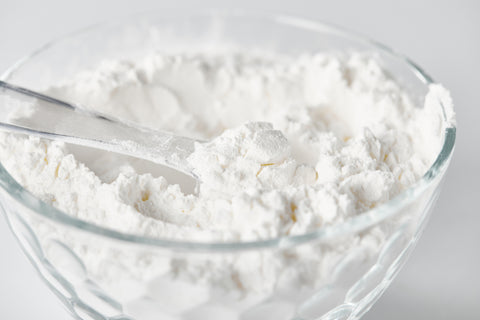
Eiweiß-Protein-Pulver

Das Eiweiß wird vom Eigelb getrennt, pulverisiert und anschließend dehydriert. Meistens wird das Eiweiß zur einfacheren Lagerung verflüssigt und zur Verarbeitungsanlage transportiert. Das flüssige Eiweiß kann mehrere Tage stehen, bevor es getrocknet wird.

Natürlich nehmen sich die Hersteller an dieser Stelle jede Menge Freiheiten heraus. Aromen, Konservierungsmittel, Farbstoffe und jede Menge andere Zusatzstoffe werden normalerweise in das Eiweißproteinpulver geworfen.

Normalerweise stammen diese Eier aus den billigsten Quellen, und die Qualität der landwirtschaftlichen Praktiken wird kaum oder gar nicht berücksichtigt.

Der Naked Nutrition-Unterschied

Naked Nutrition geht die Dinge allerdings etwas anders an: Erstens stammen die Eier für unser Eiweiß-Proteinpulver ausschließlich von US-Farmen, die ihre Hühner weit entfernt von jeglichen gentechnisch veränderten Organismen (GVO) halten.

Anschließend wird das Eiweiß zu einem feinen Pulver getrocknet, das sich nie verflüssigt. Der gesamte Prozess dauert weniger als einen Tag. Diese Geschwindigkeit wird beibehalten, damit die Nährstoffe im Eiweiß erhalten bleiben und nur minimal verarbeitet werden.

Wie alle Naked Nutrition Produkte enthält auch unser Eiweißproteinpulver keine unnötigen Zusatzstoffe. Die einzige Zutat im Becher neben Eiweiß ist Sonnenblumenlecithin, ein gesundes Fett, das zur Verdickung des Getränks beiträgt.

Related Articles

High Protein Foods: The Best Animal and Plant Sources

High protein foods are those that pack a lot of protein per serving, and the richest sources are animal foods: chicken, turkey, lean beef, fish, eggs, and dairy like Greek yogurt and cottage cheese. The best plant sources include lentils, beans, tofu, tempeh, edamame, and seeds. Most adults benefit from spreading 20 to 30 grams of protein across each meal...

Link to article: High Protein Foods: The Best Animal and Plant Sources

How Much Protein Per Day to Lose Weight: A Simple Guide

To lose weight, most people do best eating roughly 1.2 to 1.6 grams of protein per kilogram of body weight per day, which is about 0.5 to 0.7 grams per pound. For a 165-pound person, that is around 90 to 120 grams daily. Higher protein helps you lose fat while keeping muscle, and it keeps you fuller so you naturally...

Link to article: How Much Protein Per Day to Lose Weight: A Simple Guide

Does Protein Powder Expire? Shelf Life, Safety, and Storage

Yes, protein powder expires, but slowly. Most powders carry a "best by" date one to two years out, and because they are dry, low-moisture products, they resist the bacteria that spoil fresh food. Used shortly past the date and stored cool and dry, protein powder is usually still safe; it mainly loses quality as the amino acid lysine slowly breaks...

Link to article: Does Protein Powder Expire? Shelf Life, Safety, and Storage

Collagen vs. Whey Protein: Which One Do You Actually Need?

Whey and collagen are both proteins, but they do different jobs, so one is not simply better than the other. Whey is a complete, high-quality protein that is excellent for building and maintaining muscle and meeting your daily protein needs. Collagen is an incomplete protein that is poor for muscle building, but its amino acids support skin elasticity, hydration, and...

Link to article: Collagen vs. Whey Protein: Which One Do You Actually Need?