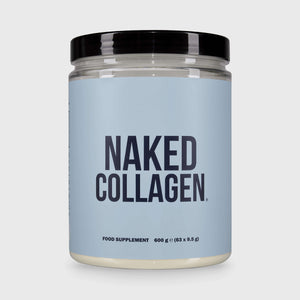
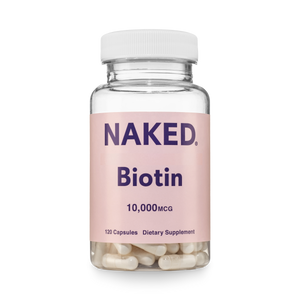

we source the best ingredients, and leave out the junk.
At Naked Nutrition, we prioritize transparency over marketing gimmicks. We offer products with only the purest ingredients, ensuring you know exactly what you're putting in your body.
Shop All
No Artificial Sweetener

Gluten Free

No Additives or Fillers
Third Party Tested for Heavy Metals

Soy Free
GMO Free
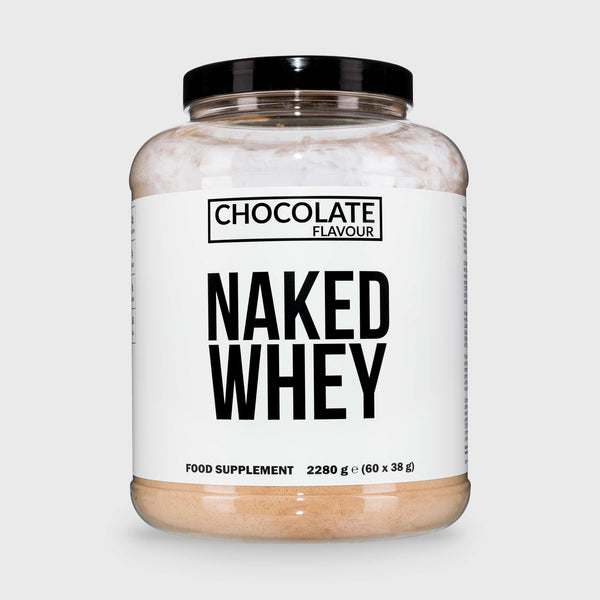
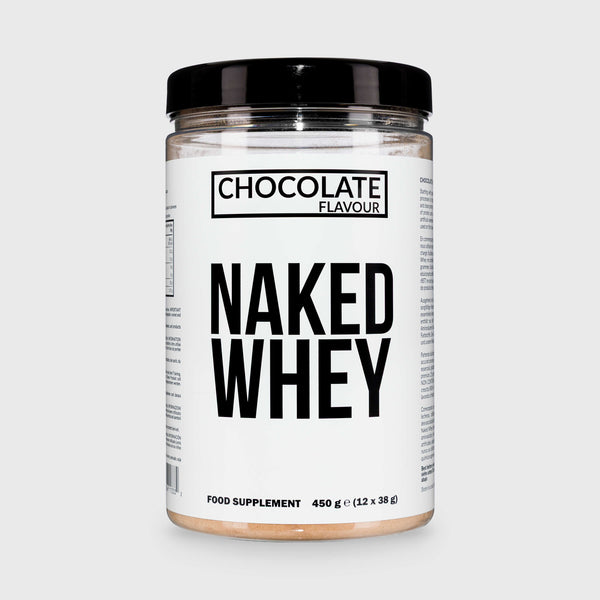
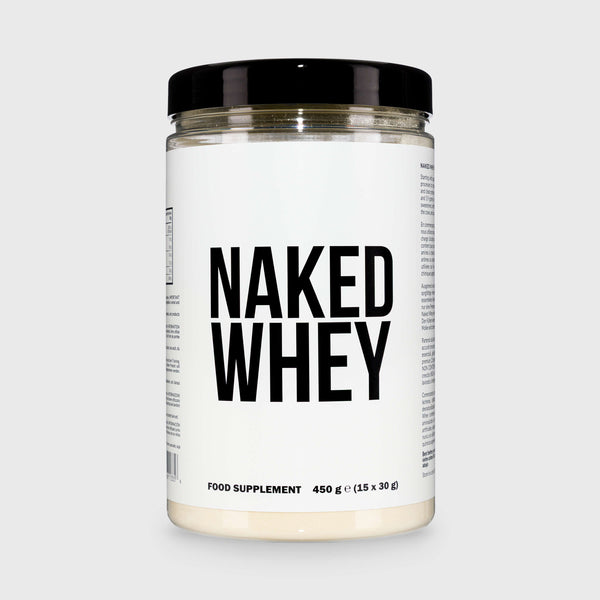
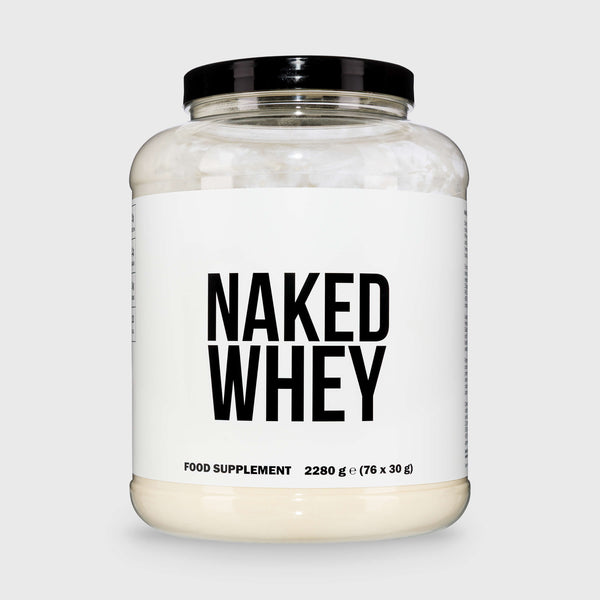
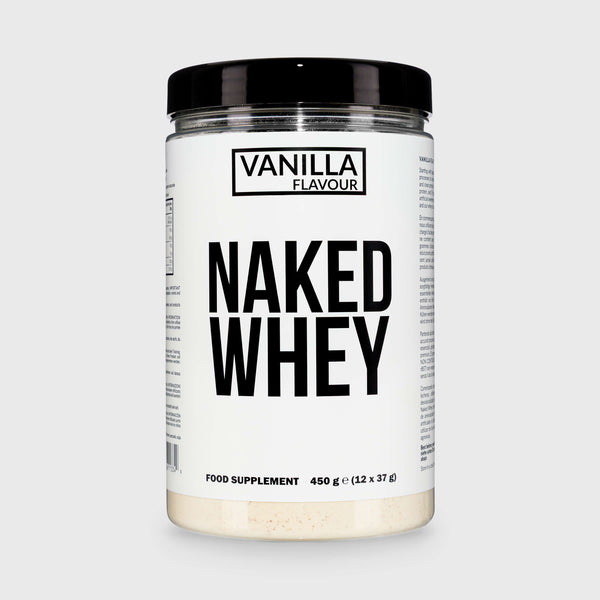
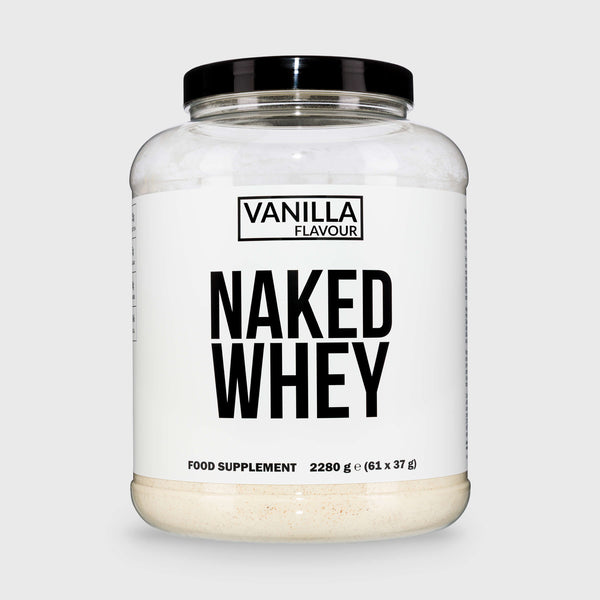
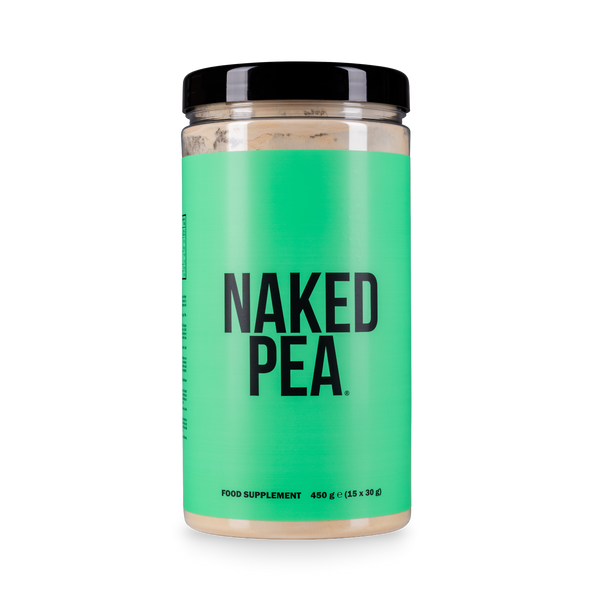
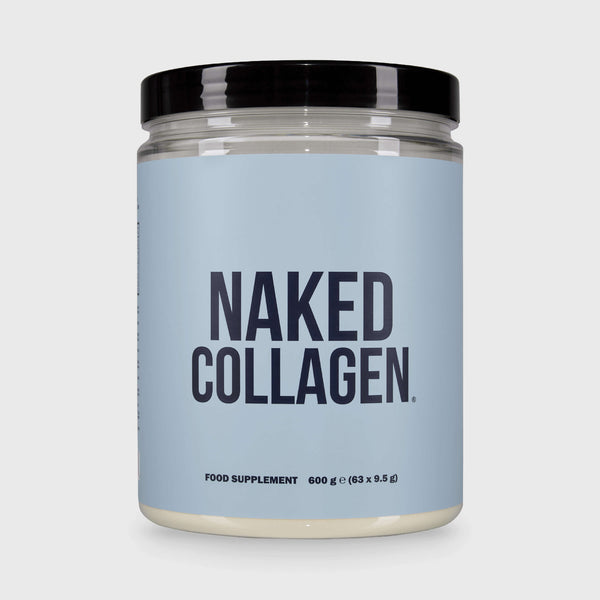
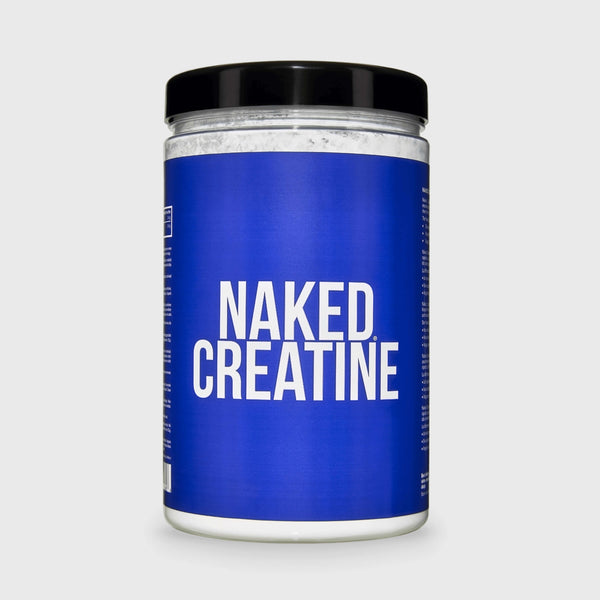
Minimal ingredients, high-quality protein, and no weird fillers

Taylor Renko
Registered Dietitian,
LDN
Third-party tested so you know exactly what you’re getting

Cloie Neeley
Registered Dietitian
Clean, unflavored protein that blends smoothly and is easy to digest

Alissa Dreger
Nutritionist
One of the only protein powders that checks every box

Laura Dragon
MS,
Nutrition Science
Top Picks
No products found in New Arrivals
Articles + more
Explore our blog and discover how Naked products can help you upgrade your nutrition with confidence.
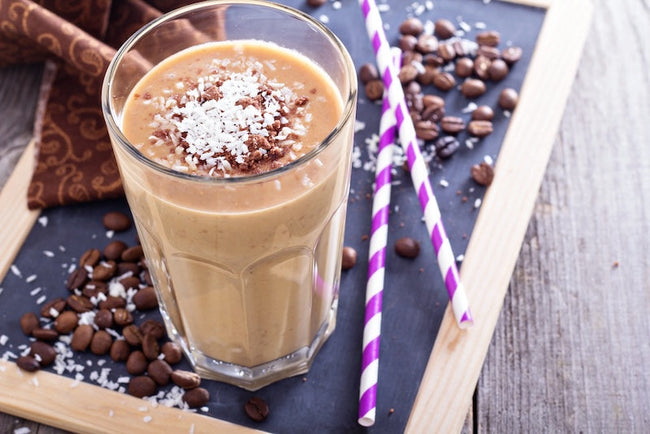
View allWhat Is Protein Coffee? Everything You Need to Know About This Popular Trend
Protein coffee is exactly what it sounds like: coffee that's been enhanced with added protein, either from natural coffee bean proteins or by combining regular brewed coffee with protein powder supplements. This combination delivers both the energy benefits of caffeine and the nutritional advantages of protein in a single convenient beverage that supports muscle maintenance, curbs hunger, and provides sustained...
Is Creatine HCL Worth It? A Science-Backed Look at Cost, Benefits, and Absorption
Why People Question Creatine HCL’s Value There’s a new creatine on the market and, despite rising popularity, many people question whether it’s worth it. Creatine HCL is a new form of creatine touted for its superior solubility. While creatine monohydrate is the gold standard for muscle building, the solubility of creatine HCL allows for smaller doses, less bloating, and eliminates...
How Much Salt to Add to Water for Hydration
Who This Guide Is For: Athletes and active individuals looking to optimize performance and hydration during exercise People dealing with dehydration from illness, heat exposure, or medical conditions Fitness enthusiasts seeking to improve their daily hydration routine and recovery Manual laborers and outdoor workers exposed to heat and prolonged physical activity Parents and caregivers managing hydration for children and elderly...
Does Creatine HCL Cause Bloating? What Science and Users Say
The Creatine Bloating Myth Creatine is one of the most researched and effective supplements for improving strength, building muscle, and enhancing exercise performance. However, there are many misconceptions about creatine especially when it comes to feeling bloated and puffy. The fear of creatine causing puffiness, bloating, or just general discomfort keeps many people from trying a supplement that has the...
Take Our 3 Minute Quiz, Save 20%
which products are right for you?
Find out which proteins and supplements align with your goals and diet.
Start quiz50,000+ verified 5-star reviews
Picked most for a reason
join our community
Over 1,000,000+ happy customers. Less ingredients, no additives, more transparency.
Follow Us @NakedNutrition