


En esta página
¿La creatina te hace orinar más? Lo que necesitas saber
Descubre por qué la creatina puede estar enviándote al baño con más frecuencia y qué significa para tu hidratación y salud.

Puntos clave
- No hay efecto diurético directo: No hay evidencia científica de que la creatina actúe como diurético o cause un aumento directo en la micción.
- La ingesta de agua es el verdadero factor: La mayoría de las personas orina más al tomar creatina porque conscientemente beben más agua, no porque la creatina en sí misma provoque la micción.
- Creatina vs. creatinina: La creatinina, un producto de desecho excretado en la orina, a menudo se confunde con la suplementación de creatina. La creatinina elevada en la orina durante la suplementación es normal y no representa un problema de salud para personas sanas.
- La deshidratación es un mito: La investigación muestra consistentemente que la creatina no causa deshidratación y puede incluso apoyar la termorregulación en condiciones de calor.
- La fase de carga importa: Los cambios en la micción son más notorios en la primera o segunda semana si usas un protocolo de carga. Se estabilizan durante el mantenimiento.
- Los beneficios superan con creces las molestias del baño: Fuerza, potencia, recuperación, masa muscular y beneficios cognitivos emergentes hacen de la creatina uno de los suplementos con más respaldo científico disponibles.

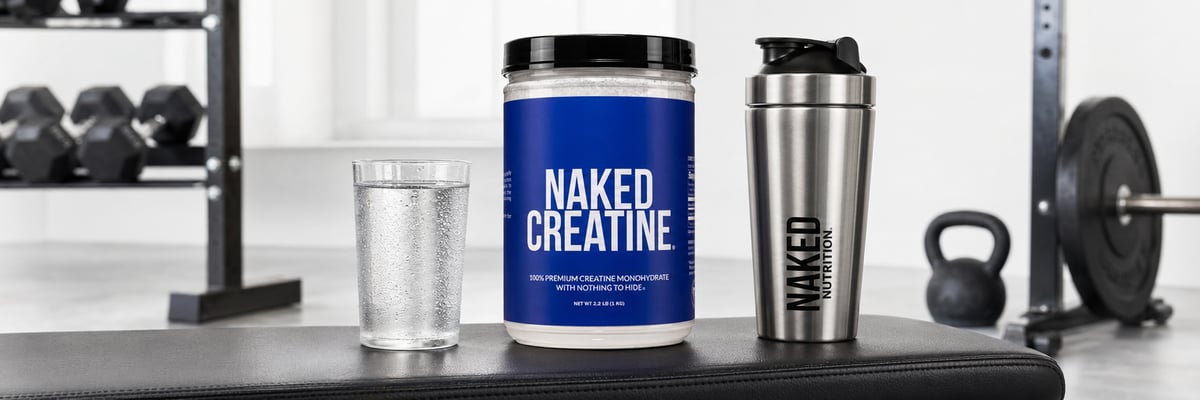
Polvo de Monohidrato de Creatina | Naked Creatine - 2.2LB
- Envío gratis incluido
- Monohidrato de creatina
- Fórmula de creatina
- Fórmulas basadas en evidencia
¿La creatina te hace orinar más? La respuesta corta
Has empezado a tomar creatina, estás bebiendo más agua y de repente haces más viajes al baño. Es una experiencia común, y surge una pregunta común: ¿la creatina está causando esto?
La respuesta directa es no. No hay evidencia científica de que la creatina actúe como diurético o aumente directamente la frecuencia de la micción. La creatina no funciona como la cafeína u otros compuestos que activamente hacen que tus riñones produzcan más orina.
Dicho esto, los informes anecdóticos son lo suficientemente comunes como para tomarlos en serio. Algo está pasando para muchas personas. La explicación es más matizada que un simple sí o no: la creatina influye en cómo tu cuerpo maneja el agua, la gente tiende a beber más cuando suplementa, y un compuesto de desecho llamado creatinina aparece en la orina en cantidades mayores. Cada uno de estos factores contribuye a lo que estás notando. Las secciones a continuación lo desglosan todo.
Cómo funciona la creatina en tu cuerpo

La creatina es un compuesto que se produce de forma natural y se sintetiza en el hígado y los riñones a partir de los aminoácidos arginina, glicina y metionina. También la obtienes de fuentes dietéticas, principalmente carne roja y pescado. Aproximadamente el 95 por ciento de la creatina del cuerpo se almacena en el músculo esquelético, donde cumple un propósito central: la producción rápida de energía.
Durante esfuerzos de alta intensidad y corta duración como levantar pesas pesadas o esprintar, tus músculos consumen trifosfato de adenosina (ATP) más rápido de lo que el metabolismo aeróbico puede reponerlo. La fosfocreatina (PCr) almacenada en las células musculares dona un grupo fosfato al ADP, regenerando ATP casi al instante. Esto es lo que te permite sostener esfuerzos explosivos que de otro modo colapsarían en segundos.
La suplementación con creatina aumenta las reservas totales de fosfocreatina muscular más allá de lo que la dieta por sí sola puede proporcionar. Más PCr almacenada significa más ATP disponible bajo demanda.
- La creatina se almacena en el músculo como fosfocreatina (PCr)
- Durante un esfuerzo intenso, la PCr dona un grupo fosfato al ADP, regenerando ATP en milisegundos
- Más reservas de PCr significan más repeticiones, más potencia y una recuperación más rápida entre series
- La creatina también es osmóticamente activa, lo que significa que atrae agua hacia las células musculares a medida que aumentan las reservas
- Esta retención de agua intracelular es lo que hace que los músculos se vean más llenos y prepara el escenario para las preguntas sobre el agua que vienen a continuación
La actividad osmótica de la creatina es una pieza clave de esta historia. A medida que las concentraciones de creatina aumentan dentro de las células musculares, el agua las sigue. Este desplazamiento de líquido intracelular es beneficioso para el rendimiento y el volumen muscular, pero también es la raíz de la mayoría de las confusiones sobre la creatina y la hidratación.
Creatina y retención de agua: qué está pasando realmente

La creatina es osmóticamente activa. Cuando aumentas tus reservas de creatina muscular, el agua se atrae junto con ella hacia las células musculares, aumentando la concentración de agua . Esto es retención de agua intramuscular, y es el tipo que vale la pena entender claramente.
Esto no es la retención de agua subcutánea que causa una apariencia blanda e hinchada bajo la piel. El agua está entrando en el músculo, por eso los usuarios de creatina suelen notar que sus músculos se ven más llenos y duros, no hinchados. La distinción es importante porque los dos tipos de retención de agua se sienten y se ven completamente diferentes.
Durante una fase de carga (típicamente 20 g por día durante cinco a siete días), este efecto es más pronunciado. Estás saturando rápidamente las reservas musculares, por lo que la absorción de agua intracelular se acelera en las semanas uno y dos. Una vez que pasas a una dosis de mantenimiento de tres a cinco gramos por día, la retención de agua se nivela y estabiliza.
Si la retención de agua pronunciada es una preocupación, vale la pena considerar la creatina HCl. Se disuelve más fácilmente en agua que la creatina monohidrato, lo que según algunas investigaciones puede resultar en una retención de agua ligeramente menor para ciertas personas. La desventaja es que la creatina monohidrato cuenta con un mayor respaldo de investigación que avala su eficacia, y sigue siendo el estándar de oro para la mayoría de los usuarios. Para un análisis más profundo sobre cómo manejar este efecto, la guía sobre retención de agua por creatina cubre los detalles específicos.
¿La creatina te hace orinar más? Analizando las causas reales

Aquí es donde la mayoría de los artículos pierden la sutileza. La pregunta no es solo sobre la creatina en sí. Es sobre todo lo que cambia en tu cuerpo y comportamiento cuando comienzas a suplementarte.
Primero, entiende la diferencia entre creatina y creatinina. La creatinina es un producto de desecho metabólico producido cuando la creatina se descompone en el tejido muscular. Es filtrada por los riñones y excretada en la orina. Cuando suplementas con creatina y aumentas el recambio de creatina muscular, más creatinina termina en tu orina. Esto es normal, esperado y no representa un problema de salud para personas sanas. Lo que puede hacer es alterar ligeramente la apariencia de la orina, lo que algunas personas interpretan como una señal de que algo está mal. No lo está.
En segundo lugar, y lo más importante: el aumento en la ingesta de agua es la causa indirecta principal de la micción más frecuente. Muchas personas beben conscientemente más agua cuando comienzan a tomar creatina, ya sea porque han leído que deben hacerlo o porque están prestando más atención a su salud en general. Bebe más, orina más. La creatina es incidental.
También hay que tener en cuenta la variabilidad individual. Algunas personas son más sensibles a los cambios en el equilibrio de líquidos que otras. Si eres alguien que nota cada cambio en el estado de hidratación, probablemente notarás más micciones. Otros no percibirán ninguna diferencia.
📊 Lo que dice la investigación
Una revisión publicada en el Journal of Athletic Training examinó marcadores de hidratación en usuarios de creatina y no encontró un aumento significativo en los marcadores asociados con la deshidratación, incluyendo la osmolalidad plasmática y la gravedad específica de la orina. La creatina no alteró el equilibrio de líquidos de manera que el cuerpo produjera orina en exceso. Los aumentos en las visitas al baño reportados anecdóticamente son conductuales, no bioquímicos.
Durante la fase de carga específicamente, dosis diarias más altas (20 g divididos en cuatro tomas) amplifican simultáneamente el comportamiento de ingesta de agua y la excreción de creatinina. Esta es la etapa en la que la mayoría de las personas nota cambios en la frecuencia urinaria. Ambos efectos disminuyen una vez que se pasa a la dosis de mantenimiento.
¿La creatina te deshidrata?
La preocupación por la deshidratación proviene de una cadena lógica pero errónea de razonamiento: la creatina atrae agua hacia los músculos, por lo que debe haber menos agua disponible en otras partes, por lo que debes estar deshidratado. La evidencia no respalda esta conclusión.
Los informes sugieren que la creatina puede realmente beneficiar el rendimiento en condiciones de calor o humedad al apoyar la termorregulación, reducir la frecuencia cardíaca durante el ejercicio y aumentar la eficiencia de la sudoración. Ese último punto a veces se malinterpreta como un riesgo de deshidratación. No lo es. Sudar de manera más eficiente significa una mejor disipación del calor, no una pérdida peligrosa de líquidos.
La investigación más relevante sobre esto examinó biomarcadores específicos de deshidratación en usuarios de creatina, incluyendo la osmolalidad plasmática y la gravedad específica de la orina. Ninguno de estos marcadores indicó deshidratación. La suplementación con creatina no alteró el equilibrio de líquidos de manera clínicamente significativa.
La guía práctica aquí es simple: bebe agua en un nivel apropiado para la intensidad de tu entrenamiento y el entorno. No necesitas aumentar dramáticamente tu ingesta por encima de las recomendaciones normales. Mantente bien hidratado porque haces ejercicio intenso, no porque la creatina lo exija.
Beneficios clave de la suplementación con creatina

Unas cuantas visitas extra al baño son un pequeño precio a pagar cuando ves lo que la creatina realmente ofrece. Es uno de los suplementos más estudiados que existen, con hallazgos consistentes a lo largo de décadas de investigación.
- Fuerza y potencia: Más fosfocreatina significa más ATP reciclado durante esfuerzos explosivos, aumentando directamente el número de repeticiones y la carga que puedes manejar.
- Recuperación más rápida: La creatina reduce los niveles de creatina quinasa después de entrenamientos intensos, un marcador inflamatorio asociado con el daño muscular. Menores niveles de creatina quinasa significan menos dolor y una recuperación más rápida entre sesiones.
- Crecimiento muscular: Al promover la síntesis de proteínas y aumentar la hidratación intracelular, la creatina crea condiciones que favorecen la hipertrofia muscular con el tiempo.
- Apoyo al entrenamiento de alta intensidad: Powerlifting, sprints, HIIT, saltos. Cualquier actividad que dependa de ráfagas cortas de esfuerzo máximo responde bien a la suplementación con creatina.
- Rendimiento cognitivo: Investigaciones emergentes señalan beneficios durante la fatiga mental, la privación de sueño y tareas cognitivamente exigentes, con alguna evidencia de propiedades neuroprotectoras.
El aspecto cognitivo merece una mención específica. Los estudios han mostrado mejoras medibles en tareas que requieren memoria y velocidad de procesamiento, especialmente cuando el cerebro está bajo estrés por fatiga o falta de sueño. La creatina no es solo un suplemento para músculos. Apoya cualquier tejido con alta demanda de energía.
Para una opción limpia, de un solo ingrediente, sin rellenos ni aditivos, Naked Creatine es creatina monohidrato pura sin nada más añadido. Si vas a suplementarte, comienza con la forma que tiene la base de evidencia más sólida.
Cómo tomar creatina: consejos de dosificación y momento

Ajustar bien la dosis también influye directamente en cuánto notarás la interrupción relacionada con la micción. Esto es lo que respalda la investigación.
Fase de carga (opcional): 20 gramos por día, divididos en cuatro dosis de cinco gramos, durante cinco a siete días. Esto satura rápidamente los depósitos musculares y produce resultados iniciales más rápidos. También produce la retención de agua más pronunciada y los cambios más notorios en la frecuencia de micción. Omitir la fase de carga elimina la mayor parte de esto. Los depósitos musculares aún se saturan en dos a cuatro semanas con la dosis de mantenimiento sin cambios drásticos en los líquidos.
Fase de mantenimiento: Tres a cinco gramos por día. Esto es todo lo que necesitas para mantener los depósitos de creatina muscular una vez alcanzada la saturación. A esta dosis, la mayoría de las personas no nota cambios significativos en los hábitos de micción.
El momento es realmente flexible. Se ha demostrado que tanto la suplementación antes como después del entrenamiento es efectiva. La consistencia diaria importa más que el minuto exacto en que la tomes. Mézclala en agua, jugo o un batido de proteínas. El monohidrato de creatina se disuelve más fácilmente en líquidos tibios.
- Si la frecuencia de ir al baño es un problema, omite la fase de carga y ve directamente a tres a cinco gramos por día
- Toma creatina más temprano en el día si notas un aumento en la micción nocturna
- No busques un aumento dramático en la ingesta de agua. Bebe según la sed y la demanda del entrenamiento
- Espera de dos a cuatro semanas para alcanzar la saturación completa sin fase de carga
La fase de carga es un atajo para obtener resultados, no un requisito. Si los cambios tempranos en el agua te molestan, sáltatela. Llegarás al mismo lugar, solo unas semanas después.
Creatina y micción: la conclusión

La creatina no te hace orinar más en un sentido directo o farmacológico. Ninguna investigación respalda la idea de que actúe sobre los riñones o la vejiga como lo haría un diurético. Lo que hace es desencadenar una cadena de efectos indirectos: las personas beben más agua, los músculos retienen líquido intracelular y la excreción de creatinina en la orina aumenta como un subproducto normal del mayor recambio de creatina.
Si notas que vas más al baño, primero revisa tu ingesta de agua. Esa es casi con certeza la explicación. Si quieres reducir el efecto, omite la fase de carga y toma de tres a cinco gramos al día desde el principio. Los cambios en la frecuencia serán mínimos o inexistentes.
No dejes que una anécdota sobre la micción te impida usar uno de los suplementos más respaldados en la nutrición deportiva. Toma creatina de forma constante, bebe agua adecuada a tu entrenamiento y deja que los resultados hablen por sí mismos.
Preguntas frecuentes
¿La creatina hace que orines con más frecuencia?
La creatina en sí no causa directamente un aumento en la micción, pero la mayor ingesta de agua recomendada junto con la suplementación puede llevar a más visitas al baño. Dado que la creatina atrae agua hacia las células musculares, tu cuerpo puede indicarte que bebas más líquidos, lo que naturalmente aumenta la producción de orina. Esta es una respuesta normal y saludable, no un efecto secundario de la creatina en sí.
¿Por qué mi orina se ve diferente después de tomar creatina?
Algunas personas notan que su orina parece un poco espumosa o tiene un olor diferente después de comenzar a suplementarse con creatina, lo cual puede estar relacionado con la mayor excreción de creatinina, un subproducto metabólico. Mientras tu orina se mantenga de color amarillo pálido a clara, generalmente no es motivo de preocupación. Sin embargo, si notas orina oscura o constantemente espumosa, vale la pena consultar a un profesional de la salud para descartar problemas renales.
¿La micción frecuente al tomar creatina es un signo de daño renal?
En personas saludables, el aumento de la micción por el uso de creatina no es un signo de daño renal y suele ser solo resultado de una mayor ingesta de líquidos. Las investigaciones muestran consistentemente que la suplementación con creatina en dosis recomendadas no daña la función renal en personas sin condiciones renales preexistentes. Si tienes preocupaciones sobre la salud de tus riñones, consulta a tu médico antes de comenzar cualquier régimen con creatina.
¿Cuánta agua debo beber al tomar creatina?
La mayoría de los expertos recomienda beber al menos 8–10 vasos de agua al día al suplementarse con creatina, aunque tus necesidades pueden aumentar según el nivel de actividad, peso corporal y clima. Una hidratación adecuada ayuda a que la creatina funcione eficazmente al apoyar la absorción de agua en las células musculares y mantener la salud general de los riñones. Mantenerse bien hidratado también minimiza el riesgo de efectos secundarios como calambres musculares o molestias digestivas.
¿La fase de carga de creatina causa más micción que la dosis normal?
Sí, durante la fase de carga de creatina — típicamente 20 gramos al día divididos en cuatro dosis durante 5–7 días — algunos usuarios reportan un aumento más notable en la micción debido a la ingesta significativamente mayor de líquidos requerida. El cuerpo también puede excretar más creatina en exceso durante esta fase, ya que los músculos solo pueden absorber cierta cantidad a la vez. Una vez que se pasa a una dosis estándar de mantenimiento de 3–5 gramos al día, los niveles de micción suelen normalizarse.
¿Cuál es la dosis diaria recomendada de creatina para evitar efectos secundarios no deseados?
La dosis de mantenimiento más investigada y recomendada para el monohidrato de creatina es de 3 a 5 gramos por día, efectiva para la mayoría sin causar efectos secundarios innecesarios. Tomar más de la cantidad recomendada no mejora los resultados y puede simplemente hacer que tu cuerpo excrete el exceso de creatina a través de la orina. Seguir la dosis basada en evidencia es la mejor manera de maximizar beneficios y minimizar efectos secundarios.
¿Es seguro el monohidrato de creatina para uso a largo plazo?
El monohidrato de creatina es uno de los suplementos deportivos más estudiados y se ha demostrado que es seguro para uso a largo plazo en adultos sanos cuando se toma en dosis recomendadas. Estudios de varios años no han encontrado efectos adversos en los riñones, hígado ni en marcadores generales de salud en personas sin condiciones preexistentes. Como con cualquier suplemento, es recomendable consultar periódicamente con tu proveedor de salud, especialmente si lo tomas de forma continua por períodos prolongados.
¿La creatina de Naked Nutrition contiene rellenos o aditivos que puedan afectar la micción?
Naked Creatine contiene solo un ingrediente: monohidrato de creatina 100% puro, sin rellenos, aditivos, sabores artificiales ni edulcorantes que puedan irritar la vejiga o los riñones. Esta formulación limpia significa que cualquier cambio en la micción que experimentes se debe únicamente a la creatina y tus hábitos de hidratación, no a ingredientes ocultos. La creatina de Naked Nutrition también es probada por terceros, por lo que puedes confiar en que lo que dice la etiqueta es exactamente lo que contiene el producto.
Selección de Productos Destacados
Elegido por más de 1 millón de clientes. Envío gratis en pedidos superiores a $100.
Polvo de Monohidrato de Creatina | Naked Creatine - 2.2LB
$35.99
- ✓ 100% monohidrato de creatina premium
- ✓ Grado más alto disponible: se disuelve rápido y se absorbe rápidamente
- ✓ 5g de creatina por porción
- ✓ Sin edulcorantes, sabores ni colores artificiales

Polvo de Monohidrato de Creatina de Limón y Lima | Naked Creatine - 1.1LB
$29.99
- ✓ 100% monohidrato de creatina premium
- ✓ Grado más alto disponible: se disuelve rápido y se absorbe rápidamente
- ✓ 5g de creatina por porción
- ✓ Sin edulcorantes, sabores ni colores artificiales

Polvo de Creatina HCl de Frambuesa y Lima | Naked Lean Creatine - 231g
$34.99
- ✓ 750 mg de Creatina HCl Con-Cret®
- ✓ Nopal orgánico para un equilibrio natural de agua
- ✓ Altamente potente: rendimiento muscular superior con dosis más bajas
- ✓ Electrolitos críticos para una absorción óptima de creatina