


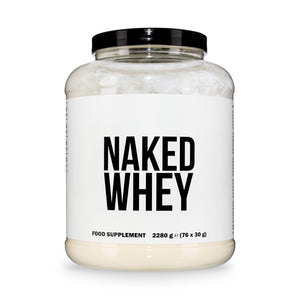

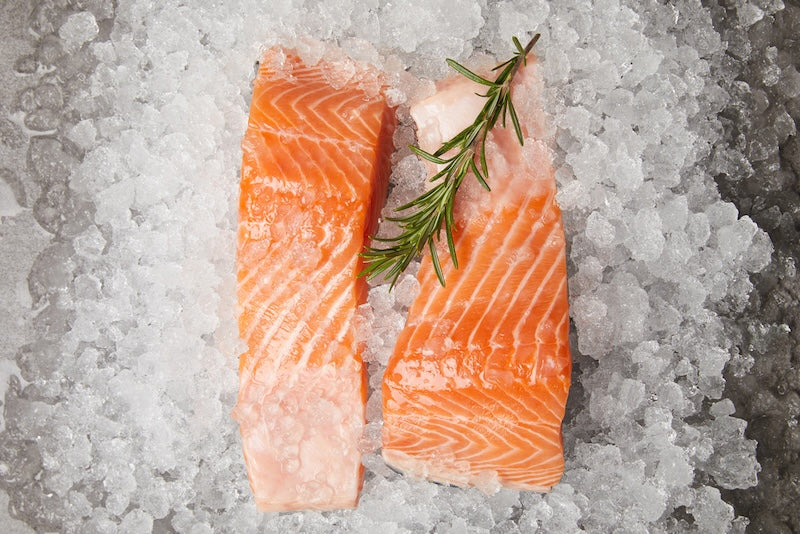

High protein foods are those that pack a lot of protein per serving, and the richest sources are animal foods: chicken, turkey, lean beef, fish, eggs, and dairy like Greek yogurt and cottage cheese. The best plant sources include lentils, beans, tofu, tempeh, edamame, and seeds. Most adults benefit from spreading 20 to 30 grams of protein across each meal to support muscle, fullness, and recovery. Building each meal around one of these foods is the simplest way to hit your daily protein target.
The bottom line: protein is the nutrient most people are happiest to get more of, because it builds and maintains muscle, keeps you full, and supports recovery. The trick is knowing which foods deliver the most, and in what amounts, so you can plan meals that actually reach your goal. Below is an organized list of high-protein foods across every category, with protein amounts per serving, the highest-protein options ranked, and simple ways to eat more protein each day.
What Counts as a High-Protein Food?
A "high protein" food is one where protein makes up a large share of its calories, and it delivers a meaningful amount per serving, generally 10 grams or more. Animal foods top the list because they are protein-dense and "complete," meaning they contain all the essential amino acids your body needs. Many plant foods are also protein-rich, though most are lower in one or more essential amino acids, which can be easily solved by eating a variety of them.
It helps to think in terms of protein per serving and protein per calorie. Lean foods like chicken breast, white fish, egg whites, and Greek yogurt give you a lot of protein for relatively few calories, which is ideal when you want protein without excess calories.
Why Eating Enough Protein Matters

Protein is not just for athletes. It does essential work for everyone:
-
Builds and preserves muscle. Adequate protein supports muscle mass and strength, especially with resistance training, and helps prevent muscle loss with age [2][4].
-
Keeps you full. Protein is the most satiating nutrient, which helps control appetite and supports a healthy weight [1][3].
-
Supports recovery and repair. Your body uses amino acids from protein to repair tissues, make enzymes and hormones, and recover from exercise.
-
Helps with weight management. By keeping you full and slightly raising the energy you burn digesting food, protein makes a calorie deficit easier to sustain [3].
How Much Protein Do You Need?
The baseline to avoid deficiency is about 0.8 grams per kilogram of body weight, but most active people, those building muscle, and older adults do better with more, roughly 1.2 to 1.6 grams per kilogram per day [1][2]. In practical terms, aim for about 20 to 30 grams of protein per meal, which is the amount tied to better appetite control and muscle support [1]. We break this down further in how much protein to build muscle and lose fat.
High-Protein Animal Foods (Meat and Poultry)

Meat and poultry are among the most protein-dense foods available:
|
Food |
Serving |
Protein (approx.) |
|---|---|---|
|
Chicken breast |
4 oz cooked |
~35 g |
|
Turkey breast |
4 oz cooked |
~34 g |
|
Lean beef (sirloin) |
4 oz cooked |
~33 g |
|
Pork loin |
4 oz cooked |
~30 g |
|
Lean ground beef (90%) |
4 oz cooked |
~28 g |
|
Lamb |
4 oz cooked |
~30 g |
High-Protein Seafood
Fish and shellfish offer high-quality protein, often with heart-healthy fats:
|
Food |
Serving |
Protein (approx.) |
|---|---|---|
|
Tuna |
4 oz cooked |
~33 g |
|
Salmon |
4 oz cooked |
~29 g |
|
Cod |
4 oz cooked |
~26 g |
|
Shrimp |
4 oz cooked |
~24 g |
|
Tilapia |
4 oz cooked |
~30 g |
|
Canned tuna |
1 can (5 oz) |
~30 g |
High-Protein Dairy and Eggs

Dairy and eggs are affordable, versatile, complete-protein staples:
|
Food |
Serving |
Protein (approx.) |
|---|---|---|
|
Greek yogurt (plain) |
1 cup |
~20 g |
|
Cottage cheese |
1 cup |
~25 g |
|
Eggs |
2 large |
~12 g |
|
Milk |
1 cup |
~8 g |
|
Cheese |
1 oz |
~7 g |
|
Whey protein powder |
1 scoop |
~25 g |
If dairy bothers your stomach, note that whey does contain some lactose; we cover that in does whey protein have lactose.
High-Protein Plant Foods

Plant foods can deliver plenty of protein, and they bring fiber and other nutrients along with it:
|
Food |
Serving |
Protein (approx.) |
|---|---|---|
|
Lentils |
1 cup cooked |
~18 g |
|
Edamame |
1 cup |
~18 g |
|
Tofu |
4 oz |
~10 g |
|
Tempeh |
4 oz |
~20 g |
|
Black beans/chickpeas |
1 cup cooked |
~15 g |
|
Pea or rice protein powder |
1 scoop |
~20-25 g |
|
Seitan |
3 oz |
~20 g |
|
Peanut butter |
2 tbsp |
~8 g |
|
Quinoa |
1 cup cooked |
~8 g |
|
Pumpkin or hemp seeds |
1 oz |
~9 g |
The Highest-Protein Foods, Ranked
If you want the most protein per serving, these are the heavy hitters: chicken breast, turkey, and lean beef (around 30 to 35 grams per 4 ounces), tuna and other fish (26 to 33 grams), cottage cheese and a whey shake (around 25 grams), and Greek yogurt, tempeh, lentils, and edamame (around 18 to 20 grams). For protein per calorie, the leanest standouts are chicken breast, white fish, shrimp, egg whites, and plain Greek yogurt, which give you maximum protein for minimum calories.
Complete vs. Incomplete Proteins
Proteins are made of amino acids, nine of which are "essential" because your body cannot make them. A complete protein contains all nine in good amounts; an incomplete protein is low in one or more.
Animal foods (meat, fish, eggs, dairy) are complete. Most single-plant foods are incomplete, but this is easy to work around: eating a variety of plant proteins across the day, such as beans with rice, or pairing legumes with grains and seeds, covers all the essential amino acids. Soy foods (tofu, tempeh, edamame) and quinoa are notable plant sources that are essentially complete on their own. For a deeper look, see our guide to complete vs. incomplete protein and how to get your essential amino acids from diet.
Best High-Protein Foods for Your Goal

Match your choices to what you are after:
-
For weight loss: prioritize lean, high-protein-per-calorie foods, chicken breast, white fish, shrimp, egg whites, plain Greek yogurt, cottage cheese, and legumes. Maximum fullness for the fewest calories.
-
For building muscle: any quality protein works; complete sources like whey, eggs, dairy, meat, and fish are especially effective, paired with enough total protein and training.
-
For plant-based eaters: lean on lentils, beans, tofu, tempeh, edamame, seitan, and a pea or rice protein powder, mixing sources for complete amino acids.
-
On a budget: eggs, canned tuna, cottage cheese, Greek yogurt, milk, lentils, and dried beans give you the most protein per dollar.
Protein Quality and How Well Your Body Uses It

Not all proteins are used by your body equally well. Two factors matter: the amino acid profile (whether it has all the essentials in good amounts) and digestibility (how much your body actually absorbs). Animal proteins tend to score high on both, which is why they are so efficient for building muscle. Most plant proteins are slightly less digestible and lower in one or two amino acids, which is why variety matters on a plant-based diet.
One amino acid worth knowing is leucine, the main trigger for muscle building. Animal foods, especially dairy and eggs, are rich in it. This does not mean plant eaters cannot build muscle; it means they benefit from eating a bit more total protein and combining sources. The practical takeaway: if muscle is your goal, lean on complete proteins or combine plant sources thoughtfully, and make sure your total daily protein is on point.
Common Myths About High-Protein Foods
A few persistent myths are worth clearing up:
-
"You can only absorb 30 grams of protein at a time." Your body absorbs essentially all the protein you eat; the "30 grams" idea refers to how much maximally stimulates muscle building in one sitting, not how much you digest. Larger amounts are still used by the body in other ways.
-
"High protein damages your kidneys." In healthy people, higher protein intake from food is not shown to harm the kidneys. The caution applies to those with existing kidney disease.
-
"Plant protein cannot build muscle." It can. A varied plant-based diet with enough total protein supports muscle just fine; it simply takes a little more attention to variety and amount.
-
"More protein is always better." The muscle benefit plateaus around 1.6 g/kg/day for most people [2], so extreme intakes are unnecessary.
How to Eat More Protein Each Day
Reaching your protein target is mostly about a few simple habits:
-
Anchor every meal with a protein. Decide on your protein first, then build the rest of the plate around it.
-
Upgrade snacks. Swap chips or crackers for Greek yogurt, cheese, jerky, or edamame.
-
Use a shake to fill gaps. A clean single-ingredient protein powder adds 20 to 25 grams quickly on days you fall short.
-
Keep easy proteins on hand. Pre-cooked chicken, hard-boiled eggs, canned fish, and yogurt make hitting your target effortless.
-
Spread it out. Aim for protein at every meal rather than loading it all at dinner [1].
Frequently Asked Questions
What foods are highest in protein? Per serving, chicken breast, turkey, lean beef, and fish lead (around 30 to 35 grams per 4 ounces), followed by cottage cheese, a whey shake, Greek yogurt, tempeh, lentils, and edamame.
What is the best high-protein food for weight loss? Lean, high-protein-per-calorie foods like chicken breast, white fish, shrimp, egg whites, and plain Greek yogurt give the most protein for the fewest calories [1].
What are high-protein foods for vegetarians and vegans? Lentils, beans, chickpeas, tofu, tempeh, edamame, seitan, quinoa, seeds, and plant protein powders. Mix sources to cover all essential amino acids.
How much protein should I eat per meal? About 20 to 30 grams per meal is a practical target that supports fullness and muscle [1]. Spreading protein evenly across your meals is slightly better than eating most of it at a single meal.
Are plant proteins as good as animal proteins? Animal proteins are complete and very efficient for muscle, but a varied plant-based diet can absolutely meet your needs; just combine different plant sources across the day.
What is the highest protein food per calorie? Very lean, protein-dense foods like skinless chicken breast, white fish, shrimp, egg whites, and plain nonfat Greek yogurt give the most protein for the fewest calories, which is ideal for weight loss.
Do I need protein powder if I eat high-protein foods? No. Whole foods can fully cover your needs. A protein powder is just a convenient way to fill gaps on busy days or when your target is high; it is optional, not required.
What are good high-protein foods for muscle gain? Complete proteins like eggs, dairy, whey, lean meat, and fish are especially effective for muscle, alongside enough total daily protein and resistance training [2][4].
Conclusion
High-protein foods are the foundation of a diet that supports muscle, fullness, and a healthy weight.
-
The richest sources are animal foods (meat, fish, eggs, dairy), with strong plant options in legumes, soy foods, and seeds [2][4].
-
Aim for about 20 to 30 grams of protein per meal, choosing leaner, protein-dense foods when you want protein without excess calories [1].
-
Build each meal around a protein, upgrade your snacks, and use a shake to fill gaps.
You do not need to track every gram. Just make a high-protein food the centerpiece of each meal and snack, lean on the lists above, and you will comfortably hit your daily protein without much effort. Keep a few easy proteins stocked, vary your sources between animal and plant options, and the rest takes care of itself, no complicated diet required.
References
-
Leidy HJ, et al. (2015). The role of protein in weight loss and maintenance. American Journal of Clinical Nutrition. doi.org/10.3945/ajcn.114.084038
-
Morton RW, et al. (2018). A systematic review, meta-analysis and meta-regression of the effect of protein supplementation on resistance training-induced gains in muscle mass and strength. British Journal of Sports Medicine. doi.org/10.1136/bjsports-2017-097608
-
Moon J, Koh G (2020). Clinical Evidence and Mechanisms of High-Protein Diet-Induced Weight Loss. Journal of Obesity & Metabolic Syndrome. doi.org/10.7570/jomes20028
-
Nunes EA, et al. (2022). Systematic review and meta-analysis of protein intake to support muscle mass and function in healthy adults. Journal of Cachexia, Sarcopenia and Muscle. doi.org/10.1002/jcsm.12922