



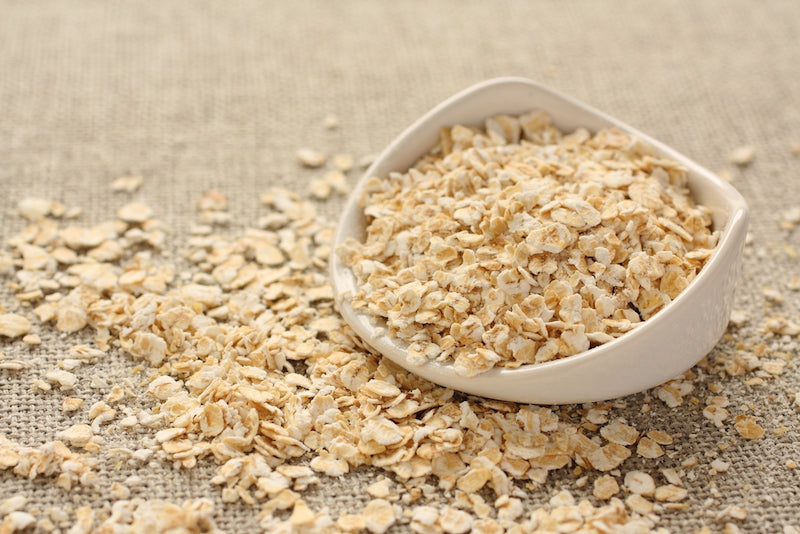

Losing weight is tough. It’s even tougher to know what foods are good for weight loss. If you are trying to lose weight, you may be wondering if oats are a good food to help you with that.
The answer is yes! Oats are a great food to incorporate into a healthy weight loss plan. So if you’re an oat lover, be sure to keep reading.
Oats and Weight Management
There are a variety of reasons oats are an excellent food to help with weight loss and managing a healthy weight. Below is a breakdown of some of the main nutrients in oats that make them shine as a weight-loss food.
Protein
While oats are considered a carbohydrate source, meaning the majority of the calories in oats come from carbs, they do contain a small portion of protein which can help you feel more full during meals.
Consuming a protein-rich diet is associated with improvements in both satiety and weight management. A ½ cup of uncooked oats contains about 5 grams of protein [1, 2].
To get the most out of oats and weight loss, consider adding additional protein sources to your oats to further boost satiety, such as nuts, seeds, nut butter, egg whites, greek yogurt, or protein powder.

Fiber
Oats are a rich source of fiber, with about 5 grams of fiber per ½ cup of uncooked oats. That’s a whopping 28% of the recommended daily value (%DV) in just one serving [2].
The main type of fiber found in oats is soluble fiber which can be particularly helpful for those looking to drop a few pounds. Soluble fiber soaks up water and swells into a viscous consistency which slows digestion and promotes satiety [3].
Calories
Oats are relatively low in calories, containing about 150 calories per ½ cup. This combined with the high fiber content makes it an exceptional option for those looking to lose weight. It is filling while also light on calories compared to many other foods.
Can Oats Keep Me Full?
As mentioned above, oats contain a good source of soluble fiber which promotes satiety. It does this in several ways including slowing how quickly our stomach empties food, aiding in regulating key hormones for appetite control, and slowing the rate of insulin release following a meal which is linked to improved appetite control [4, 5, 6].
Can Oats Help Maintain Stable Energy?
The fiber in oats helps to encourage a slow release of glucose to the gut. This in turn creates a slower and more controlled release of insulin which helps to reduce insulin spikes.
A more controlled release of insulin allows for a more steady supply of energy for your body to use compared to simple carbohydrates, such as soda, white rice, or white bread which provide a quick burst of energy that is short-lived [6].

How to Increase Protein in Oats?
If you want to use oats to help with your weight loss journey, consider bumping up the protein content to increase satiety and get the most out of this nutritious cereal. Add easy protein options to your oatmeal such as nuts, seeds, nut butter, egg whites, greek yogurt, or protein powder.
For those who are always on the run, try a convenient alternative such as Naked Oats, which contains 20 grams of protein and a whopping 9 grams of fiber per serving and can be easily prepped the night before to grab and go in the morning.
When Should I Eat Oats?
Oats can be eaten at any time of day however, they tend to be a breakfast favorite for good reason. Since oats are ideal for providing sustainable energy, they are a great option to fuel your day.
Choose oats for breakfast or a mid-morning snack to keep your energy levels up while also hitting your goals.
Other Health Benefits of Oats?
Aside from helping with weight loss, oats can provide a variety of health benefits. The soluble fiber in oats can help improve heart health by supporting healthy cholesterol levels. It also helps aid in gut health and bowel regularity [3].
Additionally, oats are rich in a variety of essential vitamins, minerals, and antioxidants which can help to reduce the risk of developing various chronic diseases such as heart disease, type 2 diabetes, and cancer [3].
Can Oats Make Me Gain Weight?

Like any food, oats can be overeating which can result in weight gain. Oats on their own will not directly cause weight gain but rather, overeating in general.
Whether you are on a weight loss journey or simply trying to maintain a healthy weight, it’s important to practice portion control with your meals and snacks. A portion of oatmeal is about ½ cup uncooked.
Are Oats Gluten Free?
Oats are a naturally gluten-free food however, they can become contaminated with gluten during processing.
If you are following a gluten-free diet due to an allergy, intolerance, or condition such as Celiac disease, be sure to choose oats with the “Certified Gluten-Free” seal on the label to ensure they have not been contaminated.