
Protein
What Is Protein Coffee? Everything You Need to Know About This Popular Trend
Protein coffee is exactly what it sounds like: coffee that's been enhanced with added protein, either from natural coffee bean proteins or by combining regular brewed coffee with protein powder supplements. This combination delivers both the energy benefits of caffeine and the nutritional advantages of protein in a single convenient beverage that supports muscle maintenance, curbs hunger, and provides sustained...

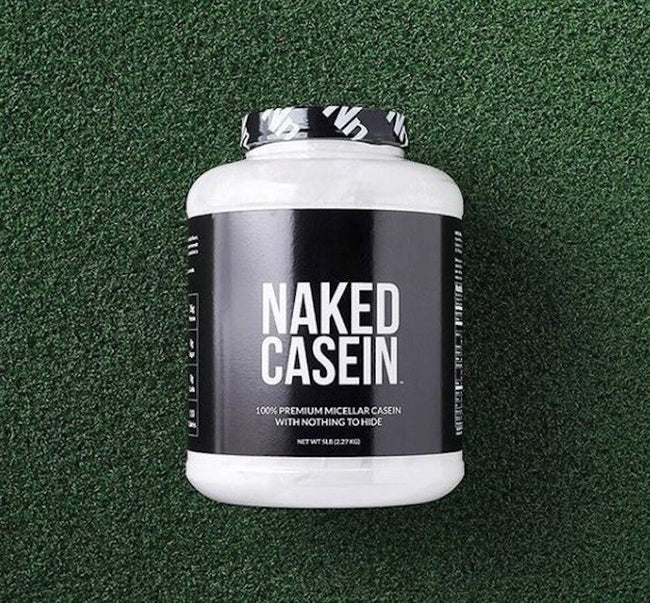
What Is Casein Protein and Should You Use It? Complete 2026 Guide to Slow-Release Protein
The direct answer: Casein protein is a slow-digesting milk protein that provides sustained amino acid release for up to 7 hours, making it particularly beneficial for overnight muscle recovery, satiety, and situations requiring prolonged protein availability. Research shows casein supports muscle protein synthesis differently than whey, with unique advantages for specific timing and goals [1,2,3]. Many people wonder whether casein...
Can Weight Gainer Protein Help Cancer Patients? Research-Backed Guide for 2025
Best Protein Powder to Mix With Coffee
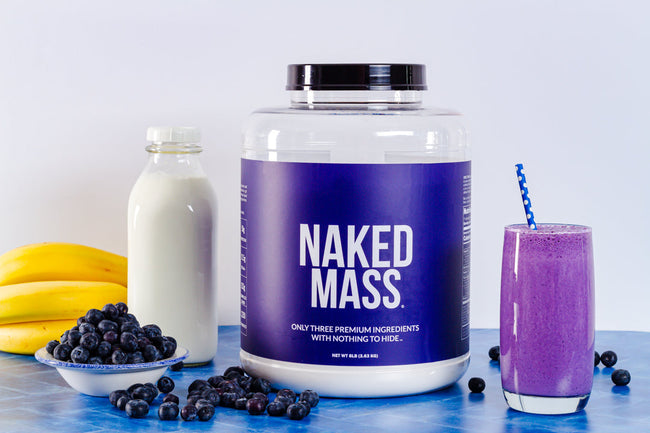
If you want to increase your protein intake, squeezing it in during snacks and meals can sometimes feel a bit much. Thankfully, protein powders exist but they aren’t always easy to incorporate, especially if you are new to making your own shakes. Enter protein coffee, aka Proffee. This new trend involves incorporating a protein powder or shake into your morning...


Best Protein Powder for Children: Evidence-Based Safety Guide for Parents 2025
11 min read
Is Organic Whey Protein Healthier? Evidence-Based Analysis 2025
The bottom line: Current research shows no significant health advantages of organic whey protein over conventional forms. Both types provide identical muscle-building, metabolic, and recovery benefits that make whey protein valuable for health and performance [1, 2]. **Disclaimer: This article is for informational purposes only and does not constitute medical or nutritional advice. Always consult a qualified healthcare provider or...
What Are the Common Side Effects of Whey Protein? Complete 2025 Safety Guide
While there is the generic worry of supplements causing negative reactions, is whey protein really much of a concern? In this article, we look at the possible side effects.
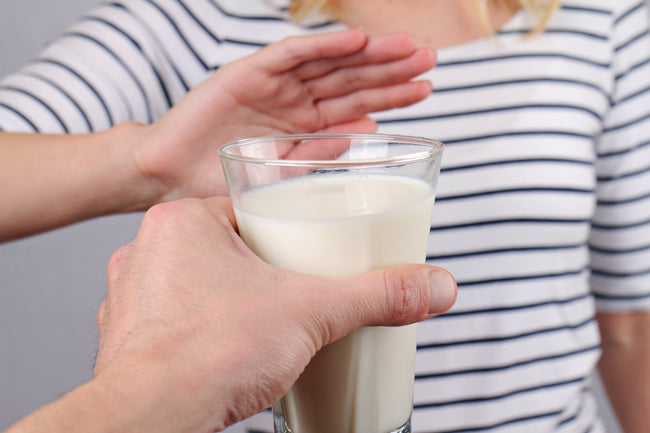
Is Vegan Protein Powder Good for You? A Complete Evidence-Based Guide
Yes, vegan protein powder can be good for you when chosen wisely and used appropriately. Research shows that high-quality plant-based protein powders can effectively support muscle recovery, provide essential amino acids, and offer additional health benefits beyond protein alone [1,2]. However, their nutritional value depends heavily on the specific plant protein sources used, how well they address amino acid completeness,...

What Is Protein Denaturation? Your Complete Guide to Understanding Protein Structure and Quality
Many people wonder whether protein denaturation destroys the nutritional value of their supplements and food. The direct answer is that protein denaturation changes protein structure without eliminating amino acid content, meaning denatured proteins retain their fundamental nutritional value for muscle building, recovery, and health [1,2,3]. If you've ever worried that cooking your chicken breast or choosing a processed protein powder...
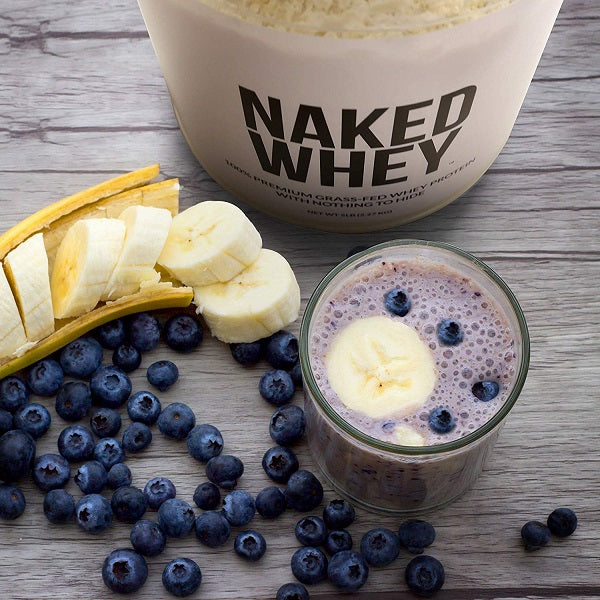
Best Whey Protein for Diabetics: Evidence-Based Guide to Blood Sugar Control 2025
The bottom line: Research consistently shows that whey protein supplementation improves blood sugar control in people with type 2 diabetes by reducing post-meal glucose spikes, increasing insulin sensitivity, and stimulating beneficial gut hormones. Whey protein isolate or hydrolysate forms, consumed in doses of 10 to 50 grams before or with meals, provide the most effective glycemic benefits [1, 2, 3]....

Goat Whey vs Cow Whey Protein: Which Is Better for Your Health Goals? Evidence-Based Analysis 2025
The bottom line: Research shows that goat whey protein contains more immune-related proteins and is generally more digestible than cow whey protein, making it potentially superior for individuals with digestive sensitivities or those seeking enhanced immune support. However, both provide excellent muscle-building benefits and nutritional value [1, 2, 3]. **Disclaimer: This article is for informational purposes only and does not...
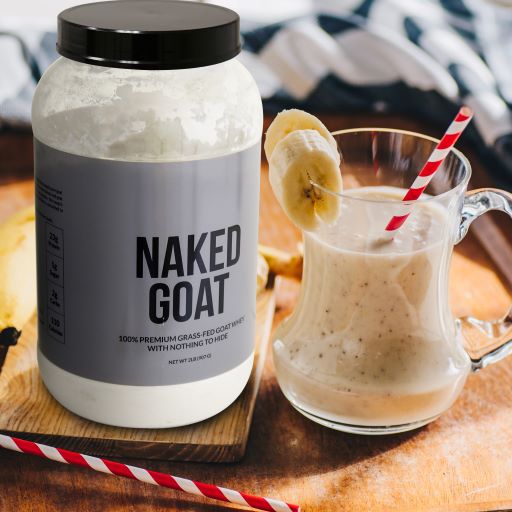
How to Choose the Best Weight Gainer Supplement for Your Goals: Evidence-Based Guide 2025
Weight gainer supplements may seem straightforward, but they're actually more complicated than you may think. Here's what to look for when choosing the best weight gainer supplement.
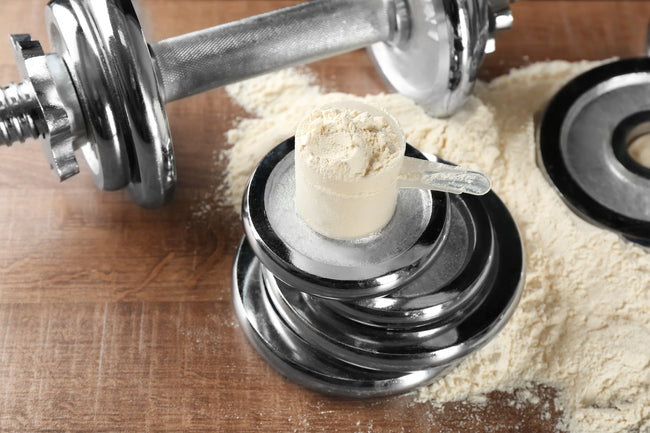
Casein vs Whey Protein: Which Is Better for Your Goals? Evidence-Based Analysis 2025
The bottom line: Research shows that whey protein digests rapidly and stimulates muscle protein synthesis more acutely, making it ideal for post-workout recovery, while casein digests slowly and provides sustained amino acid release for overnight muscle maintenance. Both are high-quality proteins that produce similar long-term muscle-building results when total protein intake is matched [1, 2, 3]. How Do Casein and...