




On this page
Does Creatine Expire? Shelf Life and Safety Explained
Find out how long creatine really lasts, how to spot expired powder, and whether it's still safe to take past the best-by date.

Key Takeaways
- Yes, creatine expires: Most creatine products carry a 2-3 year shelf life, but creatine monohydrate can remain potent well beyond that date when stored correctly.
- Degradation, not danger: Expired creatine won't make you sick. The real issue is that creatine slowly converts to creatinine, a waste product with no performance benefit.
- Know the warning signs: Clumping, a fishy or ammonia-like odor, discoloration, or off-flavor all signal reduced quality, even if the product isn't technically dangerous.
- Storage is everything: A cool, dry, airtight container in a pantry or cupboard is all it takes to maximize your creatine's usable life.
- Form matters: Creatine monohydrate is the most shelf-stable form available. Liquid creatine, creatine ethyl ester, and creatine salts degrade significantly faster.

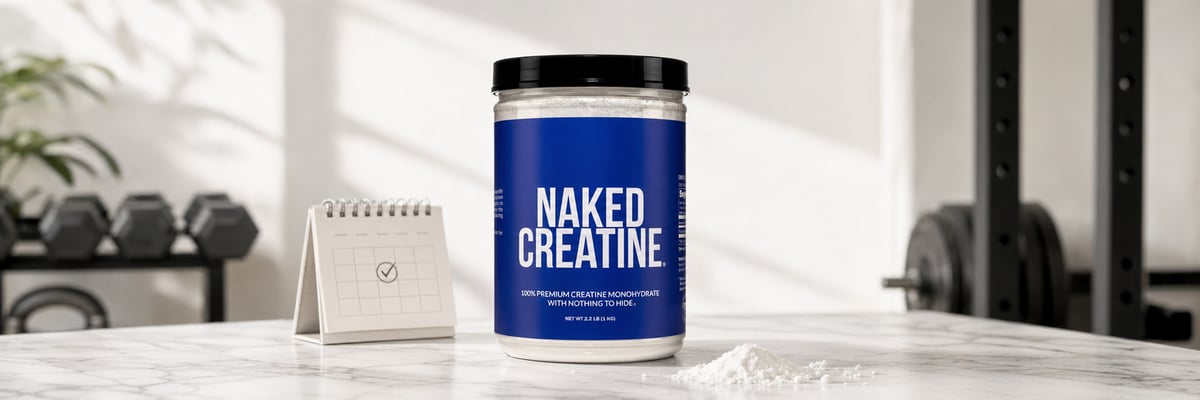
Creatine Monohydrate Powder | Naked Creatine - 2.2LB
- Free Shipping Included
- Creatine Monohydrate
- Creatine Formula
- Evidence-Based Formulas
Does Creatine Expire? The Short Answer
You found an old tub of creatine in the back of your cabinet. The expiration date reads 18 months ago. The question isn't whether to feel guilty about it — it's whether it's still worth taking.
Yes, creatine expires. Every creatine product carries a labeled expiration date, and that date exists for a reason. But unlike a lot of supplements, creatine has an unusually long shelf life. Most formulations hold up well for 2-3 years from the manufacture date, and creatine monohydrate , the most studied and widely used form, can remain effective even beyond that window if it's been stored properly.
The key thing to understand is what "expired" actually means for creatine. It doesn't mean toxic. It means the molecule has begun converting to creatinine, a waste compound your body simply excretes without any performance benefit. Potency drops. The product doesn't become a health hazard.
Whether your specific tub is still worth using depends on the type of creatine, how it's been stored, and what it looks and smells like right now. The sections below walk through all of that clearly.
How Long Does Creatine Last? Shelf Life by Type

Not all creatine is created equal when it comes to shelf stability. The molecular structure of each form determines how quickly it breaks down over time, especially when exposed to heat, moisture, or air.
- Creatine Monohydrate (powder): 2-3 years labeled; potentially longer with proper storage. Most stable form available.
- Creatine HCL: Slightly shorter shelf life. The hydrochloric acid component introduces some molecular instability over time.
- Creatine Ethyl Ester: Less stable than monohydrate. The ester group makes it more reactive and faster to degrade.
- Creatine Salts: Generally less stable than monohydrate. Shelf life varies by the specific salt compound used.
- Liquid Creatine: Shortest shelf life of any form. Pre-mixed creatine in solution can degrade within weeks to months, even when refrigerated.
The core degradation process is the same across all forms: creatine slowly converts to creatinine when exposed to water, heat, and time. Creatine monohydrate resists this process better than any other form because its molecular structure is compact and chemically stable. Liquid creatine is at the opposite end of the spectrum because the creatine is already dissolved, accelerating that conversion immediately.
If you're buying creatine with longevity in mind, monohydrate powder is the clear choice. It holds up under a wider range of storage conditions and gives you the most time before meaningful potency loss begins.
How to Tell If Your Creatine Has Gone Bad
The expiration date on the label is your first reference point, but it's not the only one. Creatine that's been stored badly can degrade before the printed date, and creatine that's been stored well may still be usable after it. Use your senses alongside the date to make a practical judgment.
Clumping or lumpy texture: This is the most common sign people notice. Moisture infiltrates the container and causes the powder to clump together. Clumping doesn't automatically mean the creatine is expired or unsafe, but it does mean moisture has gotten in, which accelerates degradation. If the clumps break apart easily and the product otherwise looks and smells normal, it may still be usable.
Foul or unusual odor: Fresh creatine monohydrate is essentially odorless, with only the faintest neutral scent. If you open your tub and notice a fishy, ammonia-like, or otherwise unpleasant smell, that's a clear indicator the product has degraded or been contaminated. Discard it.
Discoloration: Creatine monohydrate powder is white to off-white. Yellow, grey, or brownish tones suggest chemical breakdown or contamination. Color changes paired with any odor change are a strong signal to replace the product.
Off or bitter taste: Creatine monohydrate has a mildly neutral flavor. A noticeably bitter or unpleasant taste is a sign of degradation.
None of these signs mean the creatine will harm you. They do mean the product is past its best and likely delivering less of what you're paying for. When in doubt, check the storage conditions it's been kept in. A well-sealed tub that's never left a cool pantry is a very different situation from one that's lived in a hot car for six months.
Is It Safe to Use Expired Creatine?

Generally, yes. Expired creatine is not toxic. The degradation pathway for creatine is well understood: over time, creatine converts to creatinine, a nitrogenous waste compound your kidneys filter out and your body excretes in urine. Creatinine isn't dangerous at normal supplemental doses. It's just inert from a performance standpoint.
📊 What Research Says
Research on creatine monohydrate stability shows that significant degradation only begins to occur when the product is exposed to temperatures around 140°F for approximately four years. Under normal storage conditions, the rate of creatine-to-creatinine conversion is slow enough that the product retains meaningful potency well past its labeled expiration date.
The practical concern with expired creatine is reduced effectiveness, not safety. You may be scooping and mixing a product that's delivering a fraction of the creatine you think you're getting. If your performance gains have stalled and your creatine is past its date, the supplement is the likely culprit.
There's one exception worth flagging: if the product smells off, is visibly discolored, or has been stored in poor conditions (heat, humidity, open container), replace it. The risk isn't the expired creatine itself — it's potential mold or bacterial contamination from prolonged moisture exposure, which is a separate concern from simple chemical degradation.
Creatine monohydrate is one of the most affordable supplements available. A fresh tub costs less than most people spend on coffee in a week. If you have any real doubt about what's in the container, replacing it is the easy call.
How to Store Creatine to Maximize Shelf Life

Proper storage is the single biggest factor in how long your creatine stays effective. The labeled expiration date assumes reasonable storage conditions. Ignore those conditions and you'll hit the expiration date early. Follow them well and you can extend usability beyond it.
Here's what actually matters:
- Keep it cool and dry: A pantry or kitchen cupboard away from the stove, dishwasher, or any heat-generating appliance is ideal. Room temperature or slightly below is fine.
- Seal it tightly after every use: Air and moisture are the enemies. Always replace the lid fully. If the original container seal has worn down, transfer the powder to an airtight container.
- Avoid humidity: Don't store creatine in a bathroom cabinet or near a sink. Steam from showers and running water raises ambient moisture significantly.
- Keep it out of direct sunlight: UV exposure can contribute to degradation over time, and light exposure also tends to mean heat exposure.
- Don't leave it in your gym bag or car: Short-term is fine, but temperature swings in a vehicle or the inside of a gym bag create exactly the conditions that shorten shelf life.
- Add a desiccant packet: Tossing a food-safe silica gel desiccant packet inside the container is one of the most effective ways to control residual moisture, especially after you've already opened it.
Note on liquid creatine and pre-mixed drinks: These products have completely different storage requirements. Once mixed, creatine in solution degrades within days at room temperature. Pre-mixed creatine beverages must be refrigerated and consumed within the timeframe specified on the label, typically 24-72 hours after opening.
The temperature stability data for creatine monohydrate is reassuring. Research indicates significant breakdown only occurs at extreme heat (around 140°F) over years of exposure. But that's not a reason to be cavalier about storage. Consistent warmth below that threshold still causes slow, cumulative degradation. Keep it cool as a baseline habit.
Why Creatine Monohydrate Is the Most Shelf-Stable Form

Creatine monohydrate is the form that's been studied the longest, used the most widely, and consistently shown the best results in research on athletic performance . It's also the most shelf-stable form of creatine available, and those two facts are connected.
The monohydrate structure, one creatine molecule bonded with one water molecule, is chemically compact and resistant to the environmental conditions that cause degradation. Other forms add complexity: an ester group in creatine ethyl ester, hydrochloric acid in creatine HCL, or other compounds in creatine salts. That added complexity introduces more points of molecular vulnerability. More can go wrong, and it goes wrong faster.
Creatine monohydrate in powder form also benefits from minimal processing. There are no added flavors, sweeteners, fillers, or binding agents that could interact with the creatine molecule or introduce their own degradation timelines. A pure monohydrate powder is simply more stable by nature.
- Simple, compact molecular structure with minimal reactive components
- No ester bonds or acidic compounds to accelerate breakdown
- No added ingredients that introduce separate expiration timelines
- Powder form keeps creatine out of solution, where conversion to creatinine is fastest
- Decades of stability data across a wide range of storage conditions
Naked Nutrition's Creatine Monohydrate contains one ingredient: creatine monohydrate. No fillers, no artificial flavors, no additives. That purity isn't just a marketing point. It's what makes the product's shelf life predictable and maximizes how long each tub stays effective. If you want a creatine that stores well and delivers consistent results, pure monohydrate powder is the standard.
The Bottom Line on Creatine Expiration
Creatine does expire, but it's one of the most forgiving supplements when it comes to shelf life. Most creatine monohydrate powders hold up well for 2-3 years, and with proper storage, many remain effective beyond that. The degradation process, creatine converting to creatinine, is slow, predictable, and not harmful. It just means your supplement eventually stops delivering what it's supposed to.
The most important things to take from this:
- Check your label. Know when the product was manufactured and when it expires.
- Assess your storage conditions honestly. A tub that's never left a cool, sealed pantry is in a different category from one that's been open in a warm kitchen for two years.
- Trust your senses. Odor changes and significant discoloration are practical signals to replace the product regardless of the date on the label.
- Choose monohydrate powder if long-term shelf stability matters to you. It outlasts every other form by a significant margin.
Creatine is inexpensive enough that replacing a questionable tub isn't a difficult decision. If you're unsure whether what you have is still effective, a fresh container of pure creatine monohydrate costs very little and removes all the guesswork. Naked Nutrition's Creatine Monohydrate uses a single ingredient with no fillers or additives, so you know exactly what you're getting and exactly how to store it to get the most out of it.
Frequently Asked Questions
Does creatine actually expire?
Creatine monohydrate is one of the most stable supplements on the market and does not degrade quickly under proper storage conditions. While manufacturers are required to print an expiration date on the packaging, creatine that is stored correctly can remain effective well beyond that date. The expiration date is more of a quality guarantee than a hard cutoff for safety or potency.
How long does creatine typically last after the expiration date?
Studies have shown that creatine monohydrate can remain chemically stable for up to two years or more past its printed expiration date when stored in a cool, dry place away from moisture and heat. The conversion of creatine into the waste product creatinine is the primary form of degradation, but this process is very slow under ideal conditions. If your creatine still looks, smells, and mixes normally, it is very likely still effective.
What are the signs that creatine has gone bad?
The most common signs of degraded creatine include hard clumping that won't break apart, a yellowish or off-white discoloration, and an unusual or sour smell. Fresh creatine monohydrate should be a fine, white, nearly odorless powder that dissolves relatively well in water. If you notice any of these warning signs, it is best to discard the product and replace it with a fresh supply.
Is it safe to take expired creatine?
In most cases, taking creatine that is slightly past its expiration date is not considered dangerous, as the supplement does not become toxic when it degrades. However, expired creatine may have partially converted into creatinine, meaning you could be getting less of the active compound per serving. If the product shows visible signs of spoilage such as discoloration or a foul odor, avoid consuming it entirely.
How should I store creatine to maximize its shelf life?
The best way to extend creatine's shelf life is to store it in a tightly sealed container in a cool, dry location away from direct sunlight, heat, and humidity. Avoid storing creatine in bathrooms or near the kitchen sink, where moisture levels tend to be high. Keeping the original container sealed between uses and using a dry scoop every time will also help prevent moisture from entering and accelerating degradation.
Does creatine expire faster in liquid or pre-mixed form?
Yes, creatine degrades significantly faster once it has been dissolved in liquid compared to its dry powder form. When mixed with water, creatine begins converting into creatinine within a matter of hours, especially at warmer temperatures. For this reason, it is always recommended to mix creatine immediately before consuming it rather than preparing servings in advance.
Does the type of creatine affect how long it lasts?
Creatine monohydrate is widely considered the most stable and longest-lasting form of creatine, making it the gold standard for both effectiveness and shelf life. Other forms such as creatine ethyl ester or buffered creatine may have different stability profiles and could degrade at different rates. Always check the specific product's packaging and storage recommendations if you are using a non-monohydrate form of creatine.
Can I tell if creatine is still effective just by looking at it?
Visual and sensory inspection can give you a general idea of whether creatine is still in good condition, but it cannot confirm potency with certainty. A powder that looks white, smells neutral, and dissolves without unusual residue is likely still effective, but some degradation into creatinine may have already occurred invisibly. When in doubt, replacing an old container of creatine is a low-cost way to ensure you are getting the full benefits from every serving.
Top Product Picks
Chosen by 1 million+ customers. Free shipping on orders over $100.
Creatine Monohydrate Powder | Naked Creatine - 2.2LB
$35.99
- ✓ 100% premium creatine monohydrate
- ✓ Highest grade available: fast dissolving and quickly absorbed
- ✓ 5g of creatine per serving
- ✓ No artificial sweeteners, flavors, or colors

Lemon Lime Creatine Monohydrate Powder | Naked Creatine - 1.1LB
$29.99
- ✓ 100% premium creatine monohydrate
- ✓ Highest grade available: fast dissolving and quickly absorbed
- ✓ 5g of creatine per serving
- ✓ No artificial sweeteners, flavors, or colors

Strawberry Creatine Monohydrate Powder | Naked Creatine - 1.1LB
$29.99
- ✓ 100% premium creatine monohydrate
- ✓ Highest grade available: fast dissolving and quickly absorbed
- ✓ 5g of creatine per serving
- ✓ No Artificial Sweeteners, Flavors, or Colors