



Vilken typ av kreatin ska jag använda? En enkel guide
Skär igenom förvirringen och hitta det bästa kreatinet för dina mål med denna enkla, vetenskapligt stödda genomgång.

Viktiga slutsatser
- Kreatinmonohydrat vinner: Det är den mest undersökta formen av kreatin och den som rekommenderas av idrottsnäringsorganisationer som ISSN — nyare former har inte överträffat det.
- Flytande kreatin fungerar inte: En studie från 2004 i Journal of Sports Sciences visade att flytande kreatin inte höjde kreatinnivåerna i blodet; pulver gjorde det.
- Doseringen är viktigare än formen: Ta 3–5 g dagligen. Laddning (20 g/dag i 5–7 dagar) är valfritt men påskyndar muskelsatureringen.
- Det är säkert och prisvärt: Kreatinmonohydratpulver kostar cirka 10–15 cent per portion och har en långsiktig säkerhetsprofil som stöds av årtionden av forskning.
- De flesta drar nytta av det: Styrkeidrottare, veganer och äldre vuxna har alla skäl att ta tillskott — baslinjelagren av kreatin varierar betydligt beroende på kost och ålder.

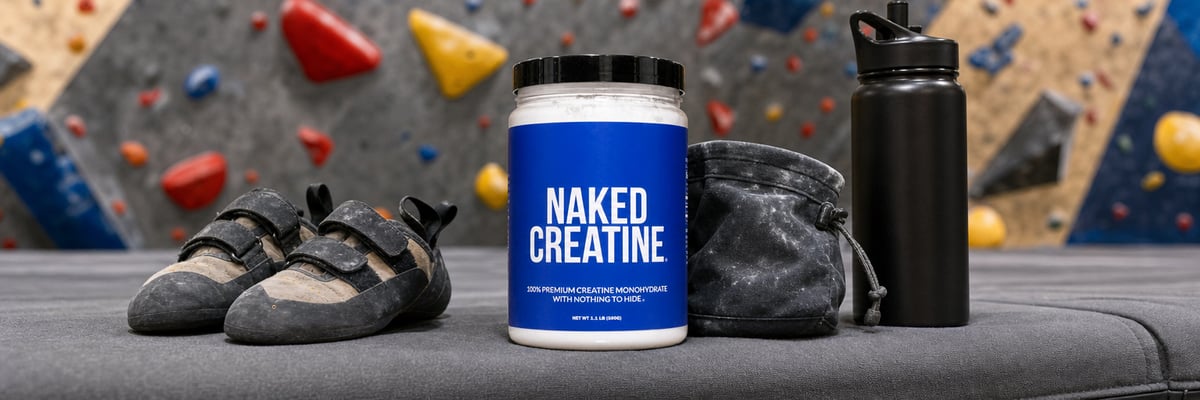
Kreatinmonohydratpulver | Naked Creatine - 2,2LB
- 100 % premium kreatinmonohydrat
- Inga artificiella sötningsmedel, smaker eller färgämnen
- Veganskt, glutenfritt och GMO-fritt
- Inget socker
Vilken typ av kreatin ska du använda? Det korta svaret

Du står i ett kosttillskottsgång eller bläddrar i en webbutik, och det finns ett dussin olika kreatinprodukter som tittar tillbaka på dig. Kreatin HCl. Buffrat kreatin. Mikroniserat. Flytande. Etylestern. De lovar alla något lite bättre än det förra. Så vilken typ av kreatin ska du använda?
Kreatinmonohydrat. Det är svaret. Det har studerats i hundratals kliniska prövningar, rekommenderas av International Society of Sports Nutrition (ISSN) och är den form som används i praktiskt taget alla studier som först fastställde kreatins fördelar. Allt annat är marknadsföring ovanpå en solid, beprövad grund.
Kreatin är en naturligt förekommande förening som syntetiseras från aminosyrorna arginin, glycin och metionin. Din kropp lagrar det främst i skelettmusklerna som fosfokreatin, där det spelar en direkt roll i att regenerera adenosintrifosfat (ATP) — den primära energivalutan för korta, högintensiva ansträngningar som sprint, lyft och hopp. När fosfokreatinlagren minskar sjunker prestationen. Tillskott med kreatin ökar dessa lager och förlänger din kapacitet för högintensivt arbete.
Den här artikeln täcker varje större form av kreatin på marknaden, förklarar vad forskningen faktiskt visar och ger dig praktisk vägledning om dosering och timing — så att du kan fatta ett verkligt informerat beslut, inte bara ett starkt marknadsfört sådant.
De olika typerna av kreatin förklarade

Kosttillskottsindustrin har introducerat ett brett utbud av kreatinvarianter genom åren, de flesta positionerade som uppgraderingar. Här är vad varje form faktiskt är — och om påståendena håller.
- Kreatinmonohydrat: Den ursprungliga och mest studerade formen. En kreatinmolekyl bunden till en vattenmolekyl. Omfattande validerad för säkerhet och effektivitet. Detta är baslinjen som allt annat jämförs med.
- Kreatin HCl: Kreatin bundet till saltsyra för förbättrad vattenlöslighet. Marknadsförs som att kräva en mindre dos med mindre uppsvällning. Löslighetspåståendet är sant — prestationsfördelen jämfört med monohydrat stöds inte av jämförande forskning.
- Buffrat kreatin (Kre-Alkalyn): En form med högre pH som påstås minska nedbrytningen till kreatinin innan det når muskelvävnad. Oberoende studier har inte funnit att det är överlägset standardmonohydrat när det gäller prestationsresultat.
- Kreatin etylester: En av de mer aggressivt marknadsförda formerna under 2000-talet. Forskning har sedan visat att det faktiskt omvandlas till kreatinin snabbare än monohydrat, vilket gör det mindre effektivt, inte mer.
- Microniserat kreatin: Kreatinmonohydrat bearbetat till finare partiklar för bättre blandbarhet. Det är funktionellt identiskt med standardmonohydrat — bara lättare att lösa i vätska, vilket är användbart för personer som är känsliga för textur.
- Flytande kreatin: Förupplöst kreatin som säljs i färdiga dryckesformat. Som beskrivs i detalj nedan visar forskning att det inte effektivt höjer kreatinnivåerna i blodet. Anledningen är enkel: kreatin bryts ner till kreatinin när det lämnas i lösning under längre tid.
Mönstret här är konsekvent. Nyare former löser verkliga eller upplevda besvär — löslighet, dosstorlek, blandbarhet — men ingen har visat någon meningsfull prestationsfördel jämfört med monohydrat i väl utformade, direkt jämförande studier.
- Kreatin lagras i musklerna som fosfokreatin, där det donerar en fosfatgrupp för att återbilda ATP under högintensiva ansträngningar.
- Tillskott ökar de totala fosfokreatinlagren med 10–40 %, beroende på grundnivåer och kost.
- Högre fosfokreatinlager betyder mer ATP tillgängligt för upprepade sprintar, set och kraftutbrott innan trötthet sätter in.
- Vegetarianer och veganer har vanligtvis lägre grundlager eftersom kreatin nästan uteslutande finns i animaliska livsmedel — vilket innebär att de ofta ser större vinster från tillskott.
Varför kreatinmonohydrat är guldkopian

Kreatinmonohydrat är inte standardrekommendationen för att det var den första formen som fanns — det är standard eftersom det har förtjänat den positionen genom decennier av rigorös forskning. ISSN:s ståndpunkt om kreatin, uppdaterad och bekräftad över åren, identifierar monohydrat som det mest effektiva ergogena näringstillskottet som finns tillgängligt för att öka kapaciteten för högintensiv träning och mager kroppsmassa.
Bevisunderlaget är omfattande. Studier visar konsekvent att kreatinmonohydrat-tillskott ökar muskelns fosfokreatinlager, förbättrar styrkan i ett maxlyft, ökar effektuttaget vid upprepade sprintinsatser och stödjer ökning av mager muskelmassa när det kombineras med styrketräning. Dessa är inte marginella effekter — de är bland de mest pålitliga resultaten inom idrottsnäringsforskning.
Kostnaden är en annan praktisk fördel som ofta förbises. Kreatinmonohydratpulver kostar ungefär 10 till 15 cent per portion. Premium "avancerade" former kostar rutinmässigt tre till fem gånger mer utan att ge någon mätbar fördel jämfört med basföreningen. När du betalar mer betalar du för etiketten, inte för prestationen.
📊 Vad forskningen säger
En omfattande översikt publicerad i Journal of the International Society of Sports Nutrition drog slutsatsen att kreatinmonohydrat är den mest studerade och kliniskt effektiva formen av kreatin som finns tillgänglig, utan att någon annan kommersiellt tillgänglig form visat överlägsen absorption, säkerhet eller prestationsresultat i jämförande studier. Bevisen för monohydrat sträcker sig över mer än 500 granskade studier genomförda under tre decennier.
För de flesta är Naked Creatine Monohydrate precis vad de behöver: en ingrediens, inga fyllmedel, inga proprietära blandningar och inga tillsatser som döljer vad du faktiskt stoppar i kroppen.
Flytande vs. pulveriserat kreatin: vad forskningen visar
Argumentet för flytande kreatin bygger vanligtvis på bekvämlighet – det är färdigblandat och redo att konsumera. Vissa förespråkare hävdar också att det är mer biotillgängligt. Inget av dessa påståenden håller vid granskning av bevisen.
En studie från 2004 publicerad i Journal of Sports Sciences testade detta direkt. Forskare fann att regelbunden användning av flytande kreatin [Gill et al., 2004] inte ökade kreatinnivåerna i blodet. Produkten som användes var en av de mer premiumprissatta på marknaden vid den tiden. Samma studie testade kreatinpulver och fann betydande ökningar i kreatinnivåerna i blodet. Kontrasten var tydlig.
Mekanismen bakom att flytande kreatin misslyckas är enkel: när kreatin löses i vatten och förvaras över tid bryts det ner till kreatinin – en avfallsprodukt som kroppen helt enkelt utsöndrar. Kreatinin har ingen prestationshöjande effekt. Du betalar i princip för en produkt som redan har försämrats innan du dricker den.
Kostnadsskillnaden förvärrar problemet. Kreatinmonohydrat i pulverform kostar ungefär 10 till 15 cent per portion. Flytande kreatin kostar vanligtvis 30 cent till över 1 dollar per portion, och många produkter kommer i individuellt förpackade doser, vilket genererar betydande förpackningsavfall.
Pulver vinner också på flexibilitet. Ett smaklöst kreatinpulver blandas i vatten, juice, en proteinshake eller ett pre-workout utan att ändra smaken eller konsistensen. Den stora majoriteten av studier som dokumenterar kreatins prestationsfördelar har genomförts med pulver – vilket är viktigt när du bedömer vad som faktiskt är bevisat att fungera.
Hur man tar kreatin: dosering, timing och laddning

Att få dosen rätt är viktigare än att oroa sig för tidpunkten. Kreatin fungerar genom att mätta muskelvävnaden över tid — det är denna mättnad som driver prestationsförbättringar. Konsekvens är den icke-förhandlingsbara faktorn.
Standard underhållsdos: 3–5 gram per dag. Detta är den mängd som stöds av majoriteten av forskningen för att bibehålla förhöjda fosfokreatinförråd i muskelvävnad. Det är också den dos de flesta bör börja med och fortsätta med.
Laddningsfas (valfri): Att ta 20 gram per dag — uppdelat i fyra doser om 5 g — i 5 till 7 dagar mättar musklernas kreatinförråd snabbare. Efter laddningsfasen går man tillbaka till underhållsdosen på 3–5 g. Laddning är inte nödvändig; det innebär bara att du når full mättnad på en vecka istället för tre till fyra veckor. Båda metoderna fungerar. Välj efter hur snabbt du vill ha resultat.
Timing: Forskning som jämför intag av kreatin före träning mot efter träning är blandad, med en liten fördel i vissa studier för dosering efter träning när det gäller kroppssammansättning. Den praktiska slutsatsen: tidpunkten spelar mindre roll. Att ta det konsekvent när som helst under dagen är mycket viktigare än att optimera det exakta tidsfönstret.
Hur man blandar det: tillsätt din dos på 3–5 g i 8–12 uns vatten, juice eller en proteinshake. Kreatinmonohydrat löser sig helt vid rumstemperatur med kort omrörning. Om du använder mikroniserat kreatin sprids det ännu lättare.
En praktisk notering om vätskeintag: kreatin drar vatten in i muskelceller som en del av sin mekanism. Att dricka tillräckligt med vatten under dagen — minst 2–3 liter — stödjer denna process och minskar risken för mindre kramp som vissa rapporterar under de tidiga stadierna av tillskottet.
Vem bör använda kreatin och vilka är fördelarna?

Kreatin är inte bara för tävlingsidrottare eller kroppsbyggare. Forskningen om vilka som kan dra nytta av det har utvidgats avsevärt, och gruppen människor som kan se meningsfulla resultat är bredare än de flesta tror.
Styrkeidrottare och tävlande inom kraftsporter har den mest etablerade evidensbasen. Kreatin ökar konsekvent maxprestanda för en repetition, förbättrar kapaciteten för upprepade sprintar och stödjer ökning av mager muskelmassa när det kombineras med styrketräning.
Vegetarianer och veganer har vanligtvis lägre grundläggande kreatinlager i musklerna, eftersom kostkreatin nästan uteslutande kommer från kött och fisk. Forskning visar att denna grupp ofta upplever större prestationsförbättringar från tillskott än allätare – eftersom de har mer att vinna.
Äldre vuxna utgör en av de mest intressanta nya användningsområdena. Studier har visat att kreatintillskott, kombinerat med styrketräning, hjälper till att bevara muskelmassa och funktionell styrka hos åldrande populationer. Det finns också ett växande intresse för kreatins roll i kognitiv hälsa, särskilt i samband med åldersrelaterad mental trötthet och hjärnans energimetabolism.
De bevisade fördelarna med kreatinmonohydrattillskott inkluderar:
- Ökad maximal styrka och kraftutveckling
- Förbättrad prestation vid högintensiv, upprepad ansträngning
- Större ökning av mager muskelmassa när det kombineras med styrketräning
- Minskade markörer för muskelskador och snabbare återhämtning mellan träningspass
- Potentiella kognitiva fördelar, särskilt hos sömnbristande eller åldrande populationer
Om säkerhet: kreatin är ett av de mest välstuderade kosttillskotten som finns. Långtidsanvändning i standarddoser har inte kopplats till njurskador, leverskador eller andra allvarliga biverkningar hos friska individer. ISSN:s ståndpunkt bekräftar att kreatinmonohydrat är säkert för långvarig användning i rekommenderade doser.
Vår rekommendation: Naked Creatine Monohydrate

Om du har läst så här långt är valet klart. Du vill ha kreatinmonohydrat i pulverform från ett märke som inte fyller etiketten med onödiga tillsatser. Det är precis vad Naked Creatine Monohydrate är.
Formulan innehåller en ingrediens: ren kreatinmonohydrat. Inga artificiella smaker, inga fyllmedel, inga proprietära blandningar, inga färgämnen. Det som står på etiketten är vad som finns i påsen. Tillverkat av en certifierad tillverkare och tredjepartstestat, ger det dig samma förening som används i hundratals granskade studier – inget mer, inget mindre.
För ungefär 10 till 15 cent per portion är det ett av de mest kostnadseffektiva prestationskosttillskotten som finns. Varje 5 g portion blandas lätt i vatten eller vilken dryck som helst utan att klumpa sig eller lämna en grynig rest.
Naked Creatine passar naturligt in i en bredare tillskottsrutin. Kombinera det med ett högkvalitativt proteinpulver för att täcka både prestations- och återhämtningsaspekterna av träningen. Lägg till det i en pre-workout för bekvämlighet. Eller ta det på egen hand – den smaklösa formen gör det tillräckligt mångsidigt för att blandas i vad som helst.
För de flesta behöver beslutet om tillskott inte vara komplicerat. Ett rent, kreatinmonohydratpulver med en enda ingrediens som tas konsekvent med 3–5 g per dag täcker allt som forskningen stöder. Börja där, var konsekvent, så följer resultaten.
Vanliga frågor
Vilken är den mest effektiva typen av kreatin för att bygga muskler?
Kreatinmonohydrat anses allmänt vara den mest effektiva och väl undersökta formen av kreatin för att bygga muskler och förbättra atletisk prestation. Decennier av granskade studier visar konsekvent att det ökar fosfokreatinförråden i musklerna, vilket leder till förbättrad styrka, kraftutveckling och ökad muskelmassa. Andra former som kreatin HCl eller buffrat kreatin har inte visat överlägsna resultat i direkt kliniska jämförelser.
Är kreatinmonohydrat säkert att ta varje dag?
Ja, kreatinmonohydrat är ett av de mest omfattande studerade sporttillskotten och har en väl etablerad säkerhetsprofil när det tas i rekommenderade doser. Forskning som sträcker sig upp till fem års kontinuerlig användning visar inga negativa effekter på njur-, lever- eller hjärt-kärlhälsa hos friska individer. Som alltid, rådgör med din vårdgivare innan du börjar med något nytt tillskott, särskilt om du har en befintlig medicinsk åkomma.
Vad är skillnaden mellan kreatinmonohydrat och kreatin HCl?
Kreatinmonohydrat är den ursprungliga och mest studerade formen, medan kreatinhydroklorid (HCl) är bundet med saltsyra för att förbättra lösligheten och potentiellt minska matsmältningsbesvär. Kreatin HCl marknadsförs ofta som att det kräver en mindre dos på grund av bättre upptag, även om bevisen för överlägsna prestationsresultat jämfört med monohydrat är begränsade. För de flesta användare ger kreatinmonohydrat utmärkta resultat till en lägre kostnad per dos.
Hur mycket kreatin bör jag ta per dag?
Den standardiserade underhållsdosen för kreatinmonohydrat är 3–5 gram per dag, vilket är tillräckligt för att mätta muskelns kreatinförråd över tid. Vissa väljer att börja med en laddningsfas på 20 gram per dag uppdelat på fyra doser under 5–7 dagar för att påskynda mättnaden, men detta steg är frivilligt. Att hoppa över laddningsfasen och hålla sig till den dagliga underhållsdosen ger samma resultat — det tar bara några extra veckor att nå full mättnad.
Påverkar typen av kreatin jag väljer hur snabbt jag ser resultat?
Typen av kreatin kan påverka hur snabbt dina muskler blir mättade, men i slutändan är resultaten i styrka och prestation jämförbara mellan högkvalitativa former. Kreatinmonohydrat med en laddningsfas tenderar att ge märkbara förbättringar i styrka och uthållighet inom en till två veckor. Utan laddning rapporterar de flesta användare att de känner skillnad inom tre till fyra veckor oavsett vilken kreatinform som används.
Bör jag välja ett kreatintillskott som är testat av tredje part?
Ja, det rekommenderas starkt att välja ett kreatintillskott som är testat av tredje part för att säkerställa renhet, korrekt dosering och frånvaro av förbjudna ämnen eller föroreningar. Certifieringar från organisationer som Informed Sport, NSF Certified for Sport eller Creapure® visar att produkten har verifierats oberoende för kvalitet. Detta är särskilt viktigt för tävlingsidrottare som är föremål för dopingtester.
Är kreatin lämpligt för nybörjare eller bara erfarna idrottare?
Kreatin passar för en bred grupp individer, inklusive nybörjare som just börjat med styrketräning. Forskning tyder på att nyare tränande kan uppleva särskilt tydliga styrke- och muskelökningar när de kompletterar med kreatin tillsammans med en konsekvent träningsrutin. Det är inte en stimulant och kräver ingen cykling, vilket gör det till ett enkelt och nybörjarvänligt kosttillskott.
Är dyrare kreatin alltid av bättre kvalitet?
Inte nödvändigtvis — priset ensam är inte en pålitlig indikator på kreatinkvalitet eller effektivitet. Kreatinmonohydrat, en av de mest prisvärda formerna, presterar konsekvent bättre eller lika bra som dyrare alternativ i klinisk forskning. När du bedömer kostnad, fokusera på certifieringar från tredje part, ingrediensgenomskinlighet och ansedda tillverkningsstandarder snarare än priset ensam.
Toppval av kreatin
Vald av över 1 miljon kunder. Fri frakt på beställningar över 100 $.

Kreatin HCl-pulver | Naked Lean Creatine - 232g
$34.99
- ✓ 750 mg Con-Cret® Kreatin HCl
- ✓ Ekologisk taggfrukt för naturlig vätskebalans
- ✓ Mycket potent: överlägsen muskelprestation vid lägre doser
- ✓ Viktiga elektrolyter för optimal kreatinupptagning
Kreatinmonohydratpulver | Naked Creatine - 2,2LB
$35.99
- ✓ 100% premium kreatinmonohydrat
- ✓ Högsta tillgängliga kvalitet: löser sig snabbt och absorberas snabbt
- ✓ 5g kreatin per portion
- ✓ Inga konstgjorda sötningsmedel, smaker eller färgämnen

Kreatinmonohydratpulver | Naked Creatine - 500g
$25.99
- ✓ Förbättrar styrka och prestation
- ✓ Snabbare återhämtning under träning
- ✓ Främjar muskeltillväxt