




Na tej stronie
Jak przyjmować kreatynę HCL dla maksymalnych efektów
Osiągnij szczytową wydajność dzięki dokładnemu dawkowaniu, timingowi i strategiom łączenia suplementów, aby maksymalnie wykorzystać kreatynę HCL.

Kluczowe wnioski
- Mniejsza dawka, ten sam cel: Kreatyna HCL działa przy dawce 1–2 gramów dziennie, w porównaniu do 3–5 gramów monohydratu, dzięki lepszej rozpuszczalności w wodzie.
- Nie wymaga fazy nasycenia: Stałe codzienne dawkowanie skutecznie nasyca zapasy kreatyny w mięśniach bez potrzeby wysokodawkowej fazy nasycenia.
- Nie stosuj cyklicznie: Obecne badania nie wspierają cyklicznego stosowania kreatyny. Codzienne stosowanie przez dłuższy czas jest bezpieczne i skuteczniejsze niż protokoły włącz/wyłącz.
- Efekty pojawiają się w tygodniach, nie dniach: Spodziewaj się wczesnych popraw wydolności w ciągu 1–2 tygodni i pełnych korzyści po 3–4 tygodniach.
- Dobrze tolerowany: Mniej skutków ubocznych ze strony układu pokarmowego niż monohydrat, co czyni HCL praktyczną alternatywą dla osób z wrażliwością trawienną.
- Łatwo łączy się z innymi suplementami: Bezpiecznie łączy się z białkiem, przedtreningówkami, elektrolitami i kofeiną.
- Szczera uwaga: Monohydrat ma większą bazę dowodów. HCL to silna praktyczna alternatywa, a nie klinicznie potwierdzona ulepszona wersja.

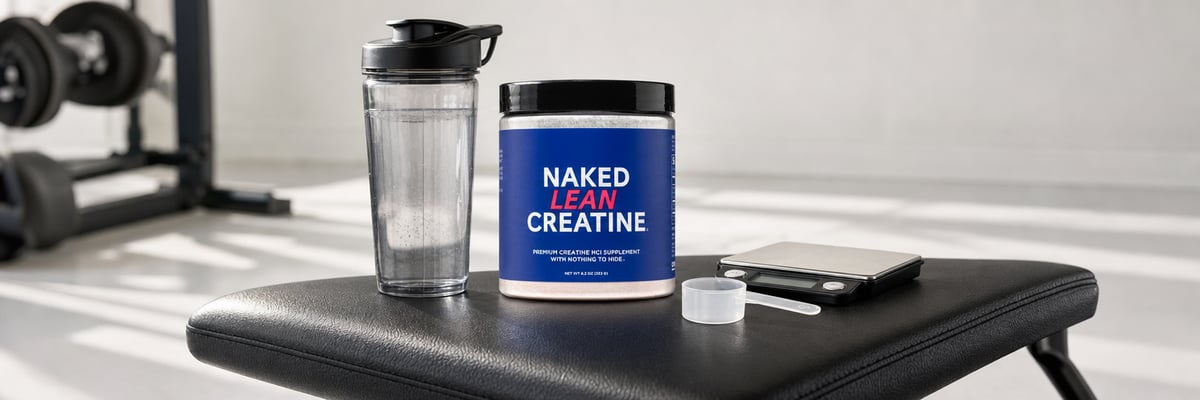
Proszek Kreatyny HCl | Naked Lean Creatine - 232g
- Formuła kreatyny
- Bez sztucznych dodatków
- Wyprodukowano w USA
- Jakość potwierdzona
Czym jest kreatyna HCL i czym różni się od monohydratu?

Kreatyna to związek, który organizm naturalnie produkuje w wątrobie i nerkach, a następnie magazynuje głównie w mięśniach szkieletowych. Jej zadanie jest proste: pomaga regenerować ATP, cząsteczkę, która napędza każdy wybuchowy ruch, jaki wykonujesz. Każdy ciężki przysiad, sprint czy skok zależy od szybkiej dostępności ATP. Suplementacja kreatyną zwiększa zapasy fosfokreatyny w mięśniach, co wydłuża czas wysokiej wydajności energetycznej, pozwalając na więcej powtórzeń, szybszą regenerację między seriami i większą całkowitą objętość treningu. [1]
Kreatyna HCL to kreatyna z grupą chlorowodorową połączoną z cząsteczką. Ta zmiana chemiczna robi jedną rzecz szczególnie dobrze: dramatycznie zwiększa rozpuszczalność w wodzie. Kreatyna HCL rozpuszcza się niemal natychmiast w płynie, bez ziarnistości czy osadu, co jest zauważalnym kontrastem do tendencji monohydratu do osadzania się na dnie szklanki. Uważa się, że ta wyższa rozpuszczalność poprawia wchłanianie jelitowe i zmniejsza problemy trawienne, które niektórzy doświadczają przy monohydracie. [2]
Praktyczny efekt to znacznie mniejsza skuteczna dawka. Większość osób przyjmuje codziennie 1–2 gramy kreatyny HCL, w porównaniu do 3–5 gramów monohydratu. Mniej proszku, brak ziarnistości i zazwyczaj brak wzdęć. Dla osób, które chcą zrozumieć różnice między kreatyną HCL a monohydratem , te różnice mają znaczenie.
📊 Co mówią badania
Szczera uwaga: kreatyna monohydrat ma za sobą dziesięciolecia kontrolowanych badań klinicznych potwierdzających nasycenie mięśni, wzrost siły i bezpieczeństwo. Badania nad samym HCL wciąż się rozwijają i żadna duża skala badań nie potwierdziła jeszcze, że HCL podnosi zasoby kreatyny w mięśniach równie skutecznie jak monohydrat przy niższych dawkach zwykle stosowanych. [2] HCL jest dobrze tolerowany i chemicznie stabilny, ale jego przewaga nad monohydratem pozostaje hipotezą roboczą, a nie ostatecznym wnioskiem.
Kto najczęściej korzysta z wyboru HCL: osoby z wrażliwością żołądkowo-jelitową na monohydrat, ci, którzy chcą mniejszej objętości dawki, osoby nieprzepadające za teksturą proszku monohydratu oraz sportowcy, którzy chcą kreatynę bez uczucia przesunięcia płynów, które czasem towarzyszy wyższym dawkom monohydratu.
Jak stosować kreatynę HCL: dawkowanie, czas i mieszanie

Standardowa dzienna dawka kreatyny HCL to 1–2 gramy. Tyle wystarczy. Nie potrzebujesz łyżek wielkości stołowej, które są kojarzone z monohydratem. Ponieważ HCL rozpuszcza się całkowicie, nawet niewielka ilość wody wystarczy, choć mieszanie go w 180–240 ml jest wygodne dla większości osób. Rozpuszcza się czysto, nie pozostawia osadu i ma łagodny, lekko kwaśny smak, który większość osób łatwo toleruje lub prawie wcale nie zauważa.
- 1. tydzień: Przyjmuj 1 gram dziennie o stałej porze. Oceń tolerancję i zwróć uwagę na reakcje ze strony układu trawiennego.
- Od 2. tygodnia: Zwiększ do 1,5–2 gramów dziennie. Zachowaj tę samą porę przyjmowania, aby wyrobić nawyk.
- Dostosowanie do masy ciała: Poniżej 59 kg wystarcza 1 gram. Powyżej 100 kg lub przy intensywnych treningach celuj w 2 gramy dziennie.
- Forma: Proszek rozpuszcza się szybciej i pozwala na elastyczne dawkowanie. Kapsułki są wygodniejsze w podróży lub dla osób, które nie lubią mieszać proszku.
Jeśli chodzi o czas przyjmowania, szczera odpowiedź jest taka, że ważniejsza jest regularność niż dokładna godzina. Niektóre badania sugerują niewielką przewagę przyjmowania kreatyny blisko treningu, z nieco lepszym wchłanianiem po treningu ze względu na zwiększoną wrażliwość mięśni na insulinę po treningu siłowym. Przyjmowanie przed treningiem też jest rozsądne, szczególnie jeśli łączysz to z formułą przedtreningową. Wybierz porę, której faktycznie będziesz się trzymać.
W dni odpoczynku przyjmuj ją o dowolnej porze. Rano, z posiłkiem lub razem z innymi suplementami – wszystkie opcje działają równie dobrze. Celem jest po prostu utrzymanie podwyższonego poziomu fosfokreatyny w mięśniach. Przyjmowanie kreatyny z posiłkiem zawierającym węglowodany i białko może nieco zwiększyć jej wchłanianie, ponieważ wywołana odpowiedź insulinowa wspiera transport kreatyny do komórek mięśniowych. Mimo to kreatyna HCL jest dobrze tolerowana także na pusty żołądek, zwłaszcza w porównaniu z monohydratem.
Czy musisz ładować lub cyklować kreatynę HCL?

Ładowanie kreatyną zostało opracowane dla monohydratu. Protokół zazwyczaj polega na przyjmowaniu 20 gramów dziennie podzielonych na cztery lub pięć dawek przez pięć do siedmiu dni, z celem szybkiego nasycenia zapasów kreatyny w mięśniach. Po tym tygodniu ładowania użytkownicy przechodzą na standardową dawkę podtrzymującą 3–5 gramów. To działa, ale wiąże się z kosztami: wzdęcia, skurcze żołądka i zatrzymanie wody są powszechne podczas fazy ładowania, szczególnie przy wyższych dawkach wymaganych dla monohydratu.
W przypadku kreatyny HCL zazwyczaj nie jest potrzebne fazowanie. Wyższa rozpuszczalność oznacza, że nawet małe codzienne dawki są efektywnie wchłaniane, a mięśnie osiągają nasycenie stopniowo w ciągu dwóch do czterech tygodni regularnego stosowania. Niektórzy sportowcy decydują się na opcjonalne mini-fazowanie 3–4 gramami HCL przez trzy do pięciu dni, aby przyspieszyć ten proces, ale nie jest to poparte silnymi dowodami i zwiększa ryzyko łagodnych dolegliwości żołądkowo-jelitowych. Dla większości osób standardowa dzienna dawka jest czystszym rozwiązaniem.
Cykliczne stosowanie kreatyny, czyli używanie jej przez 8–12 tygodni, a następnie przerwa na kilka tygodni, zostało spopularyzowane przez wczesne obawy, że ciągłe stosowanie może obciążać nerki lub spowodować, że organizm przestanie reagować. Te obawy okazały się w dużej mierze bezpodstawne. Aktualne badania nie potwierdzają potrzeby cyklicznego stosowania kreatyny u zdrowych osób. Organizm nie staje się na nią niewrażliwy, a długotrwałe, ciągłe stosowanie nie wykazało klinicznie istotnych skutków ubocznych. [1]
Są dwa praktyczne scenariusze, w których przerwa ma sens: jeśli chcesz mieć czystą bazę do oceny, czy kreatyna faktycznie przynosi efekty dla Ciebie, lub jeśli wchodzisz w okres bardzo niskiego wolumenu treningowego i chcesz uprościć swoją rutynę suplementacyjną. Żaden z nich nie jest koniecznością medyczną. Regularne codzienne dawkowanie pozostaje najskuteczniejszym i najprostszym protokołem.
Jak długo działa kreatyna HCL?

Kreatyna HCL nie jest stymulantem. Nie poczujesz jej działania trzydzieści minut po pierwszej dawce. To, co zauważysz, zaczynając mniej więcej od pierwszego do drugiego tygodnia, jest subtelne, ale realne: trochę więcej energii podczas ciężkich ćwiczeń złożonych, nieco lepsza wydajność podczas sprintów lub dodatkowe jedno-dwa powtórzenia przy danym ciężarze. Te wczesne oznaki odzwierciedlają bezpośrednią rolę kreatyny w regeneracji ATP podczas krótkich, wybuchowych wysiłków.
Pełne nasycenie mięśni zwykle następuje po trzech do czterech tygodniach regularnego codziennego stosowania. Wtedy korzyści stają się bardziej widoczne we wszystkich aspektach. Przyrosty siły stają się bardziej stałe, poprawia się pełność mięśni wraz ze wzrostem zawartości wody wewnątrzmięśniowej, wydolność podczas intensywnych serii się wydłuża, a regeneracja między wysiłkami jest szybsza. Zmiany są mierzalne, nie dramatyczne, i kumulują się z czasem wraz z progresywnym treningiem.
📊 Co mówią badania
Badania konsekwentnie pokazują, że suplementacja kreatyną zwiększa zapasy fosfokreatyny w mięśniach i poprawia wydajność podczas ćwiczeń o wysokiej intensywności. [1] Przyrosty siły są realne, ale są efektem tego, że kreatyna umożliwia cięższy trening, a nie samodzielnym budowaniem mięśni przez kreatynę. Bez progresywnego przeciążenia i odpowiedniej ilości białka w diecie, wkład kreatyny jest ograniczony.
Czego kreatyna nie robi: nie spala tłuszczu, nie buduje mięśni bez treningu ani nie daje natychmiastowych efektów. Dostarcza mięśniom więcej paliwa do pracy o wysokiej intensywności. Większość osób zauważa pierwsze oznaki poprawy w ciągu kilku tygodni regularnego stosowania. Łącz kreatynę HCL z systematycznym, progresywnym treningiem i odpowiednią podażą białka, a efekty pojawią się zgodnie z planem.
Jak łączyć kreatynę HCL z innymi suplementami

Kreatyna HCL dobrze łączy się z większością popularnych suplementów. Nie ma skomplikowanych zasad dotyczących czasu przyjmowania ani interakcji przy dawkach stosowanych dla poprawy wydajności.
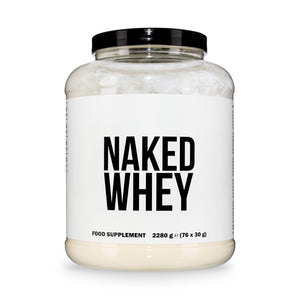
- Proszek białkowy: Jedno z najskuteczniejszych połączeń w suplementacji sportowej. Białko dostarcza aminokwasy potrzebne do naprawy i syntezy mięśni, podczas gdy kreatyna wspiera intensywność treningu, która napędza adaptację. Możesz mieszać kreatynę HCL bezpośrednio z koktajlem białkowym lub przyjmować je osobno. Obie metody działają.
- Przedtreningówka: Bezpieczne połączenie, ale najpierw sprawdź etykietę swojego suplementu przedtreningowego. Wiele formuł już zawiera kreatynę, czasem monohydrat w dawce 1–3 gramów. Jeśli Twój suplement ją zawiera, dodanie HCL może zwiększyć całkowite dzienne spożycie kreatyny ponad potrzebę. Jeśli nie zawiera kreatyny, dodanie 1–2 gramów HCL jest prostym rozwiązaniem.
- Elektrolity: Sód, potas i magnez wspierają nawodnienie, skurcze mięśni oraz przekazywanie sygnałów nerwowych. Podczas intensywnych treningów lub w gorącym otoczeniu, łączenie elektrolitów z kreatyną wspiera równowagę płynów i wydajność, nie zakłócając wchłaniania kreatyny.
- Kofeina: Starsze badania budziły obawy, że kofeina może osłabiać skuteczność kreatyny. Nowsze badania tego nie potwierdzają. Połączenie to jest powszechnie stosowane, dobrze tolerowane i praktycznie skuteczne: kofeina poprawia koncentrację i energię, kreatyna wspiera siłę i moc. [1]
Ogólna uwaga: kreatyna zwiększa zapotrzebowanie organizmu na wodę wewnątrzkomórkową. Pamiętaj o odpowiednim nawodnieniu przez cały dzień, szczególnie w dni intensywnych treningów. Nie jest to specjalny wymóg unikalny dla kreatyny HCL, ale warto wyrobić sobie ten nawyk. Unikaj łączenia kreatyny z dużymi dawkami diuretyków, chyba że zaleci to lekarz, ponieważ diuretyki aktywnie przeciwdziałają równowadze płynów, która wspiera działanie kreatyny.
Czy Creatine HCL jest bezpieczny? Skutki uboczne i kto powinien skonsultować się z lekarzem

Kreatyna jest jednym z najlepiej przebadanych suplementów w naukach o sporcie, a jej profil bezpieczeństwa jest silny. Creatine HCL ma taki sam profil bezpieczeństwa jak monohydrat, bez dowodów na unikalne ryzyko wynikające z modyfikacji chlorowodorkowej. U zdrowych dorosłych kreatyna nie uszkadza nerek, nie zaburza enzymów wątrobowych, nie zmienia poziomu testosteronu ani innych hormonów, ani nie wpływa negatywnie na nawodnienie. Badania długoterminowe, trwające miesiące lub lata ciągłego stosowania, konsekwentnie nie wykazują klinicznie istotnych skutków ubocznych. [1]
- Uszkodzenie nerek: Brak dowodów u zdrowych osób. Kreatyna podnosi poziom kreatyniny we krwi, co może wyglądać nieprawidłowo w podstawowych badaniach, ale nie wskazuje to na stres lub uszkodzenie nerek.
- Utrata włosów: Opiera się na jednym małym badaniu z 2009 roku, które wykazało podwyższone poziomy DHT u rugbystów. Żadne badanie nie potwierdziło bezpośredniego związku między kreatyną a utratą włosów.
- Zaburzenia hormonalne: Kreatyna nie wpływa na poziom testosteronu, estrogenu ani innych hormonów przy zalecanych dawkach.
- Tylko dla mężczyzn: Kobiety odnoszą korzyści ze suplementacji kreatyną w taki sam sposób jak mężczyźni. Dane dotyczące bezpieczeństwa i wydajności odnoszą się jednakowo do obu płci.
Ponieważ creatine HCL jest wysoce rozpuszczalny i przyjmowany w małych dawkach, skutki uboczne ze strony przewodu pokarmowego są rzadkie. Osoby, które doświadczyły wzdęć, skurczów lub nudności po monohydracie, często uważają HCL za znacznie łatwiejszy do tolerowania.
Kto powinien skonsultować się z lekarzem przed użyciem creatine HCL: osoby z istniejącymi chorobami nerek lub wątroby, osoby przyjmujące leki wpływające na funkcję nerek, takie jak NLPZ lub przepisywane diuretyki, kobiety w ciąży lub karmiące piersią oraz osoby z przewlekłymi schorzeniami przewodu pokarmowego. Jeśli dotyczy Cię którykolwiek z tych przypadków, skonsultuj się z lekarzem przed rozpoczęciem suplementacji. Dla pozostałych creatine HCL jest bezpieczny w zalecanych dawkach.
Ten artykuł ma charakter informacyjny i edukacyjny i nie stanowi porady medycznej. Zawsze skonsultuj się z wykwalifikowanym pracownikiem służby zdrowia przed rozpoczęciem stosowania nowego suplementu, zwłaszcza jeśli masz schorzenia, jesteś w ciąży lub przyjmujesz leki.
Na co zwracać uwagę przy wyborze jakościowego suplementu Creatine HCL

Chlorowodorek kreatyny naturalnie ma krótką listę składników: powinien zawierać chlorowodorek kreatyny i niewiele więcej. Problem w tym, że wiele produktów na rynku wykorzystuje małą porcję jako pretekst do dodawania wypełniaczy, sztucznych smaków, słodzików i mieszanek własnych, które rozcieńczają skuteczną dawkę bez ujawniania poszczególnych ilości. Dokładne czytanie etykiety jest ważne.
Oto, na co zwrócić uwagę i czego unikać:
- Lista składników: Im krótsza, tym lepsza. Chlorowodorek kreatyny powinien być głównym, najlepiej jedynym składnikiem aktywnym. Unikaj produktów z długą listą dodatków, które podnoszą koszt bez poprawy efektów.
- Wielkość porcji kontra zawartość kreatyny: Niektóre etykiety podają porcję 2 gramów, ale tylko 750 mg to faktyczny chlorowodorek kreatyny, reszta to wypełniacze. Sprawdź, czy zawartość kreatyny HCL na porcję odpowiada dawce, którą chcesz przyjmować.
- Testy niezależne: Szukaj produktów certyfikowanych przez NSF International, Informed Sport lub USP. Te certyfikaty potwierdzają, że zawartość etykiety odpowiada rzeczywistości i że produkt jest wolny od substancji zakazanych. Ma to szczególne znaczenie dla sportowców poddawanych testom antydopingowym.
- Bez smaku kontra smakowe: Kreatyna HCL bez smaku to najbardziej uniwersalna opcja. Miesza się z wodą, koktajlami białkowymi lub przedtreningówkami bez zmiany smaku. Wersje smakowe są wygodne, ale zawierają słodziki i sztuczne składniki, które mogą nie odpowiadać preferencjom czystego składu.
- Proszek kontra kapsułki: Proszek pozwala na precyzyjne dostosowanie dawki i łatwo się miesza. Kapsułki są wygodne w podróży lub dla osób, które wolą nie mieszać niczego. Obie formy dostarczają ten sam chlorowodorek kreatyny; wybór zależy od stylu życia.
Proszek z kreatyną HCL bez smaku od Naked Nutrition nie zawiera wypełniaczy ani sztucznych dodatków i dostarcza czystą dawkę 1,5 grama chlorowodorku kreatyny na porcję. Produkt jest przeznaczony dla osób, które chcą suplementu bez zbędnych dodatków. Jeśli szukasz prostego, wysokiej czystości produktu, który łatwo wpasuje się w każdy zestaw suplementów bez komplikacji, to jest standard, do którego warto porównywać inne produkty.
Branża suplementów ma silny finansowy interes, by przedstawiać kreatynę jako bardziej skomplikowaną niż jest w rzeczywistości. Nie jest. Czysta etykieta, zweryfikowana dawka i testy przeprowadzane przez niezależne podmioty to trzy elementy, które odróżniają wiarygodny produkt od marketingowego zabiegu.
Najczęściej zadawane pytania
Jaka jest zalecana dzienna dawka kreatyny HCL?
Większość badań i wytycznych producentów sugeruje przyjmowanie 1–2 gramów kreatyny HCL dziennie, co jest znacznie mniejszą dawką niż 3–5 gramów zwykle zalecanych dla monohydratu kreatyny. Ta niższa dawka jest możliwa, ponieważ kreatyna HCL jest bardziej rozpuszczalna i efektywniej wchłaniana przez organizm. Zawsze zaczynaj od niższej dawki i dostosuj ją w zależności od masy ciała i intensywności treningu.
Czy muszę stosować fazę nasycenia przy kreatynie HCL?
Nie, faza nasycenia zazwyczaj nie jest konieczna przy kreatynie HCL ze względu na jej lepszą rozpuszczalność i szybkość wchłaniania w porównaniu do monohydratu kreatyny. Ponieważ większa ilość związku dociera do tkanki mięśniowej na dawkę, możesz stopniowo nasycać zapasy kreatyny bez stosowania wysokich dawek w fazie nasycenia. Oznacza to także mniejsze ryzyko dolegliwości trawiennych, które czasem występują podczas fazy nasycenia.
Kiedy jest najlepszy czas na przyjmowanie kreatyny HCL?
Najczęściej zalecanym czasem na przyjmowanie kreatyny HCL jest 30–45 minut przed treningiem, aby maksymalizować wydajność i siłę podczas ćwiczeń. Niektóre badania sugerują także przyjmowanie kreatyny po treningu wraz z węglowodanami i białkiem, aby wspomóc regenerację i uzupełnienie mięśni. Najważniejsza jest regularność, więc znajdź porę, która pasuje do twojej rutyny i stosuj ją codziennie.
Czy powinienem mieszać kreatynę HCL z wodą czy innym napojem?
Kreatyna HCL doskonale rozpuszcza się w wodzie dzięki wysokiej rozpuszczalności, co ułatwia jej rozpuszczenie w zaledwie 6–8 uncjach bez grudek czy ziarnistości. Możesz też wymieszać ją z koktajlem przedtreningowym, sokiem lub napojem białkowym, jeśli wolisz dodatkowy smak lub składniki odżywcze. Unikaj mieszania jej z bardzo kwaśnymi napojami przez dłuższy czas, ponieważ długotrwała ekspozycja na kwas może rozkładać związek przed spożyciem.
Czy kreatyna HCL jest bezpieczna do codziennego stosowania?
Tak, kreatyna HCL jest uważana za bezpieczną do codziennego stosowania u zdrowych dorosłych, jeśli jest przyjmowana w zalecanych dawkach, i ma dobrze udokumentowany profil bezpieczeństwa podobny do innych form kreatyny. Długotrwałe codzienne suplementowanie nie wykazało uszkodzeń nerek ani wątroby u osób bez istniejących schorzeń. Jeśli masz jakiekolwiek problemy zdrowotne, skonsultuj się z lekarzem przed rozpoczęciem suplementacji kreatyną.
Czy kreatyna HCL powoduje wzdęcia lub zatrzymanie wody?
Kreatyna HCL znacznie rzadziej powoduje wzdęcia lub zatrzymanie wody w porównaniu do monohydratu kreatyny, co jest jedną z jej największych zalet. Jej wyższa rozpuszczalność oznacza, że jest lepiej wchłaniana w przewodzie pokarmowym, zmniejszając osmotyczne przyciąganie wody do jelit, które często prowadzi do wzdęć. Wielu sportowców, którzy mieli problemy trawienne z monohydratem, uważa kreatynę HCL za znacznie wygodniejszą opcję.
Jak długo trzeba czekać na efekty stosowania kreatyny HCL?
Większość użytkowników zauważa poprawę siły, mocy i wytrzymałości treningowej w ciągu dwóch do czterech tygodni regularnego stosowania. Ponieważ nie jest wymagana faza nasycenia, efekty mogą pojawiać się stopniowo w porównaniu do protokołu z monohydratem, ale są równie skuteczne w dłuższym czasie. Łączenie kreatyny HCL z odpowiednim planem treningowym i odpowiednią podażą białka pomoże osiągnąć najlepsze rezultaty.
Czy kreatyna HCL od Naked Nutrition jest testowana lub certyfikowana przez niezależne laboratoria?
Naked Nutrition zobowiązuje się do przejrzystości i jakości, a jej suplementy są produkowane w zakładach spełniających standardy cGMP (Current Good Manufacturing Practice), aby zapewnić czystość i spójność. Wiele produktów Naked Nutrition przechodzi testy niezależnych laboratoriów, aby potwierdzić, że skład odpowiada temu, co jest na etykiecie, bez substancji zakazanych czy szkodliwych zanieczyszczeń. Zawsze sprawdzaj stronę produktu, aby uzyskać najnowsze certyfikaty i informacje o testach dotyczące formuły kreatyny HCL.
Najlepsze produkty
Wybrany przez ponad 1 milion klientów. Darmowa wysyłka przy zamówieniach powyżej 100$.
Proszek Kreatyny HCl | Naked Lean Creatine - 232g
$34.99
- ✓ 750 mg Con-Cret® Kreatyna HCl
- ✓ Organiczna opuncja dla naturalnej równowagi wodnej
- ✓ Wysoce skuteczna: lepsza wydajność mięśni przy niższych dawkach
- ✓ Krytyczne elektrolity dla optymalnego wchłaniania kreatyny

Proszek Kreatyny HCl o smaku maliny z limonką | Naked Lean Creatine - 231g
$34.99
- ✓ 750 mg Con-Cret® Kreatyna HCl
- ✓ Organiczna opuncja dla naturalnej równowagi wodnej
- ✓ Wysoce skuteczna: lepsza wydajność mięśni przy niższych dawkach
- ✓ Krytyczne elektrolity dla optymalnego wchłaniania kreatyny