


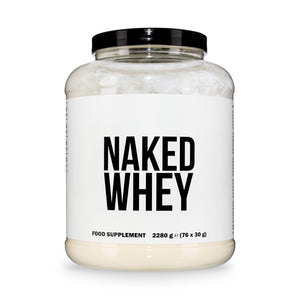

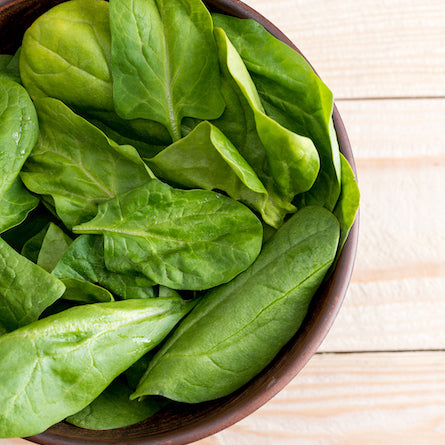
Niezależnie od tego, jak oceniasz smak, szpinak to naprawdę fantastyczne warzywo – pod względem wartości odżywczych.
Jedna filiżanka tych liściastych warzyw jest pełna potasu (około 839 mg w porównaniu do 539 mg w bananie), witaminy K, witaminy A, manganu, kwasu foliowego, miedzi, witaminy B2, witaminy B6, witaminy E, wapnia i witaminy C. Oczywiście szpinak dostarcza też mnóstwo żelaza.
Ostatnio szpinak zyskał też dużo uwagi ze względu na dość imponującą zawartość białka – szczególnie wśród wegan i wegetarian. W rzeczywistości większość kalorii w filiżance szpinaku pochodzi z białka.
Jak jednak białko w szpinaku wypada na tle innych źródeł? A konkretnie, jak plasuje się w porównaniu z wegańskimi proszkami białkowymi?
Aminokwasy
Białka, jak być może wiesz, składają się z mniejszych związków chemicznych zwanych aminokwasami. Choć organizm potrafi sam wytworzyć większość potrzebnych aminokwasów, istnieje dziewięć (zwanych aminokwasami egzogennymi), które muszą być dostarczone z pożywieniem.
Jakość źródła białka (czy jest „pełne”, czy nie) zależy od tego, ile z tych niezbędnych aminokwasów dostarcza. Sportowcy zwykle zwracają też uwagę na ogólny profil aminokwasowy białka – ile każdego aminokwasu zawiera?
Podobnie jak wiele roślinnych źródeł, białko w szpinaku jest niepełne. Nie oznacza to jednak, że jest bezużyteczne, ponieważ brakujące aminokwasy można uzupełnić, jedząc inne produkty – nawet podczas innego posiłku.
Proszki białkowe – w zależności od źródła – zazwyczaj oferują białka kompletne. Serwatka i kazeina to oczywiście białka kompletne. Jeśli jednak jesteś weganinem, te produkty mleczne nie pasują do twojej diety. Wegańskie proszki białkowe, takie jak białko ryżowe czy grochowe, oferują znacznie bardziej imponujący zakres aminokwasów niż szpinak.

Wygoda
Jedną z największych zalet proszków białkowych jest łatwość ich przygotowania i spożycia, co zapewnia szybką dawkę odżywienia w biegu. Szpinak... nie oferuje takiego komfortu.
Choć wiele odmian szpinaku można z powodzeniem jeść na surowo w sałatce lub koktajlu, inne lepiej smakują po ugotowaniu. W każdym przypadku wymaga to znacznie więcej czasu na przygotowanie.
Ogólne wartości odżywcze
Warto też zauważyć, że szpinak, w zależności od sposobu przygotowania, jest produktem o bardzo niskiej kaloryczności. W zależności od twojej diety i celów fitness, może to być zarówno zaleta, jak i wada.
Na przykład filiżanka surowego szpinaku zawiera zaledwie 5 kalorii – w tym 1 g białka, 1 g błonnika i zero tłuszczu. To spora porcja jedzenia przy tak niskiej wartości kalorycznej. A kalorie, przypomnijmy, to źródło energii dla organizmu.

Chociaż nadmiar kalorii odkłada się w postaci tłuszczu, ważne jest, aby spożywać ich odpowiednią ilość. Aby zjeść sycący posiłek lub nawet znacząco wzbogacić posiłek innymi składnikami, potrzeba bardzo dużo szpinaku.
Nawet jeśli spojrzymy tylko na białko w szpinaku, liczby nie są imponujące. Jeden gram białka to niewiele w porównaniu do dziennego zapotrzebowania przeciętnej osoby. Proszek białka grochowego zawiera natomiast aż 27 g wysokiej jakości białka w porównywalnej porcji.