



Jeśli kiedykolwiek poświęciłeś czas na przejrzenie etykiety składników swoich produktów spożywczych, wiesz, że może to być całkiem zaskakujące doświadczenie.
Pozornie proste produkty – takie, które powinny mieć jeden lub dwa składniki – zazwyczaj są wypełnione mnóstwem różnych substancji, z których wiele ma długie, skomplikowane i mylące nazwy.
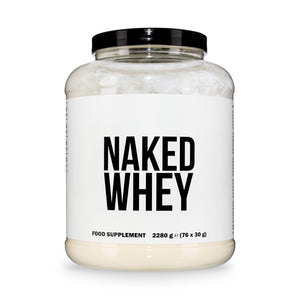
Białko serwatkowe, na przykład, powinno mieć tylko jeden składnik: serwatkę. W końcu popularne źródło białka jest pochodną mleka i, gdy zostanie oddzielone od innych związków tworzących mleko, serwatka jest praktycznie kompletna.
Jednak patrząc na etykiety składników większości proszków białka serwatkowego, rzadko tak jest.
Więc czym są te inne składniki białka serwatkowego? Szczerze mówiąc, niemożliwe jest omówienie każdego składnika, na jaki możesz natrafić. Zamiast tego porozmawiamy o szerokich grupach składników, które możesz zobaczyć.
Barwniki
Na początku serwatka ma chorobliwy, blady, nieco białawy kolor, który większości osób nie wydaje się apetyczny. Aby to naprawić, producenci mogą stosować różne barwniki.
Logicznie rzecz biorąc, jest to naprawdę bardzo nierozsądne użycie potencjalnie szkodliwych substancji. Niektóre z tych sztucznych barwników, na przykład, zostały powiązane ze zwiększonym ryzykiem ADHD i problemów behawioralnych u dzieci.

Wpływ tych substancji jest tak silny, że usunięcie ich z diety dziecka wykazano nawet jako zmniejszające objawy nadpobudliwości u dzieci.
Chociaż istnieje niewiele badań pokazujących negatywne skutki u dorosłych, warto patrzeć na te chemikalia z podejrzliwością, jeśli mogą mieć taki wpływ na dzieci.
Konserwanty
Istnieje mnóstwo różnych chemikaliów używanych do przedłużenia trwałości białka serwatkowego – tak wiele, że nie możemy omówić ich wszystkich.
Warto jednak zauważyć, że benzoesan sodu jest powszechnym składnikiem białka serwatkowego, który również został powiązany z ADHD u dzieci. Benzoesan sodu może także działać jako disruptor endokrynny – negatywnie wpływając na poziomy hormonów. Konserwant ten może również zwiększać ryzyko rozwoju niektórych rodzajów nowotworów.
Inne powszechne konserwanty mają podobne skutki uboczne – w tym ryzyko różnych nowotworów.
Teksturyzatory i emulgatory
Producenci dbają także o teksturę białka serwatkowego i, aby osiągnąć pożądaną gęstość i mieszalność, stosują różne substancje. Znowu, mogą one mieć bardzo różnorodne skutki dla organizmu, w zależności od użytego składnika.
Dwa powszechne emulgatory wykazano jednak, że powodują zmiany w kształcie i zachowaniu bakterii naturalnie zamieszkujących ludzki układ trawienny.
Zazwyczaj te bakterie pomagają trawić jedzenie i chronić przed infekcjami. Pod wpływem tych chemikaliów bakterie te jednak przedostają się do części ciała, gdzie nie powinny się znajdować, i mogą powodować otyłość, cukrzycę oraz problemy trawienne.
Substancje smakowe i słodziki
Sztuczne słodziki od dawna budzą podejrzenia, ponieważ powiązano je ze zwiększonym ryzykiem cukrzycy, otyłości i różnych form nowotworów. Mimo to są powszechnymi składnikami białka serwatkowego.
Różne substancje smakowe są również zwykle dodawane, aby uzyskać różnorodne pożądane smaki. Te „sztuczne i naturalne aromaty” mogą pochodzić z wielu źródeł – z których wiele jest... nieprzyjemnych i nieapetycznych.