




Key Takeaways
- High-Protein Upgrade: Adding unflavored pea protein powder to mashed potatoes dramatically increases protein content without altering the taste or texture.
- Macro Balance: Traditional mashed potatoes are carb-heavy and protein-light. This recipe corrects that imbalance with minimal effort.
- Best Protein Powder Choice: Unflavored pea protein powder is ideal for savory recipes because it blends smoothly and stays neutral in flavor.
- Versatile and Meal-Prep Friendly: This recipe works for vegan, dairy-free, and omnivore diets, and stores well in the fridge for up to four days.
- Simple Process: Boil, mash, add ingredients, stir. The whole recipe takes under 30 minutes.

Pea Protein Powder | Naked Pea
- Plant-Based Protein
- Third-Party Tested
- No Artificial Additives
- Made in the USA
Protein Powder Mashed Potatoes: A High-Protein Twist on a Classic Comfort Food

Mashed potatoes sit at the top of almost every comfort food list for good reason. They're creamy, satisfying, and easy to make. The problem is that a bowl of traditional mashed potatoes is essentially a carbohydrate and fat delivery system with almost no protein to show for it. For athletes, people focused on body composition, or anyone trying to hit a daily protein target, that's a nutritional gap worth closing.
This protein powder mashed potatoes recipe solves that problem without sacrificing the dish you actually want to eat. By folding unflavored pea protein powder into the mix, you get the same creamy texture and savory flavor with a significantly better macro profile. No gritty texture. No strange aftertaste. Just mashed potatoes that actually support your goals.
This recipe is useful for a wide range of people: endurance athletes looking for a post-workout carb and protein combo, lifters who need high-calorie meals that still meet protein targets, and anyone who wants to eat smarter without eating differently. What follows covers the ingredients, step-by-step instructions, nutrition breakdown, and tips for customizing the dish to fit your diet.
Why Add Protein Powder to Mashed Potatoes?

A standard serving of mashed potatoes made with butter and milk contains roughly 2 to 4 grams of protein per cup. The carbohydrate load, by contrast, can run anywhere from 30 to 40 grams depending on portion size and how much fat is added. That ratio makes traditional mashed potatoes a poor fit for meals where protein is the priority, especially around training.
Protein plays a direct role in muscle repair and synthesis after exercise. Research published in the Journal of Nutrition has established that consuming adequate protein post-workout accelerates muscle protein synthesis and reduces recovery time. Pairing carbohydrates with protein post-exercise is also well-supported for glycogen replenishment. Mashed potatoes, structurally, are a solid carbohydrate base. Adding protein powder makes them a complete recovery meal component.
📊 What Research Says
A 2012 review in the British Journal of Sports Medicine found that combining carbohydrate intake with protein post-exercise resulted in greater muscle glycogen resynthesis and improved recovery markers compared to carbohydrates alone. A carb-rich base like mashed potatoes paired with protein powder directly applies this principle.
Beyond recovery, higher protein intake improves satiety. You stay fuller longer after a protein-rich meal, which makes this recipe useful even on non-training days. Unflavored pea protein powder is the right choice for a savory dish like this because it has a neutral flavor profile and blends smoothly without clumping. The texture of the final dish is indistinguishable from standard mashed potatoes.
Ingredients for High-Protein Mashed Potatoes
This recipe keeps the ingredient list short and practical. Everything below is designed to balance flavor, texture, and nutrition without overcomplicating the process.
- 1 lb. unpeeled red potatoes, cubed - Red potatoes have a naturally creamy texture and hold up well when mashed.
- 1/2 head garlic - Roasted or boiled garlic adds depth without overpowering.
- 3/4 tsp. olive oil - Used to roast the garlic and adds a light richness.
- 2 Tbsp. unsalted butter - Substitute vegan butter for a plant-based version.
- 2 Tbsp. fat-free sour cream - Adds creaminess; swap for a dairy-free sour cream alternative if needed.
- 2 Tbsp. 1% milk - Use oat milk or unsweetened almond milk for a dairy-free option.
- 3 scoops Naked Pea Protein Powder - Unflavored pea protein is the best choice here. It mixes smoothly and adds no competing flavors.
- 1/2 tsp. salt
- Fresh ground pepper to taste
Optional add-ins for flavor variation: fresh or dried chives, shredded sharp cheddar, garlic powder, smoked paprika, or nutritional yeast for a dairy-free cheesy note. These additions don't change the core macro structure but give you a different dish every time.
Step-by-Step Instructions

Prep time: 10 minutes | Cook time: 20 minutes | Total time: 30 minutes | Yield: 2 servings
- Prepare the garlic. Separate, peel, and mash the garlic cloves. If you prefer a roasted garlic flavor, toss the cloves in the olive oil and roast at 400°F for 20 minutes until golden and soft.
- Boil the potatoes. Bring a pot of water to a boil. Add the cubed red potatoes and cook for 15 to 20 minutes, or until a fork slides through easily with no resistance.
- Drain and mash. Drain the potatoes thoroughly. Mash them while still hot using a potato masher or hand mixer. Hotter potatoes absorb the other ingredients more evenly.
- Add the wet ingredients. Stir in the butter, sour cream, and milk. Mix until the base is smooth and creamy.
- Add the protein powder. Scoop in the Naked Pea Protein Powder and fold it in gradually. This prevents clumping. Do not use a high-speed blender at this stage or the potatoes will become gluey from over-mixing the starches.
- Season and finish. Add the garlic, salt, and fresh ground pepper. Taste and adjust seasoning. Serve immediately for best texture.
- Always add protein powder after the wet ingredients so it has liquid to absorb.
- Fold the powder in gradually using a spoon or spatula, not a whisk or blender.
- If the mixture feels too thick, add a splash of warm milk one tablespoon at a time.
- Serve immediately or keep warm covered. Protein powder can thicken the potatoes further as they cool.
For a visual walkthrough of this recipe, the original YouTube demonstration covers the full cooking process from boiling to plating.
Nutrition Facts and Macros Per Serving

The numbers below are estimates based on the ingredient quantities listed. Exact values will vary depending on the specific brands you use and any substitutions made.
- Calories: approximately 380 to 420 per serving
- Protein: approximately 35 to 40g per serving
- Carbohydrates: approximately 38 to 42g per serving
- Fat: approximately 8 to 10g per serving
- Fiber: approximately 3 to 4g per serving
Compare that to a standard serving of traditional mashed potatoes, which typically delivers 2 to 4 grams of protein with a similar or higher calorie count from added fats. This recipe adds roughly 30 grams of protein per serving, which represents a meaningful difference for anyone trying to hit a daily protein target of 130 to 180 grams.
The carbohydrate content stays in a useful range for post-workout recovery. Potatoes are also a source of potassium, vitamin C, and B6, nutrients that support muscle function and energy metabolism. This isn't just a protein hack. It's a nutritionally dense meal component. If you opt for dairy-free substitutions, the fat content may decrease slightly depending on what you use.
Tips, Variations, and Serving Ideas
Once you have the base recipe down, there's a lot of room to customize it based on your diet, goals, and flavor preferences.
Flavor variations:
- Roasted garlic version: Roast the full head of garlic before mashing for a sweeter, more complex flavor.
- Cheesy protein mashed potatoes: Fold in 1/4 cup of shredded sharp cheddar or nutritional yeast after adding the protein powder.
- Herb-infused: Stir in fresh chives, rosemary, or thyme for a more aromatic dish.
- Spiced version: A pinch of smoked paprika or white pepper adds subtle heat without overwhelming the flavor.
Vegan and dairy-free swaps: Replace butter with a plant-based alternative like Earth Balance, swap the milk for unsweetened oat or almond milk, and use a coconut or cashew-based sour cream. The Naked Pea Protein Powder is already vegan, so no changes needed there.
Pairing suggestions: These protein mashed potatoes work well alongside grilled chicken breast, pan-seared salmon, roasted vegetables, or a lean beef patty. They also work as a base for shepherd's pie or a side for turkey meatballs.
Storage and reheating: Store leftovers in an airtight container in the refrigerator for up to four days. When reheating, add a tablespoon of warm milk or water and stir over low heat to restore the creamy texture. Microwave reheating works but can dry out the dish without the added liquid. Avoid freezing, as the potato texture deteriorates significantly after thawing.
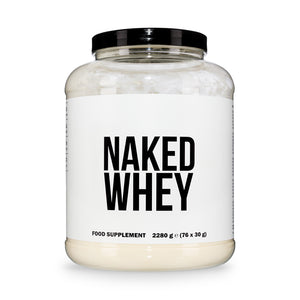
If you're not plant-based and want a slightly different protein profile, Naked Whey Protein is an alternative worth considering. It adds a mild creaminess and blends well with the butter and sour cream already in the recipe.
The Best Protein Powder for Cooking and Recipes

Not every protein powder works in a savory recipe. Flavored powders like vanilla or chocolate will compete directly with the seasoning in a dish like this, and the result is exactly as strange as it sounds. For cooking, you need a powder that stays neutral, mixes smoothly, and holds up to heat without curdling or becoming grainy.
- Unflavored: No sweeteners or flavor compounds that conflict with savory ingredients.
- Minimal ingredients: Fewer additives mean cleaner flavor integration and no artificial aftertaste.
- Heat stability: Pea and whey proteins both retain their protein structure at typical cooking temperatures, meaning the amino acid profile is preserved.
- Smooth mixability: A powder that clumps in a shaker is going to cause problems in mashed potatoes. Fine-milled powders blend more evenly.
Naked Pea Protein Powder meets all of these criteria. It's made from a single ingredient: yellow split peas. No artificial sweeteners, no fillers, no additives. Each serving delivers around 27 grams of protein, and the unflavored version has a neutral taste that disappears completely into savory dishes like this one.
For non-vegan users, Naked Whey is an equally clean option. It's sourced from grass-fed cows, contains no artificial ingredients, and adds a slight creaminess that works well in dairy-based mashed potatoes. The choice between the two comes down to dietary preference, not performance. Both will get you to the same protein target.
Naked Nutrition's clean ingredient philosophy matters here specifically because you're cooking with this product. When a protein powder has five ingredients versus twenty-five, you know exactly what's going into your food. That's not a marketing angle. It's a practical consideration for anyone who cooks regularly with supplements.
Frequently Asked Questions
What type of protein powder works best in mashed potatoes?
Unflavored whey or casein protein powder blends most smoothly into mashed potatoes without altering the savory flavor profile. Plant-based options like unflavored pea protein also work well, though they can produce a slightly grainier texture if you over-mix. Avoid flavored varieties like vanilla or chocolate unless you're intentionally making a sweet version.
How much protein powder should I add per serving?
One scoop (roughly 25 to 30 grams) per two to three servings of mashed potatoes is a practical starting point. Going beyond that risks a chalky texture and a noticeably protein-forward taste. Start with half a scoop if you're new to cooking with protein powder, then adjust based on your texture and macro targets.
Will protein powder make my mashed potatoes gluey or gummy?
It can, if you add too much or mix too aggressively. Protein powder absorbs liquid, so the key is to fold it in gently after the potatoes are already mashed and to add extra warm milk or broth as needed. Over-mixing activates starch in the potatoes simultaneously, which compounds the gluey texture problem.
Does cooking with protein powder destroy its nutritional value?
Protein does denature when heated, but denatured protein is still digestible and still delivers the same amino acid profile. You're not losing meaningful nutritional value by stirring protein powder into hot mashed potatoes. The amino acids remain intact and bioavailable after cooking.
How many grams of protein can I realistically get per serving of protein mashed potatoes?
A standard serving of plain mashed potatoes delivers around 2 to 4 grams of protein naturally. Adding one scoop of Naked Whey pushes that number to approximately 27 to 29 grams per serving, depending on your recipe size. That puts a side dish squarely in the range of a meaningful protein source, not just a supplement to your meal.
Is this recipe suitable for people who are lactose intolerant?
It depends on your protein powder and your dairy choices. Whey concentrate contains more lactose than whey isolate, so swapping to a whey isolate or a plant-based protein powder removes most of the concern. You can also substitute dairy milk with oat milk or unsweetened almond milk without a significant impact on texture.
Can I make protein mashed potatoes ahead of time and reheat them?
Yes, and they reheat well when you add a splash of warm broth or milk before microwaving or warming on the stovetop. Protein mashed potatoes tend to thicken as they cool, so reheating without added liquid produces a drier, denser result. Stored in an airtight container, they keep well in the refrigerator for up to four days.
Does Naked Nutrition's protein powder contain artificial sweeteners or additives?
Naked Whey contains one ingredient: whey protein concentrate sourced from US grass-fed cows. There are no artificial sweeteners, flavors, colors, or fillers, which is exactly why it works in savory recipes like mashed potatoes without introducing off-flavors. The unflavored version is third-party tested and certified free of banned substances by Informed Sport.
Top General Nutrition Picks
Chosen by 1 million+ customers. Free shipping on orders over $100.

Grass Fed Whey Protein Powder | Naked Whey - 1LB
$26.99
- ✓ Build and Maintain Lean Muscle Mass
- ✓ Boost Immune System
- ✓ Lose Fat
- ✓ Improve Heart Health

Grass Fed Whey Isolate Protein Powder | Naked Whey Isolate - 2LB
$51.99
- ✓ Zero Sugar & Zero Carbs
- ✓ Easy Digestion
- ✓ Maximum Pure Protein

Micellar Casein Protein Powder | Naked Casein - 1lb
$24.99
- ✓ Why Micellar Casein Protein
- ✓ Promote Muscle Growth While You Sleep
- ✓ Improve Body Composition

Bone Broth Protein Powder | Naked Bone Broth - 1LB
$39.99
- ✓ Sourced from premium European Beef Bones
- ✓ Gently processed in Sweden without solvents
- ✓ Maximum nutrient retention and bioavailability
- ✓ 20g of protein and 17g of collagen per serving