





Key Takeaways
- Different goals, different metrics: Weight loss targets the number on the scale; body recomposition targets your fat-to-muscle ratio. These require different strategies.
- Calories still matter: Body recomposition uses a moderate deficit of 200-400 calories, not the aggressive 500-calorie cut typical of weight loss diets.
- Protein is the cornerstone: Aim for 1.4-2.2g of protein per kilogram of body weight per day, distributed evenly across meals, to support muscle protein synthesis.
- Resistance training is non-negotiable: You cannot recomp your way to a leaner body without progressive strength training as the foundation.
- The scale is a poor progress tool: Use body circumference measurements, progress photos, and strength gains to track recomposition accurately.
- Timeline is realistic: Noticeable changes take 4-12 weeks; significant transformation takes 3-6 months of consistent effort.
- Whey protein supports the process: Its fast absorption and high leucine content make it an efficient tool for hitting daily protein targets and triggering muscle protein synthesis.

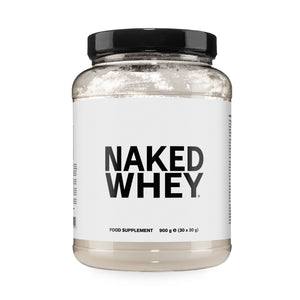
Grass Fed Whey Protein Powder | Naked Whey - 5LB
- Build and Maintain Lean Muscle Mass
- Boost Immune System
- Lose Fat
- Improve Heart Health
Body Recomposition vs Weight Loss: What's the Difference?

If you've got a few inches to lose, weight loss is the obvious goal. But it might not be the right one. The real question isn't how much you weigh. It's how much of that weight is fat versus lean muscle tissue.
Weight loss, in the traditional sense, is a reduction in total body mass measured on a scale. The approach is straightforward: eat less than you burn, and the number goes down. What it doesn't account for is what you're losing. A person who drops 20 pounds through calorie restriction alone often loses a significant amount of muscle alongside the fat, leaving them lighter but not necessarily leaner or healthier.
Body recomposition takes a different approach entirely. The goal is to simultaneously reduce fat mass and increase lean muscle mass, reshaping your body without necessarily changing your total weight. As research published in Nutrients confirms, your ratio of muscle mass to fat mass is a more meaningful indicator of metabolic health than body weight alone [6].
📊 What Research Says
A review in BMC Public Health found that muscle-to-fat ratio predicts cardiometabolic risk more accurately than BMI or total body weight, reinforcing that body composition — not scale weight — is the metric worth optimizing. [7]
Here's how the two approaches compare at a glance:
- Calorie approach: Weight loss uses a 500-calorie daily deficit; recomposition uses a modest 200-400 calorie deficit
- Training focus: Weight loss often relies on cardio; recomposition centers on progressive resistance training
- Measurement method: Weight loss tracks scale weight; recomposition tracks circumference measurements, body fat percentage, and strength
- Timeline: Weight loss can show fast results; recomposition is slower but more durable
- Sustainability: Traditional dieting has poor long-term adherence; recomposition builds habits that last
What Is Body Recomposition?

Body recomposition is the process of simultaneously losing fat and building lean muscle. It sounds counterintuitive because traditional fitness advice separates these goals into distinct phases: bulk first, then cut. But for most people, especially those who aren't competitive athletes, simultaneous recomposition is not only possible, it's the smarter long-term play.
The reason the scale can mislead you here is simple: muscle is denser than fat. As you gain muscle and lose fat, your body's volume decreases even if your total weight holds steady or barely moves. Two people at the same weight can look dramatically different based on their body composition. This is why circumference measurements and how your clothes fit are far more informative than the number on the scale during a recomposition phase.
Who benefits most from this approach? Three groups in particular:
- Beginners: Those new to structured resistance training can build muscle and lose fat simultaneously with relative ease because the training stimulus is novel and powerful
- Returning athletes: People coming back after a break often experience accelerated muscle regain due to muscle memory, making recomposition highly achievable
- Higher body fat individuals: A larger fat reserve provides energy to fuel muscle building, even in a slight caloric deficit
Advanced athletes are a different case. After years of consistent training, they're closer to their genetic ceiling for muscle development. For them, dedicated bulk and cut phases often produce better results than trying to do both simultaneously. But for the vast majority of people reading this, body recomposition is not only achievable, it's the approach most aligned with long-term health. It's a lifestyle shift, not a 6-week diet.
How Nutrition Fuels Body Recomposition

Get the nutrition strategy wrong and recomposition stalls. Get it right and the process feels sustainable because you're eating enough to perform, recover, and feel good while still making measurable progress.
The calorie target for recomposition sits at a moderate deficit of 200-400 calories below your maintenance intake. This is meaningfully different from the 500-calorie deficit associated with weight loss diets. Research published in the Journal of the Academy of Nutrition and Dietetics confirms that deficits beyond 500 calories per day increase the risk of muscle loss, metabolic adaptation, and nutrient deficiency [1]. You need enough fuel to build muscle even while burning fat.
Protein is the cornerstone. A review in the Journal of the International Society of Sports Nutrition recommends 1.4-2.2g of protein per kilogram of body weight per day for those actively trying to build muscle [2]. A 150-pound person, for example, should target roughly 96-150g of protein daily. Equally important is distribution: research shows that spreading protein evenly across meals rather than concentrating it in one or two sittings maximizes muscle protein synthesis throughout the day [4]. Aim for a quality protein source at every meal and most snacks.
Carbohydrates aren't the enemy here. They're your workout fuel. Glycogen stored in muscle tissue powers your training sessions, and replenishing it post-workout supports recovery and performance. Prioritize whole grains, fruits, and vegetables, but avoid high-fiber options immediately before training to prevent digestive discomfort [5]. Healthy fats from sources like avocado, olive oil, nuts, and fatty fish round out the picture, supporting hormone production, fat-soluble vitamin absorption, and satiety.
If you dislike calorie tracking, a practical shortcut is making food quality swaps. Swap sugary cereal for eggs with fruit and turkey sausage. Portion out evening snacks instead of eating straight from the bag. These shifts reduce low-nutrient calories and increase protein without requiring a spreadsheet.
The Role of Training in Body Recomposition
Nutrition sets the conditions. Training is what actually changes your body composition. Without a structured resistance training program, the protein you eat has no reason to go toward building new muscle tissue. It will simply be used for energy or excreted.
Progressive overload is the mechanism that drives muscle growth. This means consistently challenging your muscles by increasing load, volume, or difficulty over time. Your body only builds new muscle when it's given a stimulus it hasn't fully adapted to. Training with the same weights for the same reps every week delivers maintenance, not growth.
- Train each major muscle group 2-4 times per week to maximize the muscle protein synthesis signal
- Apply progressive overload: increase weight, reps, or sets consistently over weeks and months
- Include cardio for cardiovascular health and caloric balance, but don't let it cannibalize recovery
- Prioritize 7-9 hours of sleep: muscle is built during rest, not during the workout itself
- Manage chronic stress: elevated cortisol promotes fat storage and accelerates muscle breakdown
Cardio has a place in a recomposition plan, but context matters. It helps create the caloric balance that supports fat loss, and it improves cardiovascular capacity, which directly benefits your training performance. The problem arises when cardio volume is so high that it interferes with recovery from strength training. If you're walking out of every session too depleted to lift with good form the next day, dial it back.
Sleep and stress management are often treated as afterthoughts, but they're structural pillars of recomposition. Growth hormone is released during deep sleep, muscle tissue is repaired overnight, and cortisol, elevated chronically by poor sleep and unmanaged stress, actively opposes both fat loss and muscle retention. Treat your recovery with the same seriousness as your workouts.
How to Support Body Recomposition with Whey Protein

Hitting 1.4-2.2g of protein per kilogram of body weight every day from whole food sources alone is genuinely difficult for most people. It requires planning, prep time, and a consistent appetite for high-protein meals. Whey protein closes that gap efficiently and cleanly.
Whey is fast-digesting, which makes it particularly effective in the post-workout window when muscles are primed to absorb amino acids. Its complete amino acid profile covers every essential amino acid your body can't produce on its own. Critically, whey is exceptionally high in leucine, the amino acid that acts as the primary trigger for muscle protein synthesis. Research confirms that leucine threshold must be met per meal to reliably activate MPS, and whey delivers it consistently [3].
When to use it strategically:
- Post-workout: Within 30-60 minutes of training to capitalize on elevated muscle protein synthesis
- Morning: After an overnight fast, a quick protein source prevents muscle catabolism early in the day
- Between meals: When whole food options aren't available or convenient, a shake maintains your protein distribution without adding excessive calories
Naked Whey is formulated with minimal ingredients and no artificial additives, fillers, or sweeteners. What you get is a high-quality whey concentrate that supports your recomposition goals without loading your daily intake with unnecessary extras. Available in vanilla, chocolate, and unflavored options, it fits into shakes, smoothies, or recipes based on your preference. If you're serious about hitting your daily protein targets consistently, Naked Whey is a practical, clean tool to help you do it.
Should You Focus on Body Recomposition or Weight Loss?
The honest answer is that it depends on where you're starting from, and what you're actually optimizing for.
Pure weight loss makes sense in specific scenarios. If a physician has recommended significant weight reduction for medical reasons, or if your body fat percentage is high enough that it's creating health risks independent of muscle mass, reducing total body weight first can be a reasonable priority. Some people also find it easier to shift into a recomposition mindset once they've made initial progress and feel more confident in the gym.
Body recomposition is the better default for most people who want to look better, feel stronger, and sustain those changes over time. It's particularly well-suited for:
- People who are technically at a "normal" weight but feel soft or untoned
- Those returning to training after time off
- Anyone who has yo-yo dieted and wants a more durable approach
- Beginners who haven't established a consistent strength training base
It's also worth clarifying the difference between body recomposition and cutting. Cutting is an aggressive, time-limited protocol used by athletes or competitors to drop body fat rapidly while preserving muscle, typically in preparation for an event or weigh-in. Research on competitive athletes shows that cutting involves strict caloric restriction and is not intended as a long-term strategy [8]. Body recomposition is the opposite: a sustainable, lifestyle-aligned approach with no end date.
Set realistic expectations. Recomposition is slower than crash dieting, and the scale may barely move. But the results, measured in how you look, how you move, and how strong you feel, are far more durable.
How Long Does Body Recomposition Take? (And What Results to Expect)

Most people begin noticing visible changes within 4-12 weeks. Significant shifts in body composition, the kind other people comment on, typically take 3-6 months of consistent effort. This is slower than a crash diet, and that's the point. The changes are structural, not superficial.
Several factors determine how quickly you see results:
- Starting body composition: Higher body fat provides more substrate for fat loss while training stimulus drives muscle gain
- Training experience: Beginners respond faster; advanced trainees see slower, harder-won progress
- Nutrition consistency: Sporadic protein intake or frequent large calorie swings disrupt progress significantly
- Sleep quality: Chronic poor sleep elevates cortisol and suppresses growth hormone, both of which slow recomposition
- Age: Anabolic hormone levels decline with age, but recomposition remains achievable at any age with adequate protein and training
The most common mistakes that stall progress are predictable: cutting calories too aggressively (which triggers muscle loss rather than fat loss), not eating enough protein, skipping or underperforming in strength training, and treating sleep as optional. Each of these has a compounding negative effect.
When the scale doesn't move, track differently. Body circumference measurements taken monthly, progress photos taken in consistent lighting, strength improvements in your key lifts, and how your clothes fit are all more informative than the scale during recomposition. A stalled scale number alongside a shrinking waistline and a new personal record on squats is not a failure. It's the process working exactly as it should.
Commit to the timeline. Sustainable body recomposition is measured in months, not weeks. The people who get there are the ones who stop waiting for dramatic scale movement and start paying attention to the right metrics.
Frequently Asked Questions
What is the difference between body recomposition and weight loss?
Weight loss simply means reducing the number on the scale, which can include muscle, fat, and water. Body recomposition means simultaneously losing fat and gaining muscle, so your weight might stay the same or change only slightly while your physique changes significantly. The scale alone can't tell you which one is happening.
Can you actually build muscle and lose fat at the same time?
Yes, but your results depend heavily on your training experience, diet quality, and protein intake. Beginners and people returning after a break see the strongest recomposition results because their muscles respond sharply to new training stimulus. Advanced lifters can still achieve it, but the process is slower and requires more precision.
How much protein do you need for body recomposition?
Research consistently points to 0.7 to 1 gram of protein per pound of bodyweight per day as the effective range for recomposition. Spreading intake across three to four meals keeps muscle protein synthesis elevated throughout the day. Hitting those targets with whole foods alone is possible but difficult, which is where a quality whey protein supplement helps close the gap.
Does whey protein help with body recomposition specifically?
Whey protein is one of the best-studied supplements for recomposition because it delivers a complete amino acid profile with high leucine content, the amino acid that directly triggers muscle protein synthesis. A 2017 study by Morton et al. in the British Journal of Sports Medicine found that protein supplementation significantly increased lean mass gains in resistance-trained individuals. It also keeps you fuller longer, which helps with the moderate calorie deficit recomposition often requires.
How long does body recomposition take to show results?
Most people start noticing visible changes in body composition within eight to twelve weeks of consistent training and adequate protein intake. The scale won't reflect the full picture since muscle gain can offset fat loss numerically. Progress photos and body measurements are far more useful tracking tools than weight alone.
Is body recomposition better than traditional weight loss for everyone?
Not necessarily. If someone carries a large amount of excess body fat, a structured fat-loss phase with a meaningful calorie deficit often produces faster and more motivating results before shifting focus to recomposition. Body recomposition works best for people who are relatively lean, consistent with resistance training, and eating enough protein. The right approach depends on your starting point.
What type of training supports body recomposition most effectively?
Progressive overload resistance training is the foundation of recomposition. You need a consistent stimulus that challenges your muscles to grow, which means adding weight, reps, or difficulty over time rather than doing the same routine indefinitely. Cardio plays a supporting role for overall health and calorie management, but it doesn't drive the muscle-building side of the equation.
Are Naked Nutrition whey protein products third-party tested?
Yes. Naked Nutrition products are third-party tested for heavy metals, banned substances, and label accuracy. Clean ingredient lists with no artificial sweeteners, colors, or fillers are a core part of the brand's standard, not a marketing claim. If you're tracking macros precisely for recomposition, knowing exactly what's in your protein powder matters.
Top Whey Protein Picks
Chosen by 1 million+ customers. Free shipping on orders over $100.

Grass Fed Whey Isolate Protein Powder | Naked Whey Isolate - 2LB
$74.99
- ✓ Zero Sugar & Zero Carbs
- ✓ Easy Digestion
- ✓ Maximum Pure Protein

Micellar Casein Protein Powder | Naked Casein - 2LB
$49.99
- ✓ Slow-release micellar casein, perfect before bed
- ✓ Exclusively sourced from U.S. farms
- ✓ 26g of protein and 5.4g of BCAA's per serving
- ✓ Made with rBGH-free skim milk

Pea Protein Powder | Naked Pea - 2LB
$34.99
- ✓ Sustainable Farming Practices
- ✓ Superior Amino Acid Profile
- ✓ Promote Muscle Gain
- ✓ Lose Weight