



Whey protein is a popular athletic supplement but it may not be suitable for everyone. A common question surrounding whey protein is whether or not it is appropriate for those following a vegetarian diet.
While it seems like a simple question, the answer may be more complex and depends on the strictness of the diet being followed.
What Is Whey Protein?
Whey protein is the protein concentrated from whey, a liquid byproduct of cheese making. It comes from cow’s milk and is an excellent source of protein that is used by many to help boost muscle growth in combination with resistance exercise [1].
How Is Whey Protein Made?

Whey is the liquid byproduct of traditional cheese making. During this process, cow’s milk is coagulated by an enzyme, rennet, that separates whey (the protein-rich liquid) from curds (the solid portion made from both fat and protein) [1].
Once whey is separated, the liquid is removed and it is concentrated into a powder form that can be easily mixed into foods and liquids. It may be even further concentrated into an isolated form, which contains a higher protein content.
Is Whey Protein Vegetarian
A traditional vegetarian diet restricts meat, poultry, and seafood. Most vegetarian diets allow for dairy products and eggs but not all. Whether or not whey protein is considered vegetarian-friendly depends on the strictness of the diet.
Additionally, rennet, the enzyme used to separate whey protein in the process of cheese making is not considered vegetarian-friendly as it is traditionally made from the stomach lining of certain livestock animals [2].
Whey protein comes from cow’s milk which makes it an animal product and most whey protein is made by using rennet to separate it from curds in cow’s milk. However, most standard vegetarian diets restrict animal meats and not animal byproducts such as dairy and eggs.
In many cases, whey protein can be seen as vegetarian-friendly depending on how strict of a vegetarian diet one follows. It is not, however, considered plant-based or vegan-friendly as it is sourced from cow’s milk.
While there is a rennet that is derived from vegetables, products are not required to list what source their rennet comes from during processing so it can be challenging to find a whey protein product that discloses if it uses animal-derived rennet or not.
If you want to find a whey protein powder that is vegetarian-friendly, look for the V-label, a registered seel for labeling vegan and vegetarian products [3].

Whey Protein Concentrate Vs. Isolate
Whey protein can be found in two forms, a concentrate or an isolate. The main difference between the two is the level of processing.
Whey protein concentrate is more popular and tends to be more affordable than isolate. However, whey protein isolate contains more protein.
A whey protein concentrate typically contains 80% protein and 20% carbohydrates and fat while an isolate contains 90% protein or more. Other than that, concentrate and isolate contain the same amino acids and are derived from the same source [4].
Dairy-Free Whey Protein Alternatives
If you want a high-quality protein powder but are looking for a dairy-free option, consider either pea protein or peanut butter protein.
Pea protein is derived from yellow split peas and contains similar protein content and benefits compared to whey protein. Pea protein is also free of the most common allergens as well as vegan-friendly which makes it a great option for those who have special dietary needs or restrictions [5, 6, 7].
Peanut butter (PB) protein is another great dairy-free protein powder option. While PB protein contains less protein per serving compared to whey protein, it can still help with building lean muscle mass. It also contributes a delicious peanut butter flavor for those who are partial.
You can even mix PB powder and whey protein to get more protein per serving and create a sinfully delicious, guilt-free treat such as this chocolate PB whey protein shake recipe below.

Chocolate PB Whey Shake Recipe
Serves 1
Ingredients:
- 1 scoop Naked Whey in chocolate
- 1 scoop Naked PB powdered peanut butter
- ½ tsp unsweetened cocoa powder
- 1 frozen banana
- 1 cup of milk of choice
- 1 tsp honey (optional)
- Ice as needed
Directions:
Blend all ingredients in a high-powered blender. Add ice as needed to achieve the desired thickness.
What To Look For In Whey For Vegetarians
Most whey protein powders are considered vegetarian-friendly however, it depends on what type of vegetarian diet you follow. It’s always important to read the supplement facts label to ensure you know what you are getting from your product.
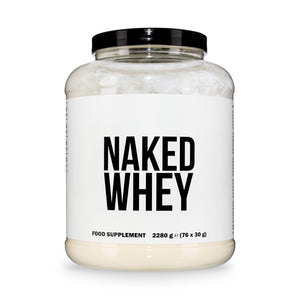
Choose supplements that contain limited, high-quality ingredients, such as our whey protein powder which contains only 3 ingredients.
If you are concerned about your protein powder containing animal-derived products, look for the V-label that indicates a food or supplement is vegan and/or vegetarian-friendly, or opt for a plant-based protein powder such as pea protein or peanut butter protein.