




If you've ever taken the time to glance over the ingredients label of your foods, you know it can be a pretty surprising experience.
Seemingly straightforward foods – things that should have one or two ingredients – are generally stuffed with tons of different substances, many of which have long, complex and confusing names.
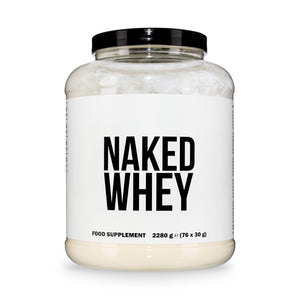
Whey protein, for example, really should just have one ingredient: Whey. After all, the popular protein source is a derivative of milk and, once it's separated from the other compounds that make up milk, whey is pretty much complete.
But, looking at the ingredients labels of most whey protein powders, this is seldom the case.
So, what are those other whey protein ingredients? Honestly, it's impossible to cover each and every ingredient that you might encounter here. Instead, we're going to talk about broad groups of ingredients that you might see.
Dyes
In the beginning, whey is a sickly, pale, off-white color that most people don't find very appetizing. To remedy this, manufacturers can employ any number of different dyes.
If you think about it logically, this is really a very silly use of what could be potentially harmful substances. Some of these artificial dyes, for instance, have been linked with an increased risk of ADHD and behavioral problems in children.

The impact of these substances is so powerful that removing them from a child's diet has even been shown to decrease signs of hyperactivity in children.
While there is little research to show any negative effects in adults, it's worth viewing these chemicals with an eye of suspicion if they are capable of having such an effect on children.
Preservatives
There are tons of different chemicals that are used to extend the shelf-life of whey protein – so many that we cannot discuss them all.
Notably, however, sodium benzoate is a common whey protein ingredient that has also been linked to ADHD in children. Sodium benzoate can also act as an endocrine disruptor – negatively effecting hormone levels. The preservative could also increase the risk of developing certain types of cancer.
Other common preservatives have similar side-effects – including the risk of various cancers.
Texturizers and Emulsifiers
Manufacturers are also concerned with the texture of whey protein and, to achieve the desired thickness and mixability, an assortment of substances are used. Again, these can have a huge range of effects on the human body, depending on exactly what ingredient is used.
Two common emulsifiers, however, have been shown to actually cause changes in the shape and behavior of the bacteria that naturally inhabit the human digestive system.
Normally, these bacteria work to help you digest food and ward off injection. Under the influence of these chemicals, however, the bacteria actually enters parts of the body where they do not belong and can cause obesity, diabetes and digestive problems.
Flavorings and Sweeteners
Artificial sweeteners have long been under suspicion, having been linked with an increased risk of diabetes, obesity and various forms of cancer. Still, they are common whey protein ingredients.
A variety of flavorings are also typically added to achieve any number of desired flavors. These “artificial and natural flavors” can come from any number of sources – many of which are... unsavory and unpleasant.