





Many gym goers utilize protein powders as an easy and efficient way to fuel their workout and recovery. With so many known benefits of taking a protein powder supplement, it might be difficult to believe that there could be dangerous contaminants hiding in these products.
Unfortunately, studies have found many popular protein powders to include harmful heavy metals such as mercury, lead, cadmium, and arsenic.
Why Would There be Heavy Metals in Protein Powder
With so many regulations to protect against harmful substances in our food system, how are heavy metals finding their way into our protein powder?
The answer likely lies within farming conditions. Soil and water can become contaminated by heavy metals which then get absorbed by the crops that are grown in that environment.
Any animals on that farm that are ingesting crops grown from the contaminated environment become contaminated through their feed. Products can also be exposed to heavy metals during processing [1].

What Have Studies Shown About Heavy Metals in Protein Powder
A study from the Clean Label Project measured the presence and amounts of heavy metals found in 134 protein powders.
This study found that virtually all protein powders contained measurable amounts of at least one heavy metal. Plant protein powders, such as soy and hemp, contained significantly higher levels than whey and egg protein.
This is likely due to plants absorbing higher amounts through the soil. Whey and egg protein measured less because the only contaminant was the feed provided to the animals [2].
The Danger of Heavy Metals in Protein Powder
The concern with heavy metals in protein powder is elevated for products that are intended to be taken multiple times a day.
Heavy metal exposure has been linked to an increased risk of cancer, kidney disease, cardiovascular disease, and more. It’s believed the body holds onto these metals and they slowly accumulate over the years causing adverse health effects [1].
However, according to a 2020 study on the health risks of heavy metal ingestion in protein powders, ingestion of these supplements did not show any adverse health effects.
All in all, the potential long-term health impacts of ingesting these products regularly remain in the air. For this reason, it’s best to try to avoid or limit exposure if you can [3].

Are Protein Powders Safe?
Protein powders are considered safe for most healthy adults however, there are steps you can take to make a better choice when it comes to these products.
Aside from choosing a protein powder from a reputable manufacturer, avoiding unnecessary additives such as added sugar and artificial sweeteners and preservatives, and choose products that are free of heavy metals.
How to Make Sure Your Protein is Free of Heavy Metals
There are a few steps you can take to make sure you are choosing the best protein powder supplement that is free of heavy metals.
Point of Origin
Look for protein powders that are sourced in the United States or Canada as they have stricter standards when it comes to farming and processing practices compared to other countries.
Transparency of Ingredients
Choose protein powders that offer transparency about their ingredients, including where ingredients were grown or made, allergy concerns, certified organic seals, and more.
Look for Third-Party Heavy Metal Testing
Some protein powder companies, such as Naked Nutrition, provide third-party heavy metal testing on their products to provide even further transparency for their consumers.
This allows you to make an educated choice regarding the products you choose and limit your exposure to heavy metals.
Choose Pasture-Raised Cows for Whey/Casein
Choosing whey or casein protein powder from pasture-raised cows greatly reduces the chances of heavy metal contamination through the feed.
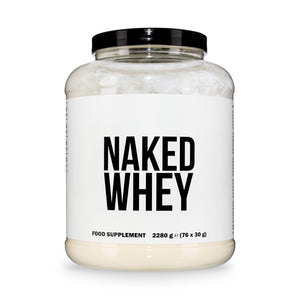
Naked Whey, for example, is sourced exclusively from small dairy farms in Northern California and Idaho where the cows spend the vast majority of the year on open pastures.
