


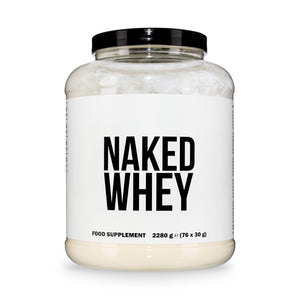

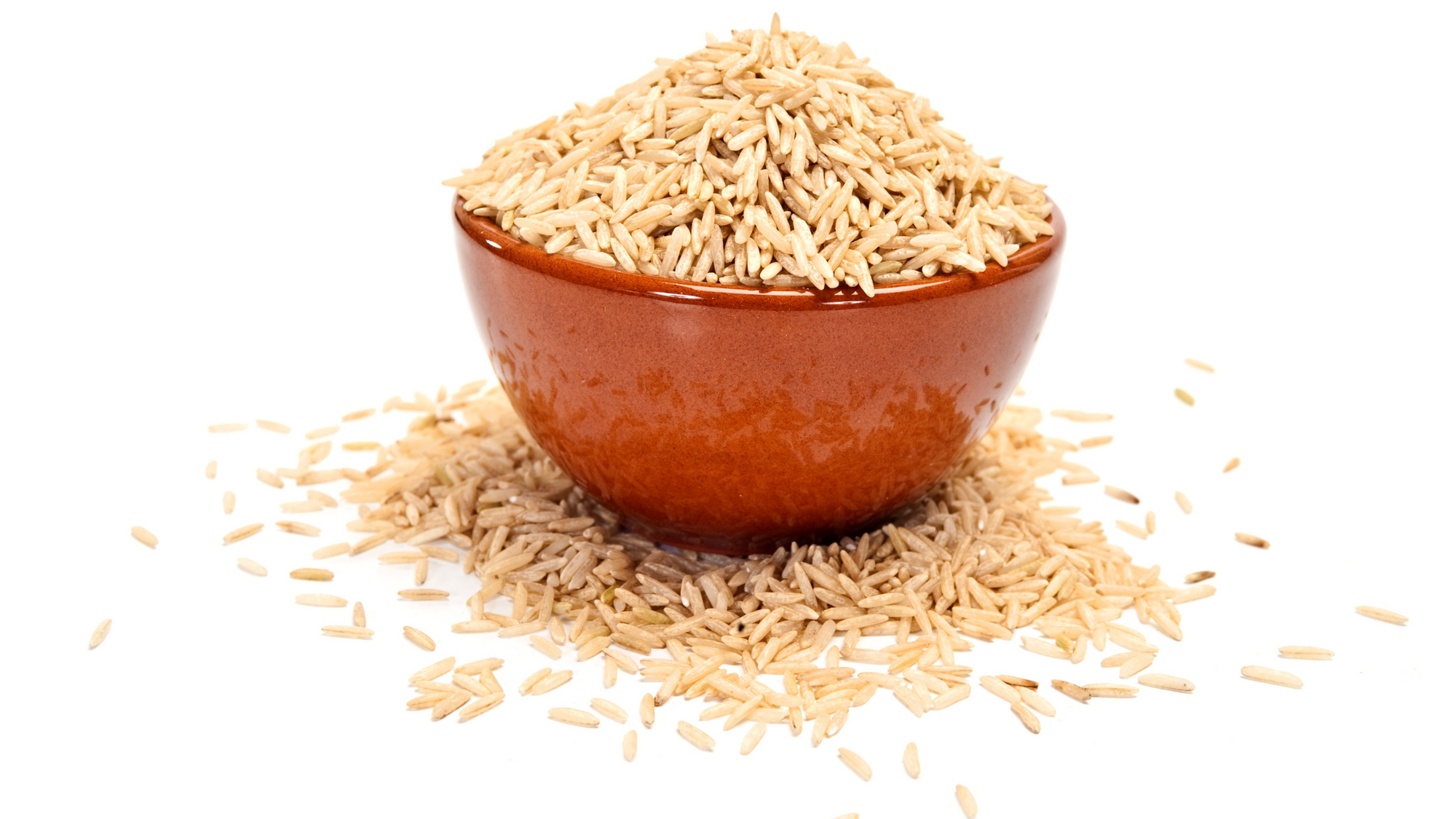
Although it's not normally thought of as a “protein-rich” food, there is a fair amount of protein in the humble rice grain. Once it is extracted, the protein can be converted into a high-quality, extremely useful powder.
But... why? What are some of the benefits of brown rice protein powder? Let's take a look at ten reason to use rice protein.

1. Easily digested - Very often, people taking protein powders or on a high protein diet struggle with digestive upset. Rice protein powder, however, tends to be easier to digest and limit these problems.
2. Improved taste – Many vegan proteins, like pea protein, have strong or distinct flavors that make it difficult for some users. Just like the grain from whence it is taken, though, rice protein powder has a very subtle taste.
3. Hypo-allergenic - Unlike protein powders that are derived from milk, soy, or wheat, there are no concerns with allergies when it comes to rice protein powders.
4. Easy to cook with - Thanks to the light taste, referenced above, rice protein powder can easily be used in various recipes to improve their nutritional profile. Heat also does not destroy the protein in rice powder, so the supplement will be unaffected by cooking or baking.
5. Adaptable – Along the same lines, rice protein powder can be used in a wide variety of ways. As mentioned, it can be used in a number of recipes to improve a meal or thrown into any number of shake combinations for a quick snack. The same cannot be said for all protein powders – some of which adversely affect the taste or texture of certain dishes.
6. Vegan - Of course, rice protein powder is a completely vegan protein. This means that it is totally free of animal products and by-products.
7. Fast absorption - Depending on the source, protein powders are digested and metabolized at various rates one they're in the body. Rice protein powder, however, gets to work quickly making it ideal for post-workout recovery.
8. Excellent amino acid profile – Although it is not a complete protein (meaning that some amino acids are missing) rice protein powder does contain high amounts of many essential amino acids. The absent aminos can be gained throughout the day by means of a well-rounded diet or by mixing rice protein powder with another complementary vegan protein source.
9. Improves body composition - High protein diets, regardless of the protein source, have been shown to help reduce body fat and increase muscle mass – when combined with proper exercise. In part, this is due to protein's ability to make you feel fuller faster and for longer periods of time while playing a key role in the creation and maintenance of muscle fibers.
According to a University of Tampa study with 24 college-aged, resistance trained males, combining rice protein with training 3 days a week (for 8 weeks total) helped increase muscle mass and reduce body fat. The results were comparable to the group which took whey protein instead of rice protein.
10. Normalize blood sugar - Protein also helps to reduce the severity of insulin spikes and the resultant blood sugar crash that sometimes comes along with high-carb meals. When eaten with carbohydrates, protein slows down the absorption of these foods and can prevent feelings of exhaustion or mental fog that sometimes results.