


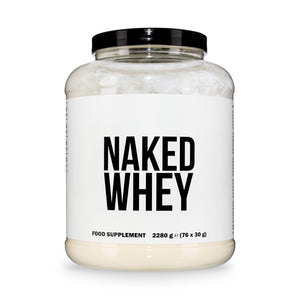


The direct answer: Research demonstrates that high-protein weight gainer supplements containing 1.2-1.4 grams of protein per kilogram of body weight daily can help cancer patients in 2025 maintain muscle mass, reduce treatment side effects, and support modest weight gain, particularly when formulated with whey protein, leucine, and other anabolic nutrients [1,2,3,4].
Many people wonder whether weight gainer protein supplements can truly help cancer patients combat the devastating effects of cachexia and treatment-related weight loss.
If you've ever watched a loved one struggle with cancer-related weight loss or experienced it yourself, you understand how critical maintaining adequate nutrition becomes during this challenging time.
What Do Cancer Patients Need to Know About Weight Gainer Protein?

Cancer-related weight loss affects approximately 40% of patients at diagnosis and up to 80% of those with advanced cancer [1,2].
This isn't simply about losing a few pounds. Research shows that cancer cachexia involves complex metabolic changes that make traditional weight gain strategies less effective.
What Is Cancer Cachexia and Why Does It Cause Muscle Loss?
Let's take a look at what happens in your body during cancer-related weight loss.
Unlike starvation, where your body primarily loses fat tissue, cancer cachexia causes simultaneous loss of both fat and muscle mass through inflammatory processes and metabolic dysfunction [1,2,3].
The key insight is that cancer patients face unique nutritional challenges that require targeted protein interventions rather than standard weight gain approaches.
Research demonstrates that maintaining muscle mass during cancer treatment directly impacts treatment tolerance, quality of life, and survival outcomes [1,2,4].
A 2020 study on the associations between changes in muscle mass and quality of life in patients with metastatic colorectal cancer found that muscle mass preservation during cancer treatment was associated with significant improvements in global health status and multiple functional and symptom scales.
An older study conducted in 2017 found that higher muscle strength at the start of palliative chemotherapy is associated with significantly better survival in older patients with advanced cancer.
Why Standard Weight Gainers May Not Work for Cancer Patients

Many people assume that any high-calorie supplement will help cancer patients gain weight. However, research reveals that cancer patients often develop anabolic resistance, meaning their muscles don't respond normally to protein intake [5,6].
Compared to standard protein powders designed for athletes or general weight gain, cancer-specific formulations must overcome this metabolic resistance with higher protein concentrations and specific amino acid profiles.
This means that cancer patients typically need higher protein concentrations and specific amino acid profiles to stimulate muscle protein synthesis effectively.
Studies show that protein intakes above 1.2-1.4 grams per kilogram of body weight are necessary to maintain muscle mass during cancer treatment [1,2,7].
How Much Protein Do Cancer Patients Actually Need for Weight Gain?
If you've ever wondered about optimal protein dosing for cancer patients, recent research provides clear guidance based on multiple randomized controlled trials [1,2,3,4].
How Much Protein Should Cancer Patients Consume Daily?
Research demonstrates that cancer patients require significantly higher protein intake than healthy individuals to maintain muscle mass and support weight gain [1,2,7,8]. Current evidence suggests the following protein targets:
| Patient Status | Protein Requirement | Daily Amount (70kg person) | Research Support |
|---|---|---|---|
| Stable cancer patients | 1.2-1.4 g/kg/day | 84-98 grams | Strong evidence [1,2,7] |
| Malnourished patients | 1.4-1.8 g/kg/day | 98-126 grams | Moderate evidence [1,3,8] |
| Advanced cachexia | 1.5-2.0 g/kg/day | 105-140 grams | Limited evidence [1,8] |
What does this mean for you? A 150-pound (68-kilogram) cancer patient would need approximately 82-122 grams of protein daily, which is 60-80% higher than standard recommendations for healthy adults.
A trusted approach among oncology nutrition professionals involves targeting the higher end of these ranges when patients can tolerate increased intake, as research consistently shows better outcomes with adequate protein provision.
Achieving Protein Targets Through Supplementation

So, how can cancer patients realistically meet these elevated protein needs? Research shows that most patients struggle to achieve adequate protein intake through food alone due to appetite loss, taste changes, and digestive issues [9,10].
Weight gainer supplements can bridge this gap by providing concentrated protein in easily consumable forms. The preferred choice among oncology dietitians involves high-protein formulations specifically designed to overcome the metabolic challenges cancer patients face.
Studies demonstrate that patients using high-protein oral nutritional supplements are significantly more likely to meet protein targets compared to dietary counseling alone [9,10].
Timing and Distribution Strategies
Research suggests that protein distribution throughout the day may be as important as total intake for cancer patients [1,2].
The optimal approach involves consuming 20-40 grams of protein every 3-4 hours to maximize muscle protein synthesis and minimize muscle breakdown [1,2,3].
Keep in mind that cancer treatments can affect appetite and digestion timing, so flexible supplementation strategies often work better than rigid meal schedules.
What Types of Protein Work Best for Cancer-Related Weight Loss in 2025?

Many people wonder whether all proteins are equally effective for cancer patients. Research reveals significant differences in how various protein sources affect muscle protein synthesis in this population [3,4,11,12].
Why Is Whey Protein Considered Best for Cancer Patients?
Let's examine why whey protein consistently shows superior results in cancer research.
Multiple randomized controlled trials demonstrate that whey protein supplementation leads to improved body composition, muscle strength, and reduced chemotherapy toxicity in cancer patients [2,3,4].
Whey protein isolate is the gold standard recommended by oncology nutrition specialists for malnourished cancer patients undergoing active treatment.
A 2019 study evaluating the effects of whey protein supplementation in malnourished advanced cancer patients undergoing chemotherapy treatment found that 3-month supplementation with whey protein resulted in improved body composition, muscle strength, body weight, and reduced chemotherapy toxicity.
A 2024 systematic review and meta-analysis on high protein supplementation in patients undergoing cancer treatment found that it mitigates weight loss, improves muscle strength, and lowers hospitalization rates in these patients.
Whey protein's advantages for cancer patients include:
- Rapid absorption and high leucine content for muscle protein synthesis
- Anti-inflammatory peptides that may reduce treatment side effects
- Complete amino acid profile supporting immune function
- Better tolerance compared to other protein sources
Research shows that 20-30 grams of whey protein can stimulate muscle protein synthesis more effectively than equivalent amounts of other protein sources in cancer patients [3,4,11].
Leucine-Enriched Formulations
So, what makes some protein supplements more effective than others for cancer patients? Research indicates that leucine, a branched-chain amino acid, plays a crucial role in overcoming anabolic resistance [11,12,13].
Compared to standard protein supplements, leucine-enriched formulations stand out for their ability to overcome the metabolic resistance that cancer patients develop during treatment.
Studies demonstrate that leucine-enriched supplements containing 2.5-4 grams of leucine per serving can enhance muscle protein synthesis even in patients with advanced cancer [11,12,13]. This represents a significant advantage over standard protein supplements.
Casein Protein for Sustained Release

If you've ever wondered about combining different protein types, research supports using both whey and casein for complementary benefits [14].
While whey provides rapid amino acid availability, casein offers sustained release that can help prevent muscle breakdown during extended periods between meals or overnight.
For cancer patients, this combination approach may be particularly valuable given irregular eating patterns and treatment schedules that disrupt normal meal timing. Ideal for patients who experience long gaps between meals due to treatment schedules or appetite fluctuations.
When Should Cancer Patients Take Weight Gainer Supplements?
Many people wonder about optimal timing for protein supplementation during cancer treatment. Research provides specific guidance based on treatment schedules and patient tolerance patterns [1,2,9,10].
Pre-Treatment Preparation
Let's take a look at how protein supplementation can support cancer patients before treatment begins. Studies show that optimizing nutritional status before chemotherapy or radiation can improve treatment tolerance and outcomes [9,10,15].
Research suggests starting protein supplementation 2-4 weeks before treatment when possible, aiming for the higher end of protein recommendations to build nutritional reserves.
During Active Treatment
So, how should protein supplementation change during active cancer treatment? Research demonstrates that maintaining protein intake during chemotherapy and radiation is crucial for preserving muscle mass and reducing treatment complications [2,3,4].
| Treatment Phase | Timing Strategy | Protein Focus | Key Considerations |
|---|---|---|---|
| Pre-chemotherapy | 2-3 hours before | 20-30g whey protein | Minimize nausea risk |
| Post-chemotherapy | Within 2 hours | 25-35g whey + leucine | Support recovery |
| Radiation days | Between treatments | 15-25g casein | Sustained nutrition |
| Rest days | With meals | 20-40g mixed proteins | Optimize anabolism |
Managing Treatment Side Effects
If you've ever experienced chemotherapy-related nausea or taste changes, you know how challenging maintaining nutrition becomes. Research shows that protein supplements can be modified to improve tolerance during difficult treatment periods [9,10].
Strategies that research supports include:
- Using neutral-flavored protein powders mixed with preferred foods
- Consuming smaller, more frequent protein doses throughout the day
- Choosing liquid formulations when solid foods are poorly tolerated
- Timing supplements when nausea is typically lowest
What Ingredients Should You Look for in Cancer-Specific Weight Gainers?

Many people assume that any high-protein supplement will work for cancer patients. However, research identifies specific ingredients that provide additional benefits beyond basic protein content [11,12,13,16].
Essential Amino Acids and Anabolic Enhancers
Research demonstrates that certain amino acids and compounds can enhance muscle protein synthesis in cancer patients beyond what protein alone provides [11,12,13]. The most evidence-supported additions include:
- Leucine (2.5-4g per serving): Stimulates muscle protein synthesis and may overcome anabolic resistance [11,12,13]
- HMB (1-3g daily): May reduce muscle breakdown and support strength gains [13,16]
- Arginine (5-10g daily): Supports immune function and wound healing [16]
- Glutamine (10-15g daily): May reduce treatment side effects and support gut health [16]
Anti-Inflammatory and Immune-Supporting Compounds
So, what other ingredients does research support for cancer patients? Studies show that certain nutrients may provide additional benefits for treatment tolerance and recovery [13,16,17].
Research-backed additions include:
- EPA/DHA (1-2g daily) for anti-inflammatory effects
- Vitamin D (1000-2000 IU) for muscle and immune function
- Beta-glucans for immune system support
- Antioxidant vitamins for treatment side effect reduction
Carbohydrate Considerations
If you've wondered about carbohydrate content in weight gainers for cancer patients, research provides nuanced guidance. While carbohydrates can support protein utilization, the type and timing matter significantly [1,2].
Unlike general weight gainers that rely heavily on simple sugars for calorie density, cancer-optimized formulas use slow-digesting carbohydrates to maintain stable blood glucose and support sustained energy during treatment.
Studies suggest that slow-digesting carbohydrates may be preferable to simple sugars for maintaining stable blood glucose and supporting sustained energy during treatment.
Are Weight Gainer Proteins Safe During Cancer Treatment?

Many people worry about whether protein supplements might interfere with cancer treatment or even promote tumor growth. Let's examine what research actually shows about safety concerns [18,19,20].
Protein Intake and Tumor Growth
This concern comes up frequently in clinical practice. Research consistently shows no evidence that increased protein intake promotes tumor growth in humans [18,19,20].
Multiple studies demonstrate that adequate protein intake supports treatment tolerance without adversely affecting cancer outcomes.
Keep in mind that cancer cells primarily rely on glucose for energy, not amino acids from dietary protein. The benefits of maintaining muscle mass and nutritional status far outweigh theoretical risks that have no supporting evidence in human studies.
Interaction with Cancer Treatments
So, can protein supplements interfere with chemotherapy or radiation effectiveness? Research indicates that high-protein supplementation is generally safe and may actually improve treatment outcomes [2,3,4,20].
Studies show that protein supplementation can:
- Reduce chemotherapy-related side effects and complications
- Improve treatment completion rates
- Support faster recovery between treatment cycles
- Maintain quality of life during intensive treatment
Kidney and Liver Function Considerations
If you've been concerned about high protein intake affecting kidney or liver function during cancer treatment, research provides reassurance for most patients [18,20]. Studies show that healthy kidneys can safely process increased protein intake even during cancer treatment.
However, patients with pre-existing kidney disease or certain types of cancer affecting these organs should work closely with their healthcare team to determine appropriate protein levels.
What Are the Common Myths About Protein and Cancer?

Many people hold misconceptions about protein supplementation during cancer treatment that can prevent them from accessing beneficial nutrition support. Let's address these myths with current research evidence.
Myth 1: Protein Supplements Feed Cancer Cells
What people believe: High protein intake provides fuel for cancer cell growth and should be avoided.
What research shows: Multiple studies demonstrate no connection between dietary protein intake and tumor growth in humans [18,19,20].
Cancer cells primarily use glucose for energy, and adequate protein intake supports immune function and treatment tolerance without promoting cancer progression.
Myth 2: Natural Food Sources Are Always Better Than Supplements
What people believe: Cancer patients should only get protein from whole foods and avoid processed supplements.
What research shows: While whole foods are important, research consistently demonstrates that most cancer patients cannot meet elevated protein needs through food alone due to appetite loss, taste changes, and digestive issues [9,10].
Supplements provide concentrated nutrition when eating adequate amounts becomes challenging.
Myth 3: All Protein Supplements Are the Same for Cancer Patients
What people believe: Any protein powder will work equally well for cancer-related weight loss.
What research shows: Studies reveal significant differences between protein types and formulations for cancer patients [3,4,11,12].
Whey protein and leucine-enriched formulations consistently show superior results compared to standard protein supplements for muscle preservation and weight gain.
Myth 4: High Protein Intake Is Dangerous During Treatment
What people believe: Increased protein consumption during chemotherapy or radiation creates additional stress on the body.
What research shows: Research demonstrates that adequate protein intake (1.2-1.4g/kg daily) is not only safe but beneficial during cancer treatment [1,2,20]. Higher protein intake supports treatment tolerance and may reduce complications rather than increase them.
Why Choose High-Protein Supplements for Cancer Recovery?
Cancer patients face unique metabolic challenges that make targeted protein supplementation essential rather than optional. Based on the latest 2024-2025 research, oncology nutrition professionals now recognize that maintaining muscle mass during treatment is one of the most critical factors influencing outcomes.
High-protein supplements offer several key advantages:
Overcome Metabolic Resistance: Cancer-specific formulations are designed to overcome the anabolic resistance that prevents normal muscle protein synthesis in cancer patients.
Meet Elevated Protein Needs: Concentrated protein delivery makes it possible to achieve 1.2-1.4g/kg daily intake when appetite and eating capacity are compromised.
Reduce Treatment Complications: Research consistently shows that adequate protein intake reduces chemotherapy toxicity, improves treatment completion rates, and supports faster recovery.
Preserve Quality of Life: Maintaining muscle mass and strength directly impacts functional capacity, independence, and overall quality of life during and after treatment.
A favorite among patients who struggle with appetite loss during chemotherapy is unflavored whey protein isolate, which can be mixed into various foods and beverages without altering taste significantly.
Best For: Who Should Use High-Protein Weight Gainers?

These supplements are ideal for:
Chemotherapy patients experiencing nausea and appetite loss who struggle to eat solid foods or maintain adequate caloric intake through regular meals. The go-to solution for maintaining muscle mass during intensive chemotherapy protocols.
Pre-surgical cancer patients looking to optimize nutritional status 2-4 weeks before major procedures. Research shows that pre-operative protein optimization improves surgical outcomes and recovery time.
Advanced cancer patients with cachexia needing concentrated nutrition to maintain muscle mass and functional capacity when eating becomes increasingly difficult.
Radiation therapy patients requiring sustained protein intake between treatments when eating is difficult due to treatment side effects affecting the mouth, throat, or digestive system.
Malnourished cancer patients at any stage who have already experienced significant weight or muscle loss and need intensive nutritional intervention to recover metabolic reserves.
How Cancer-Specific Protein Supplements Compare to Regular Weight Gainers
Understanding the differences between cancer-optimized formulations and standard weight gainers helps explain why targeted products perform better in research studies.
Protein Concentration: While standard weight gainers typically provide 15-20g protein per serving with emphasis on total calories, cancer-specific formulations offer 20-30g of highly bioavailable protein per serving with optimized amino acid profiles.
Leucine Content: Compared to regular protein powders, cancer formulations contain 2.5-4g of leucine per serving—significantly higher than the 1-2g found in standard products. This difference is critical for overcoming anabolic resistance.
Carbohydrate Type: Unlike general weight gainers that rely on simple sugars for easy calories, cancer-optimized formulas use slow-digesting carbohydrates to prevent blood sugar spikes and provide sustained energy.
Additional Nutrients: Cancer-specific products include evidence-based additions like HMB, EPA/DHA, and immune-supporting compounds that aren't typically found in standard weight gainers.
Digestive Tolerance: Formulations designed for cancer patients account for common treatment side effects, offering easier digestion and multiple preparation options for patients with nausea or taste changes.
Trusted by oncology nutrition specialists at leading cancer treatment centers, these specialized formulations address the unique metabolic challenges that standard products cannot overcome.
How Do You Choose the Right Weight Gainer for Cancer Recovery?

If you're selecting a weight gainer supplement for cancer recovery, research provides specific criteria for evaluating products [1,2,3,11,16].
Essential Quality Indicators
Many people wonder what to look for when comparing cancer-specific nutrition products. Research suggests prioritizing the following characteristics:
- Protein content: 20-30 grams per serving from high-quality sources
- Leucine content: 2.5-4 grams per serving for muscle protein synthesis
- Amino acid profile: Complete proteins with all essential amino acids
- Additional nutrients: Evidence-based additions like HMB, EPA, or vitamin D
Processing and Purity Considerations
So, how do you evaluate supplement quality and safety for cancer patients? Research emphasizes the importance of third-party testing and minimal processing [1,2].
Key quality markers include:
- Third-party testing for purity and potency
- NSF or USP certification for safety verification
- Minimal artificial additives or allergens
- Clear labeling of all ingredients and amounts
Flavor and Tolerance Factors
If you've experienced taste changes during cancer treatment, you know how important palatability becomes. Research shows that supplement adherence depends heavily on taste tolerance and preparation flexibility [9,10].
Strategies that improve tolerance include:
- Choosing unflavored options that can be mixed with preferred foods
- Selecting products with multiple flavor options
- Looking for supplements that mix well in both hot and cold liquids
- Considering pre-mixed liquid formats for convenience
When Should Cancer Patients Consult Nutrition Professionals?

Many cancer patients can benefit from professional nutrition guidance, but certain situations make expert consultation particularly valuable.
Complex Medical Situations
Let's examine when professional guidance becomes essential rather than just helpful. Research shows that certain cancer types, treatment combinations, and medical conditions require specialized nutrition expertise [1,2,20].
Consider consulting a registered dietitian if you're:
- Managing multiple chronic conditions alongside cancer
- Experiencing severe treatment side effects affecting nutrition
- Following complex treatment protocols with multiple drugs
- Dealing with significant digestive complications
Optimizing Individual Protocols
So, how can nutrition professionals help optimize protein supplementation for individual cancer patients? Research demonstrates that personalized approaches typically yield better outcomes than generic recommendations [1,2,9,10].
Professional assessment can help determine:
- Precise protein requirements based on body composition and treatment
- Optimal timing strategies around treatment schedules
- Appropriate supplement modifications for side effect management
- Integration with overall nutrition and medication protocols
Monitoring Progress and Adjusting Strategies
If you're wondering how to track the effectiveness of protein supplementation during cancer treatment, research suggests several important markers beyond just weight changes [1,2,3].
Key indicators that professionals monitor include:
- Muscle mass maintenance through body composition analysis
- Functional strength measures like handgrip strength
- Treatment tolerance and completion rates
- Quality of life and energy level assessments
- Laboratory markers of nutritional status
Keep in mind that cancer treatment creates dynamic nutritional needs that may require ongoing strategy adjustments based on treatment phase, side effects, and recovery progress.
"As a Registered Dietitian Nutritionist specializing in oncology, I've seen how individualized protein supplementation strategies can dramatically improve treatment outcomes for cancer patients. Every case is different, and there is no one-size-fits-all approach to balancing nutrition with other treatment plans, but adequate protein intake is consistently one of the most important factors we can influence."
Frequently Asked Questions About Protein Supplements for Cancer Patients

Can protein supplements help cancer patients gain weight?
Yes, whey protein supplements providing 1.2-1.4g/kg daily can help cancer patients maintain muscle mass and achieve modest weight gain during treatment. Research shows patients using high-protein supplements are significantly more likely to meet protein targets compared to dietary counseling alone, with improvements in body composition, strength, and treatment tolerance.
Is it safe to take protein supplements during chemotherapy?
Yes, high-protein supplementation is generally safe during chemotherapy and may improve treatment outcomes. Multiple studies show that protein supplements reduce chemotherapy-related side effects, improve treatment completion rates, and support faster recovery between cycles without interfering with treatment effectiveness.
How much protein should a cancer patient consume daily?
Cancer patients typically need 1.2-1.4 grams of protein per kilogram of body weight daily—approximately 60-80% higher than recommendations for healthy adults. For a 150-pound (68-kilogram) patient, this translates to 82-95 grams of protein daily, though malnourished patients may need up to 1.8g/kg.
Which type of protein is best for cancer patients?
Whey protein isolate is considered the gold standard for cancer patients based on multiple randomized controlled trials. It provides rapid absorption, high leucine content for muscle protein synthesis, anti-inflammatory peptides, and superior tolerance compared to other protein sources during cancer treatment.
When is the best time to take protein supplements during cancer treatment?
Research suggests distributing protein intake throughout the day with 20-40 grams every 3-4 hours. For chemotherapy patients, consuming 20-30g of whey protein 2-3 hours before treatment and 25-35g within 2 hours after treatment optimizes tolerance and recovery.
Do protein supplements interfere with cancer treatment?
No, research consistently shows that protein supplements do not interfere with chemotherapy or radiation effectiveness. Studies demonstrate that adequate protein intake may actually enhance treatment outcomes by reducing complications and improving treatment completion rates.
Can too much protein feed cancer cells?
No, multiple studies demonstrate no connection between dietary protein intake and tumor growth in humans. Cancer cells primarily use glucose for energy, not amino acids from dietary protein. The benefits of maintaining muscle mass far outweigh theoretical risks that have no supporting evidence in human research.
Your Action Plan for Cancer-Related Weight Gain
Research clearly demonstrates that strategic protein supplementation can significantly support cancer patients in maintaining muscle mass, reducing treatment complications, and achieving modest weight gain [1,2,3,4].
The key lies in understanding that cancer patients have unique nutritional needs that require targeted approaches rather than general weight gain strategies.
Essential strategies supported by research include:
Choose whey-based supplements with leucine enhancement for optimal muscle protein synthesis. Target 1.2-1.4 grams of protein per kilogram of body weight daily, distributed throughout the day.
Time supplementation around treatment schedules to optimize tolerance and effectiveness. Monitor progress through multiple indicators beyond just weight changes.
Most importantly, remember that protein supplementation works best as part of a comprehensive approach that includes appropriate medical care, physical activity when possible, and attention to overall nutritional quality.
For cancer patients and their families, understanding that maintaining muscle mass and nutritional status directly impacts treatment outcomes and quality of life can provide motivation for consistent supplement use even when appetite and energy are low.
Because cancer treatment creates complex and changing nutritional needs, consider working with a registered dietitian who specializes in oncology nutrition to optimize your individual approach and monitor progress throughout your treatment journey.
References:
- [1] Ford, K., Sawyer, M., Ghosh, S., et al. (2024). Feasibility of two levels of protein intake in patients with colorectal cancer: findings from the Protein Recommendation to Increase Muscle (PRIMe) randomized controlled pilot trial. ESMO Open, 9. https://doi.org/10.1016/j.esmoop.2024.103604
- [2] Rabie, A., Alhomsi, T., AbouKhatwa, M., et al. (2024). Impact of whey protein supplementation as adjuvant therapy on malnourished cancer patients: systematic review and meta-analysis. Discover Food. https://doi.org/10.1007/s44187-024-00171-y
- [3] Cereda, E., Turri, A., Klersy, C., et al. (2019). Whey protein isolate supplementation improves body composition, muscle strength, and treatment tolerance in malnourished advanced cancer patients undergoing chemotherapy. Cancer Medicine, 8, 6923-6932. https://doi.org/10.1002/cam4.2517
- [4] Capitão, C., Coutinho, D., Neves, P., et al. (2021). Protein intake and muscle mass maintenance in patients with cancer types with high prevalence of sarcopenia: a systematic review. Supportive Care in Cancer, 30, 3007-3015. https://doi.org/10.1007/s00520-021-06633-8
- [5] Antoun, S., & Raynard, B. (2018). Muscle protein anabolism in advanced cancer patients: response to protein and amino acids support, and to physical activity. Annals of Oncology, 29, ii10–ii17. https://doi.org/10.1093/annonc/mdx809
- [6] Engelen, M., Van Der Meij, B., & Deutz, N. (2016). Protein anabolic resistance in cancer: does it really exist? Current Opinion in Clinical Nutrition and Metabolic Care, 19, 39–47. https://doi.org/10.1097/MCO.0000000000000236
- [7] Prado, C., Purcell, S., & Laviano, A. (2020). Nutrition interventions to treat low muscle mass in cancer. Journal of Cachexia, Sarcopenia and Muscle, 11, 366-380. https://doi.org/10.1002/jcsm.12525
- [8] Laviano, A. (2022). High protein diet in digestive cancers. Current Opinion in Clinical Nutrition and Metabolic Care, 25, 348-353. https://doi.org/10.1097/MCO.0000000000000857
- [9] Dingemans, A., Van Walree, N., Schramel, F., et al. (2023). High Protein Oral Nutritional Supplements Enable the Majority of Cancer Patients to Meet Protein Intake Recommendations during Systemic Anti-Cancer Treatment. Nutrients, 15. https://doi.org/10.3390/nu15245030
- [10] Van Exter, S., Drager, L., Van Asseldonk, M., et al. (2023). Adherence to and Efficacy of the Nutritional Intervention in Multimodal Prehabilitation in Colorectal and Esophageal Cancer Patients. Nutrients, 15. https://doi.org/10.3390/nu15092133
- [11] Deutz, N., Safar, A., Schutzler, S., et al. (2011). Muscle protein synthesis in cancer patients can be stimulated with a specially formulated medical food. Clinical Nutrition, 30, 759-768. https://doi.org/10.1016/j.clnu.2011.05.008
- [12] Engelen, M., Engelen, M., Safar, A., et al. (2015). High anabolic potential of essential amino acid mixtures in advanced nonsmall cell lung cancer. Annals of Oncology, 26, 1960-1966. https://doi.org/10.1093/annonc/mdv271
- [13] Casariego, V., Luna, P., González, V., et al. (2023). Impact of an oral nutritional supplement enriched in leucine, EPA, DHA, and β-glucans on the increase of muscle mass in patients with cancer and malnutrition. Journal of Functional Foods. https://doi.org/10.1016/j.jff.2023.105833
- [14] Ford, K., Arends, J., Atherton, P., et al. (2021). The importance of protein sources to support muscle anabolism in cancer: An expert group opinion. Clinical Nutrition, 41, 192-201. https://doi.org/10.1016/j.clnu.2021.11.032
- [15] Schueren, M., Laviano, A., Blanchard, H., et al. (2018). Systematic review and meta-analysis of the evidence for oral nutritional intervention on nutritional and clinical outcomes during chemo(radio)therapy. Annals of Oncology, 29, 1141-1153. https://doi.org/10.1093/annonc/mdy114
- [16] May, P., Barber, A., D'Olimpio, J., et al. (2002). Reversal of cancer-related wasting using oral supplementation with a combination of β-hydroxy-β-methylbutyrate, arginine, and glutamine. American Journal of Surgery, 183, 471-479. https://doi.org/10.1016/S0002-9610(02)00823-1
- [17] Aaronson, N., Barber, M., Bauer, J., et al. (2003). Effect of a protein and energy dense n-3 fatty acid enriched oral supplement on loss of weight and lean tissue in cancer cachexia. Gut, 52, 1479-1486. https://doi.org/10.1136/gut.52.10.1479
- [18] Cotogni, P., Shaw, C., Jiménez-Fonseca, P., et al. (2023). High-protein home parenteral nutrition in malnourished oncology patients: a systematic literature review. Supportive Care in Cancer, 32. https://doi.org/10.1007/s00520-023-08218-z
- [19] Goodrose-Flores, C., Schedin, A., Nelander, J., et al. (2020). High-protein compared with standard parenteral nutrition in palliative cancer care. BMJ Supportive & Palliative Care, 12, 332-338. https://doi.org/10.1136/bmjspcare-2019-002139
- [20] Siqueira, J., Vega, M., & Pimentel, G. (2023). Amino acids and cancer: potential for therapies? Current Opinion in Clinical Nutrition and Metabolic Care, 27, 47-54. https://doi.org/10.1097/MCO.0000000000000998