



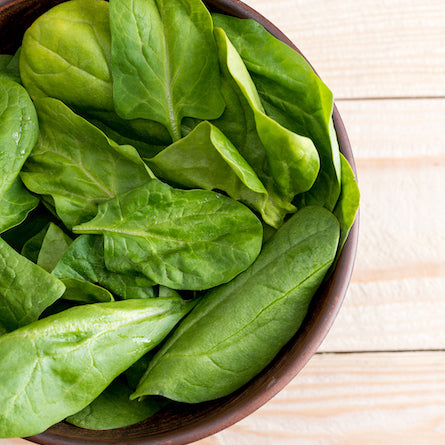
Regardless of how you feel about the taste, spinach is a pretty fantastic vegetable – nutritionally speaking.
One cup of the leafy greens is packed with potassium (about 839mg compared to the 539mg in a banana), vitamin K, vitamin A, manganese, folate, copper, vitamin B2, vitamin B6, vitamin E, calcium and vitamin C. And, of course, spinach offers tons of iron.
But, lately spinach has also been getting a lot of attention based on its fairly impressive protein content – especially among vegans and vegetarians. In fact, most of the calories found in a cup of spinach come from protein.
How, though, does the protein in spinach compare to other sources? Specifically, how does it stack up against vegan protein powders?
Amino Acids
Proteins, as you may or may not be aware are made of smaller chemicals called amino acids. While your body is capable of making the vast majority of the amino acids it needs to function on its own, there are nine more (called essential amino acids) that need to be taken in through your diet.
The quality of a protein source (whether it's considered “complete” or not) is decided based on how many of these essential amino acids it provides. Athletes are also typically concerned with the overall amino acid profile of a protein source – how much of each amino acid does it offer?
Like many plant sources, the protein in spinach is incomplete. This does not make it useless, however, since the missing amino acids can still be obtained by eating other foods – even if this happens at a different meal.
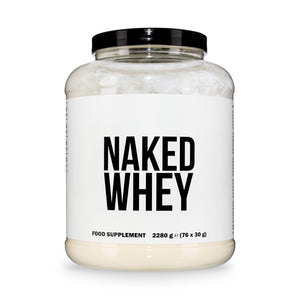
Still, protein powders – depending on the source – tend to offer complete proteins. Whey and casein, of course, are complete proteins. If you are vegan, however, those dairy-based powders don't work with your diet. Vegan protein powders, like rice or pea protein, offer a much more impressive spectrum of amino acids than spinach.

Convenience
One of the biggest pros of protein powders is how easy they are to prepare and drink, offering easy nutrition on the go. Spinach... lacks that luxury.
While many varieties of spinach can absolutely be enjoyed raw in a salad or smoothie, others are much better cooked. Either way, significantly more prep time is needed.
Overall Nutrition
It should also be noted that spinach, depending on how it's prepared is an extremely low-calorie food. Depending on your diet and fitness goals, this may register as either a pro or a con.
A cup of raw spinach, for example, contains a mere 5 calories – including 1g of protein, 1g of fiber and no fat. That's a considerable amount of food for not much caloric pay-off. And calories are, remember, your body's source of fuel.

While excess calories are storied as fat, it's still important to eat adequate amounts. And it would take a lot of spinach to make a substantial meal – or even to contribute anything significant to a meal consisting of other foods.
Even if we look specifically at the protein in spinach, the numbers aren't very impressive. A single gram of protein is not much compared to the daily needs of the average person. Pea protein powder, by contrast, contains as much as 27g of higher quality protein in a comparable serving.