



Plant-based protein powders can come from tons of sources. A quick search online will show soy, hemp, cranberry, pumpkin seed, artichoke, alfalfa, and countless other types of plants used for their protein.
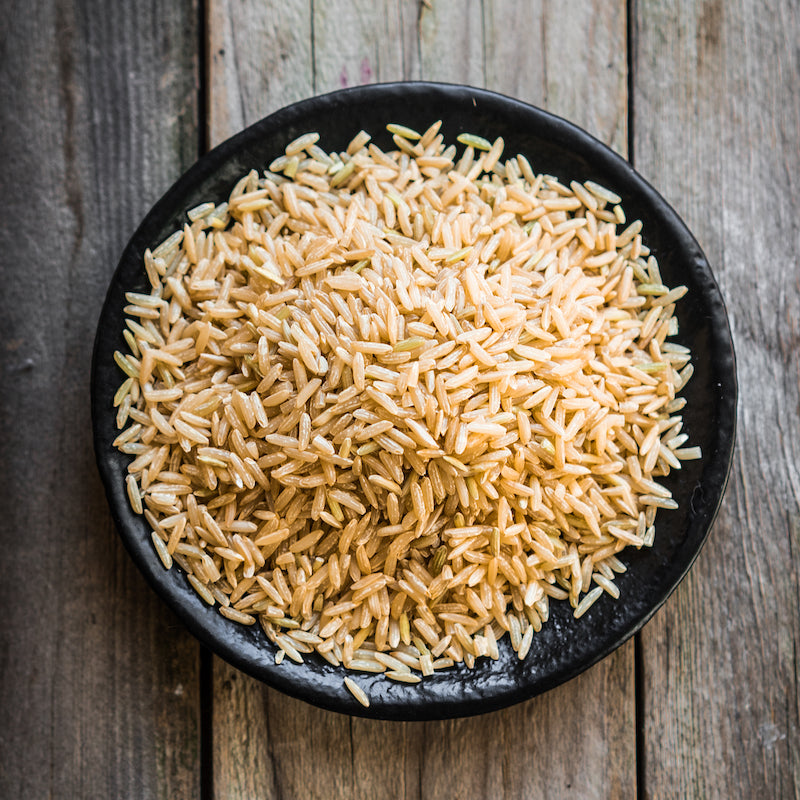
Perhaps one of the most surprising, however, is brown rice. When used as a food item in the typical way, brown rice is generally seen as a source of starch and fiber – it's rarely hailed for its protein content.
So what benefits does brown rice have as a protein powder? Most specifically, how does it compare to all the rest of the plants out there?
Nutrition
All too often, when discussing protein powders, people focus all their attention on... well, the protein. And this does make sense, we'll admit. But the truth is that there's usually so much else happening in these products that you can benefit from.
Brown rice protein, for example, is rich in vitamin B, complex carbohydrates and fiber – meaning that it can help support your health in numerous ways beyond the obvious. It should be noted, however, that this is often true of plant-based protein powders.

Like their original sources, the protein powders are typically packed with fiber and various micronutrients. The common concern when it comes to plant proteins often revolves around their amino acid profiles.
Generally, the quality of a protein is gauged by its amino acid content – a protein that contains all the amino acids that your body is unable to make on its own is called “complete” while one lacking these is considered “incomplete.”
Brown rice protein does have low levels of certain amino acids. But that doesn't make it useless or somehow deficient. Studies have found that your body is concerned with the amount of amino acids you take in throughout the day, not in one sitting.
So, if your diet is otherwise well-rounded the amino gaps in brown rice can easily be filled.
Allergens
But, if brown rice has a slightly lower amino acid content than other plant proteins, why use it at all? Many of those the more common proteins, like soy, that brag full amino acid content are also powerful allergens.
Even those who are not allergic to soy, though, have begun to shy away based on studies that show a potential for hormonal disruptions that can cause all sorts of problems, including cancer.
Brown rice protein is totally free from allergens or another potential health problems.
Cost and Other Concerns
One of the interesting things about plant protein powders is that they often carry their own unique flavors. This may, or may not be a good thing, depending on your intended use and preferences. Brown rice protein powder is largely flavorless, with just a hint of sweetness, making it easy to use in a number of applications.
But, as will most things, it often comes down to cost. Brown rice protein is made from (obviously) rice, a fairly common and inexpensive grain. This cannot be said for all plant protein powders, which can be surprisingly expensive for a number of reasons.
Hemp, for example, is highly restricted in a number of countries because of its association with marijuana. This makes growing it difficult and raises the price for you as the consumer.