



“Clean eating” is sort of a tricky concept, because depending on who you ask, you may receive a variety of definitions and explanations. But the one thing that most clean eaters can agree on is this: clean eating is about picking whole, minimally-processed, nutrient-dense foods.
Contrary to how it might sound, clean eating is not a highly-restrictive diet. In fact, working from that primary rule, clean eating allows you a wide variety of healthy, delicious choices. Or at least, it should.
Too often, people assume that certain foods are off-limits when they’re endeavoring to clean up their diets and, as a result, they end up depriving themselves of necessary nutrients.
One such example? Whey protein supplements. Because it’s technically “processed,” some clean eaters hesitate to grab a tub of whey. But while some whey protein powders are stuffed with artificial ingredients and are heavily processed, this is not always the case!
So, what is the best protein powder for clean eating?
Grass Fed Whey Protein is the Best “Clean” Protein Powder
Grass fed whey protein can be a powerful tool in the clean eater’s dietary tool box.
Here’s why: cows that are kept on a feedlot are given grains and other cheap foods that are not a part of their natural diet. What’s worse is the fact that those grain mixes may also contain Genetically Modified Organisms (GMOs) which would definitely make anything produced by that cow a no-go for clean eaters.
It should be noted that the feedlot is also a popular farming tool because it keeps the animals all in one small enclosure – which makes it easier for them to be treated with hormones and antibiotics.

Grass fed whey protein, however, comes from cows that have been allowed to wander pastures and graze on their natural food: grass. Because of this, grass fed whey protein is lower in saturated fat and higher in healthy omega-3 and conjugated linoleic fatty acids.
Grass fed cows are also not treated with antibiotics or hormones and are not exposed to GMOs in their food or otherwise. In addition to ensuring that you’re not exposing yourself to any potentially harmful chemicals, choosing grass fed whey will also guarantee you a nutritionally superior protein powder.
The bottom line? It’s important to make sure that your protein powder comes from a clean source. If it doesn’t, nothing else really matters.
Read the Ingredients to Check for Processing and Additives
It’s also important for you to consider what happens to that grass fed whey protein powder before it reaches your tub. Even if the whey starts out as a high-quality option, it’s very possible for it to become over-processed and generally mistreated.
Dyes, sweeteners, flavorings, preservatives, anticaking agents and other chemicals are often tossed into the mix in an effort to make the powder seem more appetizing and visually appealing. These additives can also extend shelf-life and attempt to “cover up” poor manufacturing techniques.
For example, whey can be burned if handled improperly. This will change the flavor and look of the product but could also make it less bioavailable – meaning that your body will have greater difficulty in using the nutrients that the supplement should be providing. Certain additives let the manufacturers “fix” their mistakes.
It’s even possible that manufacturers have tricked you into viewing some of these chemicals as desirable. A prime example of this is the addition of amino acids and BCAAs. Proteins are made of amino acids and a good quality whey protein is already packed will all the amino acids you need. The addition of more is wholly unnecessary!

Often, however, companies add these amino acids in because the whey that they started with is of a lesser quality and needs to be beefed up a little. Since people tend to perceive the added amino acids as a positive, they are also willing to pay more for it. In reality, added amino acids cost more and are the mark of an inferior product.
Clean-eaters will want to make sure that their grass fed whey protein is minimally-processed using low temperature techniques, and ensure that it has not been bleached or acid-treated. A truly clean protein powder will also be free from any and all additives.
These processes can greatly reduce the bioavailability of the nutrients that you should be getting from your whey and could even leave behind some decidedly unclean residue.
The Best Clean Protein Powder on the Market
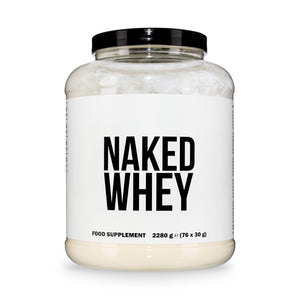
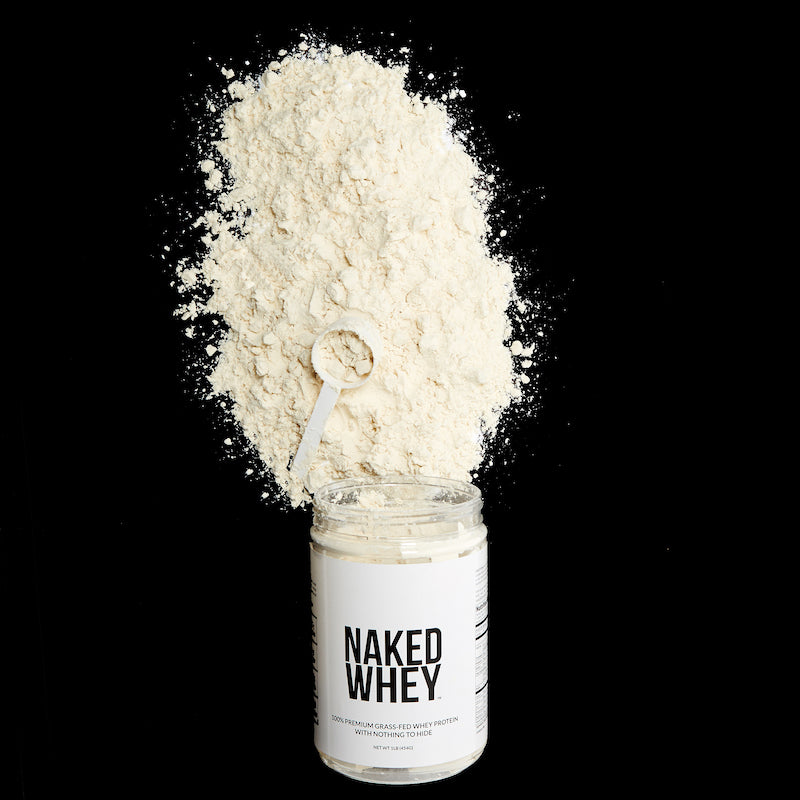
At Naked Nutrition, we are confident that we have created the best possible whey protein powder for clean eating. Our products are entirely free from all additives and use only grass-fed whey from small dairy farms.
With Naked Nutrition Grass Fed Whey Protein Powder, we guarantee the “Naked Difference:
- Only one ingredient: grass fed whey protein, which comes from small dairy farms in California
- No artificial sweeteners, flavors, or colors
- 25 grams of protein and 5.9 grams of BCAA’s per serving
- GMO free
- Soy free and gluten free
- Growth hormone free, no RBGH or RBST
- Cold processed
- Acid and bleach-free processing
