




Key Takeaways
- Mixing ratio: Use two rounded scoops per 6–10 oz of liquid, or one scoop per 5 oz. Shake for 25–30 seconds in a shaker bottle, or blend for 20–30 seconds with protein added last.
- No fillers means extra technique matters: Naked Nutrition products skip mixing agents by design. A good shaker bottle or blender handles this easily once you know the method.
- Timing affects results: Post-workout whey supports muscle protein synthesis. Casein before bed delivers slow-release amino acids overnight. Morning protein improves satiety and daily protein distribution.
- Your liquid and add-ins change everything: Whole milk adds calories for mass gain; skim or plant-based milk keeps it lean. Frozen fruit creates a thick, creamy consistency without ice dilution.
- Unflavored proteins cook well: Naked Unflavored varieties blend into oatmeal, pancakes, and yogurt bowls without affecting taste — not just shakes.
- Match your product to your goal: Naked Whey for recovery, Naked Casein for overnight, Naked Pea or Rice for vegan needs, Naked Mass for caloric surplus.

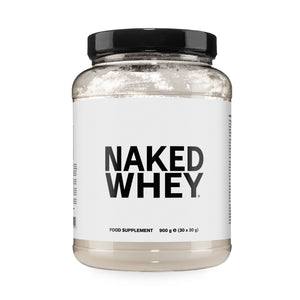
Grass Fed Whey Protein Powder | Naked Whey - 5LB
- Build and Maintain Lean Muscle Mass
- Boost Immune System
- Lose Fat
- Improve Heart Health
Why Naked Nutrition Protein Powder Is Different

Most protein powders on the market contain a long list of ingredients you didn't ask for: artificial sweeteners, thickening gums, artificial flavors, and synthetic colorants. Naked Nutrition's approach is the opposite. The goal is premium ingredients in the smallest possible number — no hidden additions, no artificial extras, nothing to obscure what you're actually consuming.
That philosophy has a name: Nutrition With Nothing To Hide. In practice, it means you can read and understand every ingredient on the label. It means the protein content you see is the protein content you get, without filler padding the numbers. And it means you have full control over customizing your nutrition, because the base product doesn't already contain a stack of additives working against your goals.
Clean-label demand has grown significantly in the supplement industry, and for good reason. Research published in the Journal of the International Society of Sports Nutrition has highlighted concerns about proprietary blends and underdosed ingredients in commercial supplements — problems that a minimal-ingredient approach directly avoids.
The Naked Nutrition product line covers a wide range of needs:
- Naked Whey — fast-absorbing whey protein concentrate from grass-fed cows
- Naked Casein — slow-digesting micellar casein for sustained amino acid release
- Naked Pea / Naked Rice — plant-based proteins for vegan and dairy-free lifestyles
- Naked Mass — high-calorie gainer for muscle and weight gain
- Naked Egg — egg white protein for those avoiding both dairy and soy
- Naked Shake — a complete meal replacement option
Understanding which product fits your goal is the starting point. The sections below cover how to mix each one, when to take it, and what to add to get the most out of every serving.
How to Mix Naked Nutrition Protein Powder (Shaker Bottle and Blender Tips)

Because Naked Nutrition products don't contain lecithin or other commercial mixing agents, technique matters more here than it would with heavily processed powders. The good news: a consistent method makes every shake smooth and lump-free.
- Ratio: 2 rounded scoops per 6–10 oz liquid, or 1 rounded scoop per 5 oz liquid
- Shaker bottle: Add liquid first, then powder. Shake for 25–30 seconds. Let foam settle for 1–2 minutes before drinking.
- Blender: Blend all other ingredients first, then add protein last. Blend for 20–30 seconds. This significantly reduces foam.
- For thickness: Add 3–4 ice cubes per 10 oz of liquid. Too many cubes thin the shake out — use them sparingly.
- Better than ice: Frozen fruit delivers thickness and creaminess without dilution as it melts.
- Storage: Keep powder in a cool, dry place. Always use a dry scoop — moisture causes clumping.
Serving sizes on Naked Nutrition products are based on rounded scoops, not level ones. Check the product label if you're unsure — the recommended serving size is printed clearly.
If you're getting clumping, the most common cause is adding powder to a dry bottle before liquid. Reverse that order. If foam is the problem in a blender, add the protein after the other ingredients are already blended, then pulse for another 5–10 seconds rather than running a full blend cycle.
Frozen fruit is worth highlighting separately. Frozen banana, mango, or berries create a thick, smoothie-bowl-style consistency that ice simply can't match, and they add micronutrients and natural sweetness at the same time. If you've been relying on ice and finding your shakes too thin or watery, switching to frozen fruit is the single fastest upgrade to texture and flavor.
When to Take Protein Powder for Best Results

Timing your protein intake isn't about rigid rules. It's about distributing amino acids throughout the day so your muscles have what they need when they need it. That said, a few windows are worth prioritizing.
Post-workout is the most well-established window. Resistance exercise elevates muscle protein synthesis, and consuming protein within the hours following training takes advantage of that elevated state. A 2013 meta-analysis by Aragon and Schoenfeld in the Journal of the International Society of Sports Nutrition found that total daily protein intake matters most, but post-workout protein remains a practical and effective habit. Naked Whey, with its fast amino acid absorption profile, is the natural fit here.
Morning protein serves a different function. Overnight fasting means you've gone 7–9 hours without amino acids. Starting the day with 25–40 grams of protein supports muscle protein balance and helps control appetite through the morning. Research consistently shows that higher-protein breakfasts reduce total daily caloric intake compared to low-protein ones.
Before bed is where Naked Casein earns its place. Casein's slow digestion rate means it releases amino acids steadily over 5–7 hours. A 2012 study by Res et al. in Medicine and Science in Sports and Exercise found that 40g of casein consumed before sleep increased overnight muscle protein synthesis by 22 percent compared to placebo.
Pre-workout protein makes sense if you're training fasted or more than 4 hours after your last meal. It's not essential if you've eaten recently.
As a general target: aim for 0.7–1.0 grams of protein per pound of bodyweight per day, spread across 3–5 meals or servings. Use the Naked Nutrition protein calculator to find your specific daily target based on your weight and goals.
📊 What Research Says
A 2012 study by Res et al. in Medicine and Science in Sports and Exercise found that consuming 40g of casein protein before sleep increased overnight muscle protein synthesis rates by 22 percent compared to a non-protein placebo — making pre-sleep casein one of the better-supported timing strategies in sports nutrition research.
What to Mix With Naked Nutrition Protein: Milks, Fruits, and Add-Ins by Goal

Your liquid base and add-ins change the nutritional profile of your shake significantly. Whole milk adds roughly 150 calories and 8 grams of protein per cup. Unsweetened almond milk adds about 30 calories. The choice isn't arbitrary — it should match your goal.
Milk Options by Product
Use this as a starting point, not a hard rule. Water always works if you want to keep calories low.
| Naked Nutrition Product | Recommended Milk Options |
| Naked Whey / Naked Casein | Cow's milk (skim or whole) |
| Naked Pea / Naked Rice | Almond, oat, or coconut milk |
| Naked Mass | Whole milk for maximum calories |
| Vegan Naked Mass | Oat milk or full-fat coconut milk |
| Naked Shake | Almond milk or oat milk |
| Naked Goat | Goat's milk |
| Naked Egg | Cow's milk (skim or whole) |
| Naked Seed | Almond or coconut milk |
Fruits and Add-Ins by Product
Frozen fruit is preferable to fresh when you want a thicker texture. Leafy greens add micronutrients without meaningfully affecting flavor, especially in plant-based shakes.
| Naked Nutrition Product | Recommended Fruit and Add-Ins |
| Naked Whey / Naked Casein | Banana, berries, mango, pineapple, citrus |
| Naked Pea / Naked Rice | Banana, melon, mango, citrus, berries, spinach, kale |
| Naked Mass | Peanut butter, banana, Greek yogurt, oats, berries |
| Vegan Naked Mass | Nut butters, banana, spinach, vegan yogurt, oats |
| Naked Shake | Banana, berries, nut butters |
| Naked Egg | Banana, berries, spinach, kale |
| Naked Seed | Spinach, kale, wheatgrass, banana, berries |
Best Add-Ins by Goal
The table below expands beyond the basics to cover endurance performance, general wellness, and women's health alongside the standard muscle and weight goals.
| Goal | Recommended Milk | Recommended Add-Ins |
| Weight Loss | Skim milk or unsweetened almond milk | Oats, banana, berries, leafy greens, chia seeds |
| Muscle Gain | Whole milk or oat milk | Peanut butter, oats, Greek yogurt, cacao powder |
| Weight Gain | Whole milk or full-fat coconut milk | Nut butters, oats, yogurt, honey, dates, cocoa powder |
| Endurance Performance | Oat milk or skim milk | Banana, oats, honey, maple syrup, berries |
| General Wellness | Any milk of choice | Berries, citrus, leafy greens, chia or flax seeds, nut butters |
| Women's Health | Oat milk or low-fat cow's milk | Flax seeds, berries, banana, spinach, chia seeds |
| Healthy Lifestyle | Goat milk, almond, or oat milk | Oats, banana, citrus, nut butters, chia or flax seeds |
Natural Sweetener Options
If you want more sweetness without artificial ingredients, these options all work without compromising the clean-label profile of your shake:
- Stevia: Calorie-free, plant-derived, and notably sweeter than sugar — a little goes a long way.
- Monk fruit extract: Another plant-based option with no known negative side effects associated with artificial sweeteners like sucralose.
- Honey: Adds natural sugars and a mild floral sweetness. A good choice for endurance athletes who need quick carbohydrates.
- Dates or date paste: Blends smoothly and adds fiber alongside sweetness.
- Maple syrup: Works well in protein oats and pancake recipes, not just shakes.
- Whole fruit: Pineapple, strawberries, and oranges are reliably effective natural sweeteners with built-in fiber and micronutrients.
Beyond the Shake: Using Protein Powder in Food
Naked Unflavored protein powders are especially versatile in the kitchen. Because they don't contain sweeteners or flavorings, they integrate seamlessly into savory and sweet recipes without altering the taste. Stir a scoop into oatmeal while it's still hot, mix into pancake batter, fold into muffin or bread recipes, or blend into plain yogurt and top with fruit. These approaches let you hit your daily protein targets without drinking multiple shakes.
Naked Nutrition Protein Powder Recipes to Try

Protein shakes are the default, but they're not the only option. Here are three approaches worth building into your routine — covering both shake and non-shake formats, and both vegan and non-vegan preferences.
Classic Post-Workout Shake
Blend 2 scoops of Naked Whey (chocolate or vanilla) with 8 oz whole milk, one frozen banana, and a tablespoon of peanut butter. This combination delivers roughly 45–50 grams of protein, 60+ grams of carbohydrates, and enough calories to support muscle recovery after a hard session. For a vegan version, swap Naked Pea for the whey and use oat milk in place of cow's milk.
Protein Smoothie Bowl
Blend 1 scoop of Naked Pea (vanilla) with half a cup of frozen mango, half a cup of frozen berries, and just enough coconut milk to blend. The result should be thick enough to eat with a spoon. Top with granola, chia seeds, sliced banana, and a drizzle of honey. This works as a high-protein breakfast or post-workout meal that doesn't feel like a supplement — it feels like food. The Naked Nutrition recipe blog features a full smoothie bowl guide with step-by-step instructions and topping combinations.
Protein Oats (No Blender Required)
Cook your oats as normal, then stir in one scoop of Naked Unflavored Whey or Unflavored Pea protein while the oats are still hot. The heat helps the powder dissolve evenly. Add a banana, a tablespoon of almond butter, and a drizzle of maple syrup. This adds 20–25 grams of protein to a meal that would otherwise deliver 5–8 grams. Unflavored protein is key here — flavored varieties can make the oats taste artificial once heated.
For the full recipe library, the Naked Nutrition recipe blog covers dozens of options across shakes, smoothies, baked goods, and savory meals. The Naked Nutrition YouTube channel also features step-by-step video recipes if you
Frequently Asked Questions
How much Naked Nutrition protein powder should I take per serving?
One scoop per serving is the standard dose, delivering 25 to 35 grams of protein depending on the specific product. Most people do well with one to two servings per day, timed around training and meals. If you're consistently hitting your daily protein target through whole foods, a single post-workout scoop is usually enough.
When is the best time to take Naked Nutrition protein powder?
Post-workout is the most well-supported timing for whey protein, since muscle protein synthesis is elevated for several hours after training. That said, total daily protein intake matters more than any single timing window. Use it wherever it fits your schedule: breakfast, between meals, or after a session.
Can I mix Naked Nutrition protein powder with just water?
Yes, and it mixes cleanly with water because there are no gums, fillers, or artificial thickeners in the formula. Shaking it in a blender bottle for 20 to 30 seconds gets you a smooth result. If you want a creamier texture and more calories, use milk or a non-dairy alternative instead.
What ingredients are in Naked Whey, and why does the list look so short?
Naked Whey contains one ingredient: whey protein concentrate sourced from small dairy farms in California. There are no artificial sweeteners, colors, flavors, or fillers added. That's the entire point of the product: you get protein and nothing else you didn't ask for.
Is Naked Nutrition protein powder safe for daily use?
Yes, daily use is safe for healthy adults eating a balanced diet. Research consistently shows that protein intakes up to 2.2 grams per kilogram of body weight per day are well tolerated without adverse effects on kidney or liver function in healthy individuals. If you have a pre-existing kidney condition, check with your doctor before significantly increasing protein intake.
Does Naked Nutrition protein powder contain any banned substances?
Naked Nutrition products are third-party tested and certified by Informed Sport, which screens for substances banned by WADA and major sports organizations. This makes them a practical choice for competitive athletes who need reliable certification. The clean ingredient list also removes a major source of contamination risk found in heavily formulated products.
How long will one bag of Naked Nutrition protein powder last?
A standard 5-pound bag contains approximately 76 servings, which works out to about two and a half months at one scoop per day. If you're using two scoops daily, expect that to stretch roughly five to six weeks. Storing the bag sealed in a cool, dry place keeps the powder fresh through the full shelf life printed on the packaging.
Can I cook or bake with Naked Nutrition protein powder?
Yes, and it works well in recipes precisely because there are no artificial sweeteners or strong flavorings to clash with other ingredients. The unflavored version blends into oatmeal, pancakes, muffins, and energy balls without changing the taste profile of the dish. Heat does denature whey protein, but denatured protein is still fully digestible and nutritionally complete.
Top Whey Protein Picks
Chosen by 1 million+ customers. Free shipping on orders over $100.

Grass Fed Whey Isolate Protein Powder | Naked Whey Isolate - 2LB
$74.99
- ✓ Zero Sugar & Zero Carbs
- ✓ Easy Digestion
- ✓ Maximum Pure Protein

Mass Gainer Protein Supplement | Naked Mass - 8LB
$79.99
- ✓ Fuel Your Workouts
- ✓ Meet Daily Calorie Requirements to Gain Weight
- ✓ Build and Sustain Muscle Mass

Pea Protein Powder | Naked Pea - 5LB
$57.99
- ✓ Sustainable Farming Practices
- ✓ Superior Amino Acid Profile
- ✓ Promote Muscle Gain
- ✓ Lose Weight

Micellar Casein Protein Powder | Naked Casein - 5lb
$109.99
- ✓ Why Micellar Casein Protein
- ✓ Promote Muscle Growth While You Sleep
- ✓ Improve Body Composition