




Key Takeaways
- Incomplete, not inferior: Peanut butter lacks sufficient methionine and cysteine to qualify as a complete protein, but it's still a nutrient-dense, protein-rich food worth including in your diet.
- Pairing solves the problem: Combining Naked PB with grains, eggs, or other protein sources fills the amino acid gaps and creates a complete profile.
- Same-meal myth is false: You don't need to pair complementary proteins in a single meal. Meeting your full amino acid spectrum across the day is sufficient.
- Athletes need more: If you're training regularly, your essential amino acid requirements are higher than the general population's, making smart protein pairing more important.
- Naked PB is a versatile tool: Low in calories, high in protein and healthy fats, and easy to mix into smoothies, oats, and baked goods alongside complementary proteins.

Powdered Peanut Butter | Naked PB - 1.5LB
- Lose Weight
- Boost Protein Intake
- Mix Easily With Your Favorite Food
Is Peanut Butter a Complete Protein?

You've probably heard the term "complete protein" and wondered whether it actually changes anything about what you eat. If peanut butter is a staple in your diet, it's a fair question to ask directly: is peanut butter a complete protein?
The short answer is no. Peanut butter is an incomplete protein. Like most plant-based protein sources, it doesn't contain all 9 essential amino acids in sufficient quantities to meet your body's needs on its own. Specifically, peanuts are low in the sulphur-containing amino acids methionine and cysteine, which play roles in metabolism, antioxidant production, and tissue repair.
But here's what that doesn't mean: it doesn't mean peanut butter is a poor protein source or something you should avoid. Naked PB, our powdered peanut butter, delivers a concentrated dose of protein and healthy fats with minimal calories. It's a genuinely useful supplement for anyone trying to hit daily protein targets, support weight management, or add nutritional density to meals and snacks.
The practical fix is straightforward: pair Naked PB with complementary protein sources that fill the amino acid gaps peanuts leave behind. This article shows you exactly how to do that, with specific product pairings, protein totals, and meal ideas you can actually use.
What Is a Complete Protein and Why Does It Matter?

A complete protein is any protein source that contains all 9 essential amino acids in adequate amounts. Of the 20 amino acids your body uses, it can synthesize 11 on its own. The remaining 9, including leucine, lysine, methionine, and tryptophan, must come from what you eat. That's what makes them "essential."
Amino acids are the structural units your body uses to build and repair muscle tissue. When you train, you create microscopic damage in muscle fibers. To rebuild and grow those fibers, your body needs a full supply of essential amino acids to drive muscle protein synthesis. If any single essential amino acid is missing or in short supply, that process slows down. Your body can't substitute one amino acid for another.
- All 9 essential amino acids must be present for muscle protein synthesis to proceed efficiently
- A deficiency in even one essential amino acid acts as a bottleneck, limiting the entire process
- Leucine, an essential amino acid found in higher amounts in animal proteins, is a key trigger for activating muscle protein synthesis
- Athletes and active individuals have higher essential amino acid needs than sedentary people due to greater muscle turnover
For the general population, getting enough essential amino acids is manageable with a reasonably varied diet. For athletes and people training consistently, the stakes are higher. Research published in the Journal of the International Society of Sports Nutrition confirms that active individuals require meaningfully more protein than the standard 0.8 g per kg recommendation, with ranges of 1.4 to 2.0 g per kg being more appropriate depending on training volume and goals.
If you're not certain how much protein you need, use our protein calculator to get a personalized daily target based on your body weight and activity level.
Peanut Butter Protein: Nutrition Facts and Amino Acid Profile

Understanding where peanut butter sits nutritionally helps you use it more strategically. Two tablespoons of standard peanut butter delivers roughly 7 to 8 grams of protein. A serving of Naked PB provides a comparable protein hit with significantly fewer calories and fat grams, because the oil is pressed out during processing. That makes it easier to add protein without adding a large calorie load.
Peanuts are a solid source of several amino acids, including arginine, glutamic acid, and aspartic acid. Where they fall short is in the sulphur-containing amino acids methionine and cysteine. Analysis of peanut amino acid composition confirms that these are the limiting amino acids in peanut protein, meaning they're present in amounts too low to support complete protein synthesis on their own.
Beyond protein, peanut butter brings a strong broader nutrition profile. It's a good source of monounsaturated fats, which support cardiovascular health, and it provides magnesium, a mineral that plays a direct role in muscle contraction and nerve signaling. It also contains fiber, which supports satiety and digestive health.
📊 What Research Says
Protein quality is measured using scoring systems like PDCAAS (Protein Digestibility Corrected Amino Acid Score) and the newer DIAAS (Digestible Indispensable Amino Acid Score). Peanut protein scores lower than animal proteins on both scales, primarily due to its methionine and cysteine limitations. However, those scores improve substantially when peanut protein is consumed alongside complementary sources, which is exactly what the pairing strategies below are built around.
Being incomplete doesn't disqualify peanut butter from being a valuable part of your protein strategy. It just means it performs best when paired.
Complete vs. Incomplete Proteins: Animal and Plant Sources

Animal-derived proteins are almost universally complete. Meat, poultry, fish, eggs, and dairy all contain all 9 essential amino acids in proportions that align well with human needs. This is why whey protein, derived from dairy, consistently ranks among the highest-quality protein supplements available.
Plant proteins are a different picture. Most, including legumes, grains, nuts, and seeds, are incomplete proteins. Each is missing or low in at least one essential amino acid. Legumes, including peanuts, tend to be low in methionine. Grains tend to be low in lysine. Nuts and seeds follow a similar pattern to legumes.
There are plant-based exceptions. Quinoa and soy are both complete proteins, containing all 9 essential amino acids. This makes them particularly valuable anchors for plant-based diets.
The concept that bridges the gap for everyone else is complementary proteins: two incomplete protein sources that, when combined, cover each other's amino acid shortfalls. The classic example is rice and beans, a combination that has sustained populations around the world for centuries precisely because it works.
One persistent myth worth correcting: you don't need to eat complementary proteins in the same meal. Your body maintains a pool of amino acids throughout the day, and research has consistently shown that distributing complementary proteins across your daily meals produces the same benefit as combining them at once. That said, thinking in terms of pairings is a useful mental framework for ensuring you cover the full spectrum across the day.
How to Make Peanut Butter a Complete Protein: Best Pairings

The amino acid gaps in peanut butter are real but easy to fill. Here are four practical pairings, each with specific serving ideas and approximate protein totals.
Naked PB + Naked Rice (Vegan): Legumes and grains are the classic complementary pairing because their amino acid profiles fit together almost perfectly. Peanuts are low in methionine; rice protein is relatively rich in it. Rice protein is lower in lysine; peanuts supply more. Combine one scoop of Naked PB with one scoop of Naked Rice in a smoothie with banana, almond milk, and a handful of spinach. That single smoothie delivers approximately 18 grams of protein with a balanced essential amino acid profile. It's a fully vegan option that requires no animal products.
Naked PB + Oats: Oats are a grain, which means they share grains' characteristic low lysine and threonine content. Research on oat amino acid composition confirms these are the primary limiting amino acids in oat protein. Naked PB supplies both in greater amounts, making this pairing functionally complementary. Stir Naked PB into hot oatmeal, use it in overnight oats with chia seeds and berries, or fold it into oat-flour baked goods. A bowl of oats with one serving of Naked PB adds roughly 10 to 12 grams of protein with improved amino acid coverage.
Naked PB + Naked Egg (Vegetarian): Egg white protein is a complete protein on its own, containing all 9 essential amino acids. Pairing it with Naked PB isn't complementary in the technical sense, it's additive. You're stacking a complete protein on top of an incomplete one to ensure full coverage with no gaps. Naked Egg provides 25 grams of protein and 5.8 grams of branched-chain amino acids per serving. Try this combination in protein pancakes or waffles, using Naked Egg as the structural protein base and Naked PB to add flavor and additional protein.
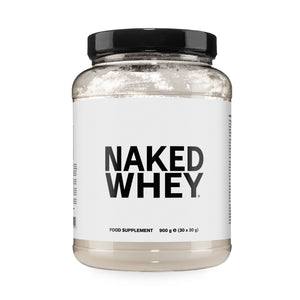
Naked PB + Naked Whey (Non-Vegan Athletes): For athletes who consume dairy, pairing Naked PB with a scoop of Naked Whey is the highest-quality combination on this list. Whey is a complete protein with a PDCAAS score of 1.0 (the maximum), and it's exceptionally rich in leucine, the amino acid most directly tied to triggering muscle protein synthesis. Add both to a post-workout shake for a protein hit that covers every essential amino acid with significant amounts of each.
Tips for Meeting Your Daily Protein Needs on a Plant-Based Diet
Plant-based eating can fully support muscle building and athletic performance. The key is being intentional about protein diversity. Relying on a single plant protein source, even a high-quality one, makes it harder to hit your full essential amino acid requirements consistently.
A practical framework for plant-based protein intake:
- Set a realistic daily target: Most active plant-based eaters benefit from targeting 1.6 to 2.0 grams of protein per kilogram of body weight. This accounts for the slightly lower digestibility and amino acid completeness of most plant proteins compared to animal sources.
- Rotate your protein sources: Build meals around different plant protein categories. Combine legumes (lentils, peanuts, chickpeas) with grains (rice, oats, quinoa) and include soy-based foods, which are complete proteins, several times per week.
- Use protein supplements strategically: Whole food sources are the foundation, but supplements fill gaps efficiently. Naked PB added to a morning smoothie or afternoon snack can contribute 6 to 8 grams of protein with minimal preparation. Stacked with Naked Rice or a plant-based protein blend, it becomes a genuinely complete protein source.
- Track for a week: Many plant-based eaters underestimate how far short they fall on essential amino acids, particularly lysine. A week of tracking gives you accurate data on where your diet actually stands.
Naked Nutrition offers a range of plant-based protein options built around the same minimal-ingredient philosophy as Naked PB. Explore the full lineup at nakednutrition.com to find options that fit your dietary preferences and training goals.
Making Peanut Butter Work Harder for Your Protein Goals

Peanut butter doesn't need to be a complete protein to earn its place in your diet. It brings protein, healthy fats, fiber, and micronutrients like magnesium in a convenient, calorie-efficient format. The incomplete protein status is a practical consideration, not a disqualification.
The approach that makes peanut butter a complete protein tool is pairing. Match Naked PB with Naked Rice for a vegan smoothie with a full amino acid spectrum. Stir it into oats for a complementary breakfast with real staying power. Stack it with Naked Egg for a vegetarian option that covers every essential amino acid. Or combine it with Naked Whey post-workout for maximum coverage if dairy is part of your diet.
You don't need to overthink it. The pairings listed here are straightforward, flexible, and easy to rotate. The broader principle is simpler still: vary your protein sources throughout the day, keep an eye on total intake relative to your training demands, and use tools like Naked PB to fill gaps efficiently rather than relying on any single food to do everything.
If you're ready to put this into practice, start with one pairing that fits your current routine. Add Naked PB to your next smoothie alongside Naked Rice, or stir it into tomorrow morning's oats. Small, consistent changes in how you structure protein across the day compound into meaningful results over time.
Shop Naked PB and explore the complementary protein products at Naked Nutrition to build a daily protein strategy that covers every amino acid your body needs.
Frequently Asked Questions
Is peanut butter a complete protein on its own?
No, peanut butter is not a complete protein on its own. It's low in the essential amino acid methionine, which means it doesn't meet the threshold for a complete protein source. You need to pair it with a complementary food, like whole grain bread or a protein powder, to cover all nine essential amino acids.
How much protein does peanut butter actually contain?
A standard two-tablespoon serving of peanut butter contains roughly 7 to 8 grams of protein, depending on the brand and whether it contains added ingredients. That's a solid contribution, but it's not enough on its own to hit a meaningful muscle-building dose. Most research points to 20 to 40 grams of protein per meal as the effective range for muscle protein synthesis.
What's the easiest way to make peanut butter a complete protein?
The simplest approach is to mix peanut butter with a complete protein source like whey, casein, or a pea-and-rice blend protein powder. Adding it to a smoothie with protein powder takes about two minutes and immediately fills the amino acid gaps. Pairing it with whole grain bread or oats also works, though the combined amino acid profile is less precise than using a protein powder.
Is peanut butter a good protein source for vegans and vegetarians?
Peanut butter is a useful plant-based protein source, but vegans and vegetarians need to be more deliberate about pairing it with complementary proteins throughout the day. On its own, the incomplete amino acid profile means it shouldn't be your only protein strategy. Combining it with a pea-and-rice protein powder or legumes like edamame closes the gap efficiently.
Does natural peanut butter have more protein than regular peanut butter?
The protein content between natural and conventional peanut butter is nearly identical, typically 7 to 8 grams per two-tablespoon serving. The main difference is the ingredient list: natural peanut butter usually contains just peanuts and salt, while conventional versions often include added sugars and hydrogenated oils. From a pure protein standpoint, either works, but natural peanut butter is the cleaner choice.
Can peanut butter help with muscle building?
Peanut butter can support muscle building when it's part of a diet that already hits your total protein and calorie targets. Its protein content contributes to your daily intake, and its calorie density (around 190 calories per two tablespoons) makes it practical for athletes in a caloric surplus. It works best as a supporting player alongside higher-protein, complete sources like eggs, dairy, or protein powder.
Is powdered peanut butter a better protein option than regular peanut butter?
Powdered peanut butter has a similar amino acid profile to regular peanut butter, so it's still not a complete protein on its own. Where it differs is in calories: most powdered versions deliver around 5 to 6 grams of protein for only 45 to 50 calories, compared to 190 calories for regular peanut butter. If you're watching fat intake or total calories, powdered peanut butter is the more efficient option, but the completeness problem remains the same.
How does peanut butter compare to other nut butters for protein content?
Peanut butter leads the pack among common nut and seed butters for protein content. Almond butter offers about 6 to 7 grams per two tablespoons, while cashew butter drops to around 4 to 5 grams. Sunflower seed butter comes close to peanut butter at 6 to 7 grams and is a strong option for people with peanut allergies, though none of these alternatives solve the incomplete protein issue without complementary pairing.
Top General Nutrition Picks
Chosen by 1 million+ customers. Free shipping on orders over $100.

Organic Brown Rice Protein Powder 1lb | Naked Rice - 1lb
$21.99
- ✓ Superior Amino Acid Profile
- ✓ Promote Muscle Gain
- ✓ Lose Weight
- ✓ Boost Protein Intake

Egg White Protein Powder | Naked Egg - 3LB
$79.99
- ✓ From non-GMO eggs exclusively from US farms
- ✓ Processed from fresh eggs into powder in under one day to retain a complete amino acid profile
- ✓ 25g of protein and 5.8g of BCAA's per serving
- ✓ Zero sugar

Chocolate Peanut Butter Whey Protein Powder | Naked Whey - 5LB
$139.99
- ✓ Build and Maintain Lean Muscle Mass
- ✓ Boost Immune System
- ✓ Lose Fat
- ✓ Improve Heart Health

Chocolate Protein Shake | Naked Shake - 30 Servings
$41.99
- ✓ Increase Protein Intake On A Busy Schedule
- ✓ Only The Purest Ingredients
- ✓ Preserve Muscle With Pea Protein
- ✓ Support Weight Loss Goals